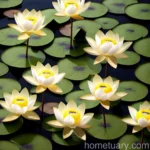
Sacred Lotus (Nelumbo Nucifera): A Comprehensive Plant Guide
Plants hold a special place in human culture, spirituality, and everyday life. The Sacred Lotus (Nelumbo Nucifera) is a plant that epitomizes beauty, cultural significance, and holds a revered position in various traditions and practices. In this comprehensive plant guide, we will embark on a journey to understand the Sacred Lotus in all its facets, including its cultural significance, cultivation, uses, and much more.
What is the Sacred Lotus (Nelumbo Nucifera)?
The Sacred Lotus, scientifically known as Nelumbo Nucifera, is an aquatic plant that belongs to the Nelumbonaceae family. This plant species is not only known for its remarkable beauty but also holds immense cultural and symbolic significance, particularly in Eastern cultures. The large, fragrant flowers and circular, flat leaves make it a visually striking and captivating plant.
Key Takeaways – Sacred Lotus (Nelumbo Nucifera)
Before we delve into the intricate details of cultivating and appreciating the Sacred Lotus, let’s take a look at some key takeaways:
1. Cultural Significance: The Sacred Lotus has profound symbolism in various cultures, representing purity, enlightenment, and rebirth.
2. Medicinal Uses: This plant has been utilized in traditional medicine and is believed to possess healing properties.
3. Cultivation: Growing the Sacred Lotus requires specific conditions and techniques, making it a unique addition to gardens and ponds.
4. Aesthetic Value: The beauty and elegance of the Sacred Lotus make it a popular choice for ornamental and spiritual purposes.
Culture
The Sacred Lotus is deeply intertwined with the cultures and traditions of many countries, each attributing unique symbolism and significance to this revered plant.
The Symbolism of the Sacred Lotus
The Sacred Lotus holds a prominent and symbolic position in various cultures and belief systems. Let’s explore the significance of the Sacred Lotus in some of these cultures:
– Buddhism: In Buddhism, the lotus flower represents purity of body, speech, and mind. It is often associated with spiritual awakening and enlightenment. The lotus emerging from muddy waters and blooming above the surface symbolizes the journey from darkness into light.
– Hinduism: The lotus holds a sacred place in Hindu mythology and is associated with gods and goddesses. The unfolding petals of the lotus symbolize the expansion of the soul and spiritual awakening.
– Egyptian Culture: The lotus flower was highly regarded in ancient Egypt and was associated with the sun and rebirth. It was also used in various religious and funerary practices.
The deep-rooted cultural symbolism of the Sacred Lotus has contributed to its enduring appeal and significance across different societies.
Uses
The Sacred Lotus is not only prized for its aesthetic appeal but also offers various practical and medicinal uses.
Medicinal Properties
Nelumbo Nucifera has been utilized in traditional medicine for its potential healing properties. The plant is believed to offer a range of health benefits, and different parts of the plant are used for diverse medicinal purposes.
The seeds of the Sacred Lotus, known as Kamal Gatta, are used in Ayurvedic medicine for their medicinal properties. They are believed to have cooling and astringent effects and are used in the treatment of conditions ranging from diarrhea and muscle cramps to circulatory ailments.
Cultural and Spiritual Uses
The cultural and spiritual uses of the Sacred Lotus are diverse and deeply rooted in tradition:
– Religious Offerings: In many cultures, the lotus flower is offered in religious ceremonies and rituals as a symbol of purity and devotion.
– Aesthetic Symbolism: The Sacred Lotus is a popular motif in art, sculptures, and literature, where it often represents beauty, grace, and purity.
The diverse uses of the Sacred Lotus reflect the deep reverence and admiration that cultures have for this extraordinary plant.
Cultivation
The cultivation of Sacred Lotus requires specific conditions and care, making it a unique endeavor for gardening enthusiasts. Let’s explore the key factors involved in growing and maintaining this revered plant.
Water
- Natural Habitat: The Sacred Lotus is a water plant and is naturally found in shallow, murky waters such as ponds, marshes, and slow-moving rivers.
- Growing in Ponds: Ideally, the plant should be grown in a large container or pond with at least 2 to 3 feet of water depth to allow ample space for root growth and to protect it from extreme temperatures.
Sunlight
- Sun Requirements: The Sacred Lotus thrives in full sun, requiring at least 6 hours of direct sunlight for optimal growth and flowering.
- Shading: While it loves sunlight, providing some afternoon shade can prevent the plant from overheating and help maintain the water temperature in the pond.
Fertilizer
- Fertilizing Needs: A well-established and healthy lotus plant usually does not require additional fertilization. However, a slow-release fertilizer can be added during the growing season if necessary, ensuring that it does not leach into the water.
Soil
- Soil Requirements: The planting container or pond should be filled with heavy clay loam soil without any organic material, as organic matter can lead to premature rotting of the tuber.
- Soil Depth: The planting container should have a soil depth of at least 12 to 18 inches to accommodate the roots and tuber of the lotus plant.
Pruning
- Pruning Techniques: Regular deadheading of spent flowers and yellowing leaves is essential to maintain the plant’s vigor and aesthetic appeal.
- Cleaning the Pond: Fallen leaves and debris should be removed from the pond to prevent water quality issues and to maintain a healthy environment for the lotus.
Propagation
- Seed Propagation: Sacred Lotus can be propagated from seeds, which should be planted in spring or early summer.
- Division of Rhizomes: Another method of propagation involves dividing the rhizomes to create new plants. This method is typically carried out in late winter or early spring.
Container Popularity
The popularity of growing Sacred Lotus in containers has increased due to the plant’s striking visual appeal and cultural significance. Container gardening allows enthusiasts to grow and appreciate this revered plant in various settings, from small urban gardens to expansive backyard ponds.
Container Common Diseases
While the Sacred Lotus is a sturdy plant, it is susceptible to certain diseases that can impact its growth and flowering.
Disease Diagnosis
Common diseases that affect Sacred Lotus include:
- Leaf Spot: Identified by the presence of dark spots or lesions on the leaves, this fungal disease can affect the plant’s vigor and overall health.
- Rust: Characterized by reddish-brown pustules on the undersides of leaves, rust can impact the aesthetics and photosynthetic capabilities of the plant.
Common Pests
- Aphids: These small, sap-sucking insects can affect the tender new growth of the plant, leading to stunted or distorted leaves.
- Snails and Slugs: These mollusks can damage the leaves and flowers of the Sacred Lotus, particularly when it is grown in containers or ponds.
Botanist’s Tips
As a plant with rich cultural and ecological significance, growing and appreciating the Sacred Lotus can be a rewarding experience. Here are some tips to ensure the successful cultivation of this remarkable plant:
- Adequate Space: Provide the Sacred Lotus with ample space in the pond or container to encourage healthy growth and spread of the plant.
- Regular Maintenance: Regular pruning, deadheading, and cleaning of the pond are essential to maintain the health and aesthetics of the plant.
- Water Quality: Ensure that the water quality in the pond or container is optimal, as poor water quality can impact the growth and health of the plant.
- Sunlight: While the Sacred Lotus thrives in full sun, it is essential to provide some afternoon shade to protect it from extreme heat.
Fun Facts
The Sacred Lotus is an extraordinary plant with numerous intriguing features and historical significance. Let’s explore some fascinating and lesser-known facts about this revered plant:
- The Nelumbo Nucifera, or Sacred Lotus, is the national flower of India, representing the country’s rich cultural heritage and diversity.
- The lotus plant is known for its thermal adaptations, with the ability to maintain a constant temperature in its floral buds, even when the surrounding environment is cold.
- Sacred Lotus leaves are not only visually striking but also possess self-cleaning properties, shedding dirt and water to maintain their pristine appearance.
As we continue to unravel the allure and importance of the Sacred Lotus, it becomes evident that this plant holds a special place in the hearts and minds of people across the globe.
Links to External Resources
To further enhance your understanding of the Sacred Lotus and its various facets, refer to the following external resources: