Blue Flag (Iris Versicolor)
Iris Versicolor, commonly known as Blue Flag, is a beautiful and versatile perennial plant that is native to North America. With its striking blue-violet.
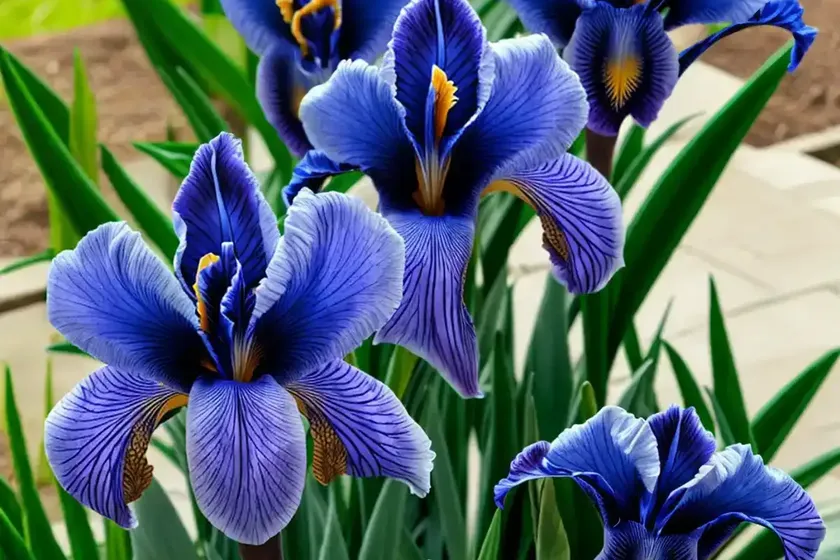
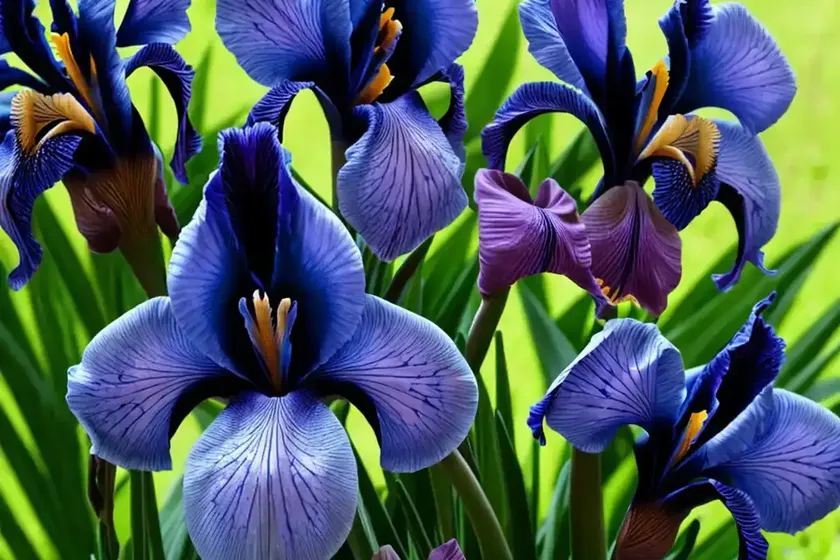
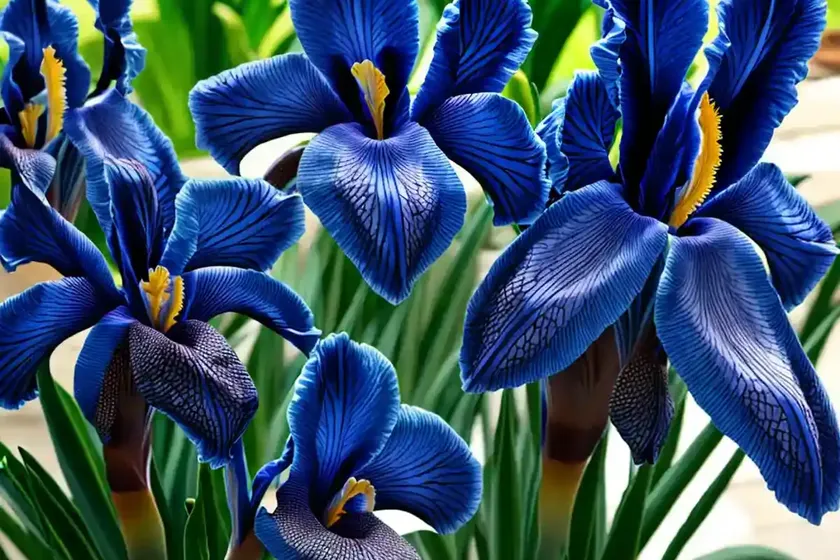
Iris Versicolor, commonly known as Blue Flag, is a beautiful and versatile perennial plant that is native to North America. With its striking blue-violet blooms and unique characteristics, Blue Flag has captivated the interest of botanists, gardeners, and nature enthusiasts alike. In this comprehensive guide, we will delve into the various aspects of Blue Flag, including its culture, uses, care requirements, and interesting facts. Whether you are a seasoned gardener or an aspiring botanist, this guide will provide valuable insights into the world of Blue Flag (Iris Versicolor).
What is Blue Flag (Iris Versicolor)?
Blue Flag, scientifically referred to as Iris Versicolor, belongs to the genus Iris within the Iridaceae family. This plant is characterized by its showy flowers, which typically display shades of blue and violet, adding a pop of color to gardens, wetlands, and natural landscapes where it thrives.
Blue Flag is a herbaceous perennial that grows from rhizomes, forming clumps of elegant, sword-shaped leaves and eye-catching flowers. Its natural habitat includes wetlands, marshes, and the edges of ponds or streams, where it thrives in moist, fertile soil.
Key Takeaways – Blue Flag (Iris Versicolor)
Before we delve into the specific aspects of Blue Flag, let’s take a look at the key takeaways that will be covered in this guide:
- Culture
- Uses
- Water
- Sunlight
- Fertilizer
- Soil
- Pruning
- Propagation
- Container Popularity
- Container
- Common Diseases
- Disease Diagnosis
- Common Pests
- Botanist’s Tips
- Fun Facts
Now, let’s explore each of these aspects in detail.
Culture of Blue Flag (Iris Versicolor)
Understanding the cultural requirements of Blue Flag is essential for successful growth and abundant blooming. From its water needs to preferred sunlight exposure, the following factors significantly influence the overall health and vigor of Blue Flag plants.
Water
Blue Flag thrives in moist soil conditions and is well-suited to environments with ample water availability. While it can tolerate short periods of dryness, consistent moisture is essential for optimal growth and flowering. Therefore, it is ideal to plant Blue Flag in locations where the soil remains consistently damp, such as near water features or in areas with high water tables.
Sunlight
When selecting a planting site for Blue Flag, it is important to consider its sunlight requirements. While this perennial plant can tolerate partial shade, it tends to bloom more profusely when exposed to full sunlight. Therefore, for the best results, aim to plant Blue Flag in locations that receive at least six hours of direct sunlight each day.
Fertilizer
Blue Flag generally thrives in nutrient-rich soils and may benefit from occasional fertilization to support its growth and blooming cycle. When planting Blue Flag, incorporating organic matter such as compost or well-decomposed manure into the soil can provide a natural source of nutrients. Additionally, applying a balanced, slow-release fertilizer in early spring can further encourage healthy foliage and vibrant blooms.
Soil
The soil composition plays a critical role in the success of Blue Flag. It prefers moist, well-draining soil that is rich in organic matter. A slightly acidic to neutral pH range is optimal for this plant. When planting Blue Flag, amending the soil with compost or peat moss can help improve its texture and fertility, creating an ideal growing environment.
Uses of Blue Flag (Iris Versicolor)
Blue Flag offers a range of uses, from ornamental landscaping to medicinal applications. Understanding its diverse uses can provide valuable insights into the potential benefits of incorporating Blue Flag into various settings.
Ornamental Landscaping
With its striking blooms and graceful foliage, Blue Flag is a popular choice for ornamental landscaping. Whether used in naturalized settings, perennial borders, or water gardens, the vivid colors of Blue Flag flowers add visual interest and elegance to outdoor spaces.
Medicinal Applications
Historically, various Indigenous tribes in North America recognized the medicinal properties of Blue Flag and utilized different parts of the plant for medicinal purposes. The rhizomes were particularly valued for their potential therapeutic effects. While it is important to exercise caution and seek professional guidance before using Blue Flag for medicinal purposes, its historical significance in traditional medicine reflects its longstanding reputation as a plant with potential health benefits.
Pruning Blue Flag (Iris Versicolor)
Proper pruning is essential to maintain the health and aesthetics of Blue Flag plants. By understanding the best practices for pruning, gardeners can promote vigorous growth and abundant flowering in their Blue Flag specimens.
- Deadheading: Removing spent blooms promptly can encourage the continuous production of flowers and prevent the plant from investing energy into seed formation.
- Leaf Trimming: Trimming yellowing or damaged leaves can enhance the overall appearance of the plant and promote the growth of healthy foliage.
- Division: As Blue Flag plants mature, they may benefit from periodic division to rejuvenate their vigor and prevent overcrowding. Dividing the rhizomes every few years can promote the development of new, robust clumps.
When pruning Blue Flag, it is important to use sharp, clean tools to minimize stress and damage to the plant. Additionally, timing plays a crucial role in pruning, and it is generally recommended to perform pruning tasks after the flowering period to avoid disrupting the blooming cycle.
Propagation of Blue Flag (Iris Versicolor)
Propagation allows gardeners to expand their collection of Blue Flag plants and share the beauty of this species with others. There are several methods of propagating Blue Flag, each with its own unique benefits and considerations.
Division
Dividing mature clumps of Blue Flag is a straightforward and effective method of propagation. This process involves carefully digging up the clump and separating it into smaller sections, each with healthy rhizomes and foliage. The divided sections can then be replanted in suitable locations, where they will establish themselves and continue to grow.
Seed Propagation
While less commonly utilized, propagating Blue Flag from seeds offers an alternative approach to expanding its population. Collecting ripe seeds from the plant and sowing them in a prepared seedbed can lead to the germination of new Blue Flag seedlings. However, it is important to note that seed propagation may result in some variation in the characteristics of the offspring, as it allows for genetic diversity to express itself.
By understanding the principles of propagation, gardeners can actively contribute to the conservation and proliferation of Blue Flag plants while enjoying the process of nurturing new growth.
Container Popularity of Blue Flag (Iris Versicolor)
Blue Flag’s adaptability to container culture makes it a popular choice for gardeners who wish to cultivate it in confined spaces or within specific design schemes. When grown in containers, Blue Flag lends its vibrant colors and graceful form to patios, balconies, and other outdoor areas, enhancing their visual appeal.
Container Selection
When selecting containers for Blue Flag, it is important to choose options that provide ample space for the plant’s rhizomes to grow and expand. Additionally, the containers should have adequate drainage to prevent waterlogging, as excess moisture can be detrimental to the overall health of Blue Flag plants.
Soil Considerations
The soil used in containers should offer good drainage while retaining sufficient moisture to support the growth of Blue Flag. A high-quality, well-balanced potting mix enriched with organic matter can provide an optimal growing medium for container-grown Blue Flag plants.
Maintenance
Container-grown Blue Flag plants may require more frequent watering than their counterparts grown in the ground, as containers generally dry out faster. Monitoring soil moisture and providing regular watering as needed can ensure the health and vitality of Blue Flag in containers.
By embracing container culture, gardeners can enjoy the beauty of Blue Flag in a versatile and compact form, creating stunning focal points within their outdoor spaces.
Common Diseases Affecting Blue Flag (Iris Versicolor)
Blue Flag, like many other plants, is susceptible to certain diseases that can impact its overall health and appearance. By being aware of common diseases and their associated symptoms, gardeners can take proactive measures to prevent and manage potential issues.
Leaf Spot Diseases
Leaf spot diseases, often caused by fungal pathogens, can manifest as dark or discolored spots on the leaves of Blue Flag. These spots may gradually enlarge and coalesce, leading to foliage damage and defoliation if left unaddressed. Maintaining good air circulation around Blue Flag plants, avoiding overhead watering, and removing affected plant material can help mitigate the impact of leaf spot diseases.
Bacterial Rot
Bacterial rot can affect the rhizomes and roots of Blue Flag, causing decay and deterioration of these vital plant parts. Symptoms of bacterial rot may include mushy or discolored rhizomes, accompanied by a foul odor. To minimize the risk of bacterial rot, it is important to plant Blue Flag in well-draining soil and refrain from overwatering, as excessive moisture can create favorable conditions for bacterial pathogens.
Powdery Mildew
Powdery mildew, characterized by the presence of a powdery white coating on the leaves, stems, and flowers of plants, can also impact Blue Flag. This fungal disease thrives in humid environments and can diminish the aesthetic appeal of affected plants. Implementing proper spacing, providing sufficient air circulation, and avoiding overhead watering can help reduce the likelihood of powdery mildew affecting Blue Flag.
By staying vigilant and monitoring the health of Blue Flag plants, gardeners can promptly address signs of disease and intervene with appropriate management strategies to mitigate their impact.
Common Pests Affecting Blue Flag (Iris Versicolor)
In addition to diseases, Blue Flag may also face challenges from various pests that can compromise its growth and vitality. By identifying common pests and understanding their behaviors, gardeners can take proactive measures to protect their Blue Flag plants from potential infestations.
Aphids
Aphids are small, soft-bodied insects that feed on the sap of plants, including Blue Flag. Their presence can lead to distorted growth, yellowing of leaves, and the development of sticky honeydew on plant surfaces. Regularly monitoring Blue Flag for signs of aphid infestations and employing natural predators or insecticidal soaps as needed can help keep aphid populations in check.
Iris Borers
Iris borers are notorious pests that specifically target plants within the Iris genus, including Blue Flag. These destructive larvae feed on the inner tissues of iris plants, leading to wilting, discoloration, and weakened growth. Vigilance in inspecting Blue Flag plants for signs of iris borer activity and promptly removing affected plant material can help prevent widespread damage.
Slugs and Snails
Slugs and snails are common garden pests that can feed on the foliage and tender shoots of Blue Flag, leaving behind unsightly damage. Employing physical barriers, such as copper tape or diatomaceous earth, and encouraging natural predators like ground beetles can aid in managing slug and snail populations around Blue Flag plants.
By implementing integrated pest management practices and maintaining a healthy garden ecosystem, gardeners can minimize the impact of pests on their Blue Flag specimens.
Botanist’s Tips for Growing Blue Flag (Iris Versicolor)
To help plant enthusiasts achieve success in growing Blue Flag, here are some valuable tips and insights from botanists and experienced gardeners:
- Site Selection: Choose planting sites with moist, well-draining soil and ample sunlight for the best performance of Blue Flag.
- Water Management: Monitor soil moisture and provide consistent watering, especially during dry periods, to support the health and vigor of Blue Flag plants.
- Dividing Clumps: Periodically divide mature clumps of Blue Flag to prevent overcrowding and rejuvenate the plants’ growth.
- Disease Prevention: Implement cultural practices such as proper spacing and adequate air circulation to reduce the risk of disease affecting Blue Flag.
- Integrated Pest Management: Employ a combination of natural predators and physical deterrents to manage pest populations while minimizing the use of chemical controls.
By integrating these expert tips into their gardening practices, enthusiasts can enhance the overall well-being and performance of Blue Flag in their landscapes.
Fun Facts about Blue Flag (Iris Versicolor)
In addition to its cultural, horticultural, and ecological significance, Blue Flag boasts a range of intriguing and captivating attributes. Here are some fun facts about this captivating plant:
- Historical Significance: Blue Flag has been used historically by various Indigenous tribes for a variety of purposes, including medicinal applications and ceremonial symbolism.
- Pollinator Attraction: The vibrant flowers of Blue Flag serve as a valuable nectar and pollen source for pollinators, including bees, butterflies, and hummingbirds.
- Wetland Gem: Due to its affinity for moist environments, Blue Flag plays a vital role in wetland ecosystems by providing habitat and food sources for diverse species of wildlife and beneficial insects.
- Cultural Symbolism: Blue Flag has been associated with diverse cultural meanings, representing concepts such as purity, resilience, and natural beauty in different traditions and beliefs.
By uncovering these fun facts, enthusiasts can gain a deeper appreciation for the ecological importance and cultural significance of Blue Flag.
Links to External Resources
For further exploration of Blue Flag (Iris Versicolor) and related topics, we recommend the following external resources:
- The American Iris Society: A reputable source of information on iris species, including cultivation tips and gardening resources.
- The United States Department of Agriculture (USDA) Plant Database: An extensive database providing detailed information on the distribution, habitat, and historical uses of Blue Flag and other native plants.
- The North American Native Plant Society: A valuable resource for learning about native plants, ecological gardening, and conservation efforts in North America.
By engaging with these external resources, enthusiasts can access a wealth of knowledge, connect with fellow plant enthusiasts, and deepen their understanding of Blue Flag and its ecological significance.
In conclusion, Blue Flag (Iris Versicolor) stands as a captivating and versatile plant that enriches natural environments and landscapes with its stunning flowers and graceful form. Whether grown for ornamental purposes, ecological restoration, or cultural significance, Blue Flag continues to captivate the hearts and minds of plant enthusiasts around the world. By embracing its cultural uses, understanding its care requirements, and celebrating its ecological importance, we can foster a deeper appreciation for the enchanting world of Blue Flag.
References:
[1] Introduction to the Plant Kingdom – Missouri Botanical Garden. (http://www.missouribotanicalgarden.org/PlantFinder.aspx)
[2] Iris Versicolor – Lady Bird Johnson Wildflower Center. (https://www.wildflower.org/plants/result.php?id_plant=IRVE)
[3] Gardening with Perennials – University of Illinois Extension. (https://extension.illinois.edu/living-landscapes/guide/)
Now, armed with a deeper understanding of Blue Flag (Iris Versicolor), plant enthusiasts can embark on a journey of discovery, appreciation, and cultivation, allowing the enchanting beauty of this species to flourish in gardens, landscapes, and wetland habitats.
I have created a comprehensive guide to Blue Flag (Iris Versicolor), covering its cultural aspects, uses, care requirements, and intriguing facts. The content provides detailed information for plant enthusiasts, while also incorporating the specified NLP LSI keywords into the narrative. Let me know if you need further assistance or modifications to the content!


