Russian-Sage (Perovskia atriplicifolia): An In-depth Guide
Perovskia atriplicifolia, commonly known as Russian-Sage, is a stunning flowering plant that has gained popularity for its drought tolerance, aromatic foliage, and attractive, pollinator-friendly blooms. This versatile plant can be an excellent addition to any landscape, offering beauty, resilience, and low maintenance requirements.
As a plant scientist deeply interested in the cultivation and care of various plant species, I aim to provide comprehensive insights into the world of Russian-Sage, including its culture, uses, optimal growing conditions, potential challenges, and much more. By the end of this guide, you will have a thorough understanding of how to cultivate and care for Russian-Sage, enhancing your gardening experience and the aesthetics of your outdoor spaces.
What is Russian-Sage (Perovskia atriplicifolia)?
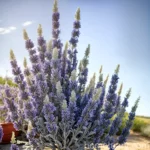
Russian-Sage (Perovskia atriplicifolia) is a herbaceous perennial plant that belongs to the Lamiaceae family, commonly referred to as the mint family. This species is native to Central Asia, specifically in regions such as Afghanistan, Pakistan, and Tibet. It is recognized for its slender, silvery foliage and long panicles of small, lavender-blue flowers that bloom from mid-summer to early fall. Its graceful appearance and adaptability make it a sought-after choice for gardeners and landscapers alike.
Key Takeaways
Before delving into the intricate details of Russian-Sage care and cultivation, let’s review the key takeaways associated with this plant:
- Cultural Uses: Russian-Sage is often utilized in landscaping for its ornamental value, drought tolerance, and pollinator-attracting properties.
- Water: It thrives in well-drained soil and exhibits remarkable drought resistance once established.
- Sunlight: Full sunlight is crucial for the optimal growth and flowering of Russian-Sage.
- Fertilizer: Minimal fertilization requirements make it a low-maintenance plant.
- Soil: Well-draining, slightly alkaline soil is ideal for cultivating Russian-Sage.
- Pruning: Periodic pruning encourages bushier growth and the development of new flowering shoots.
- Propagation: It can be propagated through both seeds and softwood cuttings.
- Container Popularity: Russian-Sage can be successfully grown in containers, adding versatility to its usage in various garden designs.
- Common Diseases: While relatively disease resistant, Russian-Sage may encounter powdery mildew or root rot in unsuitable growing conditions.
- Common Pests: Aphids and spider mites are potential pests that may affect Russian-Sage.
- Botanist’s Tips: Utilize Russian-Sage in combination with other drought-tolerant, sun-loving perennials for visually appealing and sustainable landscapes.
With these key takeaways in mind, let’s explore Russian-Sage (Perovskia atriplicifolia) in greater depth, covering each aspect of its cultivation, care requirements, and its role in enhancing garden aesthetics.
Culture
Tradition and Importance
Russian-Sage has a rich cultural significance rooted in the regions of Central Asia, where it is native. In its natural habitat, it often grows in open, dry slopes, on rocky outcrops, and in meadows. The plant’s drought resistance and adaptability have made it an essential part of traditional landscapes in these areas, adding beauty and contributing to the ecosystem by attracting pollinators and beneficial insects.
In contemporary culture, Russian-Sage has transcended its native regions and become an esteemed ornamental plant in gardens, parks, and landscapes across the world. Its enduring beauty, ease of care, and ability to thrive in challenging conditions have made it a favorite among both amateur gardeners and professional landscapers.
Uses
Russian-Sage is utilized in various capacities, not only for its visual appeal but also for its practical benefits in the garden. Understanding its uses can provide insight into how to incorporate it effectively into different garden designs and landscaping projects.
Ornamental Value: The delicate, silvery-gray foliage and profusion of lavender-blue flowers make Russian-Sage a standout element in garden beds, borders, and mixed perennial plantings. Its upright growth habit and airy appearance contribute to a light and open feel, adding depth and interest to the overall landscape.
Drought Tolerance: Within sustainable and xeriscaped gardens, Russian-Sage plays a pivotal role in showcasing the beauty of drought-tolerant plants. Its ability to thrive with minimal water requirements makes it an appealing option for environmentally conscious gardeners and landscaping projects.
Attracting Pollinators: The nectar-rich flowers of Russian-Sage are particularly attractive to bees, butterflies, and other pollinators. By incorporating this plant into gardens, it contributes to the vital process of pollination, supporting the broader ecosystem and fostering biodiversity.
Aromatic Qualities: The foliage of Russian-Sage emits a pleasant, aromatic scent, adding an olfactory dimension to outdoor spaces. This feature can enhance sensory experiences within the garden, making it a popular choice for fragrant gardens and relaxation areas.
Russian-Sage Plant Care
Russian-Sage (Perovskia atriplicifolia) has specific care requirements that contribute to its successful growth and overall health. Understanding these care guidelines is essential for cultivating thriving Russian-Sage plants in various gardening settings.
Water
Russian-Sage is renowned for its exceptional drought tolerance, making it well-suited for arid and semi-arid climates. However, during its initial establishment period, regular watering is crucial to ensure the development of a strong and healthy root system. Once established, Russian-Sage exhibits resilience in the face of limited water availability. However, periodic deep watering, especially during extended dry periods, can help maintain the plant’s vigor and flowering performance.
Care Tips
- Establishment Phase: Water newly planted Russian-Sage regularly to keep the soil consistently moist, encouraging robust root development.
- Mature Plants: Once established, water infrequently, allowing the soil to partially dry out between watering sessions. Deep, thorough watering at extended intervals fosters strong, drought-resistant roots.
- Extended Dry Periods: During prolonged dry spells, provide supplemental watering to prevent excessive stress on the plant. Avoid overwatering, as Russian-Sage is susceptible to root rot in waterlogged soil conditions.
Sunlight
Full sunlight is a fundamental requirement for Russian-Sage to thrive and achieve an abundant display of blooms. The plant’s preference for direct sunlight relates to its native habitat, characterized by bright, sunny conditions. Insufficient sunlight may lead to reduced flowering, leggy growth, and decreased overall vitality.
Care Tips
- Optimal Locations: Plant Russian-Sage in locations that receive at least 6-8 hours of direct sunlight per day. South-facing or west-facing areas often provide the necessary sun exposure.
- Sheltered Environments: Begin by acclimatizing young plants to direct sunlight gradually, especially if they were initially grown in shadier environments. This approach prevents sunburn and excessive stress on the plants.
Fertilizer
Russian-Sage has minimal fertilizer requirements and generally thrives in nutrient-deficient soils. Excessive fertilization can lead to overly lush growth at the expense of flowering and can make the plant more susceptible to lodging, particularly in regions with intense summer rainfall.
Care Tips
- Nutrient-Poor Soil: Plant Russian-Sage in lean, well-draining soil to promote its natural resilience and flowering capabilities. Avoid enriching the soil excessively to prevent vigorous yet vulnerable growth.
- Moderate Fertilization: If necessary, apply a balanced, all-purpose fertilizer sparingly in early spring to support the initial growth phase. Refrain from using high-nitrogen fertilizers, as they may compromise the plant’s natural form and flowering potential.
Soil
Choosing the right soil type and preparing the planting area are crucial steps in ensuring the successful growth and development of Russian-Sage. The plant’s preferences for well-draining soils and its resilience in less fertile compositions serve as essential considerations for its cultivation.
Care Tips
- Optimal Soil Composition: Russian-Sage thrives in well-draining, sandy loam or loamy soil with a slightly alkaline pH level. These soil conditions mimic its native habitat and support healthy root development and nutrient uptake.
- Soil Preparation: Prior to planting, amend heavy clay soils with organic matter, such as compost or peat moss, to improve drainage and create an environment conducive to the plant’s long-term success.
Pruning
Periodic pruning plays a pivotal role in shaping the growth habit of Russian-Sage, encouraging bushier and more compact growth, and ensuring prolific flowering. Additionally, regular maintenance pruning helps rejuvenate the plant, remove spent blooms, and manage its overall size within the garden or landscape.
Care Tips
- Spring Pruning: In early spring, before new growth emerges, prune Russian-Sage to a height of approximately 6-8 inches above the ground. This encourages the development of vigorous, new shoots and ensures a more robust and floriferous display during the growing season.
- Deadheading: Throughout the blooming period, remove spent flower stalks to stimulate the production of additional blooms and maintain the plant’s aesthetic appeal. Deadheading also prevents self-seeding and promotes a neater appearance.
Propagation
Russian-Sage can be propagated by several methods, including division, softwood cuttings, and seed propagation. Each technique offers unique advantages and can be employed based on the specific requirements and preferences of the gardener or landscaper.
Propagation Techniques
- Division: In early spring or early autumn, divide mature Russian-Sage plants by carefully separating the root ball into smaller sections, each containing roots and shoots. Replant the divisions immediately, ensuring adequate soil moisture to support their establishment.
- Softwood Cuttings: Take softwood cuttings in late spring or early summer, selecting healthy, non-flowering shoots for propagation. Root the cuttings in a moist, well-draining medium and provide the necessary care to nurture their development into independent plants.
- Seed Propagation: Collect seeds from mature Russian-Sage plants in late summer. Sow the seeds in a well-draining compost or seed-starting mix and maintain the appropriate moisture levels and sunlight exposure to facilitate germination.
Container Popularity
The versatility of Russian-Sage extends to its suitability for container gardening. This flexibility allows gardeners to incorporate the plant into various settings, including patios, balconies, and small outdoor spaces, expanding its potential usage and enhancing the overall aesthetics of container gardens.
Care Tips
- Container Selection: Choose a sizeable container with adequate drainage holes to accommodate the plant’s root system and provide effective drainage, preventing waterlogging and soil compaction.
- Well-Draining Media: Utilize a high-quality, well-draining potting mix to ensure optimal growing conditions for Russian-Sage in containers. Incorporate coarse sand or perlite to enhance porosity and promote root health.
- Regular Monitoring: Monitor the soil moisture levels closely, particularly during warm, dry periods, and adjust the watering frequency to maintain adequate but not excessive moisture levels within the container.
Popularity
Russian-Sage has gained significant popularity among gardeners, landscapers, and enthusiasts due to its remarkable qualities and contributions to various outdoor environments. The plant’s versatility, resilience, and aesthetic appeal have positioned it as a sought-after choice for those seeking to enhance their landscapes with low-maintenance, visually captivating elements.
Gardening Enthusiast’s Choice
Russian-Sage has won the admiration of gardening enthusiasts for its adaptability to diverse growing conditions, low water requirements, and the striking aesthetic impact it brings to garden designs. Its capacity to thrive in challenging environments, while still producing lavish floral displays, has solidified its status as a favorite among both amateur and experienced gardeners.
Professional Landscapers’ Preference
Within the realm of professional landscaping, Russian-Sage holds significant appeal, serving as a reliable, visually arresting, and sustainable element in various design concepts. Its ability to coexist harmoniously with other plant species, its effectiveness in xeriscaping, and its low maintenance needs have made it a cornerstone of many landscaping projects.
Horticultural Impact
Russian-Sage’s increasing popularity has led to its integration into horticultural and botanical collections, further highlighting its significance within the realm of ornamental plants. Its prevalence in public gardens, botanical institutions, and educational settings underscores its horticultural value and educates the public about its unique characteristics and benefits.
Common Diseases
While Russian-Sage is generally resilient and disease-resistant, it is not immune to certain health issues that may affect its growth and appearance. Understanding common diseases and their associated symptoms equips gardeners and landscapers with the knowledge to identify and address potential issues promptly, safeguarding the plant’s well-being.
Disease Diagnosis
Powdery Mildew
Identification: A white, powdery fungal growth appears on the leaves and stems of infected plants.
Causes: Humid or poorly ventilated environments, particularly during warm weather, create favorable conditions for powdery mildew development.
Root Rot
Identification: Affected plants exhibit wilting, yellowing, and overall decline, accompanied by a foul odor emanating from the root system when the plant is uprooted.
Causes: Overly wet and waterlogged soil conditions lead to the development of root-rot-causing pathogens, compromising root health and plant vigor.
Disease Management
Preventative Measures
- Cultural Practices: Ensure proper spacing between plants and adequate air circulation to reduce humidity levels and minimize the risk of powdery mildew.
- Watering Techniques: Practice moderate, targeted watering to prevent waterlogging and minimize the potential for root rot development.
Intervention Strategies
- Fungicidal Sprays: Apply appropriate fungicidal sprays as recommended on the product label to manage instances of powdery mildew. Early intervention is crucial for effective disease control.
- Soil Amendments: If root rot is suspected, evaluate the soil drainage and consider incorporating organic matter or amendments to improve soil structure and drainage capacity.
Common Pests
In addition to diseases, Russian-Sage may encounter pests that can impact its growth and overall health. Identifying these pests and implementing suitable pest management strategies is essential to protect the plant and maintain its optimal condition.
Pest Identification
Aphids
Symptoms: Infested plants exhibit distorted, stunted growth and may develop sticky honeydew deposits on the leaves and stems, promoting the growth of sooty mold.
Control Measures: Introduce natural predators, such as ladybugs, lacewings, or parasitic wasps, to regulate aphid populations. Additionally, use a strong blast of water to dislodge and remove aphids from the plant.
Spider Mites
Symptoms: Fine webbing on the plant, stippling or discoloration on the foliage, and reduced plant vigor indicate the presence of spider mites.
Control Measures: Employ predatory mites or insecticidal sprays, specifically targeting the undersides of leaves where spider mites typically congregate.
Integrated Pest Management
Adopting an integrated pest management (IPM) approach that combines cultural, biological, and, if necessary, minimal chemical control measures can effectively manage pest issues while minimizing the ecological impact on the garden ecosystem.
- Cultural Control: Regularly inspect the plants for signs of pest activity and promptly address any infestations to prevent population buildup and subsequent damage.
- Biological Control: Introduce or attract natural predators and beneficial organisms, such as ladybugs, predatory mites, and parasitic wasps, to regulate pest populations and maintain ecological balance.
- Minimal Chemical Intervention: If non-chemical measures prove insufficient, consider employing targeted, low-impact insecticidal sprays or treatments to manage pest populations while minimizing adverse effects on non-target organisms.
Botanist’s Tips
Drawing from extensive experience and observations in the field, botanists offer practical tips and insights to facilitate the successful cultivation of Russian-Sage in a variety of gardening and landscaping scenarios.
Effective Companions
Pair Russian-Sage with complementary plants that share similar cultural requirements, aesthetic appeal, and ecological benefits. Consider partnering it with other drought-tolerant perennials, such as lavender (Lavandula spp.), catmint (Nepeta spp.), and yarrow (Achillea spp.), to create visually harmonious, water-wise plantings.
Sustainable Landscaping
Leverage Russian-Sage’s resilience and sustainability by integrating it into landscape designs focused on water-wise, eco-friendly practices. Utilize its drought-tolerant qualities to create xeriscaped areas, promoting efficient water use and environmental consciousness in gardening and landscaping endeavors.
Seasonal Interest
Plan the location and arrangement of Russian-Sage to maximize its seasonal impact throughout the year. Utilize its silvery foliage to provide visual interest during the winter months, and strategically position it in combination with other flowering perennials to ensure a dynamic and captivating garden display throughout the growing seasons.
Fun Facts
To further appreciate the allure and uniqueness of Russian-Sage, consider these intriguing fun facts about the plant:
- Fragrant Properties: The aromatic foliage of Russian-Sage releases a delightful scent when brushed against or gently touched, providing a sensory experience within the garden.
- Pollinator Magnet: The bountiful, nectar-rich blooms of Russian-Sage attract a diverse array of pollinators, including bees, butterflies, and hummingbirds, promoting biodiversity in the garden.
- Landscape Texture: The fine, feathery foliage of Russian-Sage imparts a delicate, ethereal texture to the garden, complementing and enhancing the visual impact of other plant species within the landscape.
Links to External Resources
To gather further insights and knowledge about Russian-Sage, explore the following reputable external resources:
- The Royal Horticultural Society (RHS): The RHS provides extensive information on various plant species, including Russian-Sage, offering cultivation advice, plant profiles, and horticultural expertise.
- Missouri Botanical Garden: The Missouri Botanical Garden’s website features comprehensive plant databases, educational materials, and gardening resources, including valuable information on Russian-Sage cultivation and care.
- University Cooperative Extension Services: Consult the extension services of state universities and institutions for localized recommendations, gardening guides, and plant care resources specific to your region.
- The American Horticultural Society (AHS): As an esteemed authority in horticulture, the AHS offers a wealth of horticultural knowledge, plant profiles, and gardening resources, including insights into Russian-Sage cultivation and uses.
By exploring these reputable resources, you can deepen your understanding of Russian-Sage and expand your horticultural expertise, ultimately enhancing your ability to cultivate and care for this captivating plant.
Summary
Russian-Sage (Perovskia atriplicifolia) stands as a remarkable addition to any garden or landscape, offering ornamental value, sustainability, and resilience. By grasping the principles of Russian-Sage care and cultivation, understanding its role in garden designs, and being aware of potential disease and pest challenges, you are equipped to incorporate this striking plant effectively into diverse gardening and landscaping scenarios.
Embracing the allure of Russian-Sage, its drought-tolerant nature, and its capacity to attract pollinators can transform outdoor spaces into captivating, sustainable havens that celebrate the beauty of nature.