Hairy Lady’s Mantle (Alchemilla Monticola)
Hairy Lady’s Mantle, scientifically known as Alchemilla Monticola, is a captivating and low-maintenance perennial plant that is a great addition to any.
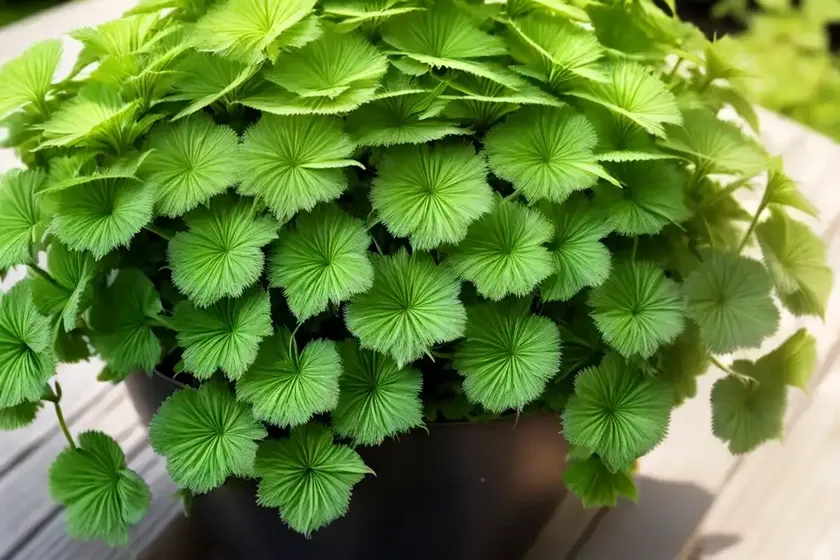
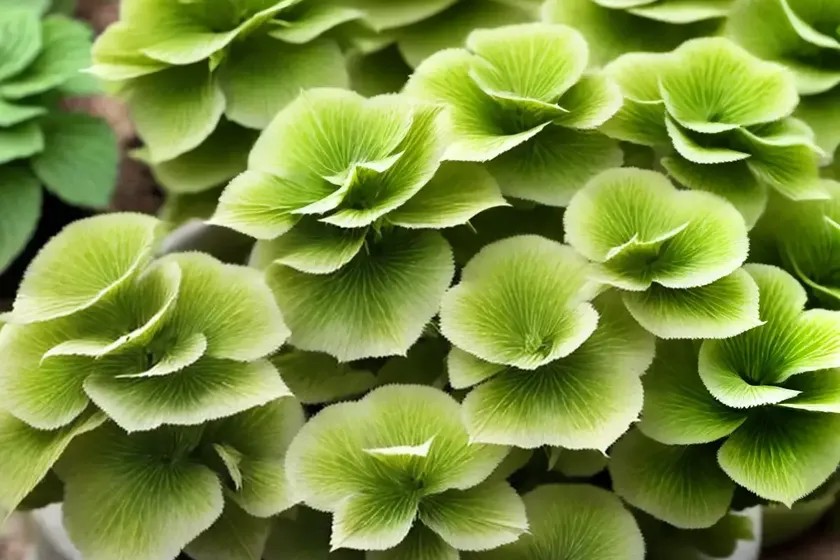
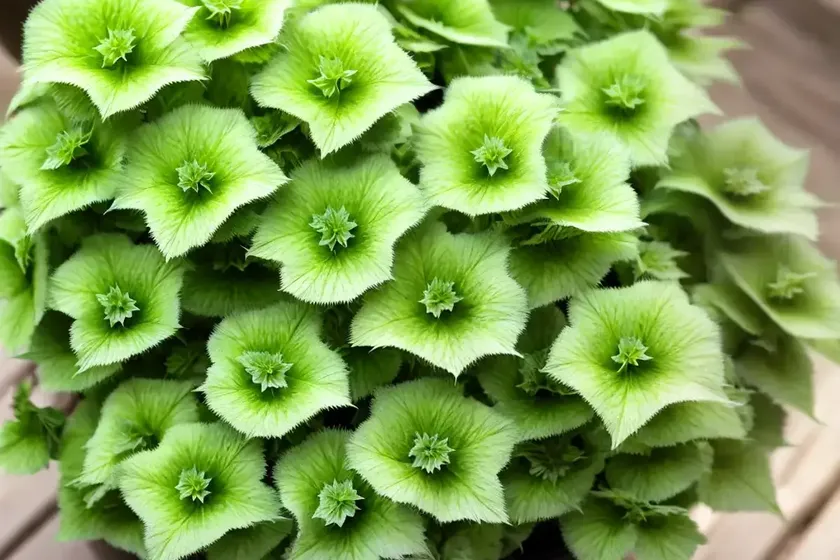
Hairy Lady’s Mantle, scientifically known as Alchemilla Monticola, is a captivating and low-maintenance perennial plant that is a great addition to any garden. The unique foliage and delicate flowers of this plant make it a favorite among horticulturists and garden enthusiasts. In this comprehensive guide, we will delve into the various aspects of caring for Hairy Lady’s Mantle, from its cultural requirements to its uses, diseases, and propagation.
What is a Plant?
Before delving into the detailed care of Hairy Lady’s Mantle, let’s take a moment to understand the basics of a plant. In the broadest sense, a plant is a living organism that typically does not move and uses energy from the sun to convert carbon dioxide into organic compounds. They play a crucial role in the ecosystem by producing oxygen, providing habitats for wildlife, and serving as a food source for various organisms, including humans. Plants vary greatly in size, morphology, and environmental adaptations, and they are essential for the sustenance of life on Earth.
Hairy Lady’s Mantle (Alchemilla Monticola)
Hairy Lady’s Mantle, also known by its botanical name Alchemilla Monticola, is a species of flowering plant in the family Rosaceae. This herbaceous perennial is native to mountainous regions, where it can be found growing in alpine meadows and open woodlands. It is prized for its attractive foliage and delicate, frothy yellow-green flowers, which appear in late spring to early summer. The common name “Lady’s Mantle” is inspired by the shape and pleating of the leaves, which are said to resemble the cloak of the Virgin Mary.
Key Takeaways
Before we delve into the specifics of caring for Hairy Lady’s Mantle, here are the key highlights of this beautiful plant:
- Scientific Name: Alchemilla Monticola
- Common Name: Hairy Lady’s Mantle
- Plant Type: Herbaceous Perennial
- Flowering Time: Late Spring to Early Summer
- Foliage: Clump-forming, Lobed and Pleated Leaves
- Flower Color: Yellow-Green
- Watering Needs: Moderate
- Sunlight Requirements: Partial to Full Shade
- Soil Type: Moist, Well-Draining
- Growth Habit: Low-Growing, Spreading
Now, let’s explore the various aspects of caring for this enchanting plant.
Culture
Cultivating Hairy Lady’s Mantle involves understanding and providing for its cultural needs. From watering to soil requirements, each aspect plays a crucial role in the overall health and vitality of the plant.
Uses
Hairy Lady’s Mantle can be utilized in various ways in the garden and landscape:
- Border Plant: Its low-growing habit makes it an excellent choice for border plantings, where it can create a soft, mounding edge.
- Groundcover: Due to its spreading nature, Hairy Lady’s Mantle can be used as a groundcover to fill in bare areas and suppress weed growth.
- Container Planting: When grown in containers, it adds a beautiful, textural element to patio and balcony gardens.
- Rock Gardens: Its compact growth and attractive foliage make it a desirable addition to rock gardens and alpine plantings.
- Cut Flowers: The delicate, frothy flowers of Hairy Lady’s Mantle can be used in floral arrangements, adding a touch of elegance to bouquets.
Water
Proper watering is essential for the health and vigor of Hairy Lady’s Mantle. Here are some key points to consider regarding its water requirements:
- Moderate Moisture: While Hairy Lady’s Mantle prefers consistently moist soil, it is important to avoid waterlogging, which can lead to root rot.
- Mulching: Applying a layer of organic mulch around the base of the plant helps retain soil moisture and suppress weed growth.
- Drought Tolerance: Once established, Hairy Lady’s Mantle exhibits good drought tolerance, but regular watering during dry spells is beneficial.
Sunlight
Understanding the sunlight needs of Hairy Lady’s Mantle is essential for ensuring optimal growth and flowering:
- Partial to Full Shade: Hairy Lady’s Mantle thrives in partial to full shade, especially in regions with hot summers.
- Filtered Sunlight: In cooler climates, it can tolerate more sun, but protection from intense midday rays is still beneficial.
Fertilizer
Like most perennials, Hairy Lady’s Mantle benefits from periodic fertilization to support its growth and flowering:
- Balanced Fertilizer: Apply a balanced, slow-release fertilizer in early spring to provide essential nutrients for the growing season.
- Organic Amendments: Incorporating organic matter into the soil during planting and topdressing with compost can enhance the overall fertility of the soil.
Soil
The soil composition plays a crucial role in the vigor and health of Hairy Lady’s Mantle:
- Moist, Well-Draining Soil: Hairy Lady’s Mantle thrives in moist, well-draining soil, rich in organic matter.
- Acidic to Neutral pH: It prefers a slightly acidic to neutral pH range, typically between 6.0 and 7.0.
- Raised Beds: In regions with heavy clay or poorly draining soils, planting Hairy Lady’s Mantle in raised beds can improve overall soil conditions.
Pruning
Pruning is a vital aspect of maintaining the aesthetic appeal and vigor of Hairy Lady’s Mantle:
- Deadheading: Removing spent flowers encourages the plant to continue producing new blooms and prevents it from self-seeding excessively.
- Spring Clean-Up: In early spring, trim back any winter-damaged or dead foliage to allow for fresh growth.
- Dividing: Every 3-4 years, consider dividing mature clumps to rejuvenate the plant and prevent overcrowding.
Propagation
There are several methods of propagating Hairy Lady’s Mantle to create new plants:
- Division: Divide mature clumps in early spring or fall, ensuring that each division has both roots and foliage attached.
- Stem Cuttings: Take softwood or semi-hardwood stem cuttings in late spring or early summer and root them in a moist growing medium.
- Seed Propagation: Collect seeds from mature flowerheads and sow them in a well-prepared seedbed in the garden or in containers.
Container Popularity
Hairy Lady’s Mantle’s unique texture and growth habit make it a popular choice for container gardening:
- Container Selection: Use wide, shallow containers to accommodate the spreading nature of the plant and provide ample space for root development.
- Soil Mix: Use a well-draining potting mix with added organic matter to ensure optimal moisture retention and fertility.
- Watering: Containers may require more frequent watering, especially during hot and dry periods, to keep the soil consistently moist.
Common Diseases
While Hairy Lady’s Mantle is relatively resistant to diseases, it can occasionally encounter certain issues:
- Powdery Mildew: Under conditions of high humidity and poor air circulation, Hairy Lady’s Mantle may develop powdery mildew on its foliage.
- Crown Rot: Prolonged waterlogging or poorly draining soils can lead to crown rot, affecting the plant’s overall health.
Disease Diagnosis
Diagnosing and addressing potential diseases in Hairy Lady’s Mantle early on is essential for effective management:
- Monitoring Foliage: Regularly inspect the plant’s foliage for any signs of discoloration, wilting, or powdery residue, which may indicate the presence of disease.
- Prompt Action: If symptoms are detected, isolate affected plants and consider applying appropriate fungicidal treatments as recommended by local extension services.
Common Pests
Hairy Lady’s Mantle is relatively resistant to pest infestations, but it may occasionally attract some common garden pests:
- Aphids: These small, sap-sucking insects can colonize the tender new growth of Hairy Lady’s Mantle, causing distortion and wilting.
- Spider Mites: Under hot and dry conditions, spider mites may infest the foliage, leading to stippling and discoloration.
Botanist’s Tips
To ensure the successful cultivation of Hairy Lady’s Mantle, consider the following tips from botanists and experienced gardeners:
- Ample Air Circulation: Provide adequate spacing between plants to promote good air circulation, reducing the risk of fungal diseases.
- Mulch Application: Apply a layer of organic mulch around the base of the plant to conserve soil moisture and suppress weed growth.
- Regular Inspection: Routinely inspect the plant for signs of disease or pest infestations, intervening promptly when issues are detected.
Fun Facts
Understanding the intriguing aspects of Hairy Lady’s Mantle adds to the appreciation of this charming plant:
- Historical Significance: The genus Alchemilla has a rich historical significance, with the common name “Lady’s Mantle” derived from the Virgin Mary’s cloak and its supposed healing properties.
- Wildlife Attraction: Hairy Lady’s Mantle can attract various pollinators, such as bees and butterflies, with its delicate, nectar-rich flowers.
- Folklore and Symbolism: In traditional folklore, Hairy Lady’s Mantle was associated with magical properties and used in herbal remedies for various ailments.
Links to External Resources
For additional insights and information on Hairy Lady’s Mantle, explore the following external resources:
- Royal Horticultural Society – Alchemilla
- Missouri Botanical Garden – Alchemilla
- Fine Gardening – Alchemilla Mollis
In conclusion, Hairy Lady’s Mantle, or Alchemilla Monticola, is a captivating and versatile perennial plant that can bring enchanting beauty to any garden or landscape. By understanding and meeting its cultural needs, from watering and sunlight requirements to soil composition and propagation methods, you can ensure the successful growth and enjoyment of this charming plant. Whether used as a border plant, groundcover, or container specimen, Hairy Lady’s Mantle adds a touch of elegance and allure to outdoor spaces, while also attracting wildlife and offering historical and folklore significance.
By incorporating Hairy Lady’s Mantle into your garden design, you can create a harmonious and captivating landscape that celebrates the beauty and resilience of this remarkable plant.
Keywords: Alchemilla Monticola plant care, Growing Hairy Lady’s Mantle, Tips for cultivating Alchemilla Monticola, Hairy Lady’s Mantle plant characteristics, Alchemilla Monticola planting guide, Best soil for Hairy Lady’s Mantle, Alchemilla Monticola propagation methods, Hairy Lady’s Mantle water requirements, Alchemilla Monticola sunlight needs, Hairy Lady’s Mantle fertilizer recommendations, Alchemilla Monticola pruning techniques, Hairy Lady’s Mantle companion plants, Alchemilla Monticola pests and diseases, How to divide Hairy Lady’s Mantle, Alchemilla Monticola in different climates, Hairy Lady’s Mantle garden design ideas, Alchemilla Monticola landscaping tips, Hairy Lady’s Mantle container gardening, Alchemilla Monticola indoor cultivation, Hairy Lady’s Mantle medicinal properties, Alchemilla Monticola folklore and symbolism, Hairy Lady’s Mantle herbal uses, Alchemilla Monticola natural remedies, Hairy Lady’s Mantle in traditional medicine, Alchemilla Monticola historical significance, Hairy Lady’s Mantle in myth and legend, Alchemilla Monticola wildlife attraction, Hairy Lady’s Mantle for pollinators, Alchemilla Monticola drought tolerance, Hairy Lady’s Mantle cold hardiness, Alchemilla Monticola heat resistance, Hairy Lady’s Mantle ornamental qualities, Alchemilla Monticola foliage color, Hairy Lady’s Mantle flowering season, Alchemilla Monticola garden maintenance, Hairy Lady’s Mantle border planting, Alchemilla Monticola groundcover uses, Hairy Lady’s Mantle rock garden plant, Alchemilla Monticola shade tolerance, Hairy Lady’s Mantle sun exposure, Alchemilla Monticola wildlife habitat, Hairy Lady’s Mantle naturalizing properties, Alchemilla Monticola perennial plant, Hairy Lady’s Mantle seasonal interest, Alchemilla Monticola attract butterflies, Hairy Lady’s Mantle deer resistance, Alchemilla Monticola garden edging, Hairy Lady’s Mantle foliage texture, Alchemilla Monticola water-wise plant, Hairy Lady’s Mantle in traditional gardens