Rudbeckia Triloba (Brown-Eyed Susan)
Rudbeckia triloba, commonly known as Brown-Eyed Susan, is a striking perennial plant renowned for its bright yellow flowers with dark brown central disks..
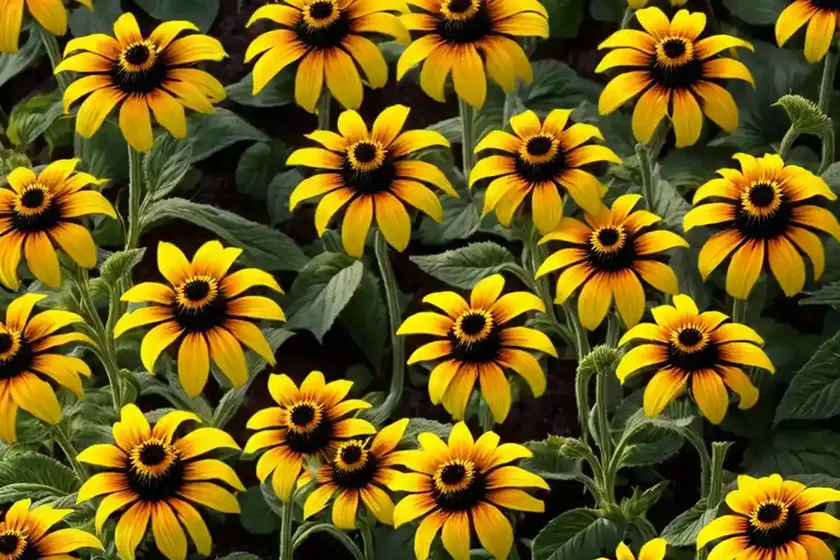
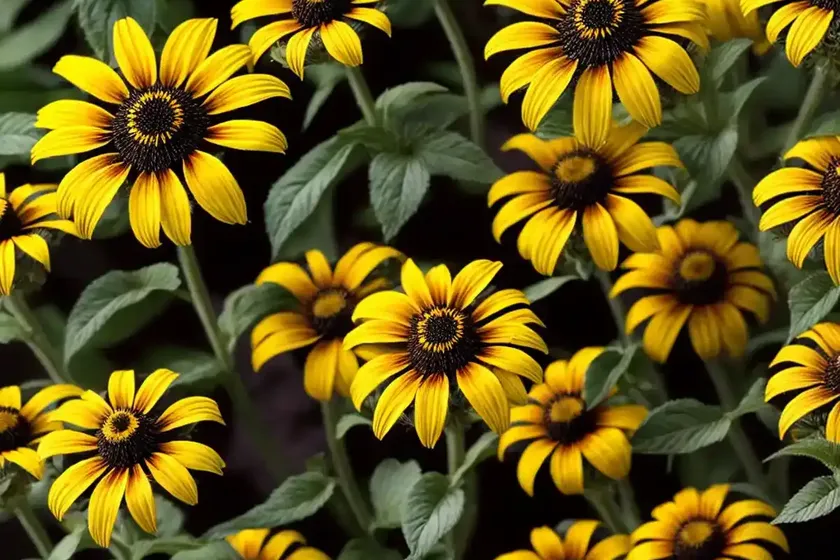
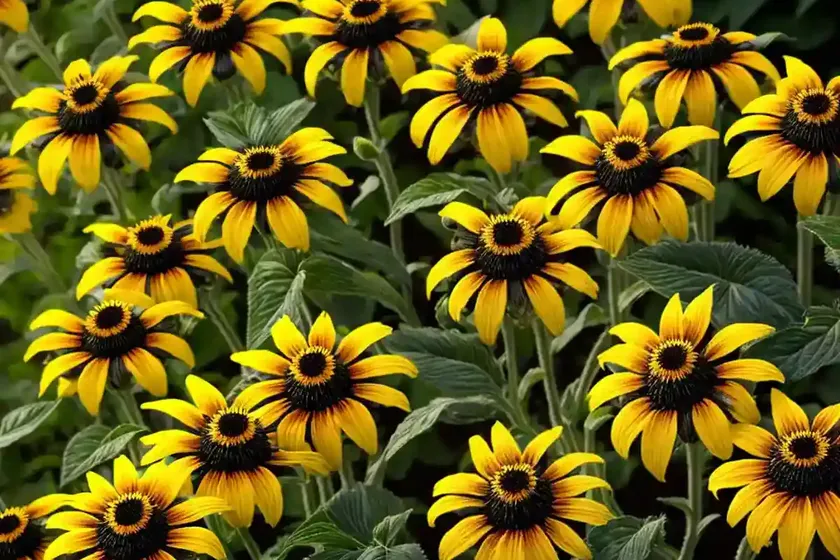
Rudbeckia triloba, commonly known as Brown-Eyed Susan, is a striking perennial plant renowned for its bright yellow flowers with dark brown central disks. This stunning species is a popular choice for gardeners, landscapers, and nature enthusiasts alike due to its resilience, versatility, and aesthetic appeal. In this comprehensive guide, we will delve deep into the world of Rudbeckia triloba, exploring its cultural significance, uses, care requirements, growth habits, and much more. Whether you’re a seasoned botanist, an avid gardener, or someone simply seeking to elevate their knowledge about horticulture, this guide aims to provide a holistic understanding of Rudbeckia triloba.
What is Rudbeckia triloba (Brown-Eyed Susan)?
Rudbeckia triloba, a member of the Asteraceae family, is a native North American plant that adds vibrant color to gardens and natural landscapes. This species is characterized by its distinct features, including deeply toothed leaves, hairy stems, and daisy-like composite flowers. The common name, Brown-Eyed Susan, refers to the dark brown or black central cones of the flowers, which bear a resemblance to the human eye. This plant typically reaches a height of 2 to 4 feet, creating an eye-catching display of golden blooms during its peak season.
Rudbeckia triloba is known for its resilience and adaptability, thriving in various environmental conditions, from full sunlight to partial shade, and in different soil types. Additionally, its ability to attract pollinators, such as butterflies and bees, further enhances its ecological significance.
Key Takeaways – Rudbeckia triloba (Brown-Eyed Susan)
Before we delve into the intricacies of growing and caring for Rudbeckia triloba, let’s take a moment to summarize the key takeaways associated with this captivating plant:
- Rudbeckia triloba, also known as Brown-Eyed Susan, is a native North American perennial.
- The distinctive yellow flowers with dark brown central disks make it an attractive choice for gardens and landscapes.
- This species is highly adaptable, thriving in diverse environmental conditions and soil types.
- Rudbeckia triloba plays a crucial role in supporting pollinators and enhancing biodiversity due to its ability to attract beneficial insects.
- Its cultural significance, medicinal uses, and folklore make it an intriguing subject of study for botanists and horticultural enthusiasts alike.
Now that we have a broad understanding of Rudbeckia triloba, let’s explore the plant’s characteristics, cultural significance, and various aspects of its care and maintenance.
Characteristics of Rudbeckia triloba
Rudbeckia triloba boasts a range of characteristics that contribute to its appeal as a garden favorite. Understanding its physical attributes, growth habits, and ecological role is essential for cultivating a thriving and visually captivating display of Brown-Eyed Susan in different settings.
Botanical Description
To comprehend the intricacies of Rudbeckia triloba, it’s essential to delve into its botanical description. Here are the key features that define this captivating plant:
-
Leaves: The leaves of Rudbeckia triloba are alternate, rough, and hairy, exhibiting a distinctly toothed or serrated margin. The foliage serves as an attractive backdrop for the vibrant yellow flowers, enhancing the overall visual impact of the plant.
-
Flowers: One of the most striking features of Rudbeckia triloba is its flowers. The bright yellow petals radiate from the central disc, which is dark brown or black, earning the plant its common name, Brown-Eyed Susan. Each flower head comprises both ray florets and disc florets, creating a visually captivating composite structure.
-
Stems: The stems of Rudbeckia triloba are hairy and sturdy, providing essential support to the flowers and foliage. These robust stems contribute to the plant’s overall resilience, allowing it to withstand various environmental conditions.
Growth Habits
Rudbeckia triloba exhibits distinct growth habits that make it an appealing choice for gardeners and landscapers. Understanding its growth patterns and developmental stages is crucial for successful cultivation. Some noteworthy growth habits of Rudbeckia triloba include:
-
Height: Typically, Rudbeckia triloba reaches a height of 2 to 4 feet, creating an imposing presence in garden beds, borders, and naturalized landscapes.
-
Spread: The plant has a moderate to wide spread, allowing it to fill in spaces and create a visually dense and vibrant display of flowers.
-
Blooming Period: The blooming period of Rudbeckia triloba spans from midsummer to fall, ensuring an extended duration of color and floral interest in the landscape.
-
Seed Production: As a perennial, Rudbeckia triloba produces seeds that contribute to its naturalization in suitable habitats. The plant’s ability to self-seed allows for natural propagation and the establishment of new colonies over time.
Wildlife Benefits
In addition to its visual appeal, Rudbeckia triloba offers significant benefits to wildlife, particularly beneficial insects and pollinators. The presence of this plant in natural and cultivated landscapes contributes to the ecological balance and supports diverse forms of wildlife. Some of the key wildlife benefits associated with Rudbeckia triloba include:
-
Attracting Pollinators: The bright yellow flowers of Rudbeckia triloba are highly attractive to pollinators such as bees, butterflies, and other nectar-seeking insects. By providing a rich nectar source, the plant plays a vital role in supporting these essential pollinators.
-
Ecological Diversity: Rudbeckia triloba contributes to the overall biodiversity of an area by serving as a valuable food and habitat source for numerous insect species, thereby enhancing the ecological resilience and balance.
-
Seed Dispersal: The production of seeds by Rudbeckia triloba supports the process of seed dispersal, contributing to the establishment and spread of this species in naturalized areas. This, in turn, supports the habitat requirements of seed-eating birds and other wildlife.
Landscape Uses
The versatility of Rudbeckia triloba makes it a valuable addition to diverse landscape settings, ranging from formal gardens to naturalized meadows. Understanding its potential applications in landscape design is essential for harnessing its visual impact and ecological benefits. Some key landscape uses of Rudbeckia triloba include:
-
Garden Borders: The bold and vibrant presence of Rudbeckia triloba makes it an ideal candidate for garden borders and edging, providing a striking contrast to adjacent foliage and complementing various flowering plants.
-
Naturalized Areas: In meadows, prairies, and other naturalized landscapes, Rudbeckia triloba contributes to the aesthetic appeal and ecological functionality, enhancing the visual interest and supporting wildlife diversity.
-
Pollinator Gardens: Due to its ability to attract and support pollinators, Rudbeckia triloba is an essential component of pollinator gardens, where it plays a vital role in promoting the health and abundance of beneficial insects.
-
Cut Flower Gardens: The long stems and vibrant flowers of Rudbeckia triloba make it an excellent choice for cut flower gardens, providing abundant material for floral arrangements and decorative displays.
As we delve deeper into the realm of Rudbeckia triloba, it becomes apparent that this plant is not only visually striking but also ecologically significant, contributing to the well-being of pollinators and the overall diversity of natural ecosystems.
Cultivation and Care of Rudbeckia triloba
Successfully cultivating Rudbeckia triloba hinges on a comprehensive understanding of its cultural requirements, including water, sunlight, soil, and fertilization needs. By providing optimal growing conditions and adhering to appropriate care practices, gardeners can ensure the vigorous growth and prolific flowering of this captivating species.
Sunlight Requirements
Rudbeckia triloba thrives in full sunlight, displaying its best growth and flowering performance when provided with at least 6 to 8 hours of direct sunlight per day. As such, when selecting a planting site for Rudbeckia triloba, it is essential to prioritize locations that receive ample sunshine, ensuring the plant’s overall vigor and floral abundance.
Brown-Eyed Susan Sun Requirements:
– Full Sunlight (6 to 8 hours/day)
– Tolerant of Partial Shade (Reduced flowering may occur)
Watering Needs
In terms of water requirements, Rudbeckia triloba exhibits moderate drought tolerance once established, making it suitable for various climate zones. During the initial establishment phase and periods of extended drought, supplemental watering can aid in promoting healthy growth and robust flowering.
Brown-Eyed Susan Water Requirements:
– Regular Watering During Establishment (First 1-2 Seasons)
– Moderate Drought Tolerance (Reduced watering once established)
– Avoid Waterlogged Soils (Well-drained soil is crucial for plant health)
Soil Preferences
Rudbeckia triloba adapts well to a range of soil types, provided they offer good drainage and aeration. Loamy, well-drained soils with a slightly acidic to neutral pH are particularly well-suited for the cultivation of this species. To support healthy root development and overall plant vitality, it is advisable to prepare the soil with organic matter and ensure proper drainage.
Brown-Eyed Susan Soil Preferences:
– Well-Drained, Loamy Soils
– Slightly Acidic to Neutral pH (6.0-7.0)
– Organic Matter Amendment for Enhanced Soil Fertility and Structure
Fertilization
In terms of fertilization, Rudbeckia triloba responds well to balanced, slow-release fertilizers applied during the growing season. While the plant is relatively low-maintenance, providing essential nutrients can promote vigorous growth and abundant flowering. Organic fertilizers, such as compost or well-aged manure, can be particularly beneficial for the long-term health of Rudbeckia triloba and the surrounding ecosystem.
Brown-Eyed Susan Fertilization:
– Balanced, Slow-Release Fertilizers
– Organic Amendments (Compost, Manure) for Soil Enrichment
– Avoid Excessive Nitrogen (Promotes vegetative growth at the expense of flowering)
Pruning and Maintenance
Rudbeckia triloba generally requires minimal pruning and maintenance, making it a low-effort addition to garden landscapes. However, deadheading spent flowers can encourage prolonged blooming and prevent self-seeding in managed settings. Regular removal of diseased or damaged foliage is also advisable to maintain the plant’s overall health and aesthetic appeal.
Brown-Eyed Susan Pruning and Maintenance:
– Deadheading Spent Flowers for Prolonged Blooming
– Removal of Diseased or Damaged Foliage
– Minimal Pruning Required for Overall Vigorous Growth
As we delve deeper into the care requirements of Rudbeckia triloba, we unveil the elements that contribute to the successful cultivation and maintenance of this captivating species. By addressing its water, sunlight, soil, and fertilization needs, gardeners can establish a thriving population of Brown-Eyed Susan, bringing forth its charming display of golden blooms to the landscape.
Propagation and Division Techniques
Rudbeckia triloba can be propagated through various methods, including seed sowing, division, and cuttings, each offering unique advantages in terms of efficiency and genetic diversity. By understanding the nuances of these propagation techniques, individuals can expand their horticultural repertoire and facilitate the proliferation of this captivating plant.
Seed Propagation
The propagation of Rudbeckia triloba from seeds is a straightforward and cost-effective method that enables the cultivation of new plants with a diverse genetic makeup. Whether collected from existing plants or obtained from reputable seed sources, Brown-Eyed Susan seeds can be sown directly into prepared soil or started indoors for subsequent transplantation.
Brown-Eyed Susan Seed Propagation:
– Collect mature seeds from existing plants
– Direct Seeding or Indoor Sowing
– Provide Adequate Moisture and Light for Germination
Division Technique
Division is another effective method for propagating Rudbeckia triloba, particularly when rejuvenating established clumps or expanding the plant population. This technique involves separating the root mass of mature plants into smaller divisions, each capable of independent growth.
Brown-Eyed Susan Division Technique:
– Rejuvenate established clumps through division
– Separate root mass into smaller divisions
– Replant divisions in suitable locations with appropriate care
Cuttings and Transplantation
While less commonly employed, Rudbeckia triloba can also be propagated from stem cuttings, allowing for the production of new plants with identical genetic traits to the parent plant. This method can be particularly useful in controlled breeding programs and the conservation of desirable cultivars.
Brown-Eyed Susan Cuttings and Transplantation:
– Collect stem cuttings from healthy plants
– Root cuttings in suitable propagation medium
– Transplant rooted cuttings to desired locations
Understanding the intricacies of propagation and division techniques for Rudbeckia triloba equips individuals with the knowledge and skills required to expand the presence of this species in diverse settings, thereby enhancing its ornamental and ecological value.
Container Gardening with Rudbeckia triloba
Rudbeckia triloba is well-suited for container gardening, offering a versatile and visually appealing option for individuals with limited outdoor space or those seeking to create dynamic and portable displays of floral beauty. By understanding the key considerations and best practices for container cultivation, individuals can harness the ornamental potential of Brown-Eyed Susan in diverse urban and suburban settings.
Popularity in Container Gardening
The striking appearance and adaptability of Rudbeckia triloba have contributed to its popularity in container gardening, where it serves as a focal point in patio displays, balcony gardens, and other confined spaces. The vibrant yellow flowers and robust growth habits make it an excellent choice for containers of varying sizes, creating a captivating visual impact.
Container Gardening Popularity:
– Favored for patio, balcony, and urban gardens
– Ornamental value in confined spaces
– Vibrant display of flowers in containers
Cultivation Practices
When cultivating Rudbeckia triloba in containers, several key practices should be observed to ensure the optimal growth and flowering of the plant. Adequate container size, appropriate soil mix, and regular maintenance are crucial components of successful container gardening with Brown-Eyed Susan.
Container Gardening Practices:
– Select containers with sufficient depth and drainage holes
– Use well-draining potting mix with organic amendments
– Monitor watering and fertilization requirements
Advantages and Considerations
Container gardening with Rudbeckia triloba offers several distinct advantages, ranging from portability and versatility to the creation of vibrant focal points in outdoor and indoor settings. When integrated into container displays, Brown-Eyed Susan contributes to the overall aesthetic appeal and ecological functionality of the garden environment.
Container Gardening Advantages:
– Versatile option for urban and suburban gardens
– Create dynamic visual displays in confined spaces
– Portable ornamental value in outdoor and indoor settings
Common Diseases and Pest Management
While Rudbeckia triloba is generally resistant to most diseases and pests, specific issues may arise in certain growing conditions. Identifying common diseases and pests that affect this species is essential for implementing timely and effective management strategies to safeguard its health and vitality.
Common Diseases
Rudbeckia triloba is susceptible to certain diseases that can impact its overall vigor and aesthetic appeal. Recognizing the symptoms and causal agents of these diseases allows for prompt intervention and mitigation of their effects.
Disease Diagnosis
-
Leaf Spot: Characterized by dark, irregular spots or lesions on the foliage, leaf spot can affect the overall health and appearance of Rudbeckia triloba. It is often caused by fungal pathogens and can lead to defoliation if left unchecked.
-
Powdery Mildew: A common fungal disease, powdery mildew manifests as a powdery white coating on the leaves and stems of the plant, inhibiting photosynthesis and weakening the plant over time.
Disease Management
To manage common diseases affecting Rudbeckia triloba, it is essential to implement preventive measures and targeted interventions. These may include cultural practices, chemical treatments, and the use of disease-resistant cultivars.
Disease Management Strategies:
– Maintain adequate air circulation and spacing between plants
– Remove and dispose of infected plant materials
– Apply fungicidal treatments as a last resort
Common Pests
While Rudbeckia triloba is relatively resistant to pests, certain insects and arthropods may pose a threat to the plant’s overall health and appearance. Identifying and addressing common pests is crucial for preserving the vitality of Brown-Eyed Susan in various settings.
Pest Identification
-
Aphids: These small, soft-bodied insects can infest the foliage and stems of Rudbeckia triloba, causing distorted growth and the secretion of honeydew.
-
Spider Mites: Spider mites are tiny arachnids that feed on the undersides of leaves, causing stippling and discoloration, ultimately weakening the plant.
Pest Management
To manage common pests infesting Rudbeckia triloba, integrated pest management strategies can be employed, emphasizing cultural, mechanical, and biological control methods before resorting to chemical treatments.
Pest Management Strategies:
– Introduce natural predators of aphids and spider mites
– Hose off foliage to dislodge and control pest populations
– Utilize insecticidal soaps or horticultural oils as a least-toxic option
Effective management of diseases and pests ensures the continued health and vigor of Rudbeckia triloba, allowing for its sustained ornamental and ecological value in diverse garden and landscape settings.
Botanist’s Tips for Growing Rudbeckia triloba
As a botanist or horticultural enthusiast, harnessing the key insights and practical tips for growing Rudbeckia triloba enables individuals to cultivate this captivating species with confidence and success. By incorporating botanist’s tips into cultivation practices, both novices and seasoned gardeners can elevate their proficiency in managing and appreciating the ornamental and ecological significance of Brown-Eyed Susan.
Cultural Considerations
- Utilize native genotypes and locally adapted cultivars for enhanced resilience and ecological compatibility.
- Encourage natural colonization of Rudbeckia triloba in appropriate habitats by providing suitable growing conditions and minimizing disturbances.
Wildlife Conservation
- Emphasize the significance of Rudbeckia triloba as a valuable resource for pollinators and beneficial insects in educational outreach and conservation initiatives.
- Integrate Rudbeckia triloba into habitat restoration and enhancement projects to support wildlife diversity and ecological resilience.
Ornamental Applications
- Explore the diverse applications of Rudbeckia triloba in landscape design, emphasizing its adaptability and visual impact in various settings.
- Showcase the ornamental and ecological value of Rudbeckia triloba through curated displays and demonstrations in public gardens and educational institutions.
By intertwining the scientific principles of botany with practical insights and recommendations, botanists and horticultural professionals can guide the cultivation and appreciation of Rudbeckia triloba, fostering a deeper connection with this captivating species and its ecological significance.
Fun Facts About Rudbeckia triloba
Beyond its botanical and horticultural attributes, Rudbeckia triloba is replete with fascinating and engaging traits that contribute to its allure and cultural significance. Exploring these fun facts allows individuals to develop a comprehensive understanding of the plant, transcending its ornamental appeal to encompass its ecological, medicinal, and historical dimensions.
Native American Medicinal Uses
- Indigenous tribes utilized the roots of