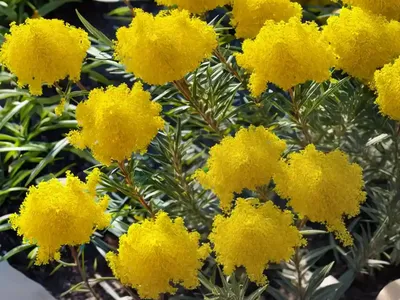
Rudbeckia Subtomentosa ‘Little Henry’ (Sweet Coneflower)
Rudbeckia subtomentosa ‘Little Henry’, commonly known as Sweet Coneflower ‘Little Henry’, is a stunning perennial plant that has garnered popularity among.



Rudbeckia subtomentosa ‘Little Henry’, commonly known as Sweet Coneflower ‘Little Henry’, is a stunning perennial plant that has garnered popularity among gardeners and plant enthusiasts. Native to North America, this beautiful flowering plant belongs to the sunflower family, Asteraceae, and is highly valued for its vibrant appearance and low-maintenance nature.
In this comprehensive guide, we will delve into the various aspects of Rudbeckia subtomentosa ‘Little Henry’, from its cultural requirements to its uses in landscaping and gardening. Whether you are a beginner looking to incorporate this plant into your garden or an experienced gardener seeking to enhance your knowledge, this article will provide invaluable insights into the world of Sweet Coneflower ‘Little Henry’.
What is Plant: Rudbeckia Subtomentosa ‘Little Henry’?
Rudbeckia subtomentosa ‘Little Henry’, a cultivar of Rudbeckia subtomentosa, is a herbaceous perennial with eye-catching yellow flowers that bloom from mid to late summer. The plant is characterized by its compact growth habit, making it an excellent choice for gardens and landscapes with limited space. As a native wildflower, Sweet Coneflower ‘Little Henry’ also contributes to supporting local ecosystems and wildlife.
Key Takeaways – Rudbeckia Subtomentosa ‘Little Henry’
- Scientific Name: Rudbeckia subtomentosa ‘Little Henry’
- Common Name: Sweet Coneflower ‘Little Henry’
- Family: Asteraceae
- Plant Type: Herbaceous Perennial
- Mature Height: 24-30 inches
- Mature Spread: 18-24 inches
- Bloom Time: Mid to Late Summer
- USDA Hardiness Zones: 4-9
Now, let’s explore the various aspects of cultivating and caring for Rudbeckia subtomentosa ‘Little Henry’, including its cultural requirements, uses, common diseases, and maintenance tips.
Culture
Cultivating Rudbeckia subtomentosa ‘Little Henry’ successfully involves understanding its cultural requirements, including water, sunlight, fertilizer, soil, and pruning. By meeting these needs, you can ensure the plant thrives and produces an abundance of beautiful blooms.
Water
Sweet Coneflower ‘Little Henry’ is relatively drought-tolerant once established, making it suitable for gardens in various climate zones. However, adequate moisture is crucial during the plant’s establishment phase and in periods of prolonged drought. It is best to provide regular watering, especially during hot and dry spells, to promote healthy growth and flowering.
Sunlight
Being a sun-loving plant, Rudbeckia subtomentosa ‘Little Henry’ thrives in full sun to partial shade. It is essential to position the plant in a location where it receives at least 6-8 hours of direct sunlight daily to support robust growth and prolific blooming.
Fertilizer
While Sweet Coneflower ‘Little Henry’ is not overly demanding in terms of fertilization, adding a balanced, slow-release fertilizer during the growing season can enhance its overall vigor and flower production. Opt for a fertilizer with a higher phosphorus content to promote healthy root development and abundant blooms.
Soil
This perennial plant prefers well-draining soil with a loamy or sandy texture. It can adapt to various soil types, including clay, as long as there is adequate drainage. Amending the soil with organic matter, such as compost or peat moss, can improve its fertility and structure, subsequently benefiting the plant’s growth.
Pruning
Pruning is generally minimal for Rudbeckia subtomentosa ‘Little Henry’. Deadheading spent flowers can extend the blooming period and prevent self-seeding, especially if you want to control its spread within the garden. Additionally, removing any withered or diseased foliage helps maintain the plant’s overall health and appearance.
Uses
Rudbeckia subtomentosa ‘Little Henry’ offers a myriad of uses in landscaping, gardening, and even in supporting local ecosystems. Understanding these uses can inspire gardeners and landscapers to incorporate this vibrant plant into their outdoor spaces creatively.
-
Garden Beds and Borders: The eye-catching blooms of Sweet Coneflower ‘Little Henry’ make it an ideal choice for planting in garden beds and borders, where its vibrant yellow flowers can create striking visual impact during the summer months.
-
Wildlife Gardens: As a native wildflower, this plant is highly attractive to pollinators, such as bees and butterflies, making it a valuable addition to wildlife-friendly gardens aimed at supporting local insect populations.
-
Cut Flower Arrangements: The long-lasting blooms of Rudbeckia subtomentosa ‘Little Henry’ make it a fantastic cut flower for creating stunning floral arrangements. Its vibrant color and sturdy stems contribute to the beauty and longevity of bouquets.
-
Naturalized Areas: Given its native origins, Sweet Coneflower ‘Little Henry’ can thrive in naturalized or prairie-style plantings, contributing to the restoration of natural habitats and the promotion of biodiversity.
Propagation
Understanding the propagation methods for Rudbeckia subtomentosa ‘Little Henry’ enables gardeners to expand their plant collection and share this beautiful perennial with others. The plant can be propagated through various techniques, including division and seed sowing.
-
Division: Propagating Sweet Coneflower ‘Little Henry’ through division involves separating the plant’s root clumps and replanting them to establish new individuals. This method is best carried out in early spring or early fall.
-
Seed Sowing: Collecting and sowing the plant’s seeds is another effective way of propagating Rudbeckia subtomentosa ‘Little Henry’. This method allows for the production of numerous plants, which can be grown or shared with fellow gardening enthusiasts.
Container Popularity
While Rudbeckia subtomentosa ‘Little Henry’ is often grown in traditional garden beds, it is also well-suited for container cultivation. The compact growth habit and vibrant blooms of Sweet Coneflower ‘Little Henry’ make it an excellent choice for adding color and charm to container gardens on patios, balconies, or other outdoor spaces with limited planting areas.
When selecting a container for this plant, opt for a size that accommodates its mature growth and allows for adequate root development. Ensure the container has drainage holes to prevent waterlogging, and use a high-quality potting mix that provides good aeration and drainage.
Common Diseases
While Rudbeckia subtomentosa ‘Little Henry’ is known for its overall resilience, it is susceptible to certain diseases that can impact its health and appearance if left unmanaged. Recognizing these common diseases and their symptoms can help gardeners take proactive measures to protect their Sweet Coneflower ‘Little Henry’ plants.
Disease Diagnosis
-
Powdery Mildew: A fungal disease characterized by the appearance of white, powdery patches on the plant’s foliage. It can affect the overall vigor and aesthetics of the plant if not addressed promptly.
-
Septoria Leaf Spot: This disease presents as small, dark spots on the plant’s leaves, often leading to leaf yellowing and premature defoliation if the infection is severe.
-
Root Rot: Excessive moisture or poorly-drained soil can promote the development of root rot in Rudbeckia subtomentosa ‘Little Henry’. Symptoms include wilting, yellowing foliage, and overall decline in plant health.
Common Pests
In addition to diseases, Sweet Coneflower ‘Little Henry’ may also attract certain pests that can affect its growth and vitality. Understanding these common pests and implementing appropriate pest management strategies is essential for safeguarding the health of the plant.
-
Aphids: These small, sap-sucking insects can cluster on the plant’s tender new growth and flower buds, potentially causing distortion and discoloration of the affected plant parts.
-
Japanese Beetles: These voracious feeders can skeletonize the foliage of Rudbeckia subtomentosa ‘Little Henry’ if present in high numbers, leading to a decline in overall plant vigor.
-
Slugs and Snails: These mollusks are known to feed on the plant’s tender foliage, leaving behind irregular holes and damage.
Botanist’s Tips
As a plant scientist, I offer the following tips for successfully growing and caring for Rudbeckia subtomentosa ‘Little Henry’ in your garden or landscape:
-
Ample Sunlight: Ensure the plant is positioned in a location that receives sufficient sunlight, promoting robust growth and prolific flowering.
-
Consistent Moisture: While drought-tolerant once established, regular watering during periods of dryness is crucial for maintaining optimal plant health.
-
Well-Drained Soil: Plant Sweet Coneflower ‘Little Henry’ in soil with good drainage to prevent waterlogging, which can lead to root-related issues.
-
Deadheading: Regularly remove spent flowers to prolong the blooming period and prevent self-seeding if desired.
-
Disease Monitoring: Keep an eye on the plant for any signs of powdery mildew, leaf spot, or root rot, and take prompt action if symptoms are observed.
-
Pest Vigilance: Monitor the plant for aphids, Japanese beetles, and slugs, and implement integrated pest management strategies as needed to mitigate pest damage.
Fun Facts
Here are some fascinating and lesser-known facts about Rudbeckia subtomentosa ‘Little Henry’, offering insights into the unique characteristics and attributes of this captivating plant:
- The specific epithet “subtomentosa” refers to the plant’s fuzzy or downy foliage, adding to its ornamental appeal and texture.
- Sweet Coneflower ‘Little Henry’ is a magnet for pollinators, drawing in bees, butterflies, and other beneficial insects to the garden.
- This perennial plant is renowned for its long-lasting blooms, brightening up the garden with its cheerful yellow flowers throughout the summer.
- In addition to its ornamental value, Sweet Coneflower ‘Little Henry’ has ecological significance, contributing to the local ecosystem as a native wildflower.
- The plant’s low-maintenance nature makes it an excellent choice for both beginner and experienced gardeners, requiring minimal care once established.
Links to External Resources
For further information and insights on Rudbeckia subtomentosa ‘Little Henry’, and to explore additional resources, consider the following external links:
- The Perennial Plant Association
- Missouri Botanical Garden – Rudbeckia subtomentosa
- University of Vermont Extension – Rudbeckia: Black-Eyed Susans
- American Horticultural Society
- North Carolina State Extension – Growing Rudbeckia
- National Gardening Association
In conclusion, Rudbeckia subtomentosa ‘Little Henry’ stands as a captivating and versatile perennial plant that embodies both ornamental beauty and ecological value. Whether adorning garden beds, attracting pollinators, or brightening up container gardens, this charming plant has much to offer to gardening enthusiasts and nature lovers alike. By understanding its cultural needs, uses, and maintenance practices, you can embark on a rewarding journey of growing and nurturing Sweet Coneflower ‘Little Henry’ in your outdoor spaces, contributing to the vibrancy and sustainability of your garden.
Remember to explore the provided external resources for further in-depth information, and stay curious as you continue to discover the wonders of this delightful perennial plant.
Happy Gardening!
Note: The information provided in this article is for educational and informational purposes. Specific growing and care practices may vary based on individual garden conditions and regional differences. Always consult local gardening resources and professionals for tailored guidance and recommendations.