Rudbeckia Maxima (Giant Coneflower)
Rudbeckia maxima, commonly known as the Giant Coneflower, is a striking and robust perennial plant that adds a touch of sunshine to any garden or.
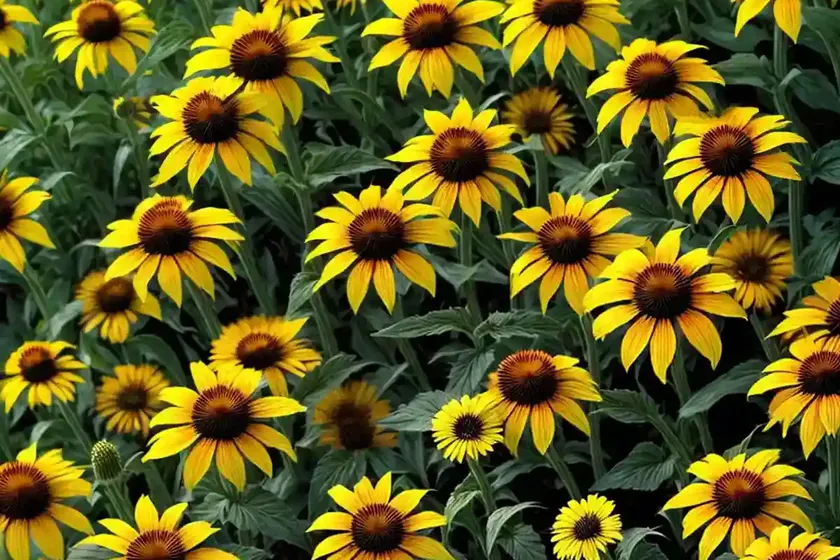
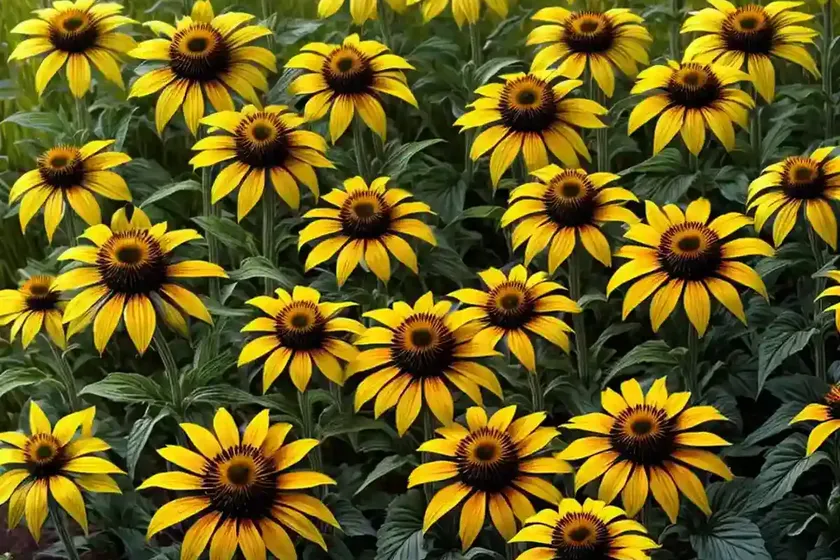
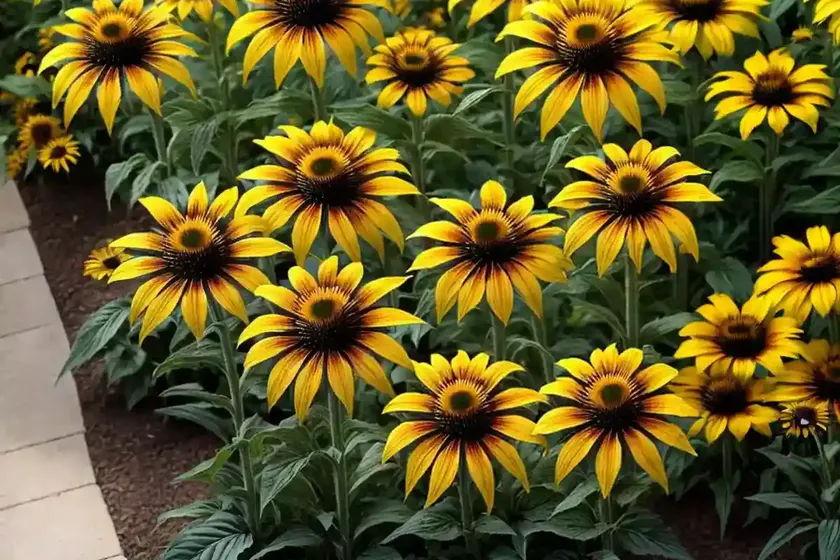
Rudbeckia maxima, commonly known as the Giant Coneflower, is a striking and robust perennial plant that adds a touch of sunshine to any garden or landscape. As a plant scientist, I am always fascinated by the diversity and ecological significance of various plant species, and Rudbeckia maxima is no exception.
In this ultimate guide, we will delve into the characteristics, cultivation, care tips, ecological importance, and much more about Rudbeckia maxima. Whether you are an avid gardener, a landscaping enthusiast, or simply intrigued by the wonders of nature, this comprehensive guide will provide valuable insights into this remarkable plant.
What is Rudbeckia maxima?
Rudbeckia maxima is a species of flowering plant in the family Asteraceae, native to the central United States. It is characterized by its large, daisy-like flowers with prominent cone-shaped centers, which can reach a height of up to 8 feet (2.4 meters). The distinctive blue-green foliage and towering flower stalks make Rudbeckia maxima a focal point in any garden setting.
Key Takeaways – Rudbeckia maxima (Giant Coneflower)
Before we delve into the intricate details of Rudbeckia maxima, let’s take a quick look at the key takeaways that we will explore in this guide:
- Characteristics: Exploring the unique features and attributes of Rudbeckia maxima
- Cultivation: Understanding the cultivation requirements and ideal growing conditions
- Care Guide: Tips and guidelines for maintaining and nurturing Rudbeckia maxima
- Ecological Importance: Highlighting the significance of Rudbeckia maxima in the natural ecosystem
- Disease and Pest Management: Common diseases, pests, and proactive measures for maintaining plant health
- Fun Facts: Intriguing and lesser-known facts about Rudbeckia maxima
Now, let’s embark on a journey to unravel the wonders of Rudbeckia maxima.
Characteristics of Rudbeckia maxima
Giant Coneflower Facts
Rudbeckia maxima is characterized by several distinctive features that set it apart from other flowering plants. Here are some key characteristics that define the beauty of this remarkable species:
| Characteristic | Description |
|---|---|
| Height | Towering flower stalks that can reach up to 8 feet (2.4 meters) |
| Flowers | Large, bright yellow petals resembling daisies, with prominent cone-shaped dark brown centers |
| Foliage | Blue-green, lance-shaped leaves that form a basal rosette, providing an attractive backdrop for the flowers |
| Habitat | Native to the central United States, often found in open woodlands, prairies, and along the edges of streams and rivers |
| Blooming Period | Typically blooms from mid to late summer, producing an abundance of flowers that last for several weeks |
| Wildlife Attraction | Attracts pollinators such as bees and butterflies, and the seeds are favored by birds, adding to its ecological value |
Growing Rudbeckia maxima
Cultivating Rudbeckia maxima in your garden can be a rewarding experience, given the plant’s captivating appearance and low-maintenance nature. Let’s explore the various aspects of growing and caring for this stunning perennial.
Water
Rudbeckia maxima exhibits good drought tolerance once established, making it well-suited for dry and arid landscapes. However, regular watering, especially during the initial establishment phase, is essential to promote healthy root development and robust growth. Watering deeply but infrequently is recommended to encourage deep root penetration and drought resistance.
Sunlight
As a sun-loving plant, Rudbeckia maxima thrives in bright, full sunlight. It should be planted in a location that receives at least 6-8 hours of direct sunlight per day for optimal growth and prolific flowering. Insufficient sunlight may lead to reduced flowering and overall diminished vigor.
Soil
Well-drained soil with a loamy or sandy texture is ideal for Rudbeckia maxima. It prefers moderately fertile soil with a slightly acidic to neutral pH range. Amending the soil with organic matter, such as compost, can improve soil structure and provide essential nutrients for the plant’s growth.
Fertilizer
While Rudbeckia maxima is relatively low-maintenance, occasional fertilization can promote vigorous growth and abundant flowering. A balanced, slow-release fertilizer applied in spring can provide the necessary nutrients to support healthy foliage and prolific blooms. It is important to follow the recommended application rates to prevent over-fertilization, which can lead to excessive vegetative growth at the expense of flowering.
Rudbeckia maxima Care Guide
Proper care and maintenance are crucial for ensuring the longevity and vitality of Rudbeckia maxima in your garden or landscape. Here are some essential care tips to help you cultivate and nurture this magnificent plant:
- Mulching: Applying a layer of organic mulch around the base of the plant helps conserve soil moisture, suppress weed growth, and insulate the roots during temperature fluctuations.
- Deadheading: Removing spent flowers can prolong the blooming period and prevent self-seeding, especially if you prefer to control the spread of the plant in your garden.
- Division: Over time, Rudbeckia maxima may benefit from division to rejuvenate overcrowded clumps and promote better flowering. Dividing the plant every 3-4 years in early spring can help maintain its vigor and vitality.
- Winter Care: In regions with harsh winters, providing a layer of mulch or straw around the base of the plant can offer protection from freezing temperatures and frost heaving.
Propagation of Rudbeckia maxima
Rudbeckia maxima can be propagated through several methods, including division, seed germination, and stem cuttings. Here’s a brief overview of each propagation technique:
- Division: Divide established clumps in early spring to create new plants and rejuvenate older specimens. Ensure that each division has a healthy portion of roots and shoots for successful establishment.
- Seed Germination: Collecting ripe seeds from the flower heads and sowing them in well-prepared soil in late fall or early spring can yield new Rudbeckia maxima plants. Germination typically occurs within 2-3 weeks under favorable conditions.
- Stem Cuttings: While less commonly used, stem cuttings can be taken from healthy, actively growing shoots and rooted in a suitable propagation medium to produce new plants.
Container Popularity
Rudbeckia maxima is well-suited for container gardening, adding vertical interest and vibrant color to patio spaces, balconies, and outdoor entertainment areas. When grown in containers, it is essential to ensure adequate drainage and provide regular watering and fertilization to support healthy growth and flowering.
Common Diseases and Pest Management
As with any plant, Rudbeckia maxima is susceptible to certain diseases and pests, which can impact its overall health and appearance. Understanding how to identify and manage these potential issues is essential for maintaining the plant’s vigor and beauty.
Disease Diagnosis
Common fungal diseases such as powdery mildew and leaf spot may affect Rudbeckia maxima, especially in humid and poorly ventilated conditions. Early signs of these diseases include powdery white patches on the leaves and the development of dark spots or lesions. Proper air circulation, avoiding overhead watering, and applying fungicidal treatments when necessary can help prevent and manage these diseases.
Common Pests
Aphids, spider mites, and caterpillars are among the common pests that may infest Rudbeckia maxima. Regular monitoring of the plant for signs of pest activity, such as distorted growth, stippled leaves, or visible insects, allows for prompt intervention. Natural predators, insecticidal soaps, and horticultural oils can be employed to control pest populations while minimizing harm to beneficial insects and pollinators.
Botanist’s Tips for Cultivating Rudbeckia maxima
As a plant scientist, I often emphasize the importance of observing and understanding the natural habitat and behavior of plants to ensure their successful cultivation. Here are some expert tips for cultivating Rudbeckia maxima:
- Companion Planting: Pair Rudbeckia maxima with other sun-loving perennials such as Echinacea, Salvia, and Coreopsis to create visually appealing and ecologically beneficial plant combinations.
- Pollinator Support: Enhance the pollinator-friendly nature of Rudbeckia maxima by incorporating a diverse range of nectar-rich plants to attract and sustain beneficial insects and butterflies.
- Selective Pruning: Remove any dead or damaged foliage and spent flowers to promote tidiness and prevent the spread of diseases while allowing the plant to allocate its energy towards healthy growth and flowering.
Fun Facts about Rudbeckia maxima
While exploring the captivating world of Rudbeckia maxima, it’s always fascinating to uncover lesser-known facts and trivia about the plant. Here are some fun facts that shed light on the unique attributes of this remarkable species:
- The species name “maxima” alludes to the plant’s impressive height, with the towering flower stalks standing as a prominent feature in the landscape.
- Rudbeckia maxima is an important food source for pollinators, especially during late summer when nectar and pollen resources may become limited.
- Bird enthusiasts often appreciate Rudbeckia maxima for the abundance of seeds it produces, which are eagerly sought after by finches and other seed-eating birds.
Links to External Resources
For further exploration and reference, I have compiled a list of reputable external resources that provide valuable insights into Rudbeckia maxima and related topics:
- The American Horticultural Society – Plant Propagation
- Pollinator Partnership – Gardening for Pollinators
- The National Gardening Association – Container Gardening Guide
Conclusion
Rudbeckia maxima, or the Giant Coneflower, stands as a testament to the beauty and resilience of native wildflowers. Its stunning appearance, ecological significance, and low-maintenance nature make it a favorite among gardeners, landscapers, and nature enthusiasts alike.
As we conclude this ultimate guide to Rudbeckia maxima, I hope that you have gained a profound appreciation for the myriad attributes and virtues of this exceptional plant. Whether adorning a sunny border, accentuating a prairie planting, or gracing a container display, Rudbeckia maxima continues to captivate and inspire with its enduring charm and ecological value.
Through understanding the cultivation and care requirements of Rudbeckia maxima, we can further embrace the rich tapestry of plant life and contribute to the preservation and promotion of native flora in our landscapes and natural habitats.
Remember, the next time you encounter the majestic blooms of Rudbeckia maxima, take a moment to marvel at the intricate dance of nature and the boundless wonders it bestows upon us.
In this blog post, we have explored the captivating world of Rudbeckia maxima, shedding light on its characteristics, cultivation, care tips, ecological importance, and fascinating fun facts. Whether you are a seasoned gardener, a nature enthusiast, or a curious learner, Rudbeckia maxima offers a treasure trove of beauty and ecological significance that continues to inspire and enrich our natural world.
As a plant scientist, I am deeply passionate about unraveling the mysteries and marvels of plant life, and Rudbeckia maxima stands as a shining example of the resplendent diversity and ecological importance of native flora. As we continue to celebrate and steward the emerald tapestry of our landscapes, may the Giant Coneflower, with its golden blooms and towering stature, stand as a testament to the enduring splendor and resilience of nature’s creations.