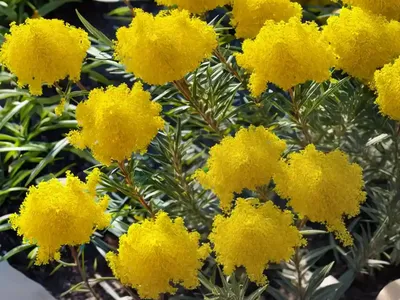
Rudbeckia Hirta ‘Toto’ (Black-Eyed Susan)
Rudbeckia hirta ‘Toto’ (commonly known as Black-Eyed Susan) is a stunning perennial flower that has become a favorite in gardens and landscapes due to its.



Rudbeckia hirta ‘Toto’ (commonly known as Black-Eyed Susan) is a stunning perennial flower that has become a favorite in gardens and landscapes due to its bright and cheery blooms. This plant is a part of the sunflower family and is native to North America. The ‘Toto’ cultivar of Rudbeckia hirta is particularly prized for its compact size and profuse flowering. If you’re considering adding this beautiful plant to your garden or landscape, this comprehensive care guide will provide you with all the essential information to ensure the healthy growth of your Black-Eyed Susan plants.
What is Rudbeckia hirta ‘Toto’ (Black-Eyed Susan)?
Rudbeckia hirta ‘Toto’ is a compact and dwarf variety of the popular Black-Eyed Susan plants. With its bright yellow or orange daisy-like flowers and dark central cones, this cultivar adds vibrant color and visual interest to any outdoor space.
Key Takeaways – Rudbeckia hirta ‘Toto’ (Black-Eyed Susan)
- Common Name: Black-Eyed Susan
- Botanical Name: Rudbeckia hirta ‘Toto’
- Plant Type: Perennial
- Flower Color: Yellow, Orange
- Bloom Time: Summer to Fall
- Height: 12-18 inches (30-45 cm)
- Spread: 12-18 inches (30-45 cm)
Culture
Uses
Rudbeckia hirta ‘Toto’ is widely used in gardens, landscapes, and floral arrangements. Its compact size makes it suitable for borders, containers, and mass plantings. The abundant blooms of the ‘Toto’ cultivar also make it an excellent choice for attracting pollinators such as bees and butterflies.
Water
Black-Eyed Susan plants prefer moderate and consistent moisture. Adequate watering is essential, especially during dry spells or prolonged periods of heat. However, it is important to ensure that the soil is well-drained to prevent waterlogging, which can be detrimental to the plant’s health.
Sunlight
These sun-loving plants thrive in full sun to partial shade. Providing them with at least 6-8 hours of direct sunlight each day will promote robust growth and abundant flowering. In shadier locations, the plants may exhibit reduced flowering and elongated growth.
Fertilizer
Applying a balanced, slow-release fertilizer in the spring can support the growth and blooming of Rudbeckia hirta ‘Toto’. Additionally, supplementing with a bloom-boosting fertilizer during the growing season can further enhance the vibrancy of the flowers.
Soil
Well-drained, loamy soil with a slightly acidic to neutral pH is ideal for Black-Eyed Susan plants. Amending the soil with organic matter, such as compost, can improve its texture and fertility, providing a conducive environment for the roots to establish and thrive.
Pruning
As the flowers of Rudbeckia hirta ‘Toto’ fade, deadheading them can prolong the blooming period and encourage the plant to produce new flowers. Additionally, removing any spent or diseased foliage can help maintain the plant’s overall health and appearance.
Propagation
Rudbeckia hirta ‘Toto’ can be propagated from seed, division, or cuttings. Sowing seeds indoors 6-8 weeks before the last frost date can give the plants a head start. Division should be carried out in the early spring or fall, while stem cuttings can be taken in the spring or early summer.
Container Popularity
The compact size and colorful blooms of the ‘Toto’ cultivar make it highly popular for container gardening. Whether grown in individual pots or combined with other complementary plants, Black-Eyed Susan plants add a cheerful and eye-catching element to any container garden.
Common Diseases
While Rudbeckia hirta ‘Toto’ is relatively resilient, it can be susceptible to certain diseases, particularly if grown in conditions that are not optimal. Common diseases that may affect Black-Eyed Susan plants include:
- Powdery Mildew: This fungal disease can cause a powdery white coating to form on the leaves, leading to stunted growth and diminished flowering.
- Leaf Spot: Characterized by dark spots on the foliage, leaf spot can weaken the plant and reduce its ornamental value.
- Root Rot: Overly wet and poorly drained soil can lead to root rot, resulting in wilting, yellowing, and eventual death of the plant.
Disease Diagnosis
Diagnosing plant diseases can be challenging, especially for inexperienced gardeners. However, vigilant monitoring of the plants for any unusual symptoms, combined with timely action, can help prevent the spread of diseases and minimize their impact on the overall health of the garden.
Common Pests
Black-Eyed Susan plants are generally resistant to most pests. However, they may occasionally encounter attacks from certain insects, including aphids, Japanese beetles, and caterpillars. Regular inspection of the plants can help detect any pest infestations early, enabling appropriate measures to be taken to mitigate the damage.
Botanist’s Tips
- Select a planting location with well-drained soil and ample sunlight to promote healthy growth and abundant flowering.
- Provide consistent moisture, especially during the establishment phase, to encourage robust root development.
- Deadhead the faded flowers to prolong the blooming period and maintain the plant’s visual appeal.
- Monitor the plants regularly for signs of pests and diseases, and take prompt action to prevent their spread.
Fun Facts
- The name “Black-Eyed Susan” is thought to have originated from an English poem by John Gay, rather than from any characteristic of the plant itself.
- Rudbeckia hirta ‘Toto’ is a favorite among pollinators, making it a valuable addition to wildlife-friendly gardens.
- The vibrant flowers of the ‘Toto’ cultivar make it an excellent choice for cut flower arrangements, adding a touch of natural beauty to indoor spaces.
Links to External Resources
For more information on the care and cultivation of Rudbeckia hirta ‘Toto’ (Black-Eyed Susan), consider exploring the following resources:
- The Old Farmer’s Almanac – Black-Eyed Susans
- Missouri Botanical Garden – Rudbeckia hirta ‘Toto’
- University of Maryland Extension – Black-Eyed Susan
In conclusion, Rudbeckia hirta ‘Toto’ is a delightful and versatile plant that can enhance any garden or landscape with its cheerful blooms and compact growth habit. By providing the appropriate cultural conditions and proactive care, you can enjoy the beauty of Black-Eyed Susan plants throughout the growing season, while also contributing to the ecological diversity of your outdoor environment. Whether planted in beds, borders, containers, or floral arrangements, the ‘Toto’ cultivar of Rudbeckia hirta is sure to captivate and enchant all who encounter it.
Remember to fully immerse yourself in this remarkable species to gain a deep understanding of its unique requirements and characteristics. With the information provided in this guide and further exploration of the recommended resources, you can embark on a rewarding journey of nurturing and appreciating the captivating beauty of Rudbeckia hirta ‘Toto’ – the beloved Black-Eyed Susan.