Rudbeckia Hirta (Black-Eyed Susan)
Plants play a vital role in our environment, providing food, shelter, and beauty. Rudbeckia hirta, commonly known as Black-Eyed Susan, is a stunning native.
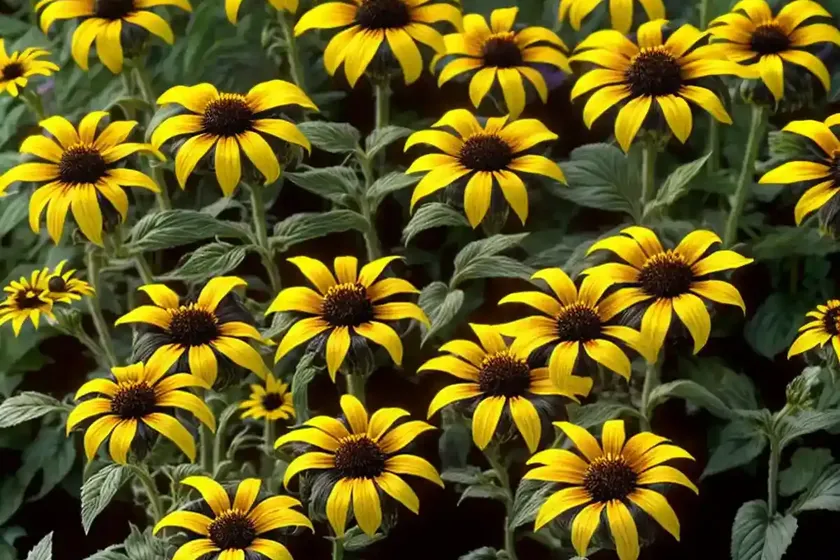


Plants play a vital role in our environment, providing food, shelter, and beauty. Rudbeckia hirta, commonly known as Black-Eyed Susan, is a stunning native plant that captures the essence of summer with its bright yellow blossoms and dark centers. Whether you’re an experienced gardener or just starting, Rudbeckia hirta is a versatile and resilient plant that can thrive in a variety of conditions. In this comprehensive guide, we’ll delve into the characteristics, culture, care tips, uses, and much more about Rudbeckia hirta.
What is Rudbeckia hirta (Black-Eyed Susan)?
Rudbeckia hirta, a member of the Asteraceae family, is a North American native plant that is widely recognized for its daisy-like flowers. This herbaceous perennial is known for its vibrant yellow petals, which surround a dark, domed center, giving it the appearance of a “black eye,” hence the common name Black-Eyed Susan.
This plant is a versatile and low-maintenance addition to gardens, prairies, and natural landscapes. It attracts pollinators, such as bees and butterflies, and is often used in wildflower meadows, borders, and container gardens.
Key Takeaways – Rudbeckia hirta (Black-Eyed Susan)
Before we delve deeper into the specifics of growing and caring for Rudbeckia hirta, let’s outline the key takeaways:
- Plant Name: Rudbeckia hirta (Black-Eyed Susan)
- Plant Type: Herbaceous perennial
- Sunlight Requirements: Full to partial sun
- Watering Needs: Moderate to low water requirements
- Ideal Soil Type: Well-draining, fertile soil
- Height: Typically reaches 2-3 feet in height
- Bloom Time: Late summer to early fall
- Uses: Suitable for borders, meadows, naturalized areas, and cut flower arrangements
- Characteristics: Bright yellow, daisy-like flowers with dark centers
- Propagation Methods: Seeds, division of rhizomes
- Popularity: Widely cultivated for its ornamental value and ecological benefits
Now that we have an overview of Rudbeckia hirta, let’s explore the specific aspects of its culture, care, and uses in greater detail.
Culture
Understanding the cultural needs of Rudbeckia hirta is essential to ensure its thriving growth and development. From sunlight and water requirements to soil preferences, each aspect contributes to the plant’s overall health.
Sunlight
Sunlight Requirements for Rudbeckia hirta:
Rudbeckia hirta thrives in full to partial sun. It performs best when provided with at least 6-8 hours of direct sunlight each day. Adequate sunlight promotes robust growth and the abundant production of its signature yellow blooms.
Water
Watering Needs of Black-Eyed Susan:
Once established, Rudbeckia hirta exhibits moderate to low water requirements, making it a suitable choice for gardens with drier conditions. It is important to provide sufficient watering during the establishment phase, especially in the absence of regular rainfall. However, it is crucial to avoid overwatering, as excessive moisture can lead to root rot and other issues.
Soil
Best Soil for Black-Eyed Susan:
Rudbeckia hirta thrives in well-draining, fertile soil. It prefers soil with a slightly acidic to neutral pH. Amending the soil with organic matter, such as compost, aids in providing the necessary nutrients and improves soil structure, contributing to the plant’s overall health and vitality.
Uses
Rudbeckia hirta serves various functional and aesthetic purposes, making it a valuable addition to diverse landscapes and settings. Its versatility extends beyond its ornamental appeal, encompassing ecological and practical uses as well.
Indigenous Uses
Indigenous Uses of Rudbeckia hirta:
Historically, Native American tribes utilized various parts of Rudbeckia hirta for medicinal purposes. The plant’s roots were employed to prepare remedies for ailments such as colds, flu, and snake bites. Additionally, the leaves were used to make poultices for treating wounds and sores.
Cut Flowers
Black-Eyed Susan as a Cut Flower:
The striking blooms of Rudbeckia hirta make it an excellent choice for cut flower arrangements. Whether used as a focal point or in mixed bouquets, its vibrant flowers add a cheerful and radiant touch to floral displays, both indoors and outdoors.
Attracting Pollinators
Attracting Pollinators with Black-Eyed Susan:
Rudbeckia hirta’s nectar-rich flowers attract a wide range of pollinators, including bees, butterflies, and other beneficial insects. By planting this species, gardeners can contribute to the preservation and enhancement of local pollinator populations, thus promoting ecological balance and biodiversity.
Erosion Control
Rudbeckia hirta for Erosion Control:
Due to its robust root system and resilience, Rudbeckia hirta can be utilized for erosion control on slopes and embankments. Its ability to stabilize soil and prevent erosion makes it an environmentally friendly and sustainable solution for landscaping and land restoration projects.
Care Tips
Caring for Rudbeckia hirta involves understanding its specific maintenance needs throughout the growing season. From pruning and fertilizing to disease management and propagation, attentive care ensures the plant’s longevity and vigor.
Pruning
Pruning Black-Eyed Susan:
Pruning plays a crucial role in maintaining the health and appearance of Rudbeckia hirta. Deadheading, which involves removing spent flowers, encourages the plant to continue blooming and prevents self-seeding. Additionally, cutting back the plant in late fall or early spring can promote new growth and enhance its overall appearance.
Fertilizer
Best Fertilizers for Rudbeckia hirta:
Applying a balanced, all-purpose fertilizer in early spring can provide Rudbeckia hirta with the essential nutrients it needs for healthy growth and flowering. It is advisable to choose a fertilizer with a higher ratio of phosphorus to promote blooming. However, excessive fertilization should be avoided, as it can lead to lush foliage at the expense of prolific flowering.
Propagation
How to Propagate Rudbeckia hirta:
Rudbeckia hirta can be propagated through seeds or by division of the clumps. Collecting and sowing the seeds in the fall can lead to new plants emerging in the following spring. Furthermore, dividing established clumps in the early spring promotes the rejuvenation of the plant and allows for the expansion of its presence in the garden.
Container
Rudbeckia hirta’s adaptability makes it suitable for container gardening. Whether you have limited outdoor space or wish to adorn your patio or balcony with vibrant blooms, cultivating Black-Eyed Susan in containers can be an enticing and rewarding endeavor.
Popularity in Containers
Rudbeckia hirta’s popularity in container gardening stems from its manageable size, striking flowers, and relative ease of care. Using containers allows for greater control over the soil composition, moisture levels, and placement, thereby enabling gardeners to create stunning arrangements featuring this charismatic plant.
Rudbeckia hirta in Container Gardens
When cultivating Rudbeckia hirta in containers, it is essential to select a well-draining potting mix and choose a container with adequate drainage holes. Additionally, regular watering and occasional fertilization contribute to the plant’s health and blooming performance in a containerized environment.
Common Diseases
Despite its resilience, Rudbeckia hirta is susceptible to certain diseases that can affect its growth and vitality. Recognizing the symptoms and implementing timely interventions is essential in mitigating the impact of these ailments.
Disease Diagnosis
Common Problems with Black-Eyed Susan:
Several common diseases can afflict Rudbeckia hirta, including powdery mildew, downy mildew, and septoria leaf spot. Symptoms such as white powdery patches on the foliage, yellowing or browning of leaves, and the presence of dark spots are indicative of these diseases. Proper cultural practices and, if necessary, targeted treatments can help manage and prevent the spread of these ailments.
Common Pests
In addition to diseases, Rudbeckia hirta can fall prey to various pests that may compromise its health and blooming potential. Vigilance and proactive pest management are pivotal in safeguarding the plant from potential infestations.
Pest Control
Pests that Affect Black-Eyed Susan:
Common pests that may target Rudbeckia hirta include aphids, spider mites, and caterpillars. Regular monitoring of the plant, particularly the undersides of leaves, can aid in early pest detection. Implementing natural and targeted insecticidal solutions, along with fostering a balanced ecosystem, can contribute to effective pest control while minimizing the use of harsh chemicals.
Botanist’s Tips
As a plant scientist and advocate for sustainable horticulture, I would like to offer the following insights and recommendations for cultivating and appreciating Rudbeckia hirta in garden and landscape settings.
Fun Facts
Fun Facts about Rudbeckia hirta:
- The genus name “Rudbeckia” honors the Swedish botanist Olof Rudbeck, while “hirta” refers to the hairy nature of the plant’s stems and leaves.
- Rudbeckia hirta is a valuable source of nectar for pollinators, making it an essential plant for supporting local ecosystems.
- This plant’s adaptability and resilience have earned it the reputation of being an excellent choice for beginner gardeners and seasoned enthusiasts alike.
Companion Plants
Rudbeckia hirta Companion Plants:
Pairing Rudbeckia hirta with complementary plants can enhance the visual appeal of garden beds and provide ecological benefits. Suitable companion plants include ornamental grasses, coneflowers (Echinacea spp.), and asters (Symphyotrichum spp.), forming visually striking combinations while promoting biodiversity and ecological resilience.
Indigenous Landscaping
Rudbeckia hirta for Landscape Design:
Incorporating native plants such as Rudbeckia hirta into landscaping projects not only celebrates regional flora but also supports local wildlife and indigenous ecosystems. Embracing indigenous landscaping practices contributes to the sustainability and ecological integrity of urban and rural landscapes.
Links to External Resources
For additional information, resources, and inspiration related to Rudbeckia hirta, I recommend exploring the following external sources:
- The National Gardening Association
- University of Florida IFAS Extension – Black-Eyed Susan
- Missouri Botanical Garden – Rudbeckia hirta
- The Old Farmer’s Almanac – Growing Black-Eyed Susans
- The Xerces Society for Invertebrate Conservation
In conclusion, Rudbeckia hirta, or Black-Eyed Susan, is a captivating and versatile plant that embodies the vibrancy of summer and contributes to the ecological tapestry of natural landscapes. By understanding its cultural needs, implementing attentive care, and appreciating its ornamental and ecological value, gardeners can cultivate and enjoy the beauty of this native perennial while fostering biodiversity and sustainability within their surroundings.
As we continue to explore the wonders of horticulture and celebrate the diversity of plant life, Rudbeckia hirta stands as a shining example of the resilience and beauty found in our natural world.
References
- National Gardening Association. “Black-Eyed Susan (Rudbeckia hirta).” https://garden.org/plants/view/79422/Black-Eyed-Susan-Rudbeckia-hirta/
- University of Florida IFAS Extension. “Black-Eyed Susan.” http://gardeningsolutions.ifas.ufl.edu/plants/ornamentals/black-eyed-susan.html
- Missouri Botanical Garden. “Rudbeckia hirta.” http://www.missouribotanicalgarden.org/PlantFinder/PlantFinderDetails.aspx?taxonid=272320
- The Old Farmer’s Almanac. “Growing Black-Eyed Susans.” https://www.almanac.com/plant/black-eyed-susans
- The Xerces Society for Invertebrate Conservation. https://xerces.org/