Ruby Cascade (Peperomia Ruby Cascade)
# Ruby Cascade (Peperomia Ruby Cascade): A Complete Guide for Plant Enthusiasts
# Ruby Cascade (Peperomia Ruby Cascade): A Complete Guide for Plant Enthusiasts
Pronounced peh-per-OH-mee-uh, Peperomia is a popular genus of small, easy-to-care-for houseplants characterized by their ornamental foliage. The Ruby Cascade variety, in particular, has been gaining attention for its stunning, cascading growth habit and vibrant red and green leaves. In this comprehensive guide, we will delve into every aspect of nurturing and enjoying the Peperomia Ruby Cascade. From its cultural needs to propagation techniques, common diseases, and fun facts, this guide is designed to equip both beginners and seasoned plant enthusiasts with the knowledge to cultivate and appreciate this beautiful plant.
What is Peperomia Ruby Cascade?
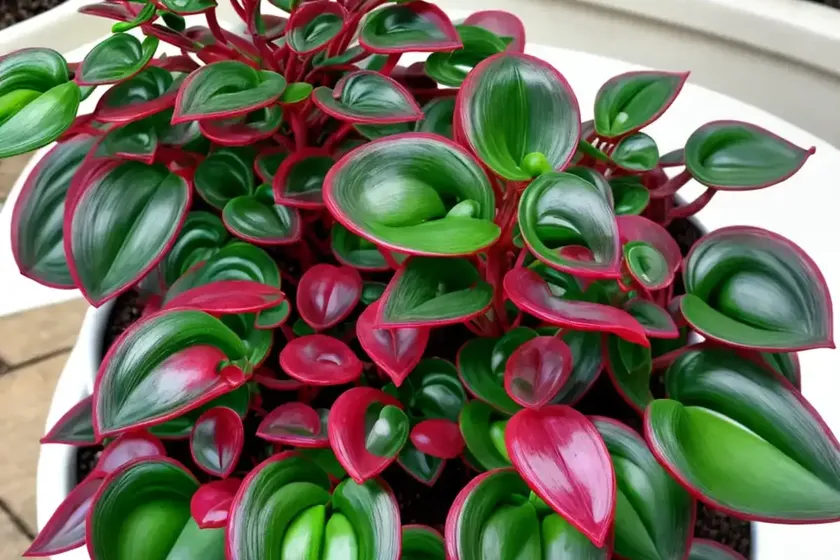
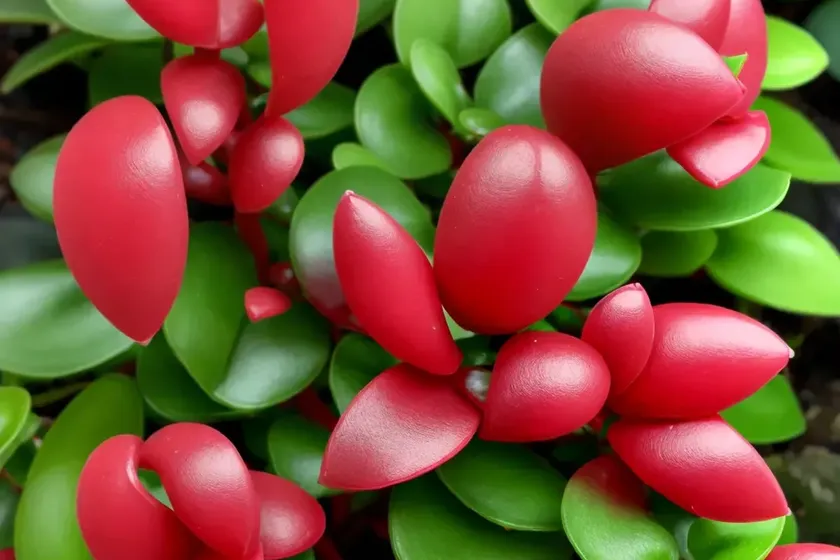
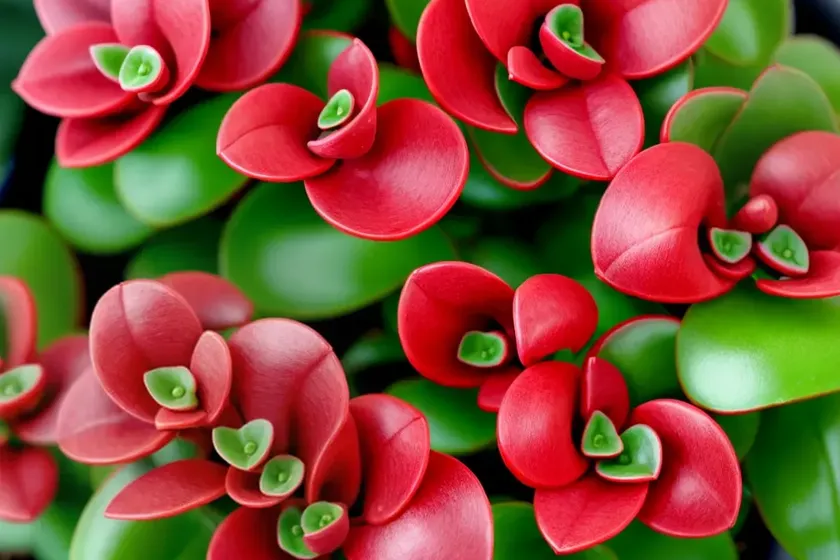
The Peperomia Ruby Cascade, also known as “Ruby Peperomia” or “Ruby Glow,” is a trailing variety of Peperomia. This charming plant is well-loved for its small, heart-shaped, succulent-like leaves that are a rich combination of deep ruby red and dark green, lending an exquisite aesthetic to any space. Its cascading growth habit makes it an ideal choice for hanging baskets or as a trailing accent in mixed planters. The Peperomia Ruby Cascade is a versatile plant that can thrive both indoors and outdoors, adding a touch of elegance and color to its surroundings.
Key Takeaways
Culture
- Family: Piperaceae
- Genus: Peperomia
- Species: Ruby Cascade
- Common Names: Ruby Peperomia, Ruby Glow
Uses
- Indoor Plant: Ideal for tabletops, shelves, and hanging baskets
- Outdoor Plant: Suitable for shaded garden beds and border plantings
- Decorative Accent: Enhances terrariums, dish gardens, and mixed planters
Water
- Watering Needs: Moderate; avoid overwatering
- Moisture Level: Allow the soil to dry slightly between waterings
- Watering Frequency: Typically every 7-10 days, adjust based on environmental conditions
Sunlight
- Light Requirements: Thrives in bright, indirect light
- Tolerance: Can adapt to lower light conditions, avoid direct sun exposure
Fertilizer
- Fertilizing Schedule: Monthly during the growing season
- Fertilizer Type: Balanced, water-soluble fertilizer at half-strength
Soil
- Soil Type: Well-draining, aerated potting mix
- Acidity: Slightly acidic to neutral pH (6.0-7.0)
- Recommended Additives: Perlite or coarse sand for improved drainage
Pruning
- Pruning Needs: Minimal; trim leggy growth or yellowing leaves
- Propagation: Can be propagated from stem cuttings
Propagation
- Propagation Method: Stem tip or leaf cuttings
- Propagation Medium: Moist, well-draining potting mix
- Propagation Success Rate: High
Container
- Container Type: Hanging basket, decorative pot, or dish garden
- Potting Medium: Well-draining, preferably with aeration
Popularity
- Trending: Gaining popularity as a versatile and low-maintenance houseplant
Common Diseases
- Disease Susceptibility: Generally resistant to diseases
- Common Issues: Overwatering leading to root rot
Disease Diagnosis
- Symptoms: Yellowing, wilting, or mushy stems or leaves
- Remedial Action: Adjust watering frequency and allow soil to dry out
Common Pests
- Pest Susceptibility: Relatively resistant to pests
- Potential Pests: Mealybugs, spider mites (rare)
Botanist’s Tips
- Best Environment: Warm, humid conditions with good air circulation
- Low-Maintenance: Adaptable to varying light and watering conditions
- Versatile: Suitable for a range of decorative arrangements and planting styles
Fun Facts
- Native Habitat: Tropical and subtropical regions of Central and South America
- Genus Meaning: “Peperi” denotes pepper and “homoios” means resembling, reflecting its similarity to pepper plants
- Cultural Significance: Symbolizes fortune and prosperity in traditional folklore
Now that we have outlined the key takeaways, let’s delve deeper into each aspect of caring for the Peperomia Ruby Cascade.
Ruby Cascade Care Tips
Best Conditions for Peperomia Ruby Cascade
The Peperomia Ruby Cascade thrives in optimal conditions that mimic its natural tropical habitat. Providing the right environment can ensure the health and vibrancy of this stunning plant.
- Temperature: Maintain temperatures between 65-75°F (18-24°C), avoiding sudden temperature fluctuations.
- Humidity: Appreciates moderate to high humidity levels, making it an excellent choice for bathrooms and kitchens.
- Air Circulation: Ensure good air circulation, especially in indoor environments, to prevent stagnant air around the foliage.
Sunlight Requirements for Ruby Cascade
Proper light exposure plays a crucial role in the growth and foliage coloration of the Peperomia Ruby Cascade. Understanding its sunlight needs is essential for maintaining its visual appeal and overall health.
- Ideal Light: Prefers bright, indirect light, such as that filtered through sheer curtains or placed near a north or east-facing window.
- Low Light Tolerance: Adaptable to lower light conditions, but prolonged low light may lead to leggy growth and diminished leaf vibrancy.
- Avoid Direct Sun: Protect from direct sunlight, especially during the peak hours of the day, as it can scorch the delicate foliage.
Watering Needs of Peperomia Ruby Cascade
Proper watering is vital for the well-being of the Ruby Cascade. Understanding its moisture requirements and adopting a balanced watering routine can prevent common issues such as root rot or dehydration.
- Moderate Watering: Water the plant when the top inch of the soil feels dry to the touch, ensuring even moisture without waterlogging the roots.
- Avoid Overwatering: Overly wet soil can lead to root rot and other fungal diseases. Ensure proper drainage and avoid leaving the plant in standing water.
- Consistent Moisture: Maintain a balance by providing consistent, moderate moisture without allowing the soil to become bone dry between waterings.
Soil Preferences for Ruby Cascade Plants
The right soil composition is essential for the overall health and growth of the Peperomia Ruby Cascade. A well-suited potting mix can provide the necessary aeration and drainage for the plant’s root system.
- Well-Draining Mix: Use a lightweight, well-draining potting mix that promotes air circulation around the roots, preventing waterlogged conditions.
- Aeration Additives: Incorporate perlite, coarse sand, or orchid bark to improve soil structure and drainage capabilities.
- Acidity Level: Aim for a slightly acidic to neutral pH range (6.0-7.0) for optimal nutrient uptake.
Fertilizing Peperomia Ruby Cascade
Proper fertilization contributes to the overall vigor and visual appeal of the Ruby Cascade. Understanding the appropriate fertilizing schedule and formulation is crucial for promoting healthy growth.
- Balanced Fertilizer: Use a balanced, water-soluble fertilizer diluted to half-strength during the growing season, typically once a month.
- Fertilizer Alternatives: Alternatively, opt for a specialized succulent or peperomia fertilizer to cater to its specific nutrient requirements.
- Avoid Overfeeding: Refrain from excessive fertilization, as it can lead to salt buildup in the soil and cause nutrient imbalances.
Ruby Cascade Plant Size
The Peperomia Ruby Cascade, true to its name, exhibits a trailing growth habit that allows it to extend and overflow from its container. Understanding its potential size and growth rate is essential for selecting suitable planting locations.
- Mature Length: Can grow up to 12-18 inches in length, with its cascading stems extending gracefully from its pot or hanging basket.
- Growth Rate: Moderately slow-growing, adding new growth and length over the growing season.
Growing Peperomia Ruby Cascade
Ruby Cascade Plant Diseases
While the Peperomia Ruby Cascade is generally resilient against diseases, certain common issues can arise, primarily due to unfavorable environmental conditions and improper care.
- Root Rot: Overwatering or poor drainage can lead to root rot, characterized by yellowing, wilting, or mushy stems and roots.
- Preventive Measures: Ensure well-draining soil and adequate drying between waterings to prevent root rot.
- Remedial Action: Adjust watering frequency and consider repotting in well-draining soil if symptoms persist.
Pruning Techniques for Peperomia Ruby Cascade
Minimal pruning is typically required for the Peperomia Ruby Cascade, primarily aimed at maintaining its aesthetic appeal and managing its growth.
- Removal of Leggy Growth: Trim elongated or leggy stems to encourage bushier growth and a fuller appearance.
- Yellowing Leaf Removal: Trim yellowing or damaged leaves close to the base to maintain the plant’s visual attractiveness.
- Propagation Potential: Utilize the pruned stems for propagation by rooting in a suitable medium.
Propagation of Ruby Cascade Plants
The Peperomia Ruby Cascade offers an excellent opportunity for propagation, allowing enthusiasts to expand their plant collection or share its beauty with others.
- Propagation Method: Successfully propagate through stem tip or leaf cuttings, both of which often root readily in a suitable growing medium.
- Stem Cutting Propagation: Cut a healthy stem tip with a few leaves and nodes, then root it in a moist potting mix.
- Leaf Cutting Propagation: Select a healthy leaf with a portion of the petiole attached and root it in a moist propagating medium for new plantlets to form.
Growing Ruby Cascade Indoors
With its low-maintenance and decorative qualities, the Peperomia Ruby Cascade is an excellent choice for indoor cultivation, enhancing the visual appeal of any living space.
- Indoor Placement: Choose well-lit spots with bright, indirect light to promote healthy growth and vibrant foliage coloration.
- Decorative Use: Adorn tabletops, shelves, or hang in baskets to create an eye-catching display, adding a touch of elegance to home interiors.
- Humidity Consideration: Thrives in moderately humid environments, making it suitable for placement in bathrooms or kitchens.
Outdoor Cultivation of Peperomia Ruby Cascade
While primarily popular as an indoor plant, the Ruby Cascade can also be integrated into outdoor garden settings in certain climates.
- Shade-Loving Plant: Prefers shaded or partially shaded outdoor locations, making it suitable for border plantings or ground cover in sheltered gardens.
- Container Gardening: Thrives in outdoor containers or hanging baskets, adding a splash of vibrant color to balconies, patios, or shaded garden areas.
- Versatile Arrangements: Pair with other shade-loving annuals or perennials in mixed containers to create visually appealing and texturally diverse displays.
Popular Uses of Ruby Cascade in Landscaping
The Peperomia Ruby Cascade offers numerous landscaping and decorative uses, both indoors and outdoors, contributing to aesthetically pleasing compositions and green spaces.
- Hanging Baskets: Adorn hanging baskets with the trailing foliage of the Ruby Cascade, adding a pop of color and visual interest to outdoor living spaces.
- Mixed Planters: Incorporate in mixed planters or dish gardens for textural variation and contrast, complementing the surrounding plants with its ornate leaves.
- Terrarium Inclusion: Suitable for terrarium and miniature garden settings, adding a touch of lushness and color to micro-ecosystems.
Benefits of Having a Ruby Cascade Plant
Beyond its aesthetic appeal, the Peperomia Ruby Cascade offers various benefits that make it an ideal choice for plant enthusiasts and interior decorators.
- Low Maintenance: Requires minimal care and attention, making it an excellent option for busy individuals or beginners.
- Air Purification: Enhances indoor air quality by filtering airborne pollutants, contributing to a healthier home environment.
- Decorative Accent: Adds a decorative touch to interiors and exteriors with its vibrant, trailing foliage, enhancing visual appeal.
Ruby Cascade vs Other Peperomia Varieties
The Peperomia genus encompasses a wide array of attractive varieties, each with its unique features and growth habits. Comparing the Ruby Cascade to other Peperomia plants offers insights into their distinctive qualities.
- Leaf Coloration: Distinguishes itself with striking red and green foliage, standing out among other Peperomia varieties known for their variegated or patterned leaves.
- Trailing Growth: Notable for its cascading growth habit, making it a charming trailing accent in container arrangements, unlike more upright-growing Peperomia species.
- Ornamental Value: Adds a touch of elegance with its colorful leaves, appealing to enthusiasts seeking a visually striking houseplant or garden accent.
Decorating with Ruby Cascade Plants
The ornate foliage and trailing growth of the Ruby Cascade lend themselves to a myriad of decorative applications, allowing for creative and visually appealing arrangements.
- Hanging Displays: Suspend in decorative hanging baskets, allowing the trailing stems to spill gracefully, adding greenery and color to elevated spaces.
- Shelf Accent: Position on shelves or decorative plant stands to showcase the cascading foliage, creating dynamic visual interest in interior arrangements.
- Terrarium Inclusion: Suitable for terrariums and miniature gardens, adding a lush, trailing element to miniature landscapes and indoor green spaces.
Features of Peperomia Ruby Cascade
Understanding the unique features and growth characteristics of the Peperomia Ruby Cascade provides insights into its care requirements and ornamental value.
- Foliage: Small, heart-shaped leaves with a striking combination of deep ruby red and dark green hues, creating a visually appealing display.
- Growth Habit: Trailing or cascading growth habit, lending itself to hanging baskets, elevated planters, or as a decorative ground cover in outdoor settings.
- Texture: Succulent-like leaves that are semi-succulent in nature, contributing to its low-maintenance care requirements.
Ruby Cascade Plant Maintenance
Adhering to a consistent plant maintenance schedule is essential for ensuring the continued health and aesthetic appeal of the Peperomia Ruby Cascade.
- Regular Inspection: Periodically inspect the plant for signs of pests, disease, or nutrient deficiencies, addressing any issues promptly.
- Pruning Maintenance: Trim leggy growth, yellowing leaves, or any damaged foliage to maintain its lush appearance and overall vigor.
- Fertilizing Routine: Adhere to a monthly fertilizing schedule during the growing season, ensuring the plant receives essential nutrients for sustained growth.
Styling Tips for Peperomia Ruby Cascade
While the Ruby Cascade is captivating on its own, incorporating creative styling and display techniques can elevate its visual impact and harmonize with various interior or exterior designs.
- Visual Contrast: Pair with plants of different leaf shapes and textures to create visual contrast and interest in mixed planters or terrarium arrangements.
- Hanging Emphasis: Emphasize its cascading growth by suspending in hanging containers, allowing the trailing stems to create a dynamic visual statement.
- Prominent Placement: Position in a prominent location to showcase its vibrant foliage, such as on a well-lit shelf or as a centerpiece in a mixed planter.
Ruby Cascade Plant Arrangements
Incorporating the Peperomia Ruby Cascade into diverse plant arrangements and compositions provides an opportunity to create captivating and visually appealing displays.
- Muted Companions: Pair with plants featuring neutral foliage colors to accentuate the Ruby Cascade’s vibrant red and green leaves, creating a visually striking contrast.
- Textural Harmony: Blend with plants featuring varied leaf textures to create a texturally dynamic arrangement, appealing to tactile and visual senses.
- Height Differential: Integrate with taller plants to accentuate the cascading growth habit of the Ruby Cascade, creating a layered and visually engaging display.
Transplanting Peperomia Ruby Cascade
Transplanting allows for refreshing the soil, providing additional growing space, or relocating the Ruby Cascade to a new decorative container.
- Transplant Timing: Conduct transplanting during the spring or early summer months, allowing the plant to adjust to the new container and growing medium.
- Container Selection: Choose a slightly larger container with adequate drainage holes, ensuring the new container is suited to the plant’s future growth.
- Transplant Process: Gently remove the plant from its current container, carefully untangle the roots, and place it in the center of the new container with fresh potting mix.
Pests that Affect Ruby Cascade Plants
While relatively resistant to pests, occasional infestations can occur, necessitating vigilance and proactive measures to mitigate pest-related issues.
- Mealybugs: Look for cottony, white masses on the foliage or stems, often accompanied by sticky honeydew residue and impaired plant growth.
- Spider Mites: Rare infestations can lead to stippling on the leaves and the presence of fine webbing, particularly under dry environmental conditions.
Choosing the Right Pot for Ruby Cascade
Selecting an appropriate pot or container is crucial for providing a supportive growing environment for the Peperomia Ruby Cascade.
- Pot Size: Choose a container that accommodates the current root system with a few inches of additional space for future growth.
- Drainage Holes: Opt for pots equipped with drainage holes to prevent waterlogging and ensure proper aeration of the roots.
- Aesthetic Considerations: Select a decorative pot or hanging container that harmonizes with the plant’s aesthetic appeal and complements its foliage coloration.
Color Variations in Peperomia Ruby Cascade
The Ruby Cascade exhibits a striking combination of ruby red and dark green hues, accentuating its visual appeal and ornamental value.
- Leaf Color Intensity: Leaf coloration can vary based on light exposure and environmental conditions, often displaying deeper red hues under bright, indirect light.
- Seasonal Fluctuations: Foliage coloration may fluctuate subtly between seasons, often influenced by changes in light intensity and temperature variations.
Ruby Cascade Plant Indoor vs Outdoor Placement
Understanding the potential benefits and considerations for indoor versus outdoor placement can help enthusiasts make informed decisions regarding the plant’s positioning.
- Indoor Considerations: Well-suited for indoor placement in well-lit or moderately bright areas, appreciating the controlled temperature and humidity of indoor environments.
- Outdoor Considerations: Provides a captivating outdoor accent when placed in shaded or partially shaded spots, contributing to garden beds, borders, or container arrangements.
Difficulty Level of Growing Ruby Cascade
The Peperomia Ruby Cascade is well-regarded for its ease of care, making it an ideal choice for individuals seeking a visually stunning yet low-maintenance plant.
- Beginner-Friendly: Suitable for beginners and those new to plant care due to its forgiving nature and adaptability to varying light and moisture levels.
- Low Maintenance: Requires minimal attention and care, thriving in indoor and outdoor settings with consistent, balanced care practices.
Growing Peperomia Ruby Cascade from Seeds
While the Ruby Cascade can be propagated successfully from leaf or stem cuttings, growing from seeds presents minimal practicality due to its slow growth rate and the availability of more efficient propagation methods.
- Propagation Efficiency: Stem or leaf cuttings offer a higher success rate and quicker establishment compared to growing from seeds.
- Seeding Considerations: If seeds are desired, ensure they are sourced from


