The Everbearing Raspberry Plant: Rubus idaeus ‘Joan J’
Raspberries are delicious and nutritious fruits that many people enjoy straight off the bush, in jams, or incorporated into various culinary dishes. Among the numerous raspberry varieties available, Rubus idaeus ‘Joan J’ holds a special place as an everbearing raspberry cultivar. In this comprehensive guide, we will delve into the various facets of this popular plant, including its cultural requirements, uses, and common pests and diseases. Whether you are an experienced gardener or just starting, learning about the ‘Joan J’ raspberry plant will help you cultivate these delectable berries with confidence. Let’s begin our journey into the world of Rubus idaeus ‘Joan J’ and discover how to grow, care for, and enjoy this exceptional raspberry variety.
What is Rubus idaeus ‘Joan J’?
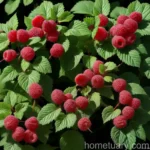
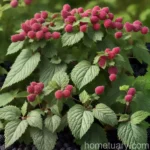
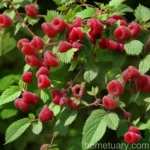
Rubus idaeus ‘Joan J’ is an everbearing raspberry cultivar known for its consistent and abundant fruit production. As its name implies, everbearing raspberries, including ‘Joan J’, have the remarkable ability to produce fruit more than once a year, often yielding berries in both the summer and fall. This unique trait sets it apart from the more common summer-bearing raspberry varieties.
‘Joan J’ raspberries are renowned for their sweet, flavorful berries, making them a popular choice for home gardeners and commercial growers alike. As with many raspberry cultivars, ‘Joan J’ is classified as a fruit-bearing perennial plant, meaning it returns year after year to yield its delectable harvest.
Key Takeaways – Rubus idaeus ‘Joan J’ (Everbearing Raspberry)
Before delving into the specifics of cultivating Rubus idaeus ‘Joan J’, let’s summarize the key takeaways of this everbearing raspberry cultivar. These essential points will provide an overview of what to expect when growing, caring for, and enjoying ‘Joan J’ raspberries:
- Raspberry Type: Everbearing
- Botanical Name: Rubus idaeus ‘Joan J’
- Cultivar: ‘Joan J’
- Fruit Production: Multiple times per year
- Plant Type: Perennial
- Flavor: Sweet and flavorful
- Harvest Time: Summer and fall
- Popular for: Home gardens and commercial cultivation
Culture
Uses
The uses of Rubus idaeus ‘Joan J’ raspberries are diverse and abundant. From fresh consumption to preservation, the berries offer multiple possibilities:
- Fresh Consumption: ‘Joan J’ raspberries are a delightful treat when picked fresh off the plant and enjoyed as a healthy snack.
- Culinary Applications: The berries are versatile and can be used in a wide range of culinary creations, including desserts, jams, and beverages.
- Preserves: The raspberries are well-suited for canning and making delicious preserves that can be enjoyed throughout the year.
Water
When it comes to water requirements, ‘Joan J’ raspberries thrive in well-drained soil and benefit from consistent moisture, especially during the fruiting season. Adequate watering is indispensable for fruit development and overall plant health.
Sunlight
Raspberries, including ‘Joan J’, prefer full sun exposure to thrive and maximize fruit production. Ensuring that the plants receive ample sunlight is crucial for healthy growth and bountiful harvests.
Fertilizer
Fertilizing ‘Joan J’ raspberries is essential for promoting robust growth and fruit production. A balanced fertilizer, with an emphasis on nitrogen, phosphorus, and potassium, can help meet the plant’s nutritional needs and support optimal berry development.
Soil
The ideal soil for ‘Joan J’ raspberries is well-drained and rich in organic matter. A slightly acidic to neutral pH level is preferable for these plants. Amending the soil with compost or well-rotted manure can enhance its texture and fertility, creating an optimal growing environment for the raspberry plants.
Pruning
Pruning plays a pivotal role in maintaining the health and productivity of ‘Joan J’ raspberry plants. Regular pruning helps manage plant size, remove diseased or damaged canes, and encourage new growth for future fruit production.
Propagation
Propagating ‘Joan J’ raspberries can be achieved through various methods, including division, cuttings, and layering. Understanding the fundamentals of raspberry plant propagation is valuable for expanding your raspberry patch or sharing plants with fellow gardening enthusiasts.
Container Popularity
The popularity of container gardening has surged in recent years, offering numerous benefits and conveniences for growing fruits, vegetables, and ornamental plants. Raspberries, including ‘Joan J’, can thrive in containers, making it possible to cultivate these sweet berries even in limited garden spaces.
Container Common Diseases
While container gardening offers advantages such as portability and space-saving, it also presents certain challenges and considerations, particularly in relation to disease management. Understanding the common diseases that can affect raspberries in containers, ‘Joan J’ included, is essential for maintaining plant health and vitality.
Disease Diagnosis
Diagnosing raspberry diseases is crucial for implementing timely and effective disease management strategies. Recognizing the symptoms of common raspberry diseases helps in accurately identifying the issues and taking appropriate remedial actions to safeguard the plants.
Common Pests
Raspberry plants, including ‘Joan J’, can fall victim to various pests that pose a threat to their growth and fruit production. Familiarizing yourself with the common pests and their control measures equips you to protect your raspberry plants and preserve their yield.
Botanist’s Tips
As a plant enthusiast and botanist, I have gathered valuable insights and tips for successfully growing and caring for ‘Joan J’ raspberries. These practical recommendations encompass various aspects of raspberry cultivation, covering everything from planting to harvest and beyond.
Fun Facts
Delving into the realm of fun facts about ‘Joan J’ raspberries unveils intriguing and fascinating details about the plant’s history, attributes, and more. Discovering these tidbits adds a layer of enjoyment and appreciation for this exceptional raspberry variety.
Links to External Resources
To further enrich your knowledge of Rubus idaeus ‘Joan J’ and delve deeper into the world of raspberry cultivation, here are some recommended external resources:
- Royal Horticultural Society – Raspberry Grow Guide
- University of Maryland Extension – Growing Raspberries
- Penn State Extension – Raspberry Planting, Care, and Harvesting
- North Carolina State University – Raspberry Disease and Insect Management
As you embark on your journey with Rubus idaeus ‘Joan J’ and everbearing raspberries, these resources offer valuable insights, tips, and guidance to support your raspberry growing endeavors.
In conclusion, exploring the world of Rubus idaeus ‘Joan J’ and its everbearing raspberry counterparts illuminates the rich and rewarding realm of raspberry cultivation. From understanding the plant’s cultural requirements to enjoying its delectable fruits, ‘Joan J’ raspberries offer a delightful and fulfilling gardening experience. Whether you are a seasoned raspberry enthusiast or a novice gardener, the allure of growing, caring for, and relishing ‘Joan J’ raspberries beckons with its abundance of rewards and the joy of nurturing these exceptional plants.