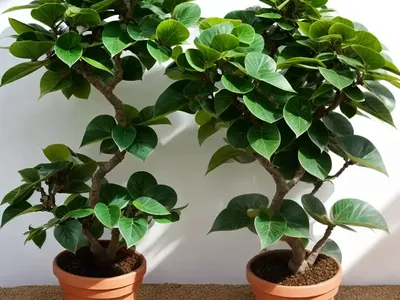
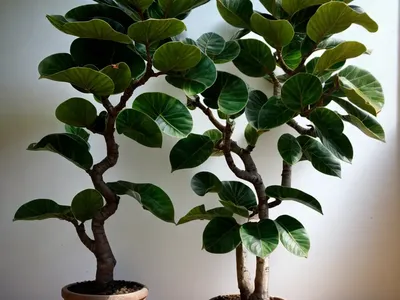
Ficus Lyrata Bambino (Fiddle Leaf Fig)
Plants have always captured the fascination of humankind with their beauty, versatility, and significance in the natural world. Among the myriad of plant.
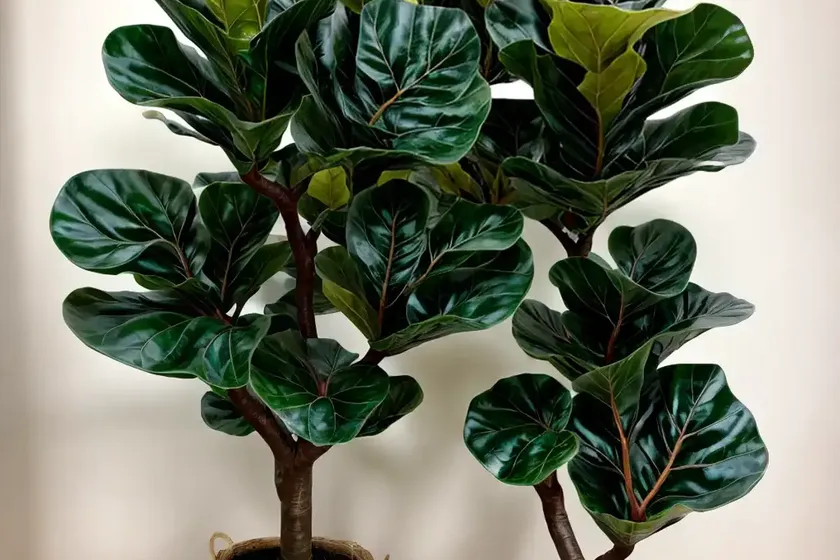
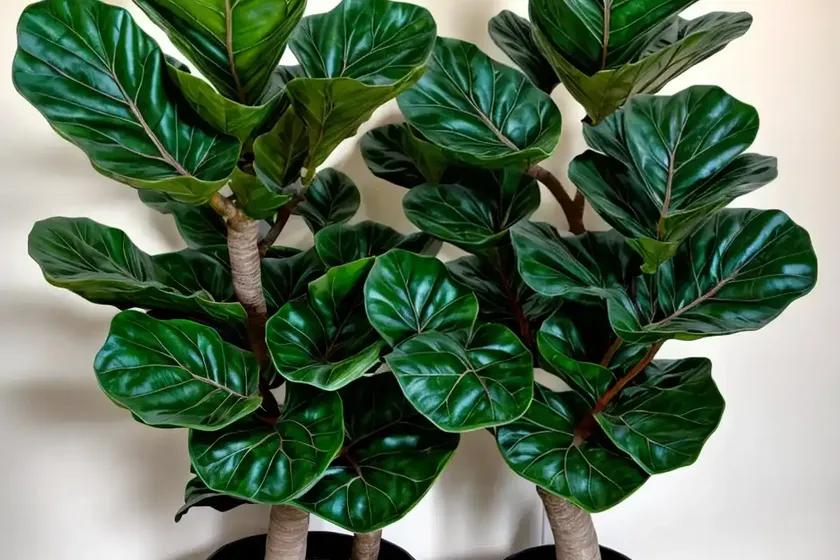
Plants have always captured the fascination of humankind with their beauty, versatility, and significance in the natural world. Among the myriad of plant species, the Ficus Lyrata Bambino, also known as the Fiddle Leaf Fig, stands out with its distinctive broad leaves and ornamental appeal. This plant has garnered immense popularity as an indoor decorative houseplant, prized for its lush foliage and air-purifying properties. In this comprehensive guide, we will delve into the various aspects of the Ficus Lyrata Bambino, ranging from its cultural requirements and uses to potential diseases and pests that may affect its wellbeing. Whether you are a seasoned plant enthusiast or a beginner looking to nurture a Fiddle Leaf Fig, this guide will equip you with the essential knowledge needed to ensure the healthy growth of this remarkable botanical specimen.
What is Ficus Lyrata Bambino (Fiddle Leaf Fig)?
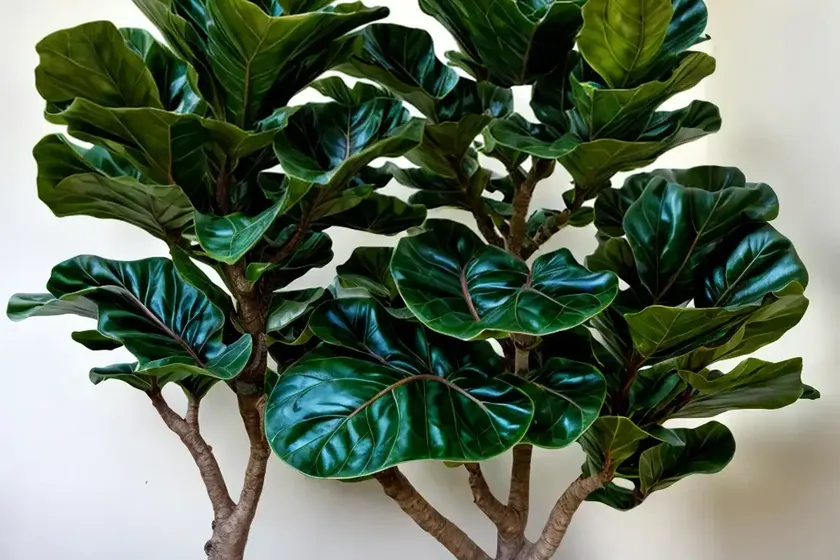
The Ficus Lyrata Bambino, a cultivar of the Ficus Lyrata species, is a tropical plant native to the rainforests of West Africa. It belongs to the Moraceae family and is characterized by its large, strikingly glossy, violin-shaped leaves. With the right care and conditions, the Ficus Lyrata Bambino can be grown both indoors and outdoors, making it a popular choice for adding a touch of greenery to homes and offices.
Key Takeaways – Ficus Lyrata Bambino (Fiddle Leaf Fig)
Before diving into the specifics of caring for a Fiddle Leaf Fig, let’s outline some key takeaways regarding this captivating plant:
- Culture: The Ficus Lyrata Bambino is a tropical plant that thrives in warm, humid conditions, and it requires consistent care to flourish.
- Uses: It serves as an excellent decorative plant, adding a sense of elegance and tranquility to indoor spaces. Additionally, it is renowned for its air-purifying properties, enhancing the quality of the surrounding atmosphere.
- Water: Proper watering techniques are crucial for the health of the Fiddle Leaf Fig, as both overwatering and underwatering can lead to detrimental effects.
- Sunlight: Adequate sunlight is essential for the Ficus Lyrata Bambino, as it is a light-loving plant. However, it is important to ensure that it is not exposed to direct, harsh sunlight.
- Fertilizer: Regular fertilization is a key component of the plant’s care regimen, providing it with essential nutrients for growth and vitality.
- Soil: Well-draining, nutrient-rich soil is paramount for the Fiddle Leaf Fig, supporting healthy root development and overall plant vigor.
- Pruning: Proper pruning practices help to maintain the shape and size of the plant, as well as remove any damaged or diseased foliage.
- Propagation: Understanding the methods of propagation enables plant enthusiasts to expand their Ficus Lyrata Bambino collection and share the joy of cultivating this species with others.
- Container: Choosing an appropriate container is crucial for the Fiddle Leaf Fig’s overall health and growth, considering factors such as size, drainage, and aesthetics.
- Popularity: The Ficus Lyrata Bambino has gained immense popularity in the realm of indoor plants due to its visual appeal and ability to thrive in interior environments.
- Common Diseases: Several diseases, such as fungal infections and leaf spots, can affect the Fiddle Leaf Fig if proper care and preventive measures are not implemented.
- Common Pests: Insects like spider mites and mealybugs pose potential threats to the Ficus Lyrata Bambino and require prompt attention if detected.
Now that we have outlined the key takeaways, let’s delve deeper into each aspect of caring for the Ficus Lyrata Bambino, from its cultural requirements to common diseases and pests, ensuring that you have a comprehensive understanding of how to nurture this botanical gem.
Ficus Lyrata Bambino (Fiddle Leaf Fig) Care
Culture
The cultural requirements of the Ficus Lyrata Bambino form the foundation of its care, encompassing factors such as temperature, humidity, and overall growing conditions. By understanding the plant’s native habitat and preferences, you can create an environment that promotes its health and development.
Natural Habitat
The Ficus Lyrata Bambino hails from the tropical rainforests of West Africa, where it thrives in warm, humid climates characterized by consistent temperatures and ample rainfall. These lush, forested environments serve as a testament to the plant’s preference for high humidity and filtered light.
In replicating its natural habitat within indoor settings, it is essential to provide the Fiddle Leaf Fig with conditions that closely mimic its native surroundings. This includes maintaining a warm, humid environment, as well as ensuring that it receives sufficient light without being subjected to direct, intense sunlight.
Indoor Care
As an indoor plant, the Ficus Lyrata Bambino requires specific care to thrive within the confines of a home or office space. Here are some essential considerations for indoor care:
-
Temperature: The Fiddle Leaf Fig thrives in warm temperatures, ideally ranging between 65-75°F (18-24°C). Avoid placing the plant in areas with cold drafts or sudden temperature fluctuations, as it is sensitive to abrupt environmental changes.
-
Humidity: High humidity levels are advantageous for the Ficus Lyrata Bambino, closely mirroring the moist conditions of its natural habitat. To increase humidity, you can mist the plant regularly or place a humidifier in its vicinity, particularly during drier seasons or in arid climates.
-
Air Circulation: While the plant appreciates high humidity, it is equally vital to ensure adequate air circulation to prevent stagnant, humid conditions that may promote the growth of mold or mildew. Proper ventilation within the indoor space is crucial for the overall health of the Fiddle Leaf Fig.
Uses
The Ficus Lyrata Bambino is valued for its multifaceted uses, extending beyond its role as a visually appealing decorative plant. Understanding its various applications can provide insight into the significance of incorporating this plant into interior spaces.
Decorative Plant
One of the primary uses of the Fiddle Leaf Fig is its role as a decorative plant, contributing lush greenery and an elegant, botanical presence to homes, offices, and commercial settings. Its broad, glossy leaves and upright growth habit make it a captivating addition to interior decor, serving as a focal point that infuses spaces with natural beauty.
Air Purification
In addition to its aesthetic appeal, the Ficus Lyrata Bambino is renowned for its air-purifying capabilities, helping to cleanse the surrounding atmosphere by filtering out pollutants and toxins. Research has shown that certain houseplants, including the Fiddle Leaf Fig, can contribute to improved air quality, making them valuable assets for indoor environments.
Water
Proper watering practices are fundamental to the overall health and vitality of the Ficus Lyrata Bambino. As with many plants, finding the right balance between overwatering and underwatering is crucial to prevent issues such as root rot or dehydration.
Watering Guidelines
-
Consistency: Establish a regular watering schedule to provide the Fiddle Leaf Fig with consistent moisture. However, it is essential to allow the soil to partially dry out between waterings, as excessively soggy conditions can lead to root suffocation and potential fungal problems.
-
Water Quality: Use room temperature water when irrigating the plant, as extremely cold or hot water can shock the roots. Additionally, avoid using water that has passed through a water softener, as the salts present in softened water can be harmful to the plant.
-
Drainage: Ensure that the container in which the Ficus Lyrata Bambino is housed has adequate drainage holes to prevent water from accumulating at the base. Standing water can lead to root rot and other moisture-related issues.
-
Soil Moisture: Before watering, check the moisture level of the soil by inserting your finger into the top inch of the soil. If it feels dry to the touch, it is an indication that the plant is ready to be watered. Conversely, if the soil feels moist, refrain from watering and recheck after a few days.
-
Avoid Overwatering: Overwatering can be detrimental to the Fiddle Leaf Fig, causing the roots to become waterlogged and reducing the plant’s oxygen intake. If the soil consistently remains wet, it signifies that the plant is receiving excessive moisture and requires an adjustment in the watering routine.
Sunlight
Adequate sunlight exposure is essential for the growth and overall wellbeing of the Ficus Lyrata Bambino. As a light-loving plant, it relies on sufficient light to fuel its photosynthetic processes and promote healthy leaf development. However, it is important to strike a balance between providing ample light and safeguarding the plant from the potential harms of direct, intense sunlight.
Sunlight Requirements
-
Indirect Light: The Fiddle Leaf Fig thrives in bright, indirect light, making it well-suited for placement near windows or in areas with ample natural illumination. Direct exposure to intense sunlight, especially during the peak hours of the day, can lead to leaf burn and damage.
-
Light Intensity: While the Ficus Lyrata Bambino favors bright light conditions, it is crucial to monitor for signs of excessive light exposure, such as leaf discoloration or browning. Adjust the plant’s placement as needed to provide it with optimal light levels while protecting it from the detrimental effects of harsh sunlight.
-
Light Duration: Aim to provide the Fiddle Leaf Fig with approximately 4-6 hours of indirect sunlight per day, adjusting based on the specific lighting conditions within your indoor space. Observing the plant’s response to its light exposure can help in fine-tuning its placement for optimal growth.
Fertilizer
Fertilization plays a vital role in supporting the growth and nutritional needs of the Ficus Lyrata Bambino, providing it with essential nutrients that may be lacking in its growing environment.
Fertilizing Guidelines
-
Frequency: During the growing season, which typically spans from spring through summer, consider fertilizing the Fiddle Leaf Fig every 2-4 weeks to deliver a steady supply of nutrients. Reduce or cease fertilization during the plant’s dormant period in fall and winter when growth slows.
-
Dilution: Dilute the fertilizer to half or quarter strength to mitigate the risk of over-fertilization, as excessive concentrations of nutrients can harm the plant’s roots and lead to fertilizer burn.
-
Nutrient Composition: Opt for a balanced, liquid fertilizer formulated for houseplants, as it will contain an appropriate blend of macronutrients and micronutrients to support the plant’s growth.
-
Application Method: Apply the diluted fertilizer to the soil, ensuring that it does not come into contact with the leaves or stem of the plant. Over time, observe the Ficus Lyrata Bambino’s response to the fertilizer to gauge whether adjustments in frequency or strength are necessary.
Soil
The soil in which the Ficus Lyrata Bambino is planted serves as the foundation for its root development and overall nutrient uptake. Selecting the right type of soil and ensuring proper drainage are critical factors that contribute to the plant’s thriving.
Soil Type
-
Well-Draining Soil: Choose a well-draining potting mix that allows excess water to flow through while retaining sufficient moisture for the plant’s roots. A blend of peat moss, perlite, and coarse sand is often suitable for cultivating the Fiddle Leaf Fig, promoting a balanced soil structure.
-
Nutrient-Rich Medium: Opt for a soil mix that is rich in organic matter and provides a source of essential nutrients for the plant. Adding compost or organic fertilizers to the soil can enhance its overall fertility and support the Ficus Lyrata Bambino’s growth.
-
pH Level: While the Fiddle Leaf Fig is adaptable to a range of soil pH levels, a slightly acidic to neutral pH (6.0-7.0) is generally conducive to its thriving. Regularly monitoring the soil’s pH can help in identifying any fluctuations that may require adjustments through the use of appropriate amendments.
-
Compaction Prevention: Prevent soil compaction by ensuring that the root zone of the Ficus Lyrata Bambino does not become excessively dense or compacted. This can be achieved by periodically aerating the soil and avoiding over-packing it within the plant’s container.
Pruning
Pruning is an essential aspect of Ficus Lyrata Bambino care, enabling the maintenance of its shape, size, and overall aesthetics. Proper pruning practices also help to remove dead or damaged foliage, promoting the plant’s health and vitality.
Pruning Techniques
-
Sterilized Tools: Before beginning any pruning activities, ensure that the pruning tools are properly sterilized to prevent the spread of diseases or pathogens. Disinfect the tools by wiping the blades with rubbing alcohol or a diluted bleach solution.
-
Dead Leaf Removal: Regularly inspect the Fiddle Leaf Fig for any dead, yellowed, or discolored leaves, and carefully prune them to promote the plant’s overall appearance and prevent the spread of potential diseases.
-
Promoting Growth: To encourage bushier growth and a compact form, prune the Ficus Lyrata Bambino’s new growth at the top of the plant. This can help in shaping the plant and preventing it from becoming excessively leggy.
-
Cautionary Pruning: Exercise caution when pruning the Fiddle Leaf Fig, as excessive removal of foliage can place stress on the plant and impede its ability to photosynthesize. Aim for selective pruning that maintains the plant’s natural form while removing any unwanted or damaged growth.
Propagation
The ability to propagate the Ficus Lyrata Bambino allows plant enthusiasts to expand their collection and share the joy of cultivating this species with others. Understanding the various methods of propagation can provide avenues for multiplying the presence of this remarkable plant.
Propagation Methods
-
Air Layering: Air layering is a propagation method that involves creating a small incision in a healthy stem of the Fiddle Leaf Fig and inducing it to produce roots while still attached to the parent plant. Once roots have formed, the newly rooted section can be severed from the main plant and potted independently.
-
Stem Cuttings: Propagating through stem cuttings involves taking a portion of the Ficus Lyrata Bambino’s stem, typically with several leaves attached, and placing it into a suitable rooting medium. Over time, the cutting will develop roots and can be transferred to a larger pot for continued growth.
-
Water Propagation: This method involves placing the stem cuttings of the Fiddle Leaf Fig in water, providing them with the opportunity to develop roots before being transferred to soil. Water propagation offers a visual insight into root development and is a popular method for propagating various plant species.
-
Division: Division refers to separating the root mass of a mature Ficus Lyrata Bambino plant into smaller sections, each containing a portion of the root system and foliage. These sections can then be potted individually, allowing them to establish themselves and grow as independent plants.
Each propagation method offers its own unique advantages and considerations, and experimenting with the different techniques can be both informative and rewarding for plant enthusiasts.
Container
The choice of container for the Ficus Lyrata Bambino plays a crucial role in its overall growth and wellbeing, encompassing factors such as size, drainage, and aesthetic appeal.
Container Considerations
-
Drainage: Opt for containers that feature drainage holes at the bottom to facilitate the efficient removal of excess water. Proper drainage helps to prevent water stagnation, reducing the risk of root rot and other moisture-related problems.
-
Size: Choose a container with adequate size to accommodate the Fiddle Leaf Fig’s root system without restricting its growth. A container that is slightly larger than the plant’s current root structure allows room for expansion while maintaining a stable base.
-
Material: Containers made from materials such as terracotta, ceramic, or plastic can be suitable for housing the Ficus Lyrata Bambino, each offering its own set of benefits in terms of moisture retention, insulation, and durability.
-
Aesthetic Appeal: Consider the visual impact of the container within the context of its surrounding environment, ensuring that it complements the overall decor while providing a suitable home for the Fiddle Leaf Fig.
Popularity
The Ficus Lyrata Bambino has witnessed a surge in popularity within the realm of indoor plants, captivating the attention of plant enthusiasts and interior designers alike. Its unique characteristics and ability to thrive in interior environments have contributed to its widespread appeal.
Interior Decor
As an interior decor element, the Fiddle Leaf Fig excels in bringing a sense of natural elegance to living spaces, offices, and commercial settings. Its broad, lustrous leaves and dynamic growth habit provide a visually striking presence that enhances the aesthetic appeal of its surroundings.
Indoor Plant Trend
The resurgence of interest in indoor plants, coupled with a growing appreciation for biophilic design elements, has bolstered the Ficus Lyrata Bambino’s standing as a sought-after plant for interior settings. Its adaptability to indoor conditions and its air-purifying capabilities have positioned it as a staple in the contemporary indoor plant trend.
Common Diseases
Despite its robust nature, the Ficus Lyrata Bambino is susceptible to several diseases, ranging from fungal infections to bacterial issues and environmental stressors. Recognizing the symptoms and implementing preventive measures are crucial to averting the development and spread of diseases.
Disease Diagnosis
-
Leaf Spot: Leaf spot diseases can manifest as dark or discolored lesions on the foliage of the Fiddle Leaf Fig, typically accompanied by a decline in leaf health and overall coloration. These spots may be indicative of fungal or bacterial issues and should be addressed promptly to prevent their spread.
-
Powdery Mildew: The presence of powdery white or grayish growth on the leaves of the Ficus Lyrata Bambino is a sign of powdery mildew, a common fungal disease. This can occur in conditions of high humidity and poor air circulation, highlighting the significance of managing environmental factors.
-
Root Rot: Overwatering or waterlogged soil can lead to root rot in the Fiddle Leaf Fig, causing the plant’s roots to decay and impairing its ability to absorb water and nutrients. Symptoms include wilting, yellowing foliage, and a foul odor emanating from the soil.
Common Pests
Pests such as spider mites, mealybugs, and scale insects can pose threats to the health and vitality of the Ficus Lyrata Bambino, necessitating vigilant monitoring and timely intervention to mitigate their impact.
Pest Identification
-
Spider Mites: These tiny arachnids can infest the Fiddle Leaf Fig, causing stippling on the leaves and fine webbing on the plant’s foliage. Spider mites thrive in dry, dusty conditions and can rapidly multiply, necessitating immediate action to prevent their proliferation.
-
Mealybugs: Mealybugs are small, white, cottony insects that may gather on the stems and leaf undersides of the Ficus Lyrata Bambino. Their feeding can lead to leaf yellowing, stunted growth, and the secretion of honeydew, contributing to the development of sooty mold.
-
Scale Insects: Scale insects appear as small, raised bumps on the plant’s stems and leaves and can cause damage by feeding on the Fiddle Leaf Fig’s sap. Their presence can