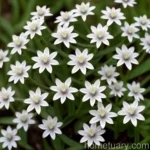
The Fascinating Royal Catchfly (Silene regia): A Complete Guide
Plants have always been an essential part of our lives, taking on roles from being a source of food and medicine to providing a beautiful backdrop for our surroundings. The royal catchfly (Silene regia) is a captivating plant species that has gained attention for its stunning appearance, ecological importance, and diverse uses. In this comprehensive guide, we will explore the royal catchfly in depth, covering everything from its characteristics and ecological significance to its cultivation, care tips, and conservation efforts. So, let’s dive into the enchanting world of the royal catchfly!
What is the Royal Catchfly (Silene regia)?
The royal catchfly, scientifically known as Silene regia, is a striking flowering plant that belongs to the genus Silene within the family Caryophyllaceae. This plant is native to North America and is renowned for its brilliant scarlet-red flowers, which attract a myriad of pollinators, including hummingbirds and butterflies. Its distinctive blooms and ecological significance have made it a popular choice for native plant enthusiasts and conservationists alike.
Key Takeaways – Royal Catchfly (Silene regia)
Before delving into the details of royal catchfly cultivation, care, and ecological roles, let’s summarize the key takeaways associated with this captivating plant:
- Royal Catchfly Plants: Known for their stunning scarlet-red flowers and ecological importance.
- Silene regia Information: Native to North America and belongs to the family Caryophyllaceae.
- Royal Catchfly Habitat: Typically found in prairies, open woodlands, and along roadsides.
- Growing Royal Catchfly: Requires well-drained soil and ample sunlight for optimal growth.
- Royal Catchfly Care Tips: Regular watering, minimal pruning, and occasional fertilization promote healthy growth.
- Silene regia Characteristics: Notable for its vibrant flowers and preference for well-drained soil.
- Royal Catchfly Uses: Valued for its ornamental appeal and ecological roles in supporting pollinators.
- Royal Catchfly Symbolism: Often associated with themes of strength, vitality, and resilience.
- Silene regia Cultivation: Can be propagated from seeds or cuttings, and thrives in naturalized settings.
- Royal Catchfly Plant Description: Features lance-shaped leaves and clusters of vivid red flowers.
- Royal Catchfly Flower: The flowers attract a wide range of pollinators, including hummingbirds and butterflies.
- Silene regia in Gardens: Adds a vibrant splash of color to native plant gardens and naturalized landscapes.
- Royal Catchfly Medicinal Properties: Traditional medicinal uses in some indigenous cultures.
- Royal Catchfly Benefits: Ecological importance in supporting pollinators and adding visual appeal to natural settings.
- Silene regia Natural Habitat: Typically found in habitats with well-drained soil and ample sunlight.
- Royal Catchfly Conservation: Recognized for its ecological significance, especially in the context of native plant conservation efforts.
- Royal Catchfly Pollinators: Attracts a diverse array of pollinators, contributing to local ecosystem diversity.
- Silene regia Life Cycle: Exhibits distinct growth stages, from germination to flowering and seed production.
- Royal Catchfly Native Plant: A cherished native plant species, valued for its ecological roles and visual allure.
- Royal Catchfly Endangered Status: Some populations of royal catchfly are threatened, emphasizing the need for conservation measures.
- Silene regia Ecological Importance: Contributes to local biodiversity and supports native pollinators.
- Royal Catchfly Drought Tolerance: Exhibits moderate drought tolerance, but benefits from consistent moisture, especially during the growing season.
- Royal Catchfly Companion Plants: Compatible with a range of native prairie and woodland species, enhancing naturalized garden settings.
- Silene regia Wildflower: Celebrated for its wildflower charm and contribution to naturalized landscapes.
- Royal Catchfly Garden Design: Adds vibrant color and supports local biodiversity in naturalized garden designs.
- Royal Catchfly Botany: Characterized by its vibrant blooms, lance-shaped leaves, and preference for sunny locations.
- Silene regia Plant Family: Belongs to the family Caryophyllaceae, which includes a diverse array of herbaceous plants.
- Royal Catchfly Flowering Period: Typically blooms in mid to late summer, adding a burst of color to the landscape.
- Royal Catchfly Attract Hummingbirds: The vivid flowers are a magnet for hummingbirds, enhancing garden biodiversity.
- Silene regia in Folklore: May feature in local folklore and traditional narratives, symbolizing vitality and natural beauty.
- Royal Catchfly Repellent: There are anecdotal accounts of royal catchfly having pest-repellent properties, although more research is needed to confirm this.
- Royal Catchfly Seeds: Can be collected for propagation and conservation efforts, contributing to the preservation of this species.
- Silene regia Root System: Develops a fibrous root system that stabilizes the plant and facilitates nutrient uptake.
- Royal Catchfly Ecosystem: Contributes to healthy ecosystem functioning by supporting pollinators and adding visual appeal to natural settings.
- Royal Catchfly Propagation: Can be propagated from seeds or stem cuttings, supporting conservation and garden cultivation efforts.
- Silene regia Hybrids: The potential for hybridization with related Silene species adds to the ecological complexity of this plant.
- Royal Catchfly Nectar Source: Provides a vital nectar source for a range of pollinators, supporting their health and diversity.
- Royal Catchfly Landscaping Ideas: Offers versatile landscaping potential, from wildflower meadows to naturalized garden designs.
- Silene regia Anatomy: Features characteristic lance-shaped leaves and showy, scarlet-red flowers.
- Royal Catchfly Photos: Stunning visual representations capture the vibrant beauty of this plant species.
- Royal Catchfly Population: Some populations are at risk, emphasizing the importance of conservation measures and habitat restoration.
- Silene regia Conservation Efforts: Recognized as a species of conservation concern, prompting dedicated conservation initiatives.
- Royal Catchfly Blooming Season: Typically blooms in mid to late summer, adding a welcome burst of color to the landscape.
- Royal Catchfly Adapted Environments: Thrives in sunny, well-drained habitats, often found in prairies and open woodlands.
- Silene regia Ecological Interactions: Forms intricate ecological relationships with pollinators and other native species.
- Royal Catchfly Importance for Wildlife: Supports local wildlife diversity through its role as a nectar and pollen source.
- Royal Catchfly Color Variations: Although primarily known for its scarlet-red flowers, some variations may exhibit different color shades.
- Silene regia Cultivation Techniques: Benefits from well-drained soil, ample sunlight, and occasional fertilization for optimal growth.
- Royal Catchfly Garden Maintenance: Requires minimal pruning and regular watering to maintain robust growth and vibrant blooms.
- Royal Catchfly Seasonal Changes: Exhibits distinct growth stages and flowering periods, reflecting the changing seasons.
Now that we have familiarized ourselves with the key aspects of the royal catchfly, let’s explore its ecological roles, cultivation, and care in more detail.
Ecological Significance and Natural Habitat
The royal catchfly plays a vital role in supporting local biodiversity, particularly through its interactions with pollinators and its adaptation to specific habitats. Understanding the natural habitat and ecological significance of this species is crucial for its conservation and effective garden cultivation.
Royal Catchfly Habitat
Royal catchfly (Silene regia) is typically found in a variety of habitats, including:
- Prairies: It thrives in open prairie settings, adding a vibrant touch to these expansive grassland ecosystems.
- Open Woodlands: In woodland edges and clearings, the royal catchfly’s scarlet-red flowers create a striking contrast against the greenery.
- Roadsides: Along roadsides and disturbed areas, this adaptable plant can be found, showcasing its resilience in diverse environments.
Understanding the natural habitats where royal catchfly thrives is essential for cultivating it in garden settings that mimic its preferred conditions.
Royal Catchfly Conservation and Endangered Status
Despite its ecological importance, some populations of royal catchfly are at risk, leading to concerns about its conservation status. Factors such as habitat loss, invasive species encroachment, and land development have contributed to the decline of this species in certain regions. As a result, conservation efforts have been initiated to protect and restore habitats for royal catchfly, emphasizing the need for preserving its ecological roles and genetic diversity.
Conservation initiatives often involve habitat restoration, seed collection, and reintroduction programs aimed at safeguarding the future of this iconic species. By understanding the ecological interactions and habitat requirements of royal catchfly, conservationists can better guide their efforts to ensure the long-term survival of this species.
Royal Catchfly Pollinators and Ecological Interactions
The vibrant scarlet-red flowers of the royal catchfly are not only visually stunning but also play a crucial role in supporting local pollinators. The nectar-rich blooms attract a diverse array of pollinators, including:
- Hummingbirds: The tubular shape of the royal catchfly flowers makes them especially appealing to hummingbirds, which rely on nectar as a primary food source.
- Butterflies: Various butterfly species are drawn to the vibrant blooms, contributing to the pollination of royal catchfly and other nearby plants.
- Bees: Both native bees and honeybees are frequent visitors, collecting pollen and nectar as they forage among the flowers.
These ecological interactions underscore the importance of royal catchfly as a nectar and pollen source for local pollinators, highlighting its contribution to ecosystem diversity and functioning.
Cultivation and Care of Royal Catchfly
Cultivating royal catchfly in garden settings allows us to appreciate its beauty and contribute to local biodiversity conservation efforts. From selecting the ideal planting location to providing the necessary care, let’s explore the essential aspects of growing and maintaining royal catchfly in home landscapes.
Culture
The culture of royal catchfly encompasses its unique characteristics, growth habits, and preferred growing conditions. Understanding the cultural requirements of this species is crucial for successful garden cultivation and preservation of its ecological roles.
Royal Catchfly Characteristics
- Vibrant Flowers: The scarlet-red, star-shaped flowers are the defining feature of royal catchfly, adding a burst of color to the landscape.
- Lance-shaped Leaves: The lance-shaped leaves are an attractive complement to the vivid blooms, providing a backdrop for the floral display.
- Sunlight Preference: Royal catchfly thrives in full sunlight, requiring at least six hours of direct sunlight each day for optimal growth.
- Well-Drained Soil: It prefers well-drained, sandy or loamy soil types, avoiding waterlogged or compacted conditions.
Royal Catchfly Plant Description
- Scientific Name: Silene regia
- Flower Color: Scarlet-red
- Leaf Shape: Lance-shaped
- Growth Habit: Upright, clump-forming
- Mature Height: Approximately 2 to 3 feet
- Blooming Period: Mid to late summer
- Seed Formation: Produces small, rounded seeds in seed capsules after flowering
Understanding the distinct characteristics of royal catchfly provides valuable insight into its cultural requirements and visual appeal.
Uses
The uses of royal catchfly extend beyond ornamental purposes, encompassing its ecological contributions and potential medicinal properties. Exploring the diverse uses of this species sheds light on its multifaceted roles in different contexts.
Royal Catchfly Ornamental Value
- Garden Plant: Adds a vibrant splash of color to native plant gardens, perennial borders, and naturalized landscapes.
- Pollinator Attraction: Attracts a diverse array of pollinators, enhancing garden biodiversity and ecological interactions.
- Visual Contrast: The scarlet-red flowers create a striking contrast against green foliage and other flowering plants, enhancing landscape aesthetics.
Ecological Contributions
- Pollinator Support: Provides vital nectar and pollen for hummingbirds, butterflies, and bees, contributing to local pollinator diversity and health.
- Ecosystem Diversity: Contributes to the overall biodiversity of prairies, woodlands, and other natural habitats where it occurs, enriching ecological interactions.
Potential Medicinal Uses
- Traditional indigenous knowledge may include the use of royal catchfly for medicinal purposes in some cultures. However, caution should be exercised, and further research is needed to validate any potential medicinal properties.
Understanding the uses of royal catchfly allows us to appreciate its ecological significance and visual appeal while acknowledging its potential contributions to traditional medicine.
Water
Proper watering is essential for the health and vigor of royal catchfly, especially during the growing season. Achieving the right balance of moisture supports robust growth and vibrant flowering, ensuring the long-term success of this species in garden settings.
Watering Guidelines
- Established Plants: Once established, royal catchfly generally exhibits moderate drought tolerance and can survive with minimal supplemental watering.
- Young Plants: Newly planted royal catchfly may require regular watering to establish a strong root system during the initial growth phase.
- Growth Period: During the active growing season, provide moderate and consistent moisture, ensuring that the soil does not become waterlogged.
- Well-Drained Soil: To prevent waterlogging, ensure that the soil is well-drained, allowing excess water to escape freely.
By adhering to appropriate watering practices, gardeners can promote healthy growth and vibrant blooms in royal catchfly while supporting its overall well-being.
Sunlight
Sunlight is a key factor influencing the growth, flowering, and overall vitality of royal catchfly. Understanding its sunlight requirements is essential for providing an optimal growing environment in garden settings.
Sunlight Preferences
- Full Sun: Royal catchfly thrives in full sunlight, requiring at least six hours of direct sun exposure each day for robust growth and profuse flowering.
- Partial Shade: While it can tolerate partial shade, royal catchfly typically produces fewer flowers and may exhibit elongated growth in shaded environments.
- Optimal Exposure: Select sunny locations, such as open meadows, garden borders, and prairie-like settings, to provide the ideal growing conditions for royal catchfly.
By ensuring ample exposure to sunlight, gardeners can support the healthy growth and vibrant flowering of royal catchfly, maximizing its ornamental and ecological potential.
Fertilizer
Although royal catchfly generally thrives in nutrient-poor soil, providing occasional fertilization can enhance its growth and flowering, especially in garden settings that may lack the natural nutrient cycling found in natural habitats.
Fertilization Recommendations
- Minimal Fertilization: Royal catchfly typically requires minimal fertilization, as excessive nutrients can lead to vigorous vegetative growth at the expense of flowering.
- Natural Soil Amendments: Incorporate organic matter, such as well-aged compost, into the soil before planting to provide a steady, natural source of nutrients.
- Occasional Feeding: If growth or flowering appears sluggish, a balanced, slow-release fertilizer applied in spring can provide a gentle boost.
By adopting a conservative approach to fertilization, gardeners can encourage healthy and balanced growth in royal catchfly while preserving its ecological resilience.
Soil
The soil composition and structure play a pivotal role in the successful cultivation of royal catchfly, influencing its growth, flowering, and overall health. Understanding the soil preferences of this species is crucial for establishing thriving populations in garden settings.
Soil Requirements
- Well-Drained Soil: Royal catchfly thrives in well-drained soil, avoiding waterlogged or compacted conditions that can hinder root development.
- Sandy or Loamy Texture: Soil with a sandy or loamy texture provides an ideal growing medium for royal catchfly, promoting healthy root growth and nutrient uptake.
- pH Tolerance: It can adapt to a range of soil pH levels, although neutral to slightly alkaline soil (pH 6.5 to 7.5) is generally favorable.
By selecting suitable soil types and ensuring proper drainage, gardeners can create an optimal growing environment for royal catchfly, promoting its resilience and visual appeal.
Pruning
Minimal pruning is typically required for royal catchfly, as it exhibits a naturally tidy growth habit and does not demand extensive maintenance. However, addressing occasional tasks related to deadheading and rejuvenation can enhance its appearance and longevity in garden settings.
Pruning Guidelines
- Deadheading: Remove spent flowers to encourage continuous blooming and prevent the formation of seed capsules if a tidy appearance is desired.
- Rejuvenation: If the plant begins to exhibit thinning or weakened growth over time, consider rejuvenating established clumps by dividing them in early spring, providing a fresh start for robust growth.
By incorporating minimal pruning practices, gardeners can maintain the visual appeal and vitality of royal catchfly while respecting its natural growth tendencies.
Propagation
Propagation methods for royal catchfly encompass both sexual and asexual approaches, allowing gardeners to expand their populations and contribute to conservation efforts for this captivating species.
Seed Propagation
- Natural Seed Dispersal: Royal catchfly produces small, rounded seeds in capsules after flowering, which are dispersed by wind or natural mechanisms.
- Seed Collection: Harvest mature seeds for propagation and conservation purposes, ensuring that they are stored in cool, dry conditions to maintain viability.
- Direct Sowing: Sow seeds in prepared garden beds or naturalized settings in late fall or early spring, providing the necessary conditions for germination and seedling establishment.
Asexual Propagation
- Stem Cuttings: Propagate royal catchfly through stem cuttings taken from healthy, established plants, encouraging the development of new roots and shoots under controlled conditions.
- Division: Divide established clumps in early spring to create new plantings, rejuvenating older specimens and expanding the population of royal catchfly in garden settings.
By employing both sexual and asexual propagation methods, gardeners can contribute to the conservation and preservation of royal catchfly while expanding its ornamental presence.
Container Popularity
While royal catchfly is primarily associated with naturalized settings and native plant gardens, its striking blooms and ecological value have also made it a desirable option for container cultivation, providing an opportunity to showcase its beauty in various landscape settings.
Container Gardening Considerations
- Well-Drained Containers: Select containers with ample drainage to prevent waterlogging, utilizing porous materials such as terracotta or breathable synthetic materials.
- Potting Mix: Use a well-draining potting mix to promote healthy root development and prevent soil compaction in containers, providing essential aeration and moisture retention.
- Sun Exposure: Position containers in locations that receive ample sunlight, ensuring that royal catchfly has sufficient access to light for robust growth and flowering.
By embracing container gardening, gardeners can elevate the presence of royal catchfly in urban and limited-space settings, expanding its ornamental appeal and ecological contributions.
Common Diseases and Pests
While royal catchfly is generally resilient to most ailments, occasional challenges related to diseases and pests may arise, requiring vigilant monitoring and appropriate interventions to ensure its health and vitality.
Disease Diagnosis
- Powdery Mildew: In humid conditions, powdery mildew may affect royal catchfly, presenting as a white, powdery coating on leaves and stems. Provide adequate air circulation and, if necessary, apply