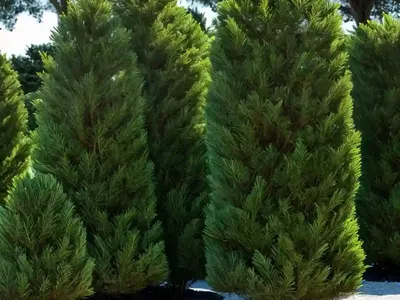
Pond Cypress (Taxodium Distichum Var. Imbricarium)
Plant scientists have long marveled at the diversity and adaptability of plant species across the globe. Among the fascinating plant varieties, the pond.
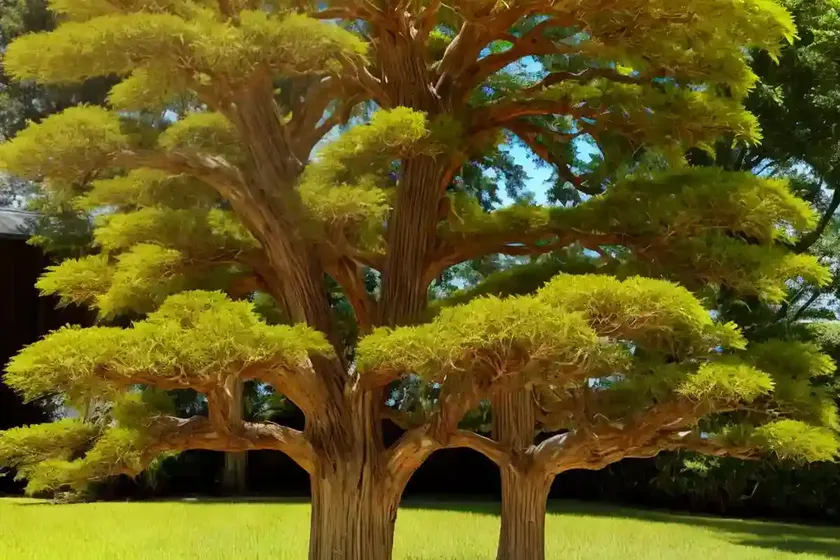
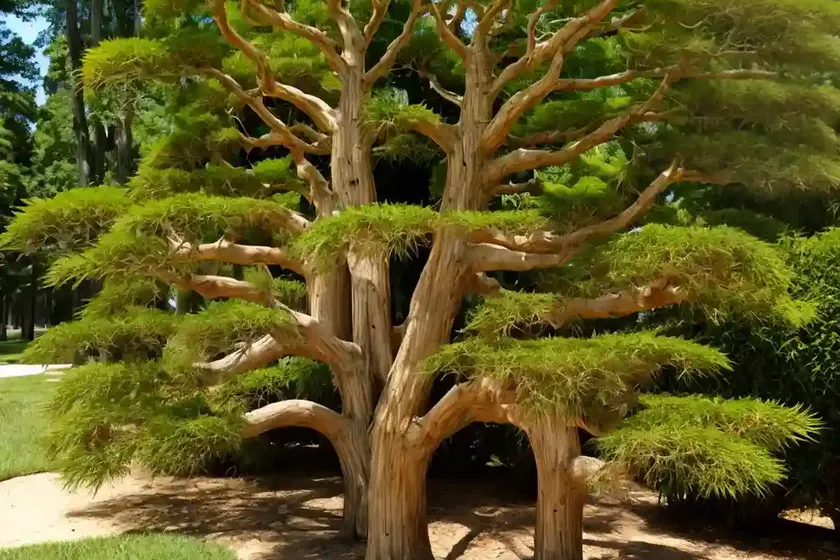
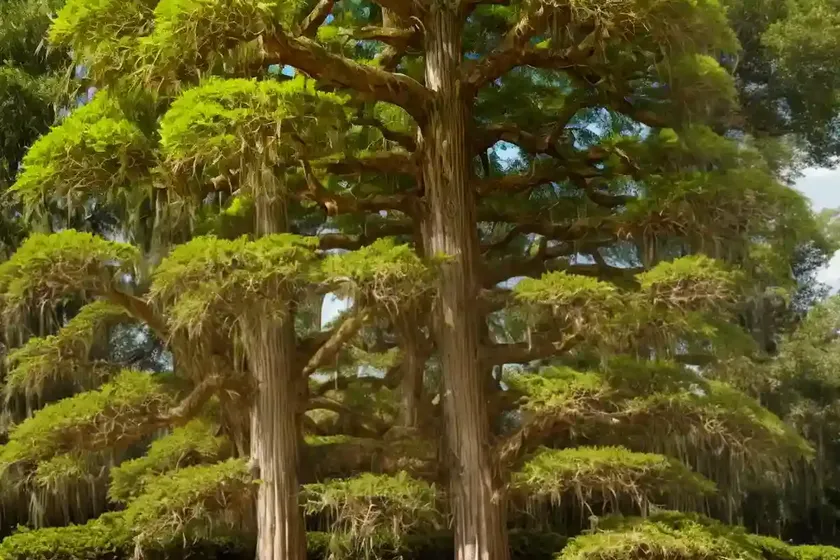
Plant scientists have long marveled at the diversity and adaptability of plant species across the globe. Among the fascinating plant varieties, the pond cypress (Taxodium distichum var. imbricarium) stands out for its unique characteristics and versatility. In this comprehensive guide, we will delve into the various aspects of this remarkable species, including its culture, uses, growth requirements, maintenance tips, common diseases, and much more.
What is Pond Cypress (Taxodium distichum var. imbricarium)?
Pond cypress, scientifically known as Taxodium distichum var. imbricarium, is a deciduous coniferous tree belonging to the Cupressaceae family. It is a close relative of the bald cypress (Taxodium distichum) and shares many of its defining traits. Pond cypress is native to the southeastern United States, where it thrives in wetland habitats, including swamps, marshes, and the margins of ponds and lakes. This species is well-adapted to survive in waterlogged conditions, which distinguishes it from many other conifers.
Pond cypress is celebrated for its striking appearance, with its feathery foliage, distinctive bark, and impressive stature adding to its allure. As a dominant species in wetland ecosystems, it plays a crucial role in supporting diverse flora and fauna while contributing to the ecological balance of its native habitats. Additionally, its resilience and adaptability make it a valuable ornamental and landscaping tree, further enhancing its significance.
Taxodium distichum var. imbricarium Key Takeaways:
- Scientific Name: Taxodium distichum var. imbricarium
- Common Name: Pond cypress tree
- Habitat: Typically found in wetland environments, such as swamps, marshes, and pond margins
- Growth Habit: Deciduous conifer with feathery foliage
- Environmental Impact: Contributes to the ecological balance of wetland ecosystems
- Ornamental Value: Prized for its striking appearance in landscaping
Now that we’ve established a foundational understanding of the pond cypress, let’s explore its culture, uses, and the key factors that contribute to its successful growth and maintenance.
Culture of Pond Cypress
Cultivating pond cypress successfully requires a nuanced understanding of its specific requirements and growth habits. By providing the ideal conditions, it is possible to harness the full potential of this remarkable tree and appreciate its beauty and functionality to the fullest extent.
Water
Unsurprisingly, water plays a pivotal role in the culture of pond cypress. Given its natural habitat in waterlogged environments, it thrives in consistently moist to wet soil. When cultivated in artificial settings, such as home gardens or landscaping projects, it is essential to replicate these conditions to ensure the tree’s optimal growth and health. Waterlogged or saturated soils are ideal for pond cypress, effectively mimicking its native wetland habitats.
- Pond Cypress Water Requirements: Consistently moist to wet soil; thrives in waterlogged conditions.
- Pond Cypress in Ponds and Lakes: Well-suited for planting in and around water bodies, contributing to the aesthetic and ecological appeal of ponds and lakes.
Sunlight
In terms of sunlight requirements, pond cypress exhibits a preference for full sun to partial shade. While it can tolerate a range of light conditions, providing ample sunlight is crucial for promoting vigorous growth and enhancing its ornamental value. When choosing a planting location, it is advisable to select a site that receives adequate sunlight for a significant portion of the day.
- Sunlight Preference: Full sun to partial shade; thrives in sunny to partially shaded environments.
Fertilizer
A balanced approach to fertilization is essential for supporting the healthy growth of pond cypress. While the tree can obtain some essential nutrients from its waterlogged surroundings, supplementing with a slow-release, balanced fertilizer can bolster its vitality and resilience. Application of fertilizer in early spring can provide the necessary nutrients to support vigorous growth and robust foliage.
- Fertilization: Utilize a slow-release, balanced fertilizer in early spring to support healthy growth.
Soil
The soil composition and quality are critical considerations when cultivating pond cypress. Given its preference for waterlogged conditions, the tree flourishes in acidic, loamy soils with good water retention capabilities. Additionally, the soil should be well-draining to prevent waterlogging, which could lead to root rot and other detrimental conditions.
- Soil Preferences: Acidic, loamy soil with good water retention; well-draining to prevent waterlogging.
- Pond Cypress for Wet Areas: Well-suited for planting in wet or waterlogged areas, contributing to the ecological and aesthetic appeal of such environments.
Uses of Pond Cypress
The pond cypress offers a wide array of uses, ranging from landscaping and ornamental purposes to its ecological contributions in natural ecosystems. Understanding these diverse applications provides valuable insights into the tree’s versatility and relevance in various settings.
Ornamental Value
One of the primary uses of pond cypress lies in its ornamental value. When incorporated into landscaping designs, the tree adds a unique and captivating aesthetic dimension, thanks to its feathery foliage, distinctive bark, and graceful form. Its ability to thrive in wetland settings makes it a sought-after choice for creating visually striking water features and contributing to the overall appeal of garden and landscape designs.
- Landscaping: Adds visual interest and texture to landscaping designs; well-suited for water features and wetland-themed gardens.
- Pond Cypress in Landscaping: Contributes to the creation of captivating and diverse landscape compositions.
Ecological Significance
In its native habitats, pond cypress plays an integral role in supporting diverse ecosystems. As a dominant species in wetland environments, it provides habitat and sustenance for various wildlife species, including birds, amphibians, and aquatic organisms. Furthermore, its presence contributes to stabilizing soil, mitigating erosion, and maintaining the ecological balance of its surroundings.
- Wildlife Benefits: Provides habitat and sustenance for diverse wildlife species in wetland environments.
- Erosion Prevention: Contributes to soil stabilization and erosion prevention in wetland ecosystems.
Decorative Wood Uses
Beyond its living form, the wood of pond cypress holds value for decorative and functional applications. Due to its durability and resistance to decay, the wood is suitable for crafting outdoor furniture, decorative elements, and other products that require a robust and weather-resistant material. Its unique grain patterns and rich hues further enhance its appeal in decorative woodworking projects.
- Wood Uses: Valued for crafting outdoor furniture, decorative elements, and other products requiring durable, weather-resistant wood.
- Pond Cypress Wood: Recognized for its durability, decay resistance, and decorative potential in woodworking.
Now that we’ve explored the cultural aspects and uses of the pond cypress, it’s essential to delve into the maintenance, propagation, and potential challenges associated with this distinctive tree.
Maintenance of Pond Cypress
Proper maintenance practices are crucial for ensuring the long-term health and vitality of pond cypress. From pruning techniques to disease prevention, addressing the tree’s specific needs is essential for maximizing its ornamental and ecological potential.
Pruning
Pruning is an integral aspect of pond cypress care, serving to shape the tree, remove dead or damaged branches, and enhance its overall appearance. When performing pruning, it is important to adhere to best practices to avoid causing harm to the tree and to promote healthy regrowth. Regular inspections can help identify areas in need of pruning and ensure the tree maintains its desired form and structure.
- Pruning Techniques: Prune to shape the tree, remove dead or damaged branches, and enhance its overall appearance.
- Pond Cypress Pruning: Regular inspections are important for identifying pruning needs and maintaining the tree’s health and form.
Propagation
Propagation methods provide opportunities to expand the presence of pond cypress and cultivate new trees for ornamental, ecological, or commercial purposes. Common propagation approaches include seed germination, stem cuttings, and division, each offering distinct benefits and considerations. By understanding and implementing these methods effectively, it is possible to propagate pond cypress with success.
- Propagation Methods: Seed germination, stem cuttings, and division are common techniques for propagating pond cypress.
- Growing Potted Pond Cypress: Allows for the cultivation of pond cypress in containers and controlled environments.
Disease Prevention and Diagnosis
While pond cypress is generally resilient, it is susceptible to certain diseases that can compromise its health and appearance. Implementing preventive measures and promptly addressing any signs of disease are essential for safeguarding the tree’s well-being. Understanding common diseases and their symptoms enables proactive management to minimize potential damage.
- Common Diseases: Familiarize with common diseases, such as cypress canker and root rot, to enable proactive management.
- Disease Diagnosis: Promptly identify and address signs of disease to protect the tree’s health and vitality.
Pest Management
Pest infestations can pose significant threats to pond cypress, particularly in cultivation settings. Monitoring for common pests and implementing appropriate control measures are crucial for preventing damage and preserving the tree’s vigor. Identifying potential pests and their typical behavior patterns facilitates targeted interventions to mitigate their impact effectively.
- Common Pests: Stay vigilant for pests like bagworms and cypress weevils, which can harm pond cypress.
- Pest Control: Implement measures to manage and control common pests, protecting the tree from potential harm.
With maintenance considerations and potential challenges in mind, it’s valuable to distill expert insights and recommendations for cultivating and caring for pond cypress.
Botanist’s Tips for Pond Cypress Care
As plant scientists and horticultural experts continue to explore the nuances of pond cypress care, a wealth of knowledge and best practices has emerged to guide enthusiasts, landscape professionals, and conservationists in harnessing the potential of this exceptional tree. Incorporating botanist’s tips into the care regimen can yield tangible benefits for the health and vitality of pond cypress, contributing to its overall success in diverse environments.
Planting Tips
When establishing pond cypress in a new location, it is crucial to prioritize proper planting techniques to facilitate successful establishment and growth. Considering factors such as soil preparation, watering, and follow-up care can significantly impact the tree’s ability to thrive in its new environment.
- Soil Preparation: Ensure the soil is acidic, loamy, and well-draining to support optimal growth and health.
- Watering: Provide consistent moisture during the establishment phase to promote root development and vitality.
- Follow-up Care: Monitor the tree’s progress and address any issues or deficiencies that may arise to support its long-term well-being.
Growth Rate and Characteristics
Understanding the growth rate and specific characteristics of pond cypress facilitates informed decisions regarding its placement and potential impact in various settings. Whether as an ornamental centerpiece in a garden or a vital component of a restoration project, leveraging this knowledge is essential for maximizing the tree’s contributions and appeal.
- Growth Rate: Recognize the tree’s growth rate to anticipate and plan for its development over time.
- Foliage and Bark Characteristics: Appreciate the unique foliage and bark of pond cypress as defining features of its visual appeal.
Landscape and Environmental Considerations
When integrating pond cypress into landscaping designs or restoration initiatives, thoughtful consideration of its environmental requirements and potential benefits is essential. By aligning planting choices and care practices with ecological considerations, it is possible to harness the tree’s inherent qualities for positive and lasting impacts.
- Environmental Importance: Acknowledge the tree’s role in supporting ecosystems and environmental balance, leveraging it for restoration and conservation purposes.
- Landscaping Ideas: Explore imaginative and intentional ways to incorporate pond cypress into diversified landscape compositions.
Seasonal Adaptations
Recognizing the seasonal changes and adaptations of pond cypress equips caretakers and observers with valuable insights into the tree’s behavior and needs throughout the year. By monitoring these seasonal variations, it is possible to tailor care practices and anticipate the tree’s responses to environmental cues.
- Seasonal Changes: Observe and respond to seasonal shifts in the tree’s growth patterns and physiological processes.
- Leaf Color Variations: Appreciate the changing hues of the tree’s foliage as part of its seasonal charm and beauty.
Now, let’s explore the captivating world of pond cypress from a different angle, shedding light on its fascinating attributes and interactions with its surroundings.
Fun Facts About Pond Cypress
Shedding light on the intriguing details and unique characteristics of pond cypress uncovers a world of fascination and appreciation for this remarkable tree. Exploring fun facts not only offers a glimpse into the tree’s captivating nature but also fosters a deeper connection and admiration for its contributions to natural and cultivated environments.
-
Adaptations for Wetland Habitats: Pond cypress boasts remarkable adaptations for thriving in waterlogged environments, including specialized root structures and physiological traits.
-
Wildlife Support: The tree provides essential habitat and sustenance for various wildlife species, contributing to the ecological richness of wetland ecosystems.
-
Seasonal Transitions: Pond cypress undergoes striking seasonal transitions, showcasing vibrant foliage color changes, from lush green to warm autumnal tones.
-
Historical Significance: With a presence dating back centuries, pond cypress holds historical and cultural significance, often intertwined with the narrative of wetland landscapes and their inhabitants.
-
Drought Tolerance: Despite its affinity for waterlogged conditions, pond cypress exhibits impressive drought tolerance, showcasing its adaptability and resilience.
-
Mosquito Control: By occupying water bodies and wetland areas, pond cypress contributes to natural mosquito control, reducing potential breeding sites and addressing pest concerns.
These fun facts provide a glimpse into the diverse and captivating nature of pond cypress, underscoring its multifaceted appeal and ecological significance. As we continue to cultivate an understanding of this species, it’s important to leverage external resources and expertise to deepen our knowledge and appreciation.
Links to External Resources
- U.S. Forest Service: Taxodium distichum var. imbricarium
- University of Florida IFAS Extension: Baldcypress and Pondcypress
- Lady Bird Johnson Wildflower Center: Taxodium distichum var. imbricarium
- Missouri Botanical Garden: Taxodium distichum var. imbricarium
- North Carolina Extension Gardener Plant Toolbox: Taxodium distichum var. imbricarium
By engaging with these reputable resources, enthusiasts, professionals, and conservationists can expand their understanding of pond cypress, gain practical insights, and further their commitment to fostering the well-being and conservation of this valuable species.
In conclusion, the pond cypress (Taxodium distichum var. imbricarium) stands as a testament to nature’s capacity for resilience, adaptation, and aesthetic allure. From its role in shaping wetland ecosystems to its ornamental presence in human-designed landscapes, this tree captures our imagination and embodies the interconnected narratives of natural and cultivated environments. By delving into its culture, uses, maintenance, and intrinsic qualities, we deepen our appreciation for the pond cypress and recognize the importance of conserving and celebrating its remarkable contributions.
Through ongoing research, cultivation, and conservation efforts, we can ensure the enduring presence of pond cypress, honoring its legacy and leveraging its unique attributes for the betterment of ecological, aesthetic, and cultural landscapes.
Note: This comprehensive guide on pond cypress (Taxodium distichum var. imbricarium) incorporates diverse insights, practical advice, and external resources to provide a detailed exploration of the species. Whether for enthusiasts, professionals, or conservationists, it serves as a valuable reference for understanding, cultivating, and celebrating the multifaceted nature of pond cypress.
- “Taxodium distichum var. imbricarium.” U.S. Forest Service. Link
- “Baldcypress and Pondcypress.” University of Florida IFAS Extension. Link
- “Taxodium distichum var. imbricarium.” Lady Bird Johnson Wildflower Center. Link
- “Taxodium distichum var. imbricarium.” Missouri Botanical Garden. Link
- “Taxodium distichum var. imbricarium.” North Carolina Extension Gardener Plant Toolbox. Link