Rosemary (Rosmarinus Officinalis)
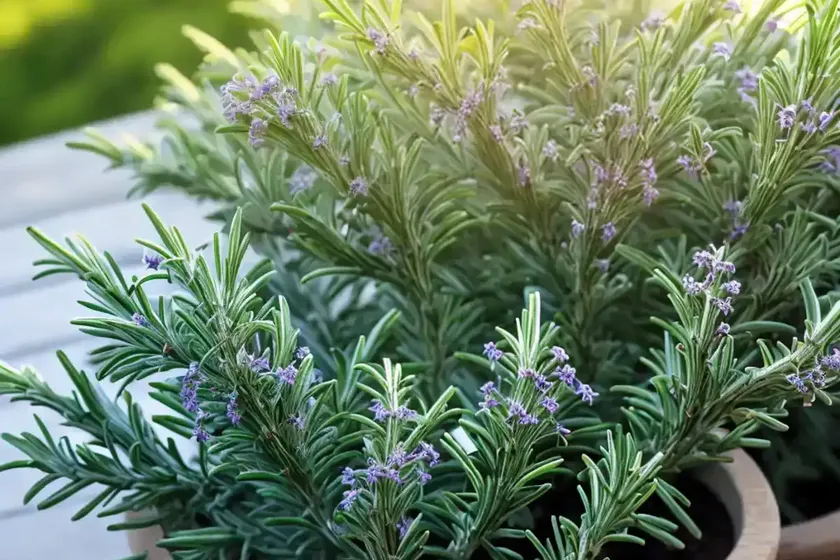
Rosemary (Rosmarinus officinalis) is a fragrant, evergreen herb native to the Mediterranean region. With its aromatic foliage and delicate flowers.
Introduction
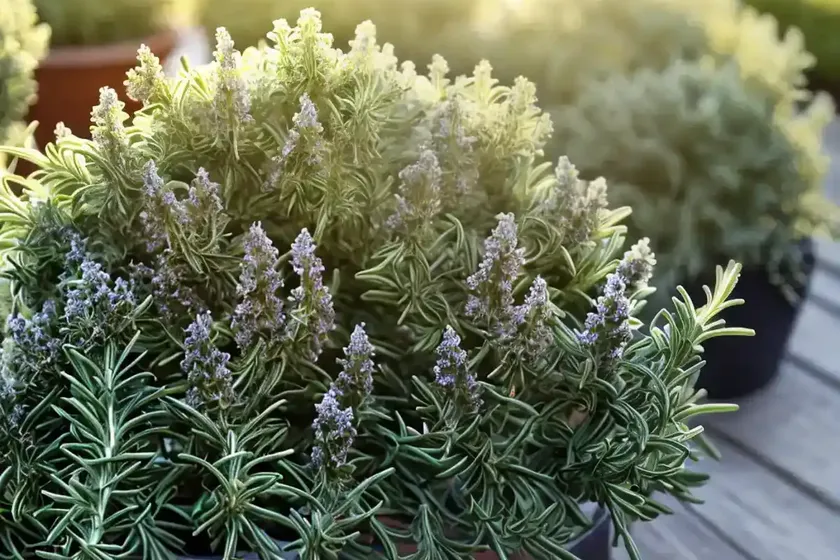
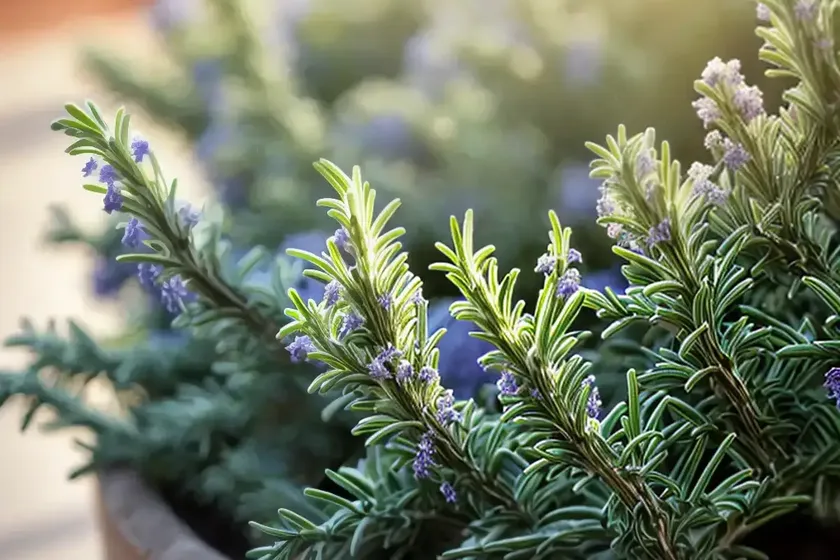
Rosemary (Rosmarinus officinalis) is a fragrant, evergreen herb native to the Mediterranean region. With its aromatic foliage and delicate flowers, Rosemary has been a valued herb for centuries due to its culinary, medicinal, and ornamental significance. In this comprehensive guide, we will delve into the various aspects of Rosemary cultivation, including its cultural needs, uses, propagation techniques, and common pests and diseases.
What is Rosemary (Rosmarinus officinalis)?
Rosemary, scientifically known as Rosmarinus officinalis, belongs to the Lamiaceae family, which also includes other well-known herbs such as mint, basil, and oregano. The name “Rosmarinus” is derived from the Latin words “ros,” meaning dew, and “marinus,” meaning sea, highlighting the plant’s natural habitat near the sea.
Key Takeaways
- Rosemary (Rosmarinus officinalis) is an aromatic, evergreen herb with a rich history of culinary, medicinal, and ornamental uses.
- It belongs to the Lamiaceae family and is native to the Mediterranean region.
- The name “Rosmarinus” reflects its habitat, as it thrives in areas near the sea, with its name originating from the Latin words for dew and sea.
Culture
Understanding the cultural requirements of Rosemary is essential for successful cultivation. Proper care ensures that the plant thrives and produces an abundant harvest of flavorful leaves and fragrant flowers.
Uses
Before diving into the specifics of growing Rosemary, let’s explore its wide array of uses.
- Culinary: Rosemary is a versatile herb used to flavor a variety of dishes, including roasted meats, stews, and vegetables. It adds a distinctive, pine-like aroma and a slightly woody flavor to culinary creations.
- Medicinal: In traditional medicine, Rosemary has been used to alleviate indigestion, enhance memory and concentration, and relieve muscle pain. It also exhibits antioxidant and anti-inflammatory properties.
- Ornamental: With its evergreen foliage and delicate blue flowers, Rosemary is commonly used as an ornamental plant in gardens and landscapes.
- Aromatic: The essential oil derived from Rosemary is popular in aromatherapy, offering a fresh, herbaceous scent that is believed to promote mental clarity and relaxation.
Now, let’s explore the essential cultural aspects vital for the successful growth of Rosemary.
Water
Rosemary is a drought-tolerant herb, and excessive moisture can lead to root rot. It thrives in well-drained soil and prefers infrequent, deep watering once the soil has begun to dry out. When establishing newly planted Rosemary, regular watering is essential to encourage strong root development.
Rosemary Watering Tips
- Frequency: Water deeply but infrequently, allowing the soil to dry out between waterings.
- Newly Planted Rosemary: Ensure consistent moisture for the first few weeks after planting to support root establishment.
- Established Rosemary: Once established, Rosemary generally requires minimal supplemental watering, especially in regions with regular rainfall.
Sunlight
Rosemary thrives in full sunlight, requiring at least six to eight hours of direct sunlight daily for optimal growth and productivity. Insufficient sunlight can result in leggy, spindly growth and reduced essential oil content in the leaves.
Sunlight Requirements for Rosemary
- Duration: Provide at least six to eight hours of direct sunlight per day.
- Location: Plant Rosemary in a sunny, well-exposed area, such as a south-facing garden bed or a sunny windowsill for indoor cultivation.
Fertilizer
Rosemary, once established, is relatively low-maintenance and does not require frequent fertilization. In fact, overly fertile soil can lead to excessive foliage growth and compromise the plant’s essential oil content.
Fertilization Guidelines for Rosemary
- Frequency: Apply a balanced, slow-release fertilizer sparingly in spring to support healthy growth.
- Type: Opt for a fertilizer with a balanced NPK ratio, such as 10-10-10, to avoid excessive nitrogen, which can lead to vigorous but less aromatic growth.
Soil
While Rosemary is adaptable to various soil types, it thrives in well-drained, slightly acidic to neutral soil with good aeration. In heavy, clayey soils with poor drainage, the risk of root rot increases, emphasizing the importance of well-draining soil for successful Rosemary cultivation.
Ideal Soil Conditions for Rosemary
- Drainage: Ensure excellent drainage to prevent waterlogging and root rot.
- pH: Aim for a slightly acidic to neutral pH range of 6.0 to 7.0.
- Texture: Well-draining, sandy loam or sandy soil is preferred, providing good aeration for the roots.
Pruning
Regular pruning not only helps maintain the shape and size of Rosemary plants but also encourages bushier growth and enhances air circulation, reducing the risk of disease. Pruning also allows for the regular harvest of fresh Rosemary sprigs for culinary and aromatic purposes.
Pruning Techniques for Rosemary
- Timing: Prune Rosemary in early spring before new growth emerges or after flowering to maintain a compact, bushy form.
- Method: Use sharp, clean pruners to remove about one-third of the new growth, focusing on shaping the plant and removing any dead or woody stems.
Propagation
Rosemary can be propagated through various methods, including seeds, cuttings, and layering. Each propagation method has its unique advantages, and the choice of technique often depends on the grower’s preference and the availability of plant material.
Propagation Methods for Rosemary
1. Propagating from Cuttings
- Select a healthy, non-flowering stem and take a 4-6 inch cutting.
- Remove the lower leaves and plant the cutting in a well-draining, sterile rooting medium.
- Keep the soil consistently moist and provide gentle bottom heat for faster root development.
2. Growing from Seeds
- Start Rosemary seeds indoors in early spring, as they require warmth and consistent moisture for germination.
- Transplant seedlings into individual pots once they develop a few sets of true leaves.
3. Layering
- Encourage layering by gently bending a low-hanging stem to the ground, wounding the portion that will be buried, and covering it with soil.
- After roots develop, the new plant can be separated from the parent, and established as an individual entity.
Container Popularity
Due to its adaptability and compact growth habit, Rosemary is a popular choice for container cultivation. It thrives in containers on sunny patios, balconies, and windowsills, allowing even those with limited garden space to enjoy the benefits of growing this versatile herb.
Growing Rosemary in Containers
Container Selection
- Choose a well-draining container with ample drainage holes to prevent waterlogging.
- Opt for a container with sufficient depth to accommodate the robust root system of Rosemary.
Soil Mix
- Use a well-draining potting mix with added perlite or coarse sand to improve aeration and drainage.
Placement
- Position the container in a sunny location, providing at least six to eight hours of direct sunlight daily.
Watering
- Monitor the moisture levels closely, ensuring that the soil is allowed to dry out slightly between watering sessions.
Common Diseases
While Rosemary is relatively resistant to diseases, certain conditions can predispose the plants to issues such as fungal infections and root rot. Understanding the signs and preventive measures for common diseases is crucial for maintaining healthy Rosemary plants.
Disease Diagnosis
Symptoms of common Rosemary diseases include wilting, yellowing foliage, and stunted growth. Additionally, fungal diseases can manifest as dark lesions on the stems and foliage, often accompanied by a fuzzy, mold-like growth.
Common Rosemary Diseases
- Powdery Mildew: Identified by a powdery white coating on the leaves, typically occurring in humid conditions.
- Root Rot: Caused by overly wet soil, leading to rotting of the roots and eventual decline of the plant.
- Botrytis Blight: Results in brown lesions on the stems and foliage, often leading to the collapse of affected plant parts.
Disease Prevention and Management
- Good Air Circulation: Ensure proper spacing of plants and adequate air movement to reduce humidity and minimize the risk of fungal diseases.
- Avoid Overwatering: Practice moderate watering and ensure well-draining soil to prevent root rot.
- Prune Infected Areas: Promptly remove and discard affected plant parts to prevent the spread of diseases.
Common Pests
While Rosemary is relatively resistant to pest infestations, certain insects may occasionally pose a threat to the plants. Being vigilant and proactive in pest management is essential for preserving the health and vitality of Rosemary.
Common Rosemary Pests
- Spider Mites: These tiny, spider-like pests can cause stippling and webbing on the foliage, leading to weakened, discolored plants.
- Aphids: Small, soft-bodied insects that congregate on the tender shoots and buds, sapping the plant’s vitality and excreting a sticky substance known as honeydew.
- Whiteflies: These small, white insects congregate on the undersides of leaves, causing yellowing and premature leaf drop.
Pest Management
- Natural Predators: Encourage the presence of beneficial insects such as ladybugs and lacewings, which feed on common Rosemary pests.
- Horticultural Oils: Use lightweight horticultural oils to smother and suffocate pest populations, especially for light infestations.
Botanist’s Tips for Growing Rosemary
To ensure the successful cultivation of Rosemary, here are some expert tips and recommendations from botanists and experienced growers:
Optimal Growing Conditions
- Provide well-draining soil, full sunlight, and minimal fertilization to mimic Rosemary’s natural habitat.
- Harvest the foliage regularly to encourage bushy growth and maintain the plant’s overall health and vigor.
Pruning Practices
- Regularly prune Rosemary to maintain a compact, bushy form and to prevent the plant from becoming woody and leggy.
- Utilize the harvested prunings for culinary, aromatic, and decorative purposes to minimize waste and maximize the plant’s utility.
Watering Regimen
- Let the soil dry out slightly between watering sessions to avoid waterlogged conditions, which can lead to root rot and other moisture-related issues.
- Adjust the watering frequency based on environmental conditions, watering more sparingly during cooler, less sunny periods.
Fun Facts about Rosemary
- In ancient Greece, students often wore garlands of Rosemary during exams to stimulate memory and concentration, leading to its association with remembrance and fidelity.
- The aromatic essential oil of Rosemary has been used as a natural insect repellent for centuries, helping to deter pests in homes and gardens.
- Rosemary is a member of the mint family, and its name is often associated with the Latin words for dew (ros) and sea (marinus), reflecting its natural habitat near the sea and its dew-like fragrance.
Links to External Resources
For additional information, resources, and further exploration of Rosemary cultivation, uses, and benefits, consider the following sources:
- Royal Horticultural Society – Rosemary Planting Tips
- University of Florida IFAS Extension – Rosemary: A Versatile Herb
- Michigan State University Extension – Growing Herbs Indoors
By providing an in-depth overview of Rosemary (Rosmarinus officinalis), its cultural requirements, uses, propagation techniques, and pest and disease management, this comprehensive guide aims to empower both novice and seasoned gardeners in successfully cultivating this versatile and cherished herb.
Remember, the journey of growing Rosemary is as rewarding as the herb itself, offering a fragrant, flavorful addition to gardens, homes, and culinary creations. Whether used for its culinary significance, medicinal properties, or ornamental appeal, Rosemary continues to captivate and enrich our lives, connecting us to centuries of tradition and natural splendor.


