Rose-painted Calathea (Goeppertia Roseopicta)
“Calathea Roseopicta, also known as the Rose-painted prayer plant, is a stunning and popular houseplant cherished for its vibrant and ornate foliage. As a.
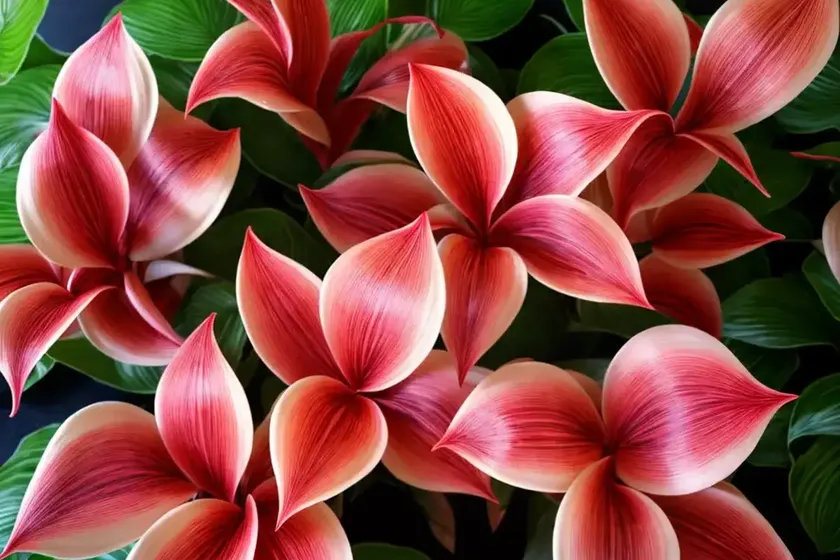
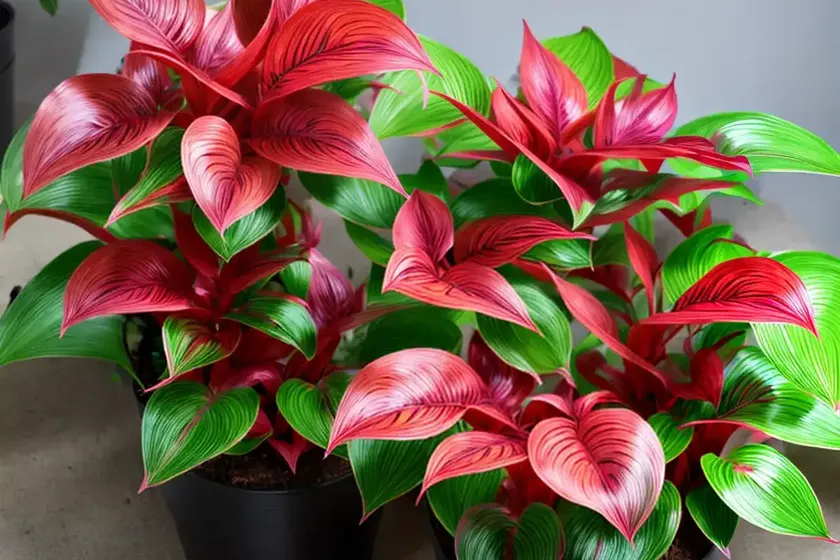
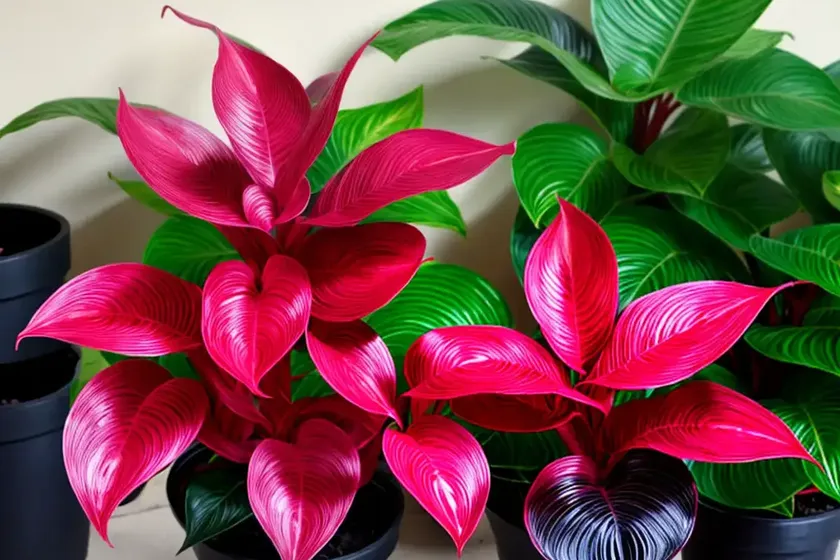
“Calathea Roseopicta, also known as the Rose-painted prayer plant, is a stunning and popular houseplant cherished for its vibrant and ornate foliage. As a plant scientist and enthusiast, I have witnessed the rising interest in this plant due to its striking appearance and relatively easy care requirements. In this comprehensive guide, I will delve into the culture, uses, care, propagation, common diseases, and interesting facts about the Rose-painted Calathea. Whether you’re a seasoned plant parent or a newcomer to the plant world, this guide provides valuable insights for nurturing and enjoying the beauty of the Rose-painted Calathea.”
What is a Plant: Rose-painted Calathea (Goeppertia Roseopicta)
The Rose-painted Calathea, scientifically known as Goeppertia Roseopicta, is a species of evergreen, perennial plant in the Arrowroot family, Marantaceae. It is native to the rainforests of Brazil and is cherished for its remarkable foliage featuring vivid patterns of various shades of green, pink, and burgundy. The striking leaves are the highlight of this plant, with its unique coloration and delicate markings making it a sought-after addition to indoor plant collections.
This plant belongs to the Calathea genus, which consists of various species valued for their decorative leaves and relative ease of care. The Rose-painted Calathea, in particular, is known for its distinct leaf patterns, which vary widely among different cultivars, making every plant a unique work of natural art.
Throughout this guide, I will use the terms “Rose-painted Calathea,” “Calathea Roseopicta,” and “Rose-painted prayer plant” interchangeably to refer to this captivating botanical specimen.
Let’s delve into the key takeaways and essential aspects of caring for the Rose-painted Calathea.
Key Takeaways – Rose-painted Calathea (Goeppertia Roseopicta)
Culture
- Scientific Name: Goeppertia Roseopicta
- Common Names: Rose-painted Calathea, Rose-painted prayer plant
- Family: Marantaceae
- Native Habitat: Brazil
Uses
- Indoor Ornamental Plant: The Rose-painted Calathea is primarily cultivated as an indoor ornamental plant for its stunning foliage.
- Air Purification: Like many other houseplants, it can contribute to indoor air purification by filtering out certain airborne toxins.
Water
- Moderate Watering: The Rose-painted Calathea prefers consistently moist but not waterlogged soil. It is sensitive to both drought and excessive moisture.
- Filtered Water: It is recommended to use filtered or distilled water to avoid the potential negative effects of chemicals in tap water.
Sunlight
- Indirect Light: This plant thrives in bright, indirect light. Direct sunlight can cause leaf scorching, so it’s best to shield it from harsh sun rays.
Fertilizer
- Regular Feeding: During the growing season, it benefits from regular applications of a balanced, water-soluble fertilizer designed for houseplants.
Soil
- Well-Draining, Peat-Based Mix: The Rose-painted Calathea prefers a well-draining potting mix with a high content of peat, which mimics its natural forest floor habitat.
Pruning
- Regular Maintenance: Prune discolored, damaged, or dead leaves to maintain the plant’s appearance and health. It’s essential to use sterile tools to prevent the spread of disease.
Propagation
- Division: The Rose-painted Calathea can be propagated through division during repotting, ideally in the spring or early summer.
Container
- Suitable Pot Size: Choose a pot with drainage holes that is slightly larger than the plant’s current container. Adequate drainage is crucial to prevent waterlogging.
Popularity
- Rising Popularity: The Rose-painted Calathea has gained significant popularity among houseplant enthusiasts and interior designers due to its stunning visual appeal.
Common Diseases
- Fungal Infections: The plant is susceptible to fungal diseases, particularly when exposed to excessive moisture or poor ventilation.
Disease Diagnosis
- Brown Spots and Leaf Curling: These symptoms often indicate fungal infections or inadequate growing conditions. Prompt diagnosis and corrective measures are crucial.
Common Pests
- Spider Mites and Aphids: Like many indoor plants, the Rose-painted Calathea can attract common pests that can be mitigated with regular monitoring and appropriate interventions.
Botanist’s Tips
- Humidity Management: Maintaining adequate humidity levels is vital for the plant’s health and beautiful foliage.
Fun Facts
- The rhythmic opening and closing of the Rose-painted Calathea’s leaves in response to light changes have earned it the nickname “prayer plant.”
Now that we have an overview of the essential aspects related to the Rose-painted Calathea, let’s explore each of these factors in detail to provide you with comprehensive guidance for nurturing and enjoying this botanical gem.
Culture
Before delving into the specific care requirements for the Rose-painted Calathea, it’s essential to understand its botanical background and the significance of its native habitat.
Native Habitat
The Rose-painted Calathea originates from the tropical rainforests of Brazil, where it thrives in warm, humid, and shaded conditions. Within its natural habitat, it occupies the forest understory, receiving dappled light and ample humidity from the rainforest environment. The unique climate and environment of its native range have significantly influenced its care needs as a houseplant.
Understanding the plant’s natural habitat provides valuable insights into its preferred growing conditions and allows us to replicate these factors to ensure its health and vitality in our homes.
Indoor Environment
When cultivating the Rose-painted Calathea indoors, it’s crucial to create an environment that mimics its native habitat as closely as possible. This involves considerations of light, humidity, temperature, and soil moisture to provide the optimal conditions for its growth and well-being.
Uses
The Rose-painted Calathea is primarily valued for its ornamental foliage, making it a popular choice for indoor decor. Its vibrant and intricately patterned leaves add a touch of natural beauty to any space, from homes to offices and commercial settings. As an air-purifying plant, it contributes to improving indoor air quality by absorbing certain airborne pollutants, thus enhancing the overall living or working environment.
The visual appeal of the Rose-painted Calathea goes beyond its aesthetic function, as it also offers an opportunity for plant enthusiasts to engage in the rewarding practice of nurturing a living, breathing organism. Its responsiveness to environmental factors such as light and moisture makes it an interactive and captivating addition to any indoor plant collection.
Water
When it comes to watering the Rose-painted Calathea, striking a balance is key. The plant prefers consistently moist but not waterlogged soil, as excessive dryness can lead to wilting and leaf damage, while waterlogged conditions can result in root rot and other complications.
Watering Guidelines
- Consistent Moisture: It’s essential to maintain a consistent level of moisture in the soil, allowing it to dry slightly before the next watering to prevent water stagnation.
- Filtered Water: Using filtered or distilled water is recommended to avoid potential damage from the chemicals present in tap water, such as chlorine and fluoride, which can adversely affect the plant’s health.
- Avoid Overhead Watering: Directly watering the foliage can lead to water retention in the leaf axils, increasing the risk of fungal diseases. Water the soil directly to prevent this issue.
Watering Frequency
The frequency of watering may vary based on environmental factors such as temperature, humidity, and the specific growing conditions in your home. Observing the moisture level of the soil and the plant’s response to watering can help determine an appropriate watering schedule.
- Summer: During the warm summer months, the plant typically requires more frequent watering to compensate for increased evaporation and growth.
- Winter: In contrast, reduced light and lower temperatures in winter may necessitate less frequent watering, as the plant’s growth and water uptake decrease.
Signs of Overwatering and Underwatering
Observing the following signs can help in diagnosing potential issues related to watering:
- Overwatering: When the soil remains consistently wet or water accumulates in the saucer, it can lead to root rot, yellowing leaves, and a musty smell emanating from the soil.
- Underwatering: The plant may exhibit wilting, drooping leaves, browning at the leaf edges, and general signs of dehydration when it does not receive adequate moisture.
Balancing the water needs of the Rose-painted Calathea is integral to its overall care, contributing significantly to its health and vitality.
Sunlight
The Rose-painted Calathea thrives in bright, indirect light, replicating the conditions it experiences in its native rainforest habitat. Direct sunlight can be harsh on its delicate leaves, leading to leaf scorching and damage. Therefore, it is crucial to shield the plant from direct sun rays, especially during the intense midday hours.
Light Requirements
- Bright Indirect Light: Position the plant in a location that receives bright, indirect light, such as near a north or east-facing window. This provides the appropriate illumination without risking leaf damage.
- Low-Light Tolerance: While it appreciates bright conditions, the Rose-painted Calathea can adapt to lower light levels, making it suitable for interiors with varying light intensities.
Sunlight Exposure
- Rotation: Regularly rotating the plant can promote even growth and prevent it from leaning towards the light source.
- Avoid Direct Sun: Shield the plant from direct sun exposure by using sheer curtains or placing it behind other plants to diffuse the light.
Light Duration
The duration of light exposure is another aspect to consider, particularly in artificial lighting conditions. Providing the plant with a consistent light schedule, including periods of darkness during the night, helps maintain its natural rhythms and metabolic processes.
By paying attention to the plant’s light requirements and ensuring it receives appropriate illumination, you can support its growth and vibrant foliage while preventing potential light-related issues.
Fertilizer
Feeding the Rose-painted Calathea with a balanced, water-soluble fertilizer is an integral part of its care regimen, particularly during the active growing season. Fertilization provides essential nutrients that support healthy foliage development and overall plant vigor.
Fertilizer Types
- Complete Fertilizer: Choose a well-balanced, water-soluble fertilizer formulated for houseplants, with an equal ratio of nitrogen, phosphorus, and potassium (e.g., 20-20-20).
- Diluted Fertilizer: Dilute the fertilizer to half or quarter strength to prevent the risk of over-fertilization, especially with sensitive plants like the Rose-painted Calathea.
Fertilization Frequency
- Growing Season: During the growing season in spring and summer, feed the plant every 2-4 weeks to support its active growth and vibrant foliage.
- Reduced Frequency: In fall and winter, when the plant’s growth slows down, reduce the frequency of fertilization to once every 6-8 weeks.
Application Method
- Even Distribution: Apply the diluted fertilizer evenly to the moist soil, avoiding direct contact with the foliage to prevent potential burning.
Nutrient Balance
Maintaining a balanced nutrient intake is crucial for preventing nutrient deficiencies or imbalances that can affect the plant’s health and appearance. Regular fertilization supports the Rose-painted Calathea’s vitality and contributes to the longevity of its vibrant foliage.
Soil
Choosing the right type of soil and ensuring proper drainage are vital for the health and well-being of the Rose-painted Calathea. The plant’s native habitat in the rainforests of Brazil offers valuable insights into the ideal soil composition that replicates its natural growing conditions.
Soil Composition
- Peat-Based Mix: The Rose-painted Calathea thrives in a well-draining potting mix with a high content of peat, which resembles the organic, moisture-retentive soil found on the rainforest floor.
- Additional Components: Mixing in perlite, pine bark, or other organic materials can enhance drainage and aeration in the soil, preventing waterlogging.
Drainage
- Effective Drainage: Use pots with drainage holes to facilitate the efficient removal of excess water, preventing the soil from becoming waterlogged.
- Sufficient Air Circulation: Adequate drainage promotes air circulation around the roots, reducing the risk of root rot and other moisture-related issues.
Potting Mix Considerations
- Quality Potting Soil: Choose a high-quality potting soil specifically designed for indoor plants, ensuring it provides the necessary nutrients and structure for healthy growth.
- Regular Inspection: Periodically inspect the soil to assess its moisture levels and overall condition, making adjustments as needed to maintain proper soil quality.
By providing the Rose-painted Calathea with a suitable growing medium and ensuring effective drainage, you create the foundational conditions for its growth and well-being.
Pruning
Regular pruning and maintenance contribute to the health, appearance, and longevity of the Rose-painted Calathea. By removing damaged, discolored, or aging foliage, you enhance the plant’s overall aesthetic appeal and promote vigorous new growth.
Pruning Guidelines
- Sterile Tools: Use clean, sharp scissors or pruning shears to prevent the spread of diseases and minimize stress on the plant.
- Yellowed or Brown Leaves: Trim away any discolored leaves, focusing on the damaged portions while retaining healthy sections.
- Tidying Strategy: As part of routine maintenance, periodically remove spent flowers and any debris that accumulates on the soil surface.
Timing
- Year-Round Maintenance: Pruning can be performed as needed throughout the year to address specific issues such as disease, damage, or aesthetic concerns.
- Spring Refresh: In the spring, consider a more comprehensive pruning session to remove any winter damage and promote robust new growth.
Propagation Opportunities
- Division: When pruning the Rose-painted Calathea, consider the potential for propagation through division, particularly if the plant has become crowded or outgrown its current container.
Aesthetic Considerations
- Enhancing Symmetry: Pruning can help maintain the plant’s natural shape and balance, preventing it from becoming leggy or unkempt.
- Leaf Trimming: If the plant’s foliage becomes unruly or overgrown, selectively trimming certain leaves can improve its overall appearance.
Regular maintenance through pruning supports the health and visual appeal of the Rose-painted Calathea, ensuring it remains a stunning centerpiece in any indoor setting.
Propagation
The propagation of the Rose-painted Calathea offers an opportunity to expand your plant collection or share its beauty with others. While it may require patience and careful attention, successful propagation can yield new plants with the same captivating aesthetic appeal as the parent specimen.
Propagation Methods
- Division: This method involves separating the plant into individual sections, each with its own roots and leafy growth points. It is the most common and reliable propagation technique for the Rose-painted Calathea.
- Offset Removal: As the plant matures, it may produce offsets, or small side shoots with their own roots, which can be carefully removed and potted to produce new plants.
- Leaf Cuttings: While more challenging, propagating from leaf cuttings is possible, with the potential to produce new plants given the right conditions and care.
Propagation Timing
- Spring and Summer: The active growing season, particularly spring and early summer, offers the best conditions for successful propagation, as the plant’s growth and vitality are at their peak.
Propagation Considerations
- Healthy Parent Plant: Ensure the parent plant is in good health and vigor before attempting propagation, as strong, thriving specimens are more likely to produce successful offspring.
- Patience: Propagation may require time and patience, as newly propagated plants establish themselves and develop into robust specimens.
- Environmental Factors: Provide consistent warmth, humidity, and gentle light to encourage the successful establishment of newly propagated plants.
Successful propagation allows you to multiply the presence of the Rose-painted Calathea in your indoor space while sharing its beauty with other plant enthusiasts.
Container
Choosing the right container for the Rose-painted Calathea is crucial for providing it with a suitable growing environment. The container’s size, material, and drainage capabilities all play key roles in supporting the plant’s health and preventing potential issues such as waterlogging and root rot.
Pot Size
- Room for Growth: Select a pot that provides ample space for the plant’s roots to grow and expand, allowing for unrestricted development.
- Slight Increase: When repotting, choose a container that is slightly larger than the plant’s current pot, offering room for growth without an excessive soil volume that could lead to overwatering.
Drainage Holes
- Essential Feature: Ensure that the chosen container has sufficient drainage holes to allow excess water to escape, preventing waterlogging and potential root damage.
- Safer Watering: Effective drainage promotes a healthier root system, reduces the risk of mold and root rot, and minimizes the chance of overwatering.
Container Material
- Porosity and Insulation: Consider pots made of breathable materials such as terracotta, which offer good air circulation around the roots and help regulate soil moisture.
- Plastic Containers: While less porous, plastic containers can be beneficial in maintaining consistent moisture levels, especially in drier indoor environments.
Repotting Frequency
- Growth Assessment: Monitor the plant’s growth and root development to determine when it requires repotting into a larger container.
- Every 2-3 Years: As a general guideline, plan to repot the Rose-painted Calathea every 2-3 years, providing it with fresh soil and room for further growth.
By selecting an appropriate container and ensuring optimal conditions for the plant’s root system, you provide a solid foundation for the Rose-painted Calathea to thrive and flourish.
Popularity
The Rose-painted Calathea has witnessed a notable surge in popularity among plant enthusiasts and interior decorators in recent years. Its visually striking leaves, marked by intricate patterns and vibrant colors, have propelled it to the forefront of the houseplant trend, earning it a place as a coveted and sought-after addition to indoor plant collections.
Interior Design Appeal
- Statement Piece: The Rose-painted Calathea’s bold foliage makes it a striking focal point in interior spaces, adding visual interest and natural beauty to any setting.
- Versatile Aesthetic: Its varied leaf patterns and colors enable it to complement a wide range of interior design styles, from modern and minimalist to eclectic and bohemian.
Social Media and Online Presence
- Visual Allure: The plant’s photogenic qualities have contributed to its popularity on social media platforms, where it is often showcased in home decor and plant styling posts.
- Community Engagement: Enthusiasts share their experiences with the Rose-painted Calathea, fostering a sense of community and knowledge exchange in the plant care realm.
Wellness and Biophilic Design
- Wellness Benefits: The presence of the Rose-painted Calathea in indoor spaces aligns with the growing emphasis on biophilic design and its positive impacts on mental well-being and stress reduction.
- Visual Connection to Nature: Its lush foliage and natural aesthetic create


