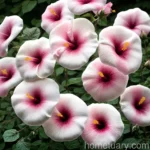
Rose of Sharon (Hibiscus syriacus ‘Lucy’): A Comprehensive Plant Guide
The rose of Sharon (Hibiscus syriacus ‘Lucy’) is a delightful and versatile flowering plant that has been cherished by gardeners for generations. Known for its stunning blossoms and easy care, this plant adds beauty and charm to gardens and landscapes. In this comprehensive plant guide, we will explore everything you need to know about caring for and growing the rose of Sharon, from its cultural requirements and propagation methods to its common pests and diseases. Whether you are a seasoned gardener or a novice plant enthusiast, this guide aims to provide you with valuable insights and tips for successfully cultivating and enjoying this beloved plant.
What is the Rose of Sharon (Hibiscus syriacus ‘Lucy’)?
The rose of Sharon, scientifically known as Hibiscus syriacus ‘Lucy’, is a deciduous flowering shrub belonging to the family Malvaceae. This plant is prized for its stunning, hibiscus-like flowers that bloom prolifically throughout the summer and into the early fall. Native to eastern Asia, including China, India, and Korea, the rose of Sharon has been cultivated for centuries and has become a popular ornamental plant in various parts of the world.
Hibiscus syriacus ‘Lucy’ is a cultivar of the species Hibiscus syriacus, and it is distinguished by its striking pink, red, or magenta flowers, depending on the variety. The plant’s lush foliage and its ability to thrive in a range of growing conditions make it a favorite choice for home gardens, parks, and urban landscapes.
Key Takeaways – Rose of Sharon (Hibiscus syriacus ‘Lucy’)
Before delving into the specific aspects of caring for the rose of Sharon, let’s summarize the key takeaways regarding this captivating plant:
- Flower Characteristics: Hibiscus syriacus ‘Lucy’ produces large, colorful flowers with a distinctive hibiscus-like appearance, blooming in shades of pink, red, or magenta.
- Growth and Size: As a deciduous shrub, the rose of Sharon typically reaches a height of 8-12 feet and a spread of 4-10 feet, making it a versatile addition to various landscape settings.
- Cultural Requirements: This plant thrives in well-drained soil and requires adequate sunlight for optimal growth and flowering. It is relatively low-maintenance, making it suitable for both experienced and novice gardeners.
- Versatile Uses: The rose of Sharon can be utilized as a standalone ornamental shrub, a hedge, or a focal point in mixed borders. Its beautiful flowers make it a popular choice for attracting pollinators and adding color to outdoor spaces.
The following sections will provide detailed insights into various aspects of rose of Sharon care, including culture, uses, watering, sunlight requirements, soil preferences, pruning, propagation techniques, and much more.
Culture
Proper cultural practices are essential for ensuring the healthy growth and development of the rose of Sharon. From planting to maintenance, understanding the plant’s cultural requirements is crucial for promoting vibrant blooms and overall vitality.
Planting
When it comes to planting the rose of Sharon, it is important to choose a location that offers well-drained soil and ample sunlight. The plant can thrive in various soil types, including loamy, sandy, and clay soils, as long as the drainage is adequate. Before planting, it is advisable to prepare the soil by incorporating organic matter and ensuring that the planting site receives at least 6-8 hours of direct sunlight daily.
Here are some key planting guidelines to consider:
- Site Selection: Choose a spot with well-drained soil and full sun exposure.
- Soil Preparation: Amend the soil with organic matter, such as compost or aged manure, to improve its fertility and drainage.
- Planting Depth: Dig a hole that is twice as wide as the plant’s root ball and at the same depth. Refrain from planting too deeply, as it can lead to waterlogging and root rot.
Once planted, the rose of Sharon should be watered thoroughly to settle the soil and promote establishment. Applying a layer of mulch around the base of the plant can help conserve moisture and inhibit weed growth. Mulching also provides insulation to the root system, especially during extreme weather conditions.
Watering
Maintaining proper soil moisture is crucial for the rose of Sharon, especially during the early stages of growth and establishment. While the plant is relatively drought-tolerant once established, it is important to provide regular watering, particularly during hot, dry periods.
Here are some watering tips for the rose of Sharon:
- Establishment Phase: Water newly planted shrubs deeply and regularly, ensuring that the root ball remains consistently moist. Avoid overwatering, as it can lead to root suffocation and other issues.
- Established Plants: Once the plant is well-established, water deeply but infrequently. Allow the soil to dry out slightly between watering sessions to encourage the development of a robust root system.
It is important to monitor the soil moisture levels and adjust the watering frequency based on environmental conditions and the plant’s specific needs. Implementing a drip irrigation system or soaker hoses can be an effective way to deliver consistent moisture to the rose of Sharon while minimizing water wastage.
Sunlight
The rose of Sharon thrives in full sun to partial shade, requiring a minimum of 6 hours of direct sunlight to bloom and grow optimally. In regions with hot summers, providing some afternoon shade can help prevent the plant from experiencing heat stress and sunburn.
Here are some sunlight-related considerations for the rose of Sharon:
- Sun Exposure: Ensure that the plant receives ample sunlight to promote flowering and vigorous growth. Inadequate sunlight can result in reduced blooming and overall diminished plant health.
- Shade Protection: In areas with intense afternoon sun, consider planting the rose of Sharon where it can benefit from some partial shade during the hottest part of the day.
Maintaining an ideal balance of sunlight exposure is essential for maximizing the plant’s ornamental value and ensuring its overall well-being.
Fertilizer
Proper nutrition is key to promoting robust growth and prolific blooming in the rose of Sharon. While the plant is relatively adaptable to a range of soil conditions, providing a balanced fertilizer can help support its nutrient requirements and overall vitality.
Consider the following fertilizer recommendations for the rose of Sharon:
- Timing: Apply a balanced, slow-release fertilizer in early spring, just before new growth emerges. Avoid fertilizing late in the growing season, as it can stimulate late, tender growth that may be susceptible to damage from early frosts.
- Formulation: Choose a fertilizer with a balanced NPK (nitrogen, phosphorus, and potassium) ratio, such as 10-10-10 or 20-20-20, to provide essential nutrients without promoting excessive vegetative growth.
Applying a layer of organic mulch around the base of the plant can also help enrich the soil and supply a steady source of nutrients as it decomposes. Additionally, incorporating organic matter into the soil during the planting phase can further enhance the plant’s access to essential nutrients.
Uses
The rose of Sharon (Hibiscus syriacus ‘Lucy’) offers a range of versatile uses in garden landscapes, thanks to its stunning flowers, attractive foliage, and adaptable growth habits. Whether used as a standalone specimen, a hedge, or a focal point in mixed borders, this plant has much to offer in terms of ornamental appeal and functional benefits.
Ornamental Value
One of the primary uses of the rose of Sharon is its ornamental value, owing to the plant’s beautiful and abundant blooms. The large, showy flowers in shades of pink, red, or magenta add a burst of color to outdoor spaces, attracting pollinators and creating a vibrant, eye-catching display. Whether planted as a single specimen or in groupings, the rose of Sharon serves as an attractive focal point in gardens and landscapes.
Privacy Screening and Hedging
Due to its vigorous growth and dense foliage, the rose of Sharon is often utilized as a privacy screen or as part of a formal or informal hedge. When planted in rows or clusters, the shrub can create a natural barrier, providing seclusion and adding greenery to the landscape. Its capacity to withstand pruning makes it an excellent choice for shaping into a formal hedge, adding structure and definition to outdoor environments.
Pollinator Attraction
The abundant nectar and pollen produced by the rose of Sharon’s flowers make it a valuable resource for pollinators, including bees, butterflies, and hummingbirds. By planting this shrub, gardeners can support local pollinator populations and contribute to the ecological diversity of their surroundings. The presence of pollinators can also enhance the overall health of the garden ecosystem, promoting fruit set in nearby plants and ensuring a thriving, balanced environment.
Mixed Borders and Landscapes
In mixed borders and landscape designs, the rose of Sharon can be integrated with other flowering shrubs, perennials, and ornamental grasses to create visually appealing and dynamic compositions. Its tall, upright growth habit and striking flowers make it a natural fit for blending with various plant types, adding vertical interest, and contributing to a diverse and visually captivating landscape.
Given its versatile uses, the rose of Sharon is a valuable addition to any garden or landscape setting, offering both aesthetic and functional benefits that enhance the overall appeal and ecological significance of the outdoor environment.
Pruning
Proper pruning is essential for maintaining the shape, health, and flowering performance of the rose of Sharon. By employing appropriate pruning techniques, gardeners can encourage abundant blooms, manage the plant’s size, and remove any damaged or diseased growth.
Pruning Guidelines
Here are some essential pruning guidelines for the rose of Sharon:
- Timing: Prune the rose of Sharon in late winter to early spring, before the onset of new growth. This timing allows for the removal of any winter damage while providing ample time for the plant to recover and produce new growth in the upcoming growing season.
- Deadheading: Remove spent flowers promptly to encourage the development of new blooms and prevent the plant from expending energy on seed production.
- Size Control: If the plant is becoming too large or unruly, prune selectively to shape and control its growth. Remove any crossing or crowded branches to improve air circulation and overall plant health.
Frequent and selective pruning can help maintain the rose of Sharon’s desired size and form, leading to a more compact and attractive appearance in the landscape. Pruning also contributes to the plant’s overall vigor and longevity by minimizing the risk of disease and enhancing its ability to produce new growth and flowers.
Propagation
Propagation of the rose of Sharon can be accomplished through various methods, including seeds, cuttings, and layering. By understanding and employing suitable propagation techniques, gardeners can multiply their plant stock and introduce new cultivars to their gardens and landscapes.
Propagation Methods
1. Seed Propagation
Collecting and sowing seeds from mature rose of Sharon plants is a straightforward method for propagating new specimens. This approach allows for the cultivation of plants with unique characteristics, as the seedlings may exhibit genetic variations and offer surprises in terms of flower color and form.
To propagate the rose of Sharon from seeds, follow these basic steps:
- Collect seeds from mature, healthy plants after the flowering period.
- Clean and dry the seeds before sowing them in well-drained potting mix.
- Provide consistent moisture and warmth to facilitate germination, and transplant the seedlings into individual containers once they have developed several sets of true leaves.
Seed propagation is an accessible and rewarding method for introducing new rose of Sharon plants to the garden, providing the opportunity to observe and select unique traits among the resulting offspring.
2. Stem Cuttings
Propagating the rose of Sharon from stem cuttings offers a reliable and efficient way to replicate desired cultivars and ensure genetic uniformity. The process involves taking vegetative cuttings from a healthy parent plant and encouraging them to form roots and develop into individual plants.
Here’s a brief overview of the stem cutting propagation process:
- Select healthy, non-flowering shoots and take 6-8 inch cuttings in early summer.
- Remove the lower leaves from the cuttings and dip the cut ends in a rooting hormone to stimulate root development.
- Plant the cuttings in a well-draining rooting medium and maintain consistent humidity and warmth to support root formation.
Stem cutting propagation is an effective means to preserve and propagate specific rose of Sharon varieties, allowing gardeners to expand their plant collection and share their favorite cultivars with fellow gardening enthusiasts.
Popularity
The rose of Sharon (Hibiscus syriacus ‘Lucy’) has maintained enduring popularity among gardeners and landscape enthusiasts for numerous reasons. Its captivating blooms, adaptability, and ease of care contribute to its widespread appeal and consistent presence in gardens and outdoor settings across the globe.
Historic and Cultural Significance
With a history of cultivation dating back centuries, the rose of Sharon has earned a place of significance in various cultural traditions and gardening practices. Recognized for its beauty and symbolism, the plant has been celebrated in art, literature, and religious contexts, reflecting its enduring allure and cultural relevance.
Ornamental Appeal
The stunning, hibiscus-like flowers of the rose of Sharon serve as a primary attraction, drawing admirers and enthusiasts seeking to add visual interest and color to their outdoor spaces. The plant’s availability in a range of flower colors and forms contributes to its desirability, allowing for customization and personalization based on individual preferences and aesthetic themes.
Easy Care and Versatility
The rose of Sharon’s reputation for low-maintenance care, adaptability to diverse growing conditions, and versatility in landscaping applications further contributes to its popularity. Whether utilized as a standalone specimen, a hedge, or a component of mixed borders, the plant’s ability to thrive with minimal intervention appeals to both novice and seasoned gardeners.
Wildlife Attraction and Ecological Value
The plant’s capacity to attract pollinators, such as bees and butterflies, underscores its ecological significance and valuable role in supporting local biodiversity. This attribute not only enhances the natural beauty of outdoor environments but also contributes to the overall health and stability of local ecosystems.
Landscape Resilience
The rose of Sharon’s ability to withstand a range of growing conditions and its relative resilience in the face of environmental stressors further contribute to its popularity. Its adaptability to urban settings, varying soil types, and moderate drought conditions positions it as a reliable and enduring choice for gardens, public spaces, and commercial landscapes.
Given its rich history, ornamental appeal, functional benefits, and adaptability, the rose of Sharon (Hibiscus syriacus ‘Lucy’) stands as a beloved and enduring favorite in the realm of ornamental horticulture.
Common Diseases
While the rose of Sharon (Hibiscus syriacus ‘Lucy’) is generally robust and resilient, it is susceptible to certain diseases that can affect its overall health and appearance. By understanding and identifying these common diseases, gardeners can take proactive measures to prevent and manage potential issues, promoting the long-term vitality of their plants.
Anthracnose
Anthracnose is a fungal disease that can affect the rose of Sharon, causing leaf spots, stem cankers, and defoliation in severe cases. The disease is often exacerbated by wet, humid conditions, and it can spread rapidly under favorable environmental circumstances.
Symptoms
- Small, water-soaked lesions on leaves, which may enlarge and develop a purplish appearance.
- Dark, sunken spots on stems and branches, often leading to dieback and localized tissue damage.
- Premature defoliation, weakening of the plant, and overall diminished vigor.
Management
To manage anthracnose in the rose of Sharon, implement the following strategies:
- Ensure proper air circulation and adequate spacing between plants to reduce humidity levels and minimize favorable conditions for fungal growth.
- Remove and dispose of infected plant material, including affected leaves and branches, to limit the spread of the disease.
- Apply preventive fungicidal sprays during periods of high humidity and when potential infection is imminent, following label instructions for safe and effective use.
Powdery Mildew
Powdery mildew is a common fungal disease that can affect the rose of Sharon, particularly in conditions of high humidity and poor air circulation. The disease presents as a powdery, white coating on the plant’s leaves and stems, eventually leading to leaf distortion and premature leaf drop.
Symptoms
- White, powdery patches on the upper and lower leaf surfaces, often accompanied by curling or distortion of the affected foliage.
- Weakened and stunted growth, reduced flowering, and overall diminished aesthetic quality of the plant.
Management
To manage powdery mildew in the rose of Sharon, consider the following management practices:
- Improve air circulation around the plant by regular pruning and maintaining adequate spacing between neighboring plants.
- Apply preventive fungicidal sprays, focusing on the undersides of leaves and other susceptible plant surfaces.
- Remove and dispose of affected plant material to reduce the potential for disease spread and reinfection.
Cercospora Leaf Spot
Cercospora leaf spot is a fungal disease that can cause circular, brown or purple lesions on the rose of Sharon’s foliage, leading to premature leaf drop and aesthetic decline. The disease is favored by warm, humid conditions and can spread through splashing water and airborne spores.
Symptoms
- Small, circular lesions on the plant’s leaves, initially greenish but eventually turning brown or purple.
- Development of concentric rings within the lesions, giving them a distinctive appearance.
- Affected leaves may exhibit spotting, yellowing, and premature defoliation if the disease progresses unchecked.
Management
To manage Cercospora leaf spot in the rose of Sharon, consider the following preventive measures and management strategies:
- Water the plant at the base to minimize overhead watering and reduce leaf wetness, which can promote disease development.
- Remove and dispose of infected leaves to mitigate the spread of the disease and reduce the overall disease pressure on the plant.
- Utilize preventive fungicidal sprays during periods of environmental stress or when disease conditions are favorable.
By implementing these disease management strategies and remaining vigilant for early signs of disease, gardeners can help safeguard the health and resilience of their rose of Sharon plants, promoting their continued ornamental and functional value in the landscape.
Common Pests
In addition to diseases, the rose of Sharon (Hibiscus syriacus ‘Lucy’) may be susceptible to various pests that can impact its growth and vitality. Identifying and addressing common pests promptly can help prevent significant damage and ensure the continued health and vigor of the plant.
Aphids
Aphids are common sap-sucking insects that can affect the rose of Sharon, particularly during periods of new growth and budding. These small, soft-bodied pests congregate on tender shoots and the undersides of leaves, feeding on plant sap and secreting honeydew, which can lead to sooty mold development.
Symptoms
- Distorted or stunted new growth, often accompanied by curling or puckering of leaves.
- The presence of large numbers of aphids on the plant, particularly in the early morning or late afternoon.
- Sooty mold growth on the upper leaf surfaces and surrounding areas, potentially resulting from honeydew secretion by the aphids.
Management
To manage aphids on the rose of Sharon, consider the following pest control strategies:
- Use a strong stream of water from a garden hose to dislodge and remove aphids from affected plant parts.
- Apply insecticidal soap or neem oil to targeted areas to suffocate and control the pest population effectively.
- Introduce natural predators, such