Rose-of-sharon (Hibiscus Syriacus)
As a plant scientist and enthusiast, I am excited to delve into the world of Rose-of-Sharon (Hibiscus Syriacus). In this comprehensive guide, we will.
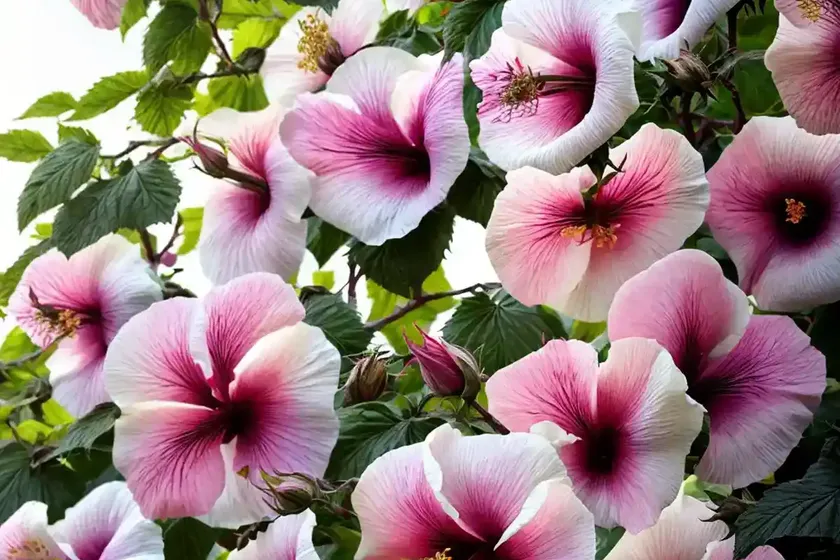
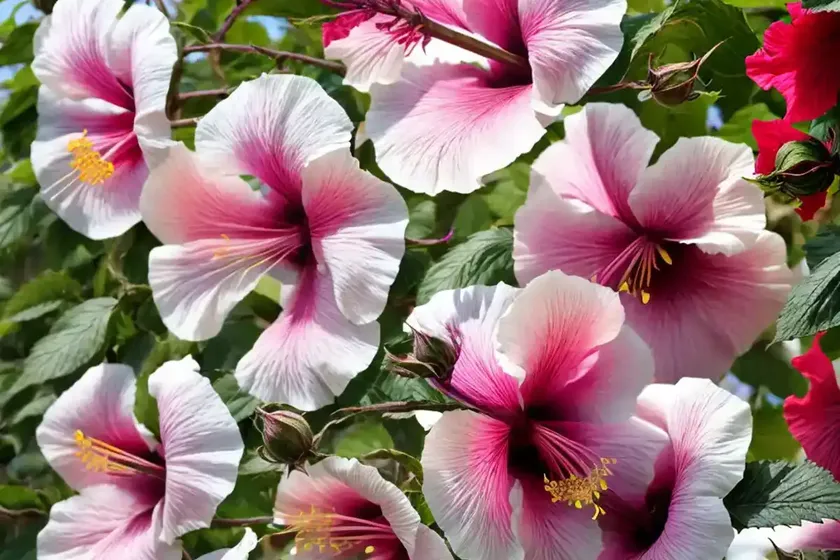
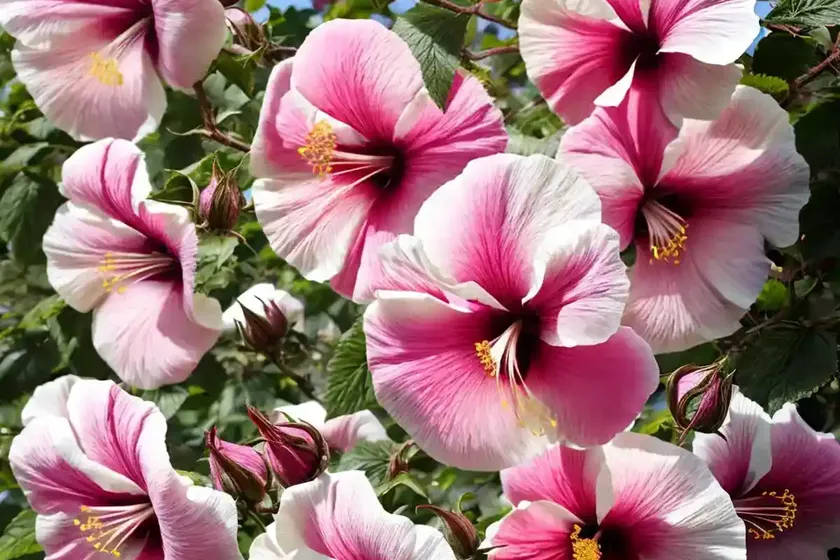
As a plant scientist and enthusiast, I am excited to delve into the world of Rose-of-Sharon (Hibiscus Syriacus). In this comprehensive guide, we will explore every aspect of this beautiful and versatile plant, from its cultivation and care to its uses, pests and diseases, and so much more.
What is Rose-of-Sharon (Hibiscus Syriacus)?
Rose-of-Sharon, scientifically known as Hibiscus Syriacus, is a species of flowering plant in the mallow family, Malvaceae. It is native to much of Asia, including China, India, and Korea, and has been cultivated for its ornamental beauty for centuries. This deciduous shrub blooms with an abundance of colorful and showy flowers, making it a popular choice for gardens, landscapes, and as a container plant.
The name “Rose-of-Sharon” is derived from the biblical reference in the Song of Solomon, where it is mentioned as a beautiful and cherished flower. The plant is known by several other common names, including Althea, Shrub Althea, and Hardy Hibiscus.
Rose-of-Sharon is prized for its versatility in landscaping, offering an array of flower colors, attractive foliage, and the ability to thrive in various environmental conditions. Its adaptability and low maintenance requirements make it a favorite among gardeners and landscapers.
Now, let’s dive into the key aspects of Rose-of-Sharon, exploring its cultivation, care, uses, and much more.
Key Takeaways – Rose-of-Sharon (Hibiscus Syriacus)
Before we delve into the detailed aspects of Rose-of-Sharon, let’s briefly outline the key takeaways that we will cover in this guide. Our exploration will include the following key topics:
- Cultivation: Understanding the ideal conditions for growing and cultivating Rose-of-Sharon.
- Varieties: Exploring the diverse range of Rose-of-Sharon varieties and their unique characteristics.
- Growing: Tips for nurturing and growing healthy Rose-of-Sharon plants.
- Care Tips: Essential guidelines for the care and maintenance of Rose-of-Sharon.
- Pruning: Proper techniques and timing for pruning Rose-of-Sharon to promote growth and flowering.
- Flowering Season: Insights into the blooming season and factors that influence flowering.
- Pests and Diseases: Identification, prevention, and management of common pests and diseases.
- Landscape Uses: How to effectively incorporate Rose-of-Sharon in landscaping and garden designs.
- Hardiness: Understanding the plant’s resilience to different climatic conditions.
- Propagation Techniques: Methods for propagating new Rose-of-Sharon plants.
- Water Requirements: Guidelines for watering Rose-of-Sharon for optimal growth.
- Sun Exposure: Understanding the plant’s sunlight needs for healthy development.
- Soil Preferences: Identifying the ideal soil conditions for Rose-of-Sharon.
- Companion Plants: Discovering suitable companion plants to complement Rose-of-Sharon.
- Container Gardening: Tips for growing Rose-of-Sharon in containers.
- Winter Care: Preparing Rose-of-Sharon for the winter season.
- Wildlife Attractant: Understanding its role in attracting wildlife such as birds and butterflies.
- Pruning Techniques: Fine-tuning pruning methods for specific needs.
- Fertilization: Guidelines for effectively fertilizing Rose-of-Sharon.
- Natural Remedies: Exploring natural treatments and remedies for common issues.
- Medicinal Uses: Insights into any medicinal properties or uses of Rose-of-Sharon.
- Landscaping Ideas: Creative ideas for incorporating Rose-of-Sharon in landscape designs.
- Flower Symbolism: Exploring the symbolic meanings associated with Rose-of-Sharon flowers.
- Wildlife Habitat Benefits: Understanding how Rose-of-Sharon benefits wildlife habitats.
- Autumn Color: Appreciating the plant’s colors during the autumn season.
- Drought Tolerance: Assessing its ability to withstand drought conditions.
- Leaf Characteristics: Understanding the unique features of Rose-of-Sharon leaves.
- Pollination Methods: Insights into pollination and the reproduction process.
- Container Care: Tips for maintaining Rose-of-Sharon in containers.
- Attracting Hummingbirds: Enhancing the garden to attract hummingbirds.
- Seed Collection: Methods for collecting and preserving Rose-of-Sharon seeds.
- Common Problems: Identification and management of common issues and challenges.
- Companion Shrubs: Ideal shrubs to accompany Rose-of-Sharon in the garden.
- Attracting Butterflies: Utilizing Rose-of-Sharon to attract and support butterfly populations.
- Fragrant Varieties: Exploring fragrant Rose-of-Sharon varieties.
- Native Habitat: Understanding the plant’s native habitat and natural range.
- Pruning Tools: Recommended tools for effective pruning of Rose-of-Sharon.
- Winter Hardiness: Assessing the plant’s ability to withstand harsh winter conditions.
- Landscape Design: Design principles for incorporating Rose-of-Sharon in the landscape.
- Attracting Bees: Creating a bee-friendly environment with Rose-of-Sharon.
- Garden Borders: Enhancing garden borders with the presence of Rose-of-Sharon.
- Organic Fertilizers: Options for using organic fertilizers with Rose-of-Sharon.
- Mulching Techniques: Benefits and techniques of mulching around Rose-of-Sharon plants.
- Salt Tolerance: Assessing its ability to tolerate salt-induced soil conditions.
- Wind Resistance: Understanding its resilience to strong winds.
- Leaf Spot Prevention: Measures to prevent and address leaf spot issues.
- Leaf Curl Issues: Identifying and managing leaf curl problems.
- Annual Maintenance: Guidelines for routine maintenance and care.
- Winter Flowering: Understanding its ability to bloom during the winter season.
- Root Rot Prevention: Preventative measures against root rot and soil-borne diseases.
With these key takeaways in mind, let’s embark on an in-depth journey into the world of Rose-of-Sharon, exploring its characteristics, cultivation, care, and much more.
Culture
Understanding the cultural requirements of Rose-of-Sharon is essential for successfully growing and nurturing this enchanting plant. From its preferred climate to soil conditions, knowing the ideal cultural environment can significantly impact the plant’s health and vitality.
Rose-of-Sharon Varieties
Rose-of-Sharon (Hibiscus Syriacus) is renowned for its diverse array of varieties, each boasting unique flower colors, sizes, and growth habits. The wide range of cultivars offers an abundance of choices for gardeners and landscaping enthusiasts seeking specific characteristics for their gardens and landscapes. We will explore some popular varieties and their distinct attributes, allowing you to select the perfect Rose-of-Sharon cultivar for your needs.
Popular Rose-of-Sharon Varieties
| Variety Name | Flower Color | Growth Habit |
|---|---|---|
| Ardens | Bright Pink | Upright, Compact |
| Blue Chiffon | Lavender Blue | Rounded, Spreading |
| Diana | White | Compact, Rounded |
| Helene | Double Pink | Upright, Mounding |
| Lavender Chiffon | Lavender | Compact, Mounded |
| Red Heart | Dark Pink | Upright, Well-Branced |
| Sugar Tip | White with Pink | Compact, Multi-Stemmed |
Table 1: Popular Rose-of-Sharon Varieties and Their Characteristics
These varieties are just a glimpse of the extensive selection available, showcasing the stunning diversity of Rose-of-Sharon. Whether you prefer vibrant pinks, serene whites, or captivating lavenders, there is certainly a perfect variety to enhance your garden or landscape.
Uses
The versatility of Rose-of-Sharon extends beyond its ornamental beauty. Understanding its potential uses in garden designs, landscaping, and even traditional practices provides a comprehensive perspective on the plant’s significance and value in various contexts.
Landscaping and Garden Uses
Rose-of-Sharon is valued for its versatile uses in landscaping, offering an array of benefits and aesthetic contributions. Some key landscaping uses include:
- Hedging: Its dense growth habit and profusion of flowers make it a popular choice for creating decorative hedges.
- Privacy Screening: The tall and bushy nature of Rose-of-Sharon makes it an effective screen for providing privacy in gardens and landscapes.
- Specimen Planting: Its showy flowers and attractive foliage make it an ideal specimen plant, commanding attention and adding visual interest.
- Mixed Borders: Pairing Rose-of-Sharon with other shrubs and perennials creates stunning mixed borders with contrasting colors and textures.
- Foundation Plantings: Placing Rose-of-Sharon near the foundation of a building adds a pop of color and softens harsh architectural lines.
In addition to its landscaping uses, Rose-of-Sharon holds cultural significance in various traditions and practices. Its symbolic meanings, medicinal applications, and historical references enrich its value beyond its visual appeal.
Cultural and Traditional Significance
Rose-of-Sharon has been associated with symbolic meanings and cultural relevance in different societies and traditions. For example:
– Symbolism: In some cultures, the flower has been associated with symbols of love, beauty, and femininity.
– Medicinal Uses: Certain traditional medicine systems have utilized Rose-of-Sharon for its potential medicinal properties in treating common ailments.
– Historical References: The plant’s historical references and associations in literature, art, and religious texts contribute to its cultural significance.
Understanding the multifaceted uses and significance of Rose-of-Sharon expands our appreciation for this captivating plant and its role in various settings.
Water
Proper watering is crucial for the health and vitality of Rose-of-Sharon. Understanding its water requirements, irrigation strategies, and signs of overwatering or underwatering is essential for nurturing thriving plants and promoting vibrant blooms.
Water Requirements
Rose-of-Sharon benefits from well-drained soil and moderate moisture levels. While it can tolerate brief periods of drought once established, consistent and regular watering is recommended, especially during the active growing season and flowering period. An effective watering regimen is essential for nurturing healthy plants and promoting robust growth and flowering.
Establishing and Young Plants
When establishing new Rose-of-Sharon plants or caring for young ones, it is important to provide them with consistent moisture to support root development and overall growth. Adequate watering during this critical phase sets the foundation for strong and resilient plants in the long run.
- Initial Watering: Upon planting or transplanting, ensure the soil is thoroughly moistened to facilitate the establishment of the plant’s root system.
- Young Plant Care: Regular watering is essential during the first growing season to nurture young plants and promote healthy growth.
Active Growing Season
During the active growing season, which typically spans spring through early fall, Rose-of-Sharon benefits from regular watering to maintain adequate soil moisture. Be mindful of the following considerations:
- Soil Moisture: Maintain evenly moist soil, avoiding prolonged dry spells that can stress the plants.
- Morning Watering: Watering in the morning allows excess moisture to evaporate during the day, reducing the risk of fungal diseases.
Flowering Period
As the flowering season approaches, ensuring consistent soil moisture is crucial, as it directly impacts the quality and abundance of blooms. Adequate watering during this phase contributes to a spectacular floral display.
- Consistent Moisture: Avoid fluctuations in soil moisture levels, as consistent watering supports the development and longevity of flowers.
- Container Plants: If growing Rose-of-Sharon in containers, monitor moisture levels closely, as pots tend to dry out more quickly than garden soil.
Drought Tolerance
While Rose-of-Sharon does exhibit some tolerance to drought conditions once established, it’s important to note that extended periods of dryness can impact the plant’s overall health and flowering potential. Even in regions with lower rainfall, providing supplemental irrigation during dry spells ensures the plant’s well-being.
Understanding the plant’s water preferences and implementing appropriate watering practices fosters healthy and vigorous Rose-of-Sharon plants, enhancing their visual appeal and long-term vitality.
Sunlight
Proper sunlight exposure is vital for the growth, flowering, and overall well-being of Rose-of-Sharon. Understanding its sunlight requirements, ensuring adequate exposure, and managing shade conditions are crucial for maximizing the plant’s potential and floral display.
Sun Exposure
Rose-of-Sharon thrives in full to partial sunlight, making it adaptable to a range of light conditions. Its ability to flourish in varying light intensities presents opportunities to incorporate it in diverse garden and landscape settings.
Preferred Light Conditions
- Full Sun: Optimal performance and abundant flowering are achieved when the plant receives at least 6-8 hours of direct sunlight per day.
- Partial Shade: While Rose-of-Sharon tolerates partial shade, it may result in fewer blooms and less compact growth compared to plants in full sun.
Managing Shade
In instances where full sun exposure is limited, strategic placement and managing shade conditions can help enhance the plant’s performance.
- Eastern Exposure: Consider locating the plant in areas with eastern exposure to capture the morning sun, which is generally less intense and beneficial for healthy growth.
- Shade Management: Prune surrounding trees or shrubs strategically to reduce excessive shade and provide adequate light for Rose-of-Sharon.
Understanding the plant’s adaptable nature and sunlight requirements empowers gardeners to effectively integrate Rose-of-Sharon in varying light conditions, creating stunning visual displays and healthy plant growth.
Fertilizer
Proper fertilization is essential for supporting the growth, flowering, and overall vigor of Rose-of-Sharon plants. Understanding the plant’s nutritional needs, selecting suitable fertilizers, and applying them at the right times are key factors in nurturing thriving and lush specimens.
Fertilization Guidelines
Rose-of-Sharon benefits from a balanced fertilization regimen that provides essential nutrients for robust growth and profuse flowering. Consider the following guidelines to ensure proper fertilization for your plants:
Nutritional Requirements
- Macronutrients: Nitrogen, phosphorus, and potassium are essential macronutrients that support overall plant health, vigor, and flowering.
- Micronutrients: Trace elements such as iron, manganese, and magnesium play crucial roles in the plant’s physiological processes and should also be considered in fertilization practices.
Timing and Frequency
- Spring Feeding: Apply a balanced, slow-release fertilizer in early spring to support the plant’s initial growth and budding.
- Mid-Season Boost: A supplemental feeding in mid-summer can help sustain flowering and overall plant vitality during the active growing period.
- Avoid Overfertilization: Refrain from excessive or late-season fertilization, as it may disrupt the plant’s natural processes and lead to potential issues.
Application Methods
- Broadcast Application: Evenly distribute the fertilizer around the root zone, ensuring it is applied to the soil surface and watered in thoroughly.
- Container Plants: When fertilizing Rose-of-Sharon grown in containers, select a balanced, water-soluble fertilizer and administer according to package instructions, adjusting the strength to prevent overfertilization.
Understanding the plant’s nutritional requirements and implementing a well-planned fertilization schedule contributes to thriving Rose-of-Sharon plants with lush foliage and abundant blooms, enhancing their ornamental appeal.
Soil
The soil serves as the foundation for healthy plant growth, providing essential nutrients, support, and a conducive environment for root development. Understanding the ideal soil preferences for Rose-of-Sharon, improving soil conditions, and addressing specific soil-related issues are integral in promoting thriving and flourishing plants.
Soil Preferences
Rose-of-Sharon thrives in well-drained, fertile soil, which forms the basis for its vigorous growth and prolific flowering. Consider the following soil preferences and management practices to create an optimal growing environment for your plants.
Ideal Soil Characteristics
- Well-Drained: Ensure the soil has good drainage to prevent waterlogging, especially during periods of heavy rainfall.
- Fertility: Rich, loamy soil with ample organic matter provides the necessary nutrients and structure for healthy plant development.
- pH Range: Rose-of-Sharon prefers a slightly acidic to neutral pH range (6.0-7.0), allowing for efficient nutrient uptake and overall plant vigor.
Soil Improvement
- Organic Matter: Incorporating well-decomposed compost or organic matter into the soil enhances its fertility and structure, benefiting the growth and health of Rose-of-Sharon.
- Mulching: Applying a layer of organic mulch around the base of the plant helps conserve moisture, regulate soil temperature, and improve soil structure over time.
Addressing Soil Issues
- Compacted Soil: Aerating compacted soil around Rose-of-Sharon plants promotes better root penetration and enhances overall soil oxygenation.
- pH Adjustment: Conduct soil tests and, if necessary, make pH adjustments using suitable amendments to create the ideal growing environment for the plant.
Understanding and meeting the soil preferences of Rose-of-Sharon significantly contributes to the plant’s vigor, resilience, and blooming potential, creating an environment conducive to healthy growth and visual appeal.
Pruning
Proper pruning is essential for maintaining the health, shape, and flowering performance of Rose-of-Sharon. Understanding the significance of pruning, identifying the appropriate timing and techniques, and adhering to best practices are instrumental for nurturing thriving and aesthetically pleasing plants.
Pruning Guidelines
Pruning Rose-of-Sharon involves strategic trimming to manage its growth, shape, and flowering potential. By following these pruning guidelines, you can effectively maintain healthy and beautiful plants while promoting robust blooming.
Timing and Frequency
- Late Winter/Early Spring: Prune mature Rose-of-Sharon plants in late winter or early spring before new growth emerges to shape and rejuvenate the shrub for the upcoming season.
- Regular Maintenance: Light pruning throughout the growing season can help manage size and shape, removing dead or wayward branches to encourage a neat and compact appearance.
Pruning Techniques
- Rejuvenation Pruning: For older or overgrown plants, consider rejuvenation pruning by removing old, thick stems at ground level to stimulate new growth and improve flowering.
- Selective Trimming: Focus on selective limb and branch removal to maintain a balanced and well-structured plant while preserving its natural form.
Flowering Considerations
- Timing Impact: Pruning after the flowering season may reduce the plant’s potential bloom count for the following year, as Rose-of-Sharon sets flower buds on new wood.
- Deadheading: Removing spent flowers after blooming not only tidies the plant’s appearance but also encourages continuous flowering throughout the season.
Understanding the principles of proper pruning and applying appropriate techniques ensure healthy, shapely, and floriferous Rose-of-Sharon plants, enhancing their visual appeal and long-term vitality.
Propagation
The ability to propagate Rose-of-Sharon allows for the expansion of plantings, the sharing of this beloved species with others, and the renewal of plants if necessary. Understanding successful propagation techniques and timing is vital for producing strong and healthy new plants.
Propagation Techniques
Rose-of-Sharon can be propagated through several methods, including seed germination, cuttings, and division. Understanding the key propagation techniques and their respective requirements allows gardeners to effectively produce new plants and maintain a diverse and healthy population.
Seed Germination
- Harvest and Preparation: Collect seeds from


