Rose Gentian (Sabatia Angularis)
Plants have always fascinated humanity with their diverse forms, captivating colors, and unique characteristics. Among the vast array of plant species, the.
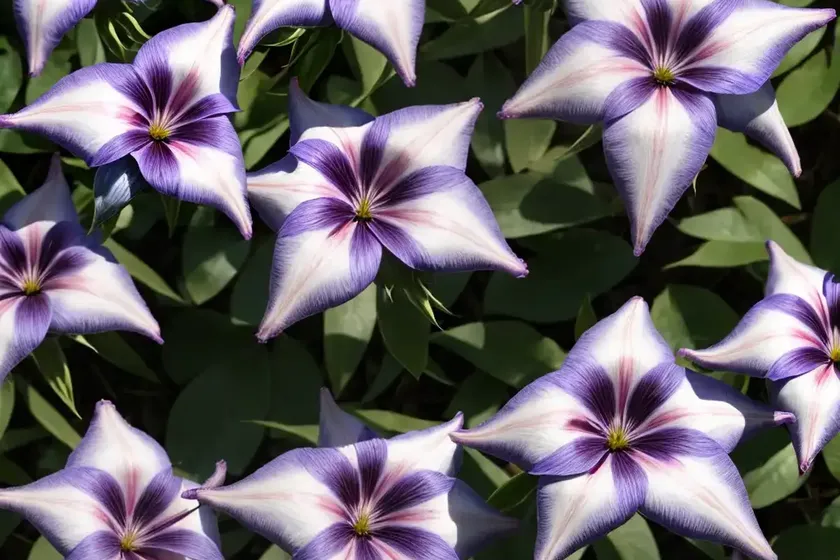
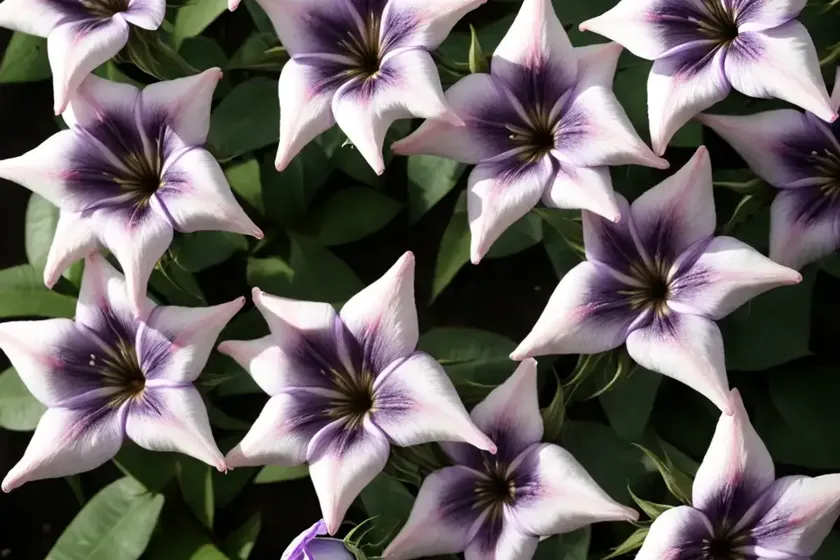
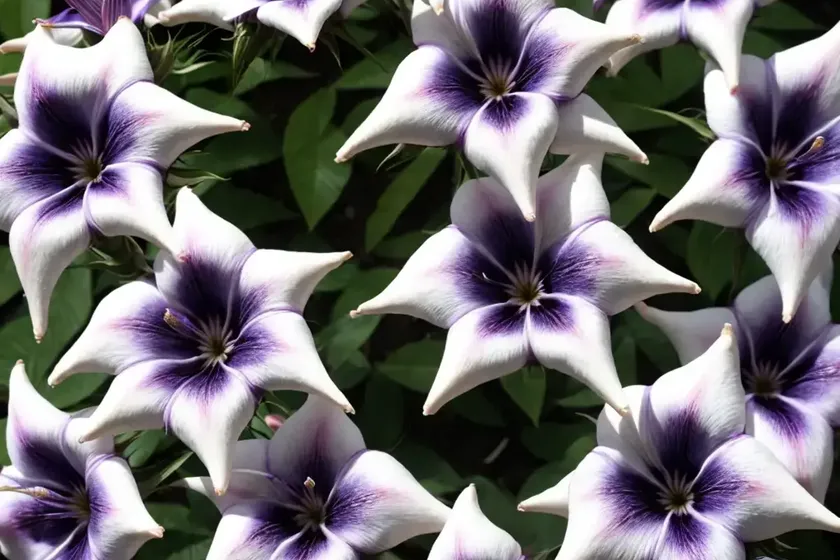
Plants have always fascinated humanity with their diverse forms, captivating colors, and unique characteristics. Among the vast array of plant species, the rose gentian (Sabatia angularis) stands out with its stunning blooms, cultural significance, and ecological importance. In this comprehensive guide, we will delve into the world of rose gentians, exploring their cultivation, uses, and fascinating attributes.
What is the Rose Gentian (Sabatia angularis)?
Rose gentian, scientifically known as Sabatia angularis, is a striking wildflower native to North America. Belonging to the Gentian family (Gentianaceae), this herbaceous perennial is renowned for its vibrant pink flowers and narrow, lance-shaped leaves. The distinct angular stem and showy blossoms make it a prized addition to naturalistic landscapes, wildflower gardens, and native plant habitats. Embracing its native heritage, rose gentian thrives in moist meadows, open woodlands, and along the banks of streams, enhancing the ecological diversity of its natural habitats.
This exquisite wildflower has also garnered cultural significance, becoming a subject of folklore, herbal traditions, and landscape design. With the growing interest in native plants and sustainable gardening practices, rose gentians have attracted the attention of plant enthusiasts, botanists, and horticulturists. Understanding the intricacies of its cultivation, uses, and ecological roles can expand our appreciation for this captivating species.
Key Takeaways
Let’s begin our journey into the realm of rose gentians by exploring the key takeaways associated with this remarkable plant:
Culture
- The rose gentian (Sabatia angularis) is a native North American wildflower celebrated for its stunning pink flowers and slender, lance-shaped leaves.
- It belongs to the Gentian family (Gentianaceae) and thrives in moist meadows, open woodlands, and along the banks of streams.
- Rose gentians play a significant ecological role by enhancing biodiversity and supporting pollinators in their native habitats.
Uses
- In addition to its ornamental value, rose gentian has herbal and cultural significance, with historical uses in traditional medicine and folklore.
- The striking flowers of rose gentians make them a popular choice for wildflower gardens, native plant landscapes, and naturalistic settings.
Water
- Rose gentians prefer moist, well-drained soil and thrive in habitats with consistent moisture, such as meadows and woodland edges.
- Adequate water is essential for the healthy growth and flowering of rose gentians, especially during the establishment phase and in periods of prolonged dryness.
Sunlight
- While rose gentians can tolerate partial shade, they thrive in full sunlight, which promotes vigorous growth and abundant flowering.
- Planting rose gentians in sunny locations enhances the vibrancy of their flowers and overall vigor.
Fertilizer
- In their native habitats, rose gentians rely on nutrient cycling and natural soil processes for their nutritional needs.
- Incorporating organic matter and ensuring nutrient-rich soils can support the healthy growth of rose gentians in cultivation settings.
Soil
- Rose gentians thrive in well-drained, moderately fertile soils with a slightly acidic to neutral pH.
- The natural habitat of rose gentians offers insights into their soil preferences, guiding the selection of suitable soil types for cultivation.
Pruning
- Minimal pruning is required for rose gentians, with the focus on deadheading spent flowers and removing any damaged or diseased plant parts.
- Pruning practices should aim to maintain the natural form of rose gentians while promoting continued flowering and plant health.
Propagation
- Rose gentians can be propagated from seeds or through division, offering opportunities for expanding their presence in gardens and landscapes.
- Understanding the propagation methods and seasonal considerations can enhance the success of propagating rose gentians.
Container Popularity
- Due to their ornamental value and cultural significance, rose gentians are increasingly sought after for container gardening and ornamental displays.
- Growing rose gentians in containers can provide opportunities for appreciating their beauty in various outdoor and indoor settings.
Container Common Diseases
- When grown in containers, rose gentians may experience common diseases such as root rot, powdery mildew, and fungal issues related to excessive moisture.
- Implementing proper container drainage and soil moisture management is crucial for preventing disease occurrences in potted rose gentians.
Disease Diagnosis
- Identifying and managing diseases affecting rose gentians involves vigilant monitoring, early intervention, and cultural practices that promote plant health.
- Familiarizing oneself with common diseases and their symptoms empowers gardeners to implement timely and effective disease management strategies.
Common Pests
- Rose gentians may attract pests such as aphids, caterpillars, and slugs, impacting their foliage and overall vigor.
- Integrated pest management techniques and natural predator encouragement can help control pest populations while minimizing reliance on chemical interventions.
Botanist’s Tips
- Embracing interdisciplinary knowledge and ecological insights enriches the appreciation and cultivation of rose gentians.
- Engaging with botanical resources, conservation initiatives, and horticultural expertise can offer valuable guidance for the successful cultivation of rose gentians.
Fun Facts
- The distinctive angular stem of rose gentians inspired its species name, “angularis,” highlighting this striking botanical feature.
- The natural habitats of rose gentians provide ecological niches for diverse wildlife interactions, contributing to the richness of native ecosystems.
With these key takeaways in mind, let’s delve deeper into the multifaceted world of rose gentians, exploring their growing tips, ecological significance, and cultural importance.
Cultivation and Care of Rose Gentians
Growth Habits
Understanding the growth habits of rose gentians provides valuable insights into their ecological adaptations and cultivation requirements. With its slender stature and eye-catching flowers, rose gentian exemplifies the graceful beauty of native wildflowers. Here are essential considerations for the successful growth of rose gentians:
Seasonality
- Rose gentians typically bloom from mid to late summer, adorning their habitats with an exuberance of pink blossoms.
- The seasonal timing of flowering influences cultivation practices, seed collection, and landscape design considerations for rose gentians.
Climate Requirements
- Rose gentians thrive in temperate climates with moderate moisture levels and well-defined seasons.
- Selecting appropriate planting locations and adjusting cultivation practices based on regional climate characteristics contribute to the successful growth of rose gentians.
Soil Preferences
- Well-drained, moderately fertile soils with a slightly acidic to neutral pH create optimal growing conditions for rose gentians.
- Understanding soil preferences guides soil preparation, amendment choices, and long-term soil management for cultivating healthy rose gentians.
Water Needs
- Consistent moisture is essential for the healthy growth and flowering of rose gentians, reflecting their natural habitats in meadows and woodland edges.
- Balancing water availability, soil drainage, and seasonal fluctuations contributes to meeting the water needs of rose gentians in cultivation settings.
Sunlight Requirements
- Full sunlight promotes the robust growth, vivid flower coloration, and overall vigor of rose gentians in garden and landscape settings.
- Evaluating sunlight exposure, microclimatic variations, and shade considerations informs the optimal placement of rose gentians for their sunlight needs.
Pruning Techniques
Pruning practices play a role in maintaining the health, aesthetics, and longevity of rose gentians. By judiciously applying pruning techniques, gardeners can promote flowering, control plant size, and manage the overall form of rose gentians. Here are essential considerations for pruning rose gentians:
- Deadheading: Regular removal of spent flowers encourages continued blooming and prevents energy allocation to seed production.
- Thinning: Thinning out congested stems and removing weak or damaged growth promotes air circulation and reduces the risk of disease.
Propagation Methods
The propagation of rose gentians offers opportunities for expanding their presence in gardens, natural areas, and horticultural collections. By understanding and applying suitable propagation methods, gardeners can propagate new plants and conserve the genetic diversity of rose gentians. Here are primary propagation methods for rose gentians:
- Seed Propagation: Rose gentians can be propagated from fresh seeds collected after flowering, heeding seasonal timing and seed treatment guidelines.
- Division: Dividing mature rose gentian clumps allows for the creation of new plants and rejuvenating established garden specimens.
Fertilization Methods
In their natural habitats, rose gentians derive nutrients from the surrounding soil and the ecological processes supporting plant growth. When cultivating rose gentians in gardens and landscapes, thoughtful fertilization practices can enhance their vigor and flowering performance. Here are considerations for fertilizing rose gentians:
- Organic Matter: Incorporating organic matter and compost enriches the soil, fosters microbial activity, and improves the nutrient dynamics for rose gentians.
- Balanced Fertilizers: Application of balanced, slow-release fertilizers tailored to the nutritional needs of rose gentians supports steady growth and blooming.
Wildlife Interactions and Ecological Significance
The natural habitats of rose gentians provide crucial ecological niches, supporting diverse wildlife interactions and contributing to the overall biodiversity of native ecosystems. Understanding the wildlife interactions and ecological significance of rose gentians can stimulate appreciation for their interconnected roles in natural systems. Here are insights into the wildlife interactions and ecological significance of rose gentians:
Pollination
- The vibrant flowers of rose gentians attract and support a variety of pollinators, including bees, butterflies, and other flower-visiting insects.
- The pollination ecology of rose gentians highlights their role in sustaining pollinator populations and promoting floral diversity in their habitats.
Natural Habitat
- Rose gentians contribute to the visual diversity, structural complexity, and seasonal dynamics of their natural habitats, enriching the overall ecological fabric.
- Protecting the natural habitats of rose gentians safeguards the indigenous flora, fauna, and ecological processes associated with these distinctive wildflowers.
Landscape Uses and Gardening Tips
As valued components of naturalistic landscapes, wildflower gardens, and conservation plantings, rose gentians offer diverse opportunities for landscape design and gardening applications. Exploring their ornamental features, cultural significance, and gardening tips can inspire creative use and appreciation of rose gentians in various settings. Here are landscape uses and gardening tips for cultivating rose gentians:
- Edging Plant: The compact form and vivid flowers of rose gentians make them suitable for edging garden beds, borders, and paths, enhancing the visual appeal of the landscape.
- Companion Plants: Pairing rose gentians with compatible native species, ornamental grasses, and pollinator-attracting plants creates harmonious plant communities while promoting ecological balance.
- Seasonal Planting: Strategic incorporation of rose gentians in seasonal planting schemes contributes to the dynamic color palette, floral diversity, and visual interest in gardens and landscapes.
- Ground Cover: Utilizing rose gentians as a low-growing ground cover can provide erosion control, weed suppression, and ornamental ground layering in naturalistic settings.
Common Diseases and Pest Control
Maintaining the health and resilience of rose gentians involves proactive disease management and effective pest control strategies. By recognizing common diseases and potential pest challenges, gardeners can take preventive measures and respond to plant health issues. Here are insights into disease management and pest control for rose gentians:
Disease Management
- Powdery Mildew: Adequate airflow, balanced watering, and fungal disease management practices can mitigate the risk of powdery mildew affecting rose gentians.
- Root Rot Prevention: Ensuring well-drained soil, proper watering practices, and healthy root development reduce the susceptibility of rose gentians to root rot diseases.
Pest Control
- Aphid Infestation: Monitoring for aphid populations, encouraging natural predators, and adopting insecticidal soap applications address aphid challenges while minimizing environmental impact.
- Caterpillar Damage: Vigilant inspection, manual removal of caterpillars, and biological controls contribute to managing caterpillar infestations on rose gentians.
Herbal Properties and Folklore
Beyond their ornamental appeal and ecological roles, rose gentians possess herbal properties and cultural significance, reflecting their historical uses in traditional medicine and folklore. Exploring the herbal lore and folklore surrounding rose gentians enriches our understanding of their multifaceted cultural connections. Here are insights into the herbal properties and folklore of rose gentians:
- Medicinal Uses: In traditional herbal medicine, rose gentians have been recognized for their digestive, astringent, and tonic properties, featuring in remedies and wellness practices.
- Symbolism: Rose gentians symbolize gratitude, refinement, and grace in the language of flowers, inspiring interpretations in literature, art, and cultural expressions.
Conclusion
The captivating allure of rose gentians extends beyond their decorative blooms, encompassing ecological significance, cultural influences, and practical gardening applications. As we embrace the botanical richness of our natural landscapes and horticultural endeavors, the remarkable presence of rose gentians enriches our appreciation for native wildflowers and their interconnected roles in the broader tapestry of life.
By cultivating an awareness of rose gentians’ growing tips, ecological relationships, and historical resonance, we honor the resilience and beauty of these enduring wildflowers. Whether adorning our gardens or captivating our imaginations, rose gentians stand as timeless ambassadors of natural elegance and cultural enchantment.
References
- “Gentianaceae.” Flora of North America, E. Oxford University Press, https://www.floranorthamerica.org.
- “Rose Gentian (Sabatia angularis).” Lady Bird Johnson Wildflower Center, https://www.wildflower.org/plants.
- “Ecology of Flowering Phenology.” University of California Santa Barbara, https://www.eeb.ucsb.edu.
- “Leaf Seasonality of Woody Plants.” Harvard Forest Data Archive, https://harvardforest.fas.harvard.edu.
- “Herbal Folklore and Traditions.” The Herb Society of America, https://www.herbsociety.org.
- “Pollinator-Friendly Native Plants.” The Xerces Society, https://xerces.org/pollinator-friendly-plants.


