Rosa Woodsii (Western Wild Rose)
As a plant scientist with a passion for the diverse world of flora, I am thrilled to delve into the fascinating realm of Rosa woodsii, also known as the.
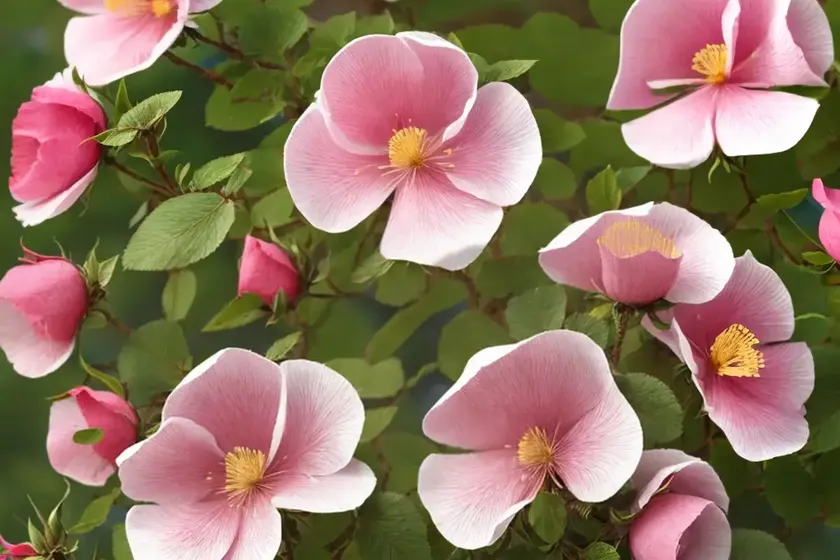
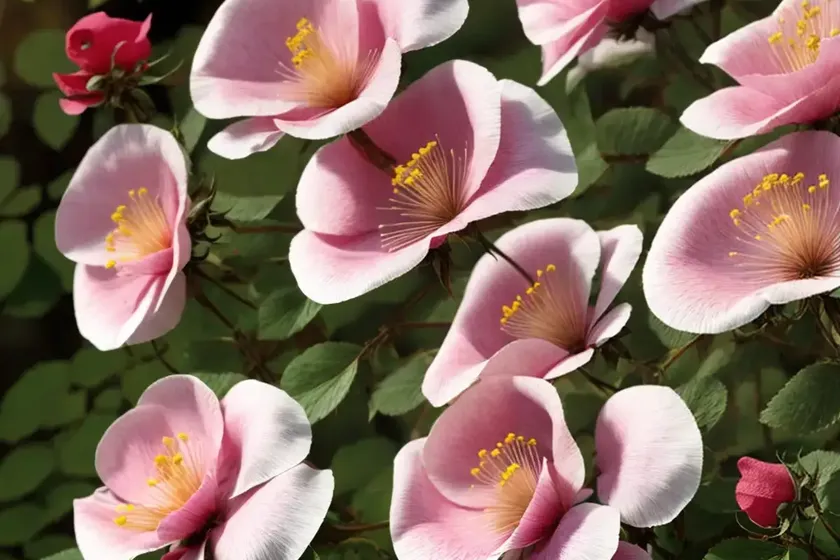
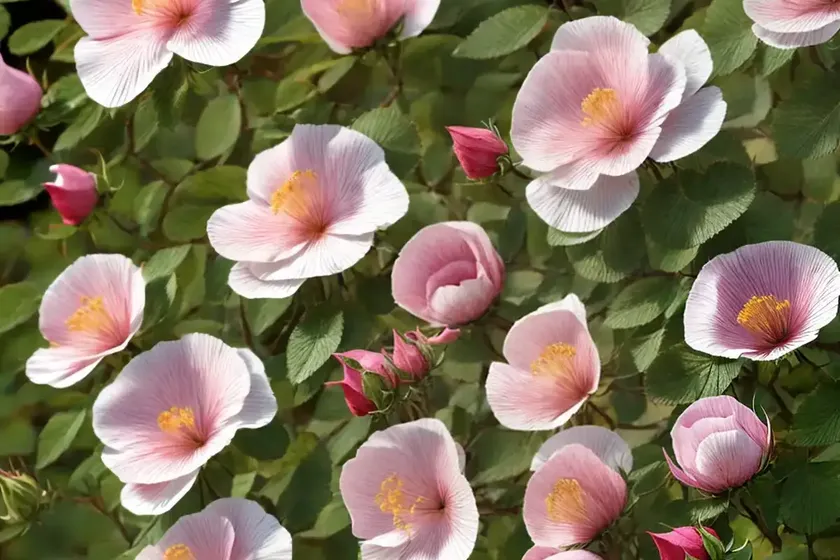
As a plant scientist with a passion for the diverse world of flora, I am thrilled to delve into the fascinating realm of Rosa woodsii, also known as the Western Wild Rose. This iconic species is brimming with cultural significance, ecological value, and horticultural potential. Throughout this in-depth guide, we will explore the captivating characteristics, cultivation techniques, and much more, allowing you to develop a profound understanding of this remarkable plant.
What is Rosa woodsii (Western Wild Rose)?
Rosa woodsii, commonly referred to as the Western Wild Rose, is a resilient and versatile shrub that belongs to the Rosaceae family. This plant species thrives in various environmental conditions, showcasing its adaptability and tenacity. Its native range spans across North America, encompassing regions such as the Western United States and Canada.
Key Takeaways – Rosa woodsii (Western Wild Rose)
Before we embark on our journey to unravel the intricacies of Rosa woodsii, let’s glance at the key takeaways that we will explore in detail:
- Culture
- Uses
- Water
- Sunlight
- Fertilizer
- Soil
- Pruning
- Propagation
- Container Popularity
- Common Diseases
- Common Pests
- Botanist’s Tips
- Fun Facts
- Links to External Resources
Now, let’s embark on our exploration of the mesmerizing Rosa woodsii and gain a profound insight into its various dimensions.
Culture of Rosa woodsii
The cultural significance of Rosa woodsii extends across different societies, with its distinguishable features and historical uses contributing to its revered status. Here are some cultural aspects associated with the Western Wild Rose:
-
Ethnobotanical Value: Indigenous communities have utilized various parts of Rosa woodsii for medicinal and ceremonial purposes for generations. The plant symbolizes resilience and vitality, often integrated into cultural practices and folklore.
-
Historical Significance: Throughout history, Rosa woodsii has been an integral part of traditional medicine and served as a source of food and materials. Its enduring presence in the cultural tapestry of different societies underscores its profound significance.
-
Folklore and Symbolism: The enchanting beauty and evocative fragrance of the Western Wild Rose have inspired numerous legends and stories across different cultures. Its symbolism varies from love and purity to protection and strength, resonating deeply within folklore and literature.
Uses of Rosa woodsii
Rosa woodsii boasts a myriad of uses, encompassing ecological, horticultural, and cultural domains. This section provides an overview of the diverse applications of the Western Wild Rose:
Ecological Importance
-
Wildlife Habitat: The abundant nectar and pollen of Rosa woodsii attract a diverse array of pollinators, thereby fostering biodiversity and supporting ecosystem health. Its role in providing shelter and sustenance for wildlife underscores its ecological significance.
-
Soil Stabilization: Along riverbanks, slopes, and disturbed landscapes, the extensive root system of Rosa woodsii aids in soil stabilization, mitigating erosion and contributing to ecosystem resilience.
Horticultural and Culinary Uses
-
Landscaping: The picturesque blooms and graceful form of the Western Wild Rose make it a coveted addition to ornamental gardens and natural landscapes. Its adaptability to diverse soil types and climates enhances its appeal in landscape design.
-
Culinary Delights: The petals of Rosa woodsii are utilized in culinary preparations, adding a delicate floral essence to various dishes, beverages, and confections.
Medicinal and Therapeutic Applications
-
Traditional Medicine: Rosa woodsii has a rich history of medicinal usage, with indigenous communities harnessing its properties for treating ailments and promoting well-being. From soothing skin irritations to alleviating respiratory discomfort, the plant’s medicinal potential is extensive.
-
Aromatherapy: Distilled rose oil derived from Rosa woodsii is revered in the realm of aromatherapy, offering a fragrant and therapeutic essence that embodies tranquility and rejuvenation.
Water Requirements for Rosa woodsii
Adequate water management is crucial for ensuring the vitality and resilience of Rosa woodsii. Understanding the plant’s water requirements is essential for cultivating thriving specimens. Here are the key considerations for watering the Western Wild Rose:
-
Establishment Phase: During the initial establishment phase, Rosa woodsii necessitates regular watering to encourage root development and facilitate acclimatization to its new environment. Optimal soil moisture supports the plant’s vigor and ensures a robust foundation for future growth.
-
Drought Tolerance: Once established, Rosa woodsii showcases notable drought tolerance, allowing it to persevere through periods of limited water availability. However, sustained drought stress can compromise the plant’s health and diminish its floral display, necessitating occasional supplemental watering during prolonged dry spells.
-
Seasonal Adjustments: Adapting the watering regimen in response to seasonal fluctuations is pivotal in promoting the well-being of Rosa woodsii. Adjusting the frequency and volume of irrigation based on environmental conditions, such as temperature and precipitation, optimizes the plant’s water management.
-
Water Quality: Ensuring the quality of irrigation water is essential; avoiding water with high salt content or pollutants safeguards the health and vitality of Rosa woodsii. Optimal water quality mitigates the risk of detrimental effects on the plant’s growth and overall condition.
Sunlight Requirements for Rosa woodsii
Sunlight is a fundamental element in the life of Rosa woodsii, influencing its growth, flowering, and overall vigor. Understanding the plant’s sunlight requirements is pivotal for optimizing its horticultural potential. Here are the essential aspects of sunlight management for the Western Wild Rose:
-
Full Sun Exposure: Rosa woodsii thrives in environments with ample sunlight exposure, showcasing robust growth and prolific flowering under such conditions. Providing at least six to eight hours of direct sunlight daily is conducive to the plant’s flourishing.
-
Partial Shade Tolerance: While Rosa woodsii favors full sun, it exhibits adaptability to partial shade, particularly in regions with intense midday sun or elevated temperatures. Partial shade can offer protection from excessive heat and mitigate potential stress on the plant.
-
Solar Orientation: Considering the solar orientation when siting Rosa woodsii is paramount. Positioning the plant in a location that aligns with its sunlight preferences augments its vitality and enhances its ornamental appeal.
-
Seasonal Considerations: Adapting the sunlight exposure in response to seasonal variations is integral for optimizing the growth and flowering of Rosa woodsii. Monitoring the changing solar angles and adjusting the plant’s placement as needed ensures that it receives adequate sunlight throughout the year.
Fertilizer Application for Rosa woodsii
Applying appropriate fertilization regimens is crucial for nourishing and sustaining the vigor of Rosa woodsii. Proper understanding of the plant’s nutritional requirements enables optimal fertilization practices. Here’s a comprehensive overview of fertilizing the Western Wild Rose:
-
Nutrient Balance: Providing a balanced blend of essential nutrients, such as nitrogen, phosphorus, and potassium, is pivotal for promoting robust growth and enhancing flowering in Rosa woodsii. Selecting a fertilizer with a balanced N-P-K ratio ensures comprehensive nourishment for the plant.
-
Seasonal Fertilization: Timing the application of fertilizers in accordance with the plant’s growth stages and seasonal shifts optimizes the assimilation of nutrients by Rosa woodsii. Prioritizing fertilization during the active growth phases and preceding the flowering period bolsters the plant’s health and floral abundance.
-
Organic Amendments: Incorporating organic matter, such as compost or well-rotted manure, augments the soil structure and enriches its fertility, benefiting the overall health and vitality of Rosa woodsii. Organic amendments foster long-term soil health and support sustainable cultivation practices.
-
Avoiding Excesses: Excessive fertilization can pose challenges for Rosa woodsii, potentially leading to imbalanced growth, reduced flowering, or heightened susceptibility to certain ailments. Adhering to recommended fertilizer application rates safeguards the plant from the adverse effects of nutrient overloads.
Soil Preferences for Rosa woodsii
Understanding the soil preferences of Rosa woodsii is pivotal for establishing an optimal growing environment that fosters the plant’s vitality and resilience. Here are the key considerations for the soil requirements of the Western Wild Rose:
-
Well-Drained Soil: Rosa woodsii thrives in well-drained soil types, which mitigate the risk of waterlogging and enhance the aeration of the root zone. Implementing soil amendments, such as organic matter or coarse sand, to bolster drainage capabilities optimizes the plant’s growing conditions.
-
pH Tolerance: The Western Wild Rose exhibits adaptability to a wide range of soil pH levels, encompassing mildly acidic to slightly alkaline conditions. Maintaining a near-neutral pH range in the soil (6.0-7.0) is conducive to the plant’s vigor and nutrient uptake.
-
Soil Texture: Prioritizing soil with a loamy or sandy texture facilitates optimal root development and supports the growth of Rosa woodsii. Improving soil structure through amendments that enhance water retention and aeration augments the plant’s capacity to thrive in diverse soil compositions.
-
Nutrient Availability: Ensuring the availability of essential nutrients, such as nitrogen, phosphorus, and potassium, within the soil is pivotal for sustaining the health and vigor of Rosa woodsii. Monitoring soil fertility and implementing targeted amendments optimizes the nutrient profile of the growing medium.
Pruning Guidelines for Rosa woodsii
Pruning is an essential horticultural practice that influences the growth habits, flowering, and overall vitality of Rosa woodsii. By adhering to appropriate pruning principles, you can optimize the ornamental appeal and vigor of the Western Wild Rose. Here are the key aspects of pruning Rosa woodsii:
-
Seasonal Timing: Pruning Rosa woodsii at the appropriate times, such as after the flowering period or during the dormant season, is pivotal for promoting optimal regrowth and future flowering. Avoiding pruning during the active growth phase or preceding the flowering period safeguards the plant’s vitality.
-
Deadheading Spent Blooms: Regularly removing faded flowers from Rosa woodsii not only enhances its aesthetic allure but also directs the plant’s energy towards new growth and subsequent flowering, fostering a bountiful floral display.
-
Structural Pruning: Engaging in structural pruning to eliminate diseased, damaged, or congested branches fortifies the overall health and form of Rosa woodsii. Enhancing air circulation and light penetration through strategic pruning measures supports the plant’s resilience and floral abundance.
-
Size Management: Adhering to size management through selective pruning prevents overcrowding, maintains an appealing silhouette, and fosters balanced growth in Rosa woodsii. Guided pruning practices enable you to shape the plant according to your aesthetic preferences while preserving its overall health.
Propagation Techniques for Rosa woodsii
Propagation serves as a means to propagate and proliferate the allure and genetic diversity of Rosa woodsii, allowing for the expansion of its presence in various settings. Here are the key propagation techniques for the Western Wild Rose:
-
Seed Propagation: Sowing seeds collected from mature rose hips offers an avenue for propagating Rosa woodsii. Stratifying the seeds and providing suitable germination conditions facilitates the establishment of new plants, representing a cost-effective propagation method.
-
Cutting Propagation: Utilizing semi-hardwood or hardwood cuttings to propagate Rosa woodsii yields genetically identical offspring, showcasing the desirable traits of the parent plant. Engaging in cutting propagation expands the availability of the plant and fosters its cultivation in diverse settings.
-
Division Propagation: Dividing established clumps of Rosa woodsii enables the generation of multiple plants, fostering an expanded presence of the species. This propagation method facilitates the rapid establishment of new specimens while preserving the genetic fidelity of the parent plant.
-
Grafting: The grafting of Rosa woodsii onto compatible rootstocks presents a means to perpetuate the plant’s genetic qualities, expand its availability, and mitigate potential vulnerabilities. Selecting appropriate rootstocks and engaging in precise grafting techniques augments the successful propagation of the Western Wild Rose.
Container Popularity of Rosa woodsii
The adaptability and ornamental allure of Rosa woodsii render it an attractive candidate for container cultivation. Cultivating the Western Wild Rose in containers presents an array of opportunities to showcase its beauty and integrate it into diverse settings. Here’s a comprehensive overview of the container popularity of Rosa woodsii:
-
Patio Gardens: Rosa woodsii enriches patio gardens, balconies, and small outdoor spaces with its captivating blooms and elegant form. Confining the plant within containers allows for versatile placement and seamless integration into container garden designs.
-
Urban Landscaping: In urban environments, where space is limited, container cultivation facilitates the inclusion of Rosa woodsii in streetscapes, communal areas, and rooftop gardens, contributing to the greenery and aesthetic enrichment of urban landscapes.
-
Seasonal Display: Leveraging the container popularity of Rosa woodsii for seasonal displays, such as spring and summer arrangements, enables the ephemeral showcase of its vibrant blooms and aromatic presence in various settings, including commercial spaces and public venues.
-
Interior Décor: Integration of Rosa woodsii into interior décor schemes, encompassing residential and commercial settings, brings a touch of natural elegance and floral charm to indoor environments, enhancing the ambiance and aesthetic appeal.
Popularity of Rosa woodsii
The popularity of Rosa woodsii extends across diverse domains, encompassing horticulture, botanical appreciation, ecological preservation, and cultural significance. This section provides insights into the multifaceted popularity of the Western Wild Rose:
-
Horticultural Appeal: The ornamental allure and versatile nature of Rosa woodsii contribute to its popularity as a landscaping feature, with its graceful form and captivating blooms enriching gardens, parks, and public landscapes.
-
Botanical Interest: Botanical enthusiasts and nature lovers are drawn to the captivating charm and ecological value of Rosa woodsii, fueling its popularity as a subject of fascination, study, and conservation efforts.
-
Cultural Reverence: The enduring symbolism of Rosa woodsii in cultural narratives, folklore, and artistic expressions amplifies its popularity, underlying its emotive significance and enduring presence in the collective consciousness.
-
Ecological Resilience: As a resilient and ecologically valuable species, Rosa woodsii garners popularity through its contribution to wildlife habitat, soil conservation, and broader ecosystem services, strengthening its role in ecological restoration and sustainability initiatives.
Common Diseases of Rosa woodsii
Maintaining the health and vitality of Rosa woodsii necessitates vigilance against potential diseases that can compromise the plant’s well-being. Familiarizing yourself with the common diseases affecting the Western Wild Rose enables proactive management and safeguarding of plant health. Here are some prevalent diseases of Rosa woodsii:
Powdery Mildew (Sphaerotheca pannosa)
-
Symptoms: The presence of powdery white patches on the leaves and stems of Rosa woodsii indicates an infestation of powdery mildew, with affected areas displaying diminished vigor and potential foliage distortion.
-
Management: Implementing cultural practices, such as promoting air circulation and maintaining optimal plant spacing, mitigates the risk of powdery mildew. Additionally, applying fungicidal treatments or employing organic control measures supports the containment of the disease.
Rose Rust (Phragmidium spp.)
-
Symptoms: The manifestation of orange-colored pustules on the undersides of Rosa woodsii’s leaves denotes an infection of rose rust, potentially leading to leaf discoloration and defoliation.
-
Management: Engaging in selective pruning and diligent sanitation practices assists in the management of rose rust, reducing the likelihood of disease persistence. Adopting preventative fungicidal applications further aids in mitigating the impact of rose rust on the plant.
Black Spot (Diplocarpon rosae)
-
Symptoms: The emergence of black lesions on the leaves of Rosa woodsii signifies an infestation of black spot, contributing to leaf yellowing, premature leaf drop, and diminished plant vigor.
-
Management: Consistent removal of infected plant debris and adhering to optimal watering practices curbs the prevalence of black spot. Utilizing fungicidal treatments and focusing on plant nutrition enhances the plant’s resilience against black spot.
Disease Diagnosis and Management for Rosa woodsii
Accurate diagnosis and prompt management of diseases are pivotal for preserving the health and vitality of Rosa woodsii. Understanding the diagnostic and management strategies for addressing diseases ensures proactive protection of the Western Wild Rose. Here’s a comprehensive overview of disease diagnosis and management for Rosa woodsii:
-
Symptomatic Assessment: Thoroughly examining the plant for symptoms of disease, such as leaf discoloration, irregular growth, or abnormal foliage patterns, facilitates accurate diagnosis and targeted management approaches for Rosa woodsii.
-
Pathogen Identification: Identifying the causative agents of diseases affecting Rosa woodsii, encompassing fungal, bacterial, or viral pathogens, enables the implementation of precise management strategies tailored to the specific disease entities.
-
Cultural Practices: Emphasizing cultural practices that bolster the overall health and resilience of Rosa woodsii, including promoting proper air circulation, adequate spacing, and optimal watering and fertilization, forms the foundation for disease management.
-
Integrated Pest Management (IPM): Embracing an integrated approach to pest and disease management fortifies the protection of Rosa woodsii, integrating biological controls, cultural practices, and targeted treatments to thwart disease incursions.
-
Diagnostic Resources: Leveraging diagnostic resources, such as local extension services, diagnostic laboratories, and horticultural experts, empowers practitioners to attain precise disease diagnosis and obtain tailored management advice for Rosa woodsii.
Common Pests Affecting Rosa woodsii
Vigilance against potential pests that can jeopardize the health and beauty of Rosa woodsii is pivotal for sustaining the plant’s vitality and ornamental allure. Familiarizing yourself with the common pests affecting the Western Wild Rose enables proactive management and preservation of plant health. Here are some prevalent pests impacting Rosa woodsii:
Aphids (Aphidoidea)
-
Symptoms: The presence of clusters of aphids on the leaves and tender shoots of Rosa woodsii indicates an infestation, potentially leading to leaf distortion, stunted growth, and the development of honeydew and sooty mold.
-
Management: Employing targeted insecticidal treatments or implementing biological controls, such as natural predators or parasitic wasps, aids in the suppression of aphid populations. Regular monitoring and prompt intervention support the mitigation of aphid infestations.
Japanese Beetles (Popillia japonica)
-
Symptoms: The emergence of Japanese beetles, characterized by skeletonized foliage and sizable defoliation, signifies an infestation that can compromise the health and ornamental appeal of Rosa woodsii.
-
Management: Implementing measures to deter and control Japanese beetles, such as employing physical barriers, utilizing pheromone traps, or applying targeted insecticidal treatments, assists in mitigating the impact of these pests on the plant.
Spider Mites (Tetranychidae)
-
Symptoms: The manifestation of stippled, discolored foliage and fine webbing on Rosa woodsii denotes an infestation of spider mites, with affected plants exhibiting diminished vitality and potential leaf drop.
-
Management: Employing horticultural oils, insecticidal soaps, or targeted miticides aids in suppressing spider mite populations and curbing the detrimental effects of these pests on the health and vigor of Rosa woodsii.
Botanist’s Tips for Cultivating Rosa woodsii
Incorporating botanist’s tips into the cultivation practices for Rosa woodsii elevates the potential for fostering thriving specimens and harnessing the beauty and resilience of the Western Wild Rose. Here are some expert insights and recommendations for cultivating Rosa woodsii:


