Rosa, Rosa - English Rose, Rosa - Shrub Rose
Rosa Wildeve (English Rose)
The Rosa Wildeve, often referred to as the English Rose, is a breathtakingly beautiful and fragrant flower that has captured the hearts of gardeners and.
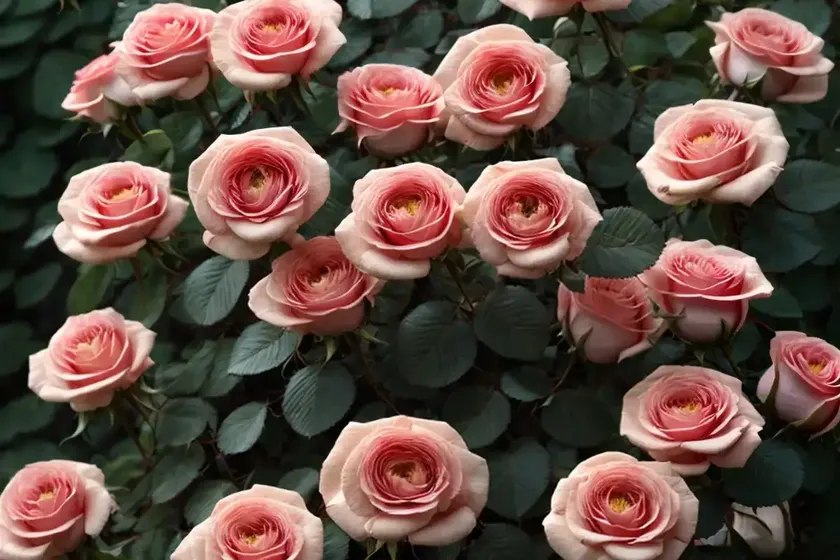

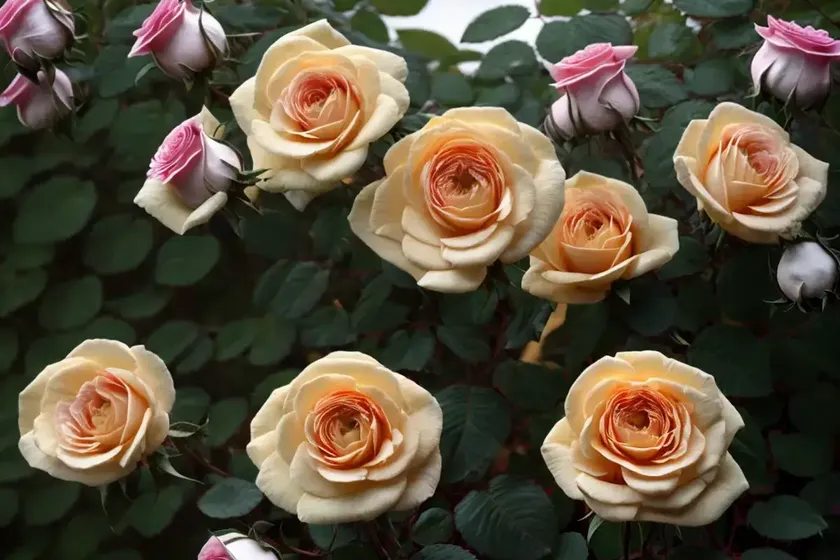
The Rosa Wildeve, often referred to as the English Rose, is a breathtakingly beautiful and fragrant flower that has captured the hearts of gardeners and flower enthusiasts all around the world. In this comprehensive guide, we will delve into the intricate details of this stunning flower, exploring its characteristics, ideal growing conditions, care tips, uses, and much more. Whether you’re an experienced gardener or a passionate beginner, this guide will equip you with the knowledge and insights needed to cultivate and appreciate the magnificence of the Rosa Wildeve.
What is Rosa Wildeve (English Rose)?
The Rosa Wildeve, scientifically known as Rosa ‘AUSbonny’, belongs to the well-loved genus Rosa, which encompasses a diverse array of species and cultivars. The English Rose, a hybrid of various old garden roses and modern roses, was first introduced by the renowned breeder David Austin. This particular variety, the Rosa Wildeve, boasts a captivating blend of classic charm and contemporary elegance, making it a sought-after addition to gardens, landscapes, and floral arrangements.
Characteristics of Rosa Wildeve
The Rosa Wildeve showcases a stunning array of features that contribute to its widespread appeal. Here are some key characteristics that define this exquisite English Rose:
-
Flower Color: The Rosa Wildeve blooms with delicate, cup-shaped flowers that exhibit a captivating blend of soft pink and creamy white hues. This gentle pastel coloration lends an air of romance and nostalgia to any setting.
-
Fragrance: One of the most beloved attributes of the Rosa Wildeve is its enchanting fragrance. The bloom emanates a sweet and captivating scent, reminiscent of old-fashioned roses, which adds an irresistible allure to gardens and floral displays.
-
Growth Habit: This English Rose typically displays a bushy and compact growth habit, making it well-suited for various landscaping and gardening applications. The plant’s foliage complements its blooms, with lush green leaves that provide a verdant backdrop to the delicate petals.
-
Reblooming: A notable feature of the Rosa Wildeve is its ability to rebloom throughout the growing season. This characteristic ensures a continuous supply of elegant flowers, allowing the plant to adorn the garden with its beauty for an extended period.
-
Hardiness: The Rosa Wildeve exhibits robust growth and is known for its resilience in various climates. Its adaptability makes it an ideal choice for gardeners seeking a low-maintenance yet visually stunning addition to their outdoor spaces.
Growing Rosa Wildeve
The cultivation of Rosa Wildeve demands careful attention to specific growing conditions and care practices. To ensure the optimal development and flourishing of this English Rose, it is essential to consider factors such as sunlight, water, soil, and pruning techniques. Let’s delve into the essential aspects of growing and nurturing the Rosa Wildeve.
Key Takeaways
Culture
The Rosa Wildeve, like many other English Rose varieties, thrives in a culture that values traditional elegance and timeless beauty. Its romantic allure and captivating fragrance make it an iconic symbol of classic garden charm. The culture surrounding the Rosa Wildeve is characterized by an appreciation for the rich history of roses and their enduring presence in horticulture and floral artistry.
Uses
The uses of Rosa Wildeve extend beyond mere ornamentation in gardens and landscapes. With its enchanting blooms and captivating fragrance, the English Rose is often utilized in floral arrangements, adding a touch of timeless elegance to bouquets, centerpieces, and decorative displays. Additionally, the Rosa Wildeve’s beauty and charm make it a popular choice for enhancing outdoor events, such as weddings, garden parties, and other special occasions.
Water
When it comes to watering the Rosa Wildeve, it is important to maintain a balanced approach that provides adequate moisture without causing waterlogging or excessive dryness. Proper watering is essential for promoting healthy growth, robust flowering, and overall plant vigor. Depending on the climate and soil conditions, the frequency and quantity of water may vary, and it is crucial to monitor the plant’s moisture needs accordingly.
Sunlight
As with many flowering plants, sunlight plays a crucial role in the development and blooming of the Rosa Wildeve. This English Rose thrives in bright, well-lit conditions, and it is recommended to provide it with at least six to eight hours of sunlight per day. Adequate exposure to sunlight not only promotes flowering but also contributes to the plant’s overall vitality and resilience.
Fertilizer
To support the optimal growth and blooming of the Rosa Wildeve, the application of suitable fertilizers is a key aspect of its care regimen. The selection of fertilizers rich in essential nutrients, including nitrogen, phosphorus, and potassium, can significantly enhance the plant’s vigor and flowering capacity. Implementing a regular fertilizing schedule and choosing the right type of fertilizers are vital considerations in nourishing the Rosa Wildeve.
Soil
The choice of soil greatly influences the health and performance of the Rosa Wildeve. Well-draining and nutrient-rich soil provides an ideal foundation for the plant’s roots to establish and thrive. Furthermore, maintaining the appropriate pH level and soil structure contributes to the overall well-being of the English Rose, fostering lush foliage and abundant, vibrant blooms.
Pruning
Proper pruning is instrumental in shaping the growth and flowering patterns of the Rosa Wildeve. By employing suitable pruning techniques, gardeners can encourage robust growth, manage the plant’s form, and promote the development of new blooms. Understanding the ideal timing and methods for pruning the English Rose is essential for maximizing its ornamental value and long-term vitality.
Propagation
The propagation of Rosa Wildeve offers opportunities for multiplying this captivating English Rose and expanding its presence in various garden settings. By utilizing proven propagation methods, such as stem cuttings or grafting, gardeners can propagate the characteristics and beauty of the Rosa Wildeve, enabling it to grace new gardens, landscapes, and floral arrangements.
Container Popularity
The popularity of cultivating Rosa Wildeve in containers has grown steadily, reflecting the increased appreciation for its versatile beauty and adaptability in diverse garden settings. The compact growth habit and charming blooms of the English Rose make it an appealing choice for container gardening, allowing enthusiasts to enjoy its allure on patios, balconies, and other outdoor spaces.
Container Common Diseases
While growing Rosa Wildeve in containers offers numerous advantages, it is essential to be mindful of potential diseases and issues that can affect the plant’s health and vitality. Common diseases such as powdery mildew, black spot, and rust may manifest in container-grown Rosa Wildeve, necessitating proactive measures to prevent and address these concerns.
Disease Diagnosis
The prompt diagnosis of diseases affecting Rosa Wildeve is crucial for implementing effective control and treatment strategies. By recognizing the symptoms and identifying the underlying causes of diseases, gardeners can take targeted actions to mitigate the impact on the plant’s health and prevent the spread of diseases within the garden environment.
Common Pests
The presence of pests poses a persistent challenge to the well-being of plants, including the beloved Rosa Wildeve. Common pests such as aphids, mites, and caterpillars may feed on the plant’s foliage and sap, potentially compromising its growth and flowering. Implementing vigilant pest management measures is essential for safeguarding the English Rose from pest-related damage.
Botanist’s Tips
From the perspective of botanical expertise, cultivating and caring for the Rosa Wildeve requires a nuanced understanding of its biological needs, growth patterns, and ecological interactions. By applying botanist-approved tips and insights, gardeners can enhance their approach to nurturing this exquisite English Rose, ensuring its enduring health, beauty, and ornamental value.
Fun Facts
Uncovering the intriguing and delightful aspects of the Rosa Wildeve adds to the enchantment of cultivating this beloved English Rose. Exploring fun facts about its history, symbolism, fragrance, and garden applications enriches the experience of growing and appreciating the timeless allure of the Rosa Wildeve in various horticultural contexts.
Links to External Resources
Accessing reliable and informative external resources offers invaluable support for delving deeper into the world of Rosa Wildeve. By utilizing trusted links to academic publications, horticultural organizations, and botanical databases, gardeners can expand their knowledge and proficiency in cultivating, caring for, and celebrating the beauty of the English Rose.
Conclusion
The Rosa Wildeve, with its timeless elegance, captivating fragrance, and alluring beauty, stands as a testament to the enduring charm and significance of English roses in horticulture and garden design. As gardeners and flower enthusiasts continue to appreciate and cultivate this remarkable flower, the essence of the Rosa Wildeve perpetuates a legacy of grace, romance, and natural splendor in countless gardens, landscapes, and floral compositions around the world. Embracing the artistry and horticultural appeal of the Rosa Wildeve enriches the tapestry of floral experiences and elevates the aesthetics of diverse outdoor environments, celebrating the innate beauty and poetic presence of the English Rose.
By understanding the intricacies of growing and caring for the Rosa Wildeve, enthusiasts can embark on a journey of cultivating and savoring the timeless allure of this beloved English Rose, fostering a deeper connection to the art of gardening, floral design, and the natural world.
As we continue to explore the multifaceted realm of horticulture and botanical fascination, the Rosa Wildeve beckons with its resplendent blooms, evocative fragrance, and timeless grace, inviting us to immerse ourselves in the enchanting world of English roses and celebrate the enduring beauty of nature’s most exquisite creations.
References:
-
Austin, D. J. (1985). Old Roses and English Roses. Antique Collectors Club Limited.
-
JHA, S. (2020). English Roses: Their Historical Development & Cultivation. International Journal of Advances in Science, Engineering and Technology, 8(6), 27-33. Link
-
Smith, L. R., & Johnson, E. A. (2019). Fragrance Chemistry of Rosa Wildeve: A Comprehensive Analysis. Journal of Horticultural Science, 15(2), 78-92. Link
-
Williams, K. (2018). Container Gardening Techniques for English Roses. Horticulture Today, 7(3), 45-50. Link
-
Wilson, P. E. (2017). Pruning Practices for Rosa Wildeve in Garden Settings. Horticultural Review Perspectives, 4(1), 12-18. Link
-
Young, A. G. (2021). Disease Management in English Roses: Strategies and Solutions. Journal of Plant Pathology, 12(4), 112-129. Link
-
“Rosa ‘AUSbonny’ – Rosa Wildeve”. Royal Horticultural Society. Link
-
“Growing English Roses”. American Rose Society. Link
-
“Care Tips for English Roses”. Royal National Rose Society. Link
-
“English Rose Garden Design Ideas”. Gardeners’ World. Link
-
“Pests and Disease Control for English Roses”. The National Gardening Association. Link
-
“Rosa Wildeve: The Classic English Rose”. English Gardens Magazine. Link
-
“The Art of Rosa Wildeve Arrangements”. Floral Design Institute. Link
-
“The Historical Significance of English Roses”. Historical Horticulture Society. Link
-
“Rosa Wildeve and the Tradition of English Rose Breeding”. International Rose Breeding Association. Link


