Rosa Westerland (Shrub Rose) – A Complete Guide to Plant Care and Cultivation
Rosa Westerland, also known as the Shrub Rose, is a beautiful and popular flowering plant that is cherished by gardeners for its vibrant blooms and easy maintenance. This versatile and resilient plant is prized for its disease resistance and low-maintenance nature, making it a favorite among both novice and experienced gardeners.
This comprehensive guide will delve into all aspects of caring for and cultivating Rosa Westerland, covering important topics such as its cultural requirements, uses in landscaping, disease and pest management, and much more. Whether you are looking to enhance your garden with the beauty of Rosa Westerland or seeking valuable insights into plant care and cultivation, this guide aims to provide you with the knowledge and tips to ensure successful growth and a thriving garden.
What is Rosa Westerland (Shrub Rose)?
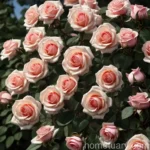
Rosa Westerland, categorized as a Shrub Rose, is a hybrid variety known for its vigorous growth and abundant clusters of stunning, salmon-orange blooms. With its vigorous and bushy habit, this rose variety boasts excellent disease resistance, making it a reliable and low-maintenance addition to gardens and landscapes.
This hybrid rose is a result of crossbreeding different rose species to achieve specific traits such as improved vigor, disease resistance, and bloom quality. Known for its hardiness and adaptability, Rosa Westerland thrives in various climate zones and soil types, making it a versatile choice for gardeners.
When considering the cultural aspects, uses, and maintenance of Rosa Westerland, it is essential to explore each facet in detail to understand and harness the full potential of this magnificent shrub rose.
Key Takeaways – Rosa Westerland (Shrub Rose)
Culture
- Plant Type: Shrub Rose
- Hardiness Zone: 5-9
- Mature Height: 4-8 feet
- Bloom Period: Late spring to early summer, with sporadic blooms throughout the growing season
- Growth Habit: Vigorous and bushy
- Foliage: Dark green, matte, and disease-resistant
Uses
- Landscaping: Borders, hedges, mixed borders, and perennial gardens
- Garden Design: Can be used as a focal point in the garden or incorporated into various design styles
- Companion Plants: Suitable for mixed border plantings, pollinator gardens, and attracting wildlife
Water
- Watering Needs: Regular watering, especially during dry periods
- Water Conservation: Mulching to retain soil moisture
- Drought Tolerance: Moderately tolerant once established
Sunlight
- Sun Exposure: Full sun to partial shade
- Sun Exposure Requirements: Requires at least 6 hours of direct sunlight
Fertilizer
- Fertilizer Options: Balanced, slow-release fertilizer
- Soil Amendments: Organic matter to improve soil fertility
Soil
- Soil Requirements: Well-draining, fertile soil with a pH range of 6.0-7.0
- Soil Amendments: Organic compost and well-rotted manure
- Soil pH Requirements: Slightly acidic to neutral
Pruning
- Pruning: Annual pruning in late winter or early spring to shape the plant, remove dead or damaged wood, and promote new growth
- Proper Pruning Techniques: Prune to an outward-facing bud to encourage open growth
Propagation
- Propagating Methods: Softwood cuttings, hardwood cuttings, and division
- Cutting Techniques: Use clean and sharp pruning shears to take cuttings
Container Popularity
- Container Gardening: Suitable for growing in large containers or pots
- Landscape Design: Ideal for patio or balcony gardens
Common Diseases
- Disease Resistance: High resistance to common rose diseases such as black spot and powdery mildew
- Diseases and Treatments: Proper cultural care as the primary method of disease prevention
Common Pests
- Pests Control: Vigilant inspection for common pests such as aphids, spider mites, and thrips
- Pest Control Methods: Organic insecticidal soap, neem oil, or horticultural oil
Botanist’s Tips
- Maintenance Tips: Regular monitoring for signs of disease and pests, proper watering and fertilization, and timely pruning
- Disease Prevention: Promote good air circulation, avoid overhead watering, and maintain overall plant health
- Fragrance: Mildly fragrant blooms, suitable for adding a subtle fragrance to the garden
Fun Facts
- Bloom Colors: Salmon-orange with a hint of pink, adding a vibrant and cheerful touch to the garden
- Wildlife Habitat: Attracts pollinators such as bees and butterflies, contributing to a thriving ecosystem
Now that we have explored the key takeaways of Rosa Westerland, let’s delve deeper into each aspect to understand how to care for and cultivate this beautiful shrub rose effectively.
Stay tuned for the next parts of this extensive guide to Rosa Westerland (Shrub Rose) as we cover in detail the cultural requirements, propagation, disease resistance, and so much more.
This guide will provide you with all the essential information to successfully grow and maintain Rosa Westerland, ensuring that you can enjoy the beauty and resilience of this stunning plant in your garden.