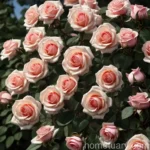
Rosa multiflora (Multiflora Rose): A Comprehensive Guide
Rosa multiflora, commonly known as Multiflora Rose, is a species of rose native to eastern Asia, in China, Japan, and Korea. It was introduced to the United States in the 1860s as a rootstock for ornamental roses and used in soil erosion control. However, over time, it has become an invasive species in many regions, including the United States and New Zealand.
In this comprehensive guide, we will explore the various aspects of Rosa multiflora, from its cultural significance to its ecological impacts, and provide valuable insights into its cultivation, care, and management.
What is Rosa Multiflora?
Rosa multiflora, a member of the Rosaceae family, is a deciduous, perennial shrub with arching canes and small, fragrant, white flowers that bloom in spring. It is known for its vigorous growth and ability to form dense thickets, which can significantly impact the ecosystems it invades.
Multiflora Rose Facts
- Scientific Name: Rosa multiflora
- Common Name: Multiflora Rose
- Family: Rosaceae
- Native Range: China, Japan, Korea
- Introduced to: United States in the 1860s
Rosa Multiflora Characteristics
- Height: 7-10 feet
- Spread: 6-9 feet
- Flower Color: White
- Leaf Arrangement: Alternate
- Thorns: Present
Now that we have an overview of what Rosa multiflora is, let’s delve into various aspects of its cultivation, care, uses, and ecological impacts.
Key Takeaways – Rosa multiflora (Multiflora Rose)
Before we proceed, let’s briefly highlight the key takeaways associated with Rosa multiflora to understand the critical points we will be discussing in detail.
- Cultivation: Understanding the specific requirements for growing Rosa multiflora.
- Uses: Exploring the various cultural, ornamental, and historical uses of Multiflora Rose.
- Ecological Impacts: Uncovering the effects of its invasiveness and wildlife interactions.
- Diseases and Pests: Identifying common issues and control methods.
- Propagation: Learning about the techniques for propagating Multiflora Rose.
Now, let’s explore each of these aspects in detail.
Cultivation of Rosa Multiflora
Cultivating Rosa multiflora requires careful attention to its specific needs regarding soil, water, sunlight, and fertilizer. Let’s dive into each of these aspects to understand how to successfully grow this plant.
Water
Rosa multiflora generally prefers moist, well-drained soil. However, it exhibits good drought tolerance once established. Adequate watering, especially during the initial stages of growth, is essential to promote healthy development.
Sunlight
This species thrives in full sun to partial shade, with at least 6 hours of direct sunlight being optimal for robust growth and prolific flowering.
Soil
The soil should be fertile, loamy, and slightly acidic (pH 6.0-6.5) for best results. While it can adapt to various soil types, ensuring good drainage is crucial to prevent waterlogging, which may lead to root rot.
Fertilizer
A balanced, slow-release fertilizer applied in early spring can support healthy growth and flowering. Incorporating organic matter into the soil during planting can also provide essential nutrients for the plant.
Pruning
Regular pruning is important to control its aggressive growth and maintain a more manageable size. It is generally recommended to prune Multiflora Rose during the dormant season to remove dead or diseased wood, as well as to shape the plant.
Uses of Rosa Multiflora
Rosa multiflora has been widely utilized for various purposes, ranging from ornamental uses to medicinal benefits. Understanding its diverse uses provides valuable insights into its cultural significance and ecological impacts.
Ornamental Uses
In gardens and landscapes, Rosa multiflora is often cultivated for its attractive, fragrant flowers and ornamental value. Its arching canes and white blooms make it a popular choice for creating natural boundaries and hedges.
Medicinal Uses
While not as widely recognized for its medicinal properties, some traditional herbal remedies have utilized certain parts of Rosa multiflora for their potential health benefits. However, it is essential to approach any medicinal use with caution and seek guidance from qualified professionals.
Historical and Cultural Significance
In certain cultures, the multiflora rose has historical significance as a symbol of beauty, purity, and love. Its presence in literature and art also reflects its cultural importance in various societies.
Ecological Impacts of Multiflora Rose
Despite its aesthetic appeal and potential uses, Rosa multiflora has become a significant concern due to its invasive nature and impact on ecosystems.
Invasive Species
Rosa multiflora’s ability to form dense thickets and outcompete native vegetation has led to its classification as an invasive species in many regions. This can result in the alteration of natural habitats and reduced biodiversity.
Wildlife Interactions
While it can provide food and cover for wildlife, especially birds, the aggressive growth of Multiflora Rose can also displace native plant species that offer a more balanced and diverse habitat.
Diseases and Pests
Like many plant species, Rosa multiflora is susceptible to certain diseases and pests that can affect its health and vigor. Understanding these issues and effective control methods is crucial for maintaining the plant’s well-being.
Common Diseases
- Powdery Mildew: A fungal infection that can affect foliage and reduce plant vigor.
- Black Spot: Characterized by dark spots on leaves, often caused by specific fungal pathogens.
- Root Rot: Occurs due to waterlogged soil, leading to decay of the roots and plant decline.
Disease Diagnosis
Regular monitoring of the plant for any signs of disease, such as spotted or discolored leaves, wilting, or stunted growth, can help in early detection and prompt treatment.
Common Pests
- Aphids: These tiny insects can cluster on new growth and suck sap from the plant, causing distortion and stunted growth.
- Japanese Beetles: Known to feed on the foliage and flowers of Rosa multiflora, leading to significant damage if left unchecked.
- Rose Chafers: Another potential pest that can defoliate the plant if present in large numbers.
Control Methods
Cultural practices, such as proper spacing and air circulation, along with the use of organic or chemical control methods, can help manage both diseases and pests. Additionally, promoting overall plant health through proper care can enhance its natural defenses against these issues.
Propagation of Multiflora Rose
Rosa multiflora can be propagated through various methods, including seeds, cuttings, and layering. Each propagation technique offers unique advantages and should be chosen based on the specific requirements and objectives.
-
Seed Germination: Collecting and germinating seeds can be a cost-effective way to propagate Multiflora Rose, especially for establishing large numbers of plants for erosion control or wildlife habitat restoration.
-
Cuttings: Using stem cuttings with appropriate rooting hormone can yield genetically identical plants and may be preferred for preserving specific traits or characteristics.
-
Layering: Encouraging the natural rooting of stems by burying a portion of the stem in soil can also result in successful propagation, especially in a garden or landscape setting.
Botanist’s Tips for Growing Rosa Multiflora
To ensure successful cultivation and management of Rosa multiflora, here are some valuable tips and best practices to consider:
- Providing adequate support for climbing varieties can create visually striking trellises or living fences.
- Regularly inspecting the plant for signs of pests and diseases can aid in early intervention and prevention of widespread issues.
- Utilizing mulch around the base of the plant can help conserve moisture, suppress weeds, and enrich the soil as it decomposes.
Fun Facts about Multiflora Rose
- In Japan, Rosa multiflora is known as “Yuki usagi” or “Snow Hare,” reflecting the white flowers and its presence in snowy habitats.
- The flowers of Multiflora Rose are not only visually appealing but also emit a sweet fragrance, attracting pollinators such as bees and butterflies.
Links to External Resources
For more in-depth information on Rosa multiflora, including its ecological impacts, management strategies, and cultural significance, consider exploring the following external resources:
- USDA National Invasive Species Information Center – Multiflora Rose
- The Plant Conservation Alliance’s Alien Plant Working Group – Multiflora Rose
- University of Wisconsin-Madison Extension – Multiflora Rose Control
With its rich history, ecological implications, and diverse uses, Rosa multiflora continues to be a subject of interest for plant enthusiasts, conservationists, and researchers alike. By understanding its cultivation, management, and broader impacts, we can appreciate the complexities and significance of this species within the natural world.