Rosa Virginiana (Virginia Rose)
Rosa virginiana, commonly known as Virginia Rose, is a delightful and versatile plant that captivates with its natural beauty and numerous benefits. As a.
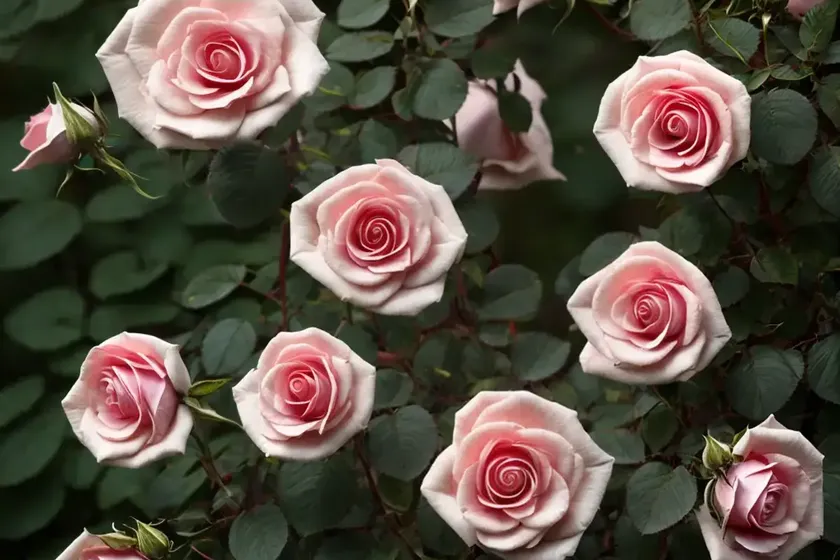
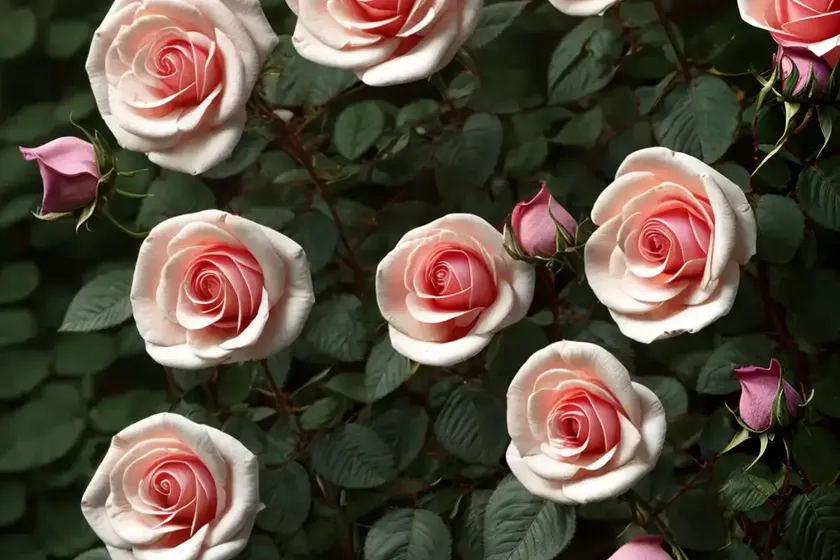
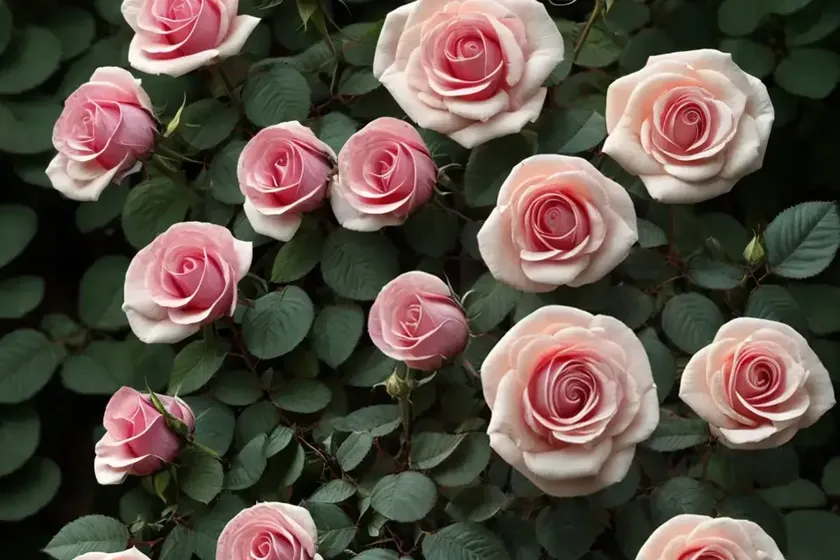
Rosa virginiana, commonly known as Virginia Rose, is a delightful and versatile plant that captivates with its natural beauty and numerous benefits. As a plant scientist, I am excited to delve into the fascinating world of Rosa virginiana. In this blog post, we will explore the plant characteristics, habitat, care tips, and much more. So, let’s embark on this botanical journey together!
What is Rosa virginiana (Virginia Rose)?
Rosa virginiana, belonging to the family Rosaceae, is a deciduous shrub native to North America. This resilient plant is known for its stunning pink blooms, delicate fragrance, and ornamental value. The Virginia Rose is versatile and can thrive in a variety of landscapes, making it a favorite among gardeners and landscape enthusiasts.
Virginia Rose Plant Characteristics
The Virginia Rose exhibits the following key characteristics:
- Height: Typically grows to a height of 3-5 feet.
- Foliage: The foliage is comprised of pinnate leaves adorned with toothed edges, providing an elegant appearance to the plant.
- Flowers: The plant produces beautiful pink flowers with a distinct fragrance, adding charm to any landscape.
- Fruit: After the flowering season, the Virginia Rose bears attractive red hips that are not only visually appealing but also serve as a food source for local wildlife.
Now that we have a fundamental understanding of the plant, let’s delve into its natural habitat.
Rosa virginiana Habitat
The Virginia Rose thrives in a diverse range of habitats, from open woodlands to meadows and fields. It has a remarkable adaptability to different soil types and climatic conditions, showcasing its resilience and versatility as a native plant species in North America.
Naturalized Areas
Rosa virginiana has naturalized in various regions, including:
- Eastern United States
- Midwest region
- Southeastern Canada
The plant’s ability to naturalize in various areas is a testament to its adaptability and hardiness.
Wildlife Habitat
Apart from its aesthetic appeal, the Virginia Rose also serves as a valuable wildlife habitat. The plant’s flowers attract pollinators such as bees and butterflies. Furthermore, the red hips produced by the plant are a significant source of food for birds and small mammals, promoting biodiversity in the ecosystem.
Virginia Rose Care Tips
Caring for Rosa virginiana is relatively straightforward, provided the plant’s basic requirements are met. Let’s explore some essential care tips for cultivating and maintaining this beautiful species.
Water
- Young Plants: Newly planted Virginia Roses require regular watering to establish their root systems. Adequate moisture is essential for their initial growth and development.
- Mature Plants: Once established, Virginia Roses are relatively drought-tolerant. However, providing occasional deep watering during dry spells can help maintain the plant’s vigor and flowering capacity.
Sunlight
Rosa virginiana thrives in full sun to partial shade, making it a versatile option for various landscapes. When choosing a planting location, it’s essential to ensure that the plant receives adequate sunlight to promote healthy growth and prolific flowering.
Fertilizer
- Organic Compost: Incorporating well-rotted organic compost around the base of the plant in early spring can provide essential nutrients and support overall plant health.
- Balanced Fertilizer: A balanced fertilizer formulated for flowering shrubs can be applied in the spring to encourage robust blooms and foliage development.
Soil
The Virginia Rose thrives in well-draining soil with a slightly acidic to neutral pH. Amending the soil with organic matter, such as compost or well-rotted manure, can enhance its fertility and texture, promoting optimal growth and performance.
Pruning
Pruning is an integral part of Virginia Rose care, contributing to the plant’s overall health and appearance. Here are some key points to consider when pruning Rosa virginiana:
- Pruning Season: Late winter to early spring is an ideal time to prune Virginia Roses before the onset of new growth.
- Deadheading: Regular deadheading of spent blooms can prolong the flowering period and promote continuous blooming throughout the season.
- Thinning and Shaping: Removing older canes and shaping the plant can help maintain an open and airy growth habit, enhancing air circulation and reducing the risk of disease.
Virginia Rose Planting Guide
When planting Rosa virginiana, it’s essential to consider several factors to ensure the plant’s successful establishment and long-term growth. Let’s outline a comprehensive planting guide for the Virginia Rose.
Planting Time
- Spring or Fall: Planting Virginia Roses in the spring or fall when the weather is mild allows the plants to acclimate gradually and establish strong root systems.
Site Selection
- Sun Exposure: Choose a planting site with full sun to partial shade, providing the plant with the necessary light for optimal growth and flowering.
- Soil Quality: Select well-draining soil with a slightly acidic to neutral pH. Amending the soil with organic matter can improve its fertility and structure, creating an ideal growing environment for the Virginia Rose.
Planting Instructions
- Site Preparation: Prepare the planting site by clearing any debris and weeds. Dig a hole that is slightly larger than the plant’s root ball and amend the soil with compost if needed.
- Planting Depth: Place the Virginia Rose in the center of the hole at the same depth as it was in the nursery container. Backfill the hole with soil and water thoroughly to settle the soil around the roots.
- Mulching: Applying a layer of mulch around the base of the plant can help conserve moisture and suppress weed growth, creating a conducive environment for the plant’s growth.
Spacing
- Spacing Guidelines: Space Virginia Roses approximately 3-4 feet apart to allow for adequate air circulation and future growth.
Watering
- Initial Watering: After planting, water the Virginia Rose thoroughly to ensure that the root ball is adequately moistened.
- Subsequent Watering: Water the plant regularly, especially during dry periods, to support its establishment and early growth.
By following these planting guidelines, gardeners can set the stage for the Virginia Rose to flourish and thrive in their landscapes.
Rosa virginiana Pruning Techniques
Pruning is a valuable horticultural practice that helps maintain the health, vigor, and aesthetic appeal of Rosa virginiana. Understanding the proper pruning techniques is essential for promoting robust growth, abundant flowering, and overall plant vitality.
Tools for Pruning
When pruning Virginia Roses, the following tools are recommended for the task:
- Sharp Bypass Pruners: Ideal for precise cuts on smaller stems and branches.
- Loppers: Used for thicker branches and stems that require more cutting power.
- Pruning Saw: Helpful for removing larger, woody canes and branches.
Pruning Objectives
- Dead Wood Removal: Prune out any dead, diseased, or damaged wood to maintain the plant’s health and appearance.
- Shaping and Thinning: Remove crowded or crossing branches to promote an open growth habit and improve air circulation within the plant.
Pruning Techniques
- Initial Pruning: Upon planting, trim back any damaged or overly long canes to encourage balanced growth.
- Annual Pruning: Conduct annual pruning in late winter to early spring, before the onset of new growth. Focus on shaping the plant, removing dead wood, and thinning out overcrowded branches.
Deadheading
- Purpose: Regular deadheading of spent blooms can stimulate continuous flowering and prevent the formation of rose hips, redirecting the plant’s energy into producing new blooms.
Rejuvenation Pruning
- Overgrown Roses: In cases of overgrown or neglected Virginia Roses, rejuvenation pruning can be employed to restore the plant’s vigor. This involves cutting back the entire plant to a height of 12-18 inches above the ground, allowing it to regrow and rejuvenate over time.
By implementing these pruning techniques, gardeners can help Virginia Roses maintain their health, vigor, and visual appeal, ensuring a thriving and beautiful landscape.
Virginia Rose Propagation Methods
Propagation is a fascinating aspect of plant science, offering the opportunity to multiply and share the beauty of Rosa virginiana. Here, we’ll explore various propagation methods that can be employed to propagate the Virginia Rose.
Method 1: Softwood Cuttings
Softwood cuttings are taken from the current season’s growth, usually in late spring or early summer. Here’s a step-by-step guide for propagating Virginia Roses using softwood cuttings:
- Selecting Cuttings: Choose healthy, non-flowering stems and cut them at a length of 4-6 inches.
- Preparation: Remove the lower leaves from the cuttings, leaving 2-3 leaves at the top. Dip the cut end in a rooting hormone to expedite root development.
- Planting: Insert the cuttings into a well-draining propagation medium and water thoroughly. Keep the medium consistently moist and provide adequate humidity to promote root formation.
- Transplanting: Once the cuttings have developed roots, carefully transplant them into individual pots or a prepared garden bed.
Method 2: Division
Division is a straightforward propagation method that involves separating the root ball of a mature Virginia Rose into smaller sections. Follow these steps to propagate the plant through division:
- Lifting the Plant: Carefully lift the plant from the ground, ensuring that the root ball remains intact.
- Division: Using a sharp, clean knife, divide the root ball into sections, ensuring that each section has healthy roots and stems.
- Replanting: Plant the divided sections in prepared soil, water thoroughly, and provide appropriate care to support their establishment and growth.
Method 3: Seed Propagation
Growing Virginia Roses from seeds allows for the creation of new genetic variations and cultivars. Here’s a basic guide for propagating the plant from seeds:
- Seed Collection: Harvest mature rose hips from the plant in the fall after they have ripened and turned red.
- Seed Preparation: Extract the seeds from the rose hips and clean off any remaining pulp. Optionally, stratify the seeds in a moist medium in the refrigerator for 2-3 months to break their dormancy.
- Planting: Sow the seeds in seed-starting trays or containers filled with a well-draining seed-starting mix. Water gently and provide consistent moisture to support germination.
- Transplanting: Once the seedlings have developed several true leaves, they can be transplanted into individual pots or a suitable outdoor location for further growth.
By utilizing these propagation methods, plant enthusiasts can expand their collection of Virginia Roses and share the plant’s beauty with others.
Rosa virginiana Medicinal Uses
Beyond its ornamental value, Rosa virginiana holds significant medicinal properties that have been utilized for centuries. Let’s explore some of the medicinal uses associated with the Virginia Rose.
Herbal Remedies
- Astringent Properties: The leaves and bark of Rosa virginiana possess astringent properties, making them valuable in traditional herbal medicine for treating mild skin irritations and minor wounds.
- Vitamin C Content: The rose hips are a rich source of vitamin C, making them an excellent natural remedy for boosting immune function and combating colds and flu.
Culinary Applications
- Rose Hips: The ripe rose hips can be used to prepare teas, jams, jellies, and syrups, providing a flavorful and nutritious addition to culinary creations.
Aromatherapy and Cosmetics
- Rose Essential Oil: The aromatic essence of Rosa virginiana is valued in aromatherapy for its calming and soothing properties. Additionally, the oil can be used in cosmetic formulations, including lotions, creams, and soaps.
Understanding the medicinal potential of Rosa virginiana highlights its multifaceted nature and underscores its historical significance as a valuable plant with diverse applications.
Virginia Rose Disease Prevention
Maintaining the health and vigor of Rosa virginiana involves proactive disease prevention measures. By being aware of common diseases that can affect the plant and implementing preventive strategies, gardeners can promote a thriving and disease-resistant landscape.
Common Diseases
The Virginia Rose is susceptible to certain diseases, including:
- Powdery Mildew: A fungal disease that manifests as a white powdery coating on the leaves, inhibiting photosynthesis and weakening the plant.
- Black Spot: An unsightly fungal disease characterized by black spots on the foliage, leading to premature leaf drop and reduced vigor.
Disease Prevention Strategies
- Cultural Practices: Maintaining proper plant spacing, promoting good air circulation, and avoiding overhead watering can help reduce the risk of fungal diseases such as powdery mildew and black spot.
- Early Detection: Regularly inspecting the plant for any signs of disease or pest infestations allows for early intervention and treatment, preventing the spread of pathogens.
- Cleanliness: Practicing good garden hygiene, including removing fallen leaves and debris, can minimize the presence of disease-causing organisms and their overwintering sites.
By adopting these preventive measures, gardeners can create an environment that supports the health and vitality of Virginia Roses, minimizing the impact of common diseases.
Rosa virginiana Garden Design
Integrating Rosa virginiana into garden designs offers an opportunity to enhance the aesthetic appeal and ecological value of outdoor spaces. Consider the following garden design ideas to incorporate the beauty of the Virginia Rose into your landscape.
Garden Settings
- Mixed Borders: Planting Virginia Roses along mixed borders with complementary perennials and flowering shrubs can create a vibrant and diverse landscape.
- Wildlife Gardens: Designing wildlife-friendly gardens with Virginia Roses can attract pollinators, birds, and small mammals, contributing to biodiversity and ecological balance.
Landscaping Features
- Hedges and Privacy Screens: Utilize Virginia Roses to create natural hedges and privacy screens, providing privacy and visual interest while supporting local wildlife.
- Cottage Gardens: Incorporate Virginia Roses into cottage-style gardens to evoke a charming and romantic atmosphere, showcasing the plant’s timeless beauty.
Color Combinations
- Complementary Pairings: Pair the pink blooms of Virginia Roses with blue or purple flowering companions, creating an eye-catching color contrast in the garden.
- Monochromatic Schemes: Create a cohesive color scheme by incorporating roses of different hues, such as light and dark pink varieties, within the same planting area.
By integrating Virginia Roses into garden designs, landscapers and enthusiasts can create captivating, ecologically beneficial outdoor spaces that celebrate the beauty and versatility of the plant.
Virginia Rose Landscape Ideas
The versatility and visual appeal of Rosa virginiana make it an excellent addition to various landscape settings. Here are some landscape ideas that showcase the plant’s potential to enhance outdoor environments.
Naturalized Landscapes
- Meadow Plantings: Plant Virginia Roses in meadow-style landscapes, where their natural charm and adaptability can thrive alongside native grasses and wildflowers.
- Woodland Gardens: Incorporate Virginia Roses into woodland garden settings, where the plant’s delicate blooms and foliage can complement the dappled light and naturalistic surroundings.
Formal Gardens
- Rose Gardens: Design elegant and classic rose gardens featuring Virginia Roses, accentuating their beauty and fragrance within a formal layout.
- Parterre Gardens: Utilize Virginia Roses as part of intricate parterre designs, creating structured and symmetrical patterns with ornamental and functional appeal.
Environmental Restoration
- Native Habitat Restoration: Employ Virginia Roses in habitat restoration projects to enhance and preserve native ecosystems, providing valuable resources for local wildlife.
- Erosion Control: Plant Virginia Roses in erosion-prone areas to stabilize the soil and prevent erosion, contributing to landscape conservation and management.
By implementing these landscape ideas, individuals and organizations can harness the intrinsic beauty and ecological functionality of Virginia Roses in diverse outdoor settings.
Rosa virginiana Flower Meaning
The blossoms of Rosa virginiana hold symbolic significance and convey various meanings across cultures and traditions. Understanding the flower meaning adds an extra layer of appreciation for the Virginia Rose and its role in conveying timeless messages through its blooms.
Symbolism and Significance
- Love and Romance: In many cultures, pink roses, including those of the Virginia Rose, symbolize admiration, gratitude, and expressions of love and romance.
- Gratitude: The pink flowers of Rosa virginiana are often associated with expressions of appreciation, making them an ideal choice for commemorating moments of gratitude and thanks.
Floral Language and Communication
- Flower Arrangements: Incorporate Virginia Roses into floral arrangements to convey sentiments of affection, admiration, and appreciation on special occasions and celebrations.
- Gift Giving: Presenting Virginia Roses as a gift symbolizes feelings of affection and gratitude, conveying heartfelt messages through the language of flowers.
By recognizing the flower meaning associated with Rosa virginiana, individuals can infuse deeper sentiment and convey expressive messages through the timeless beauty of its blooms.
Virginia Rose Wildlife Attraction
Rosa virginiana plays a vital role in attracting and supporting a diverse array of wildlife, contributing to the ecological balance and biodiversity within natural and cultivated landscapes.
Pollinator Attraction
- Bees and Butterflies: The fragrant flowers of Virginia Roses serve as valuable nectar sources, attracting and nourishing bees and butterflies, essential pollinators in the ecosystem.
- Beneficial Insects: By hosting pollinators, Virginia Roses contribute to the presence of beneficial insects that aid in natural pest control and ecosystem health.
Wildlife Food Source
- Rose Hips: The red hips produced by Virginia Roses are an essential food source for birds and small mammals during the fall and winter months, providing nutrition and sustenance.
Habitat Enhancement
- Shelter and Nesting: The dense growth habit of Virginia Roses offers shelter and nesting sites for birds and small wildlife, contributing to habitat diversity and wildlife support.
By recognizing the wildlife attraction properties of Rosa virginiana, gardeners and conservationists can prioritize the plant’s inclusion in landscape designs and restoration projects, fostering a harmonious relationship between flora and fauna.
Rosa virginiana Companion Plants
Pairing Rosa virginiana with compatible companion plants can create visually appealing and ecologically beneficial garden combinations. Consider the following companion planting ideas to enhance the presence of Virginia Roses in your landscape.
Perennial Companions
- Purple Coneflower (Echinacea purpurea): Incorporate the vibrant blooms of purple coneflower alongside Virginia Roses to create a colorful and pollinator-friendly planting.
- Black-Eyed Susan (Rudbeckia hirta): The cheerful yellow blooms of black-eyed Susan complement the pink flowers of Virginia Roses, adding a bright and dynamic contrast to the garden.
Foliage Accents
- Lamb’s Ear (Stachys byzantina): The fuzzy, silver-gray foliage of lamb’s ear provides an interesting textural contrast when planted as a border alongside Virginia Roses.
- Artemisia (Artemisia spp.): The delicate and aromatic foliage of artemisia can serve as a graceful backdrop for the elegant blooms of Virginia Roses.
Ground Cover Combinations
- Creeping Thyme (Thymus serpyllum): Pair the low-growing, fragrant foliage of creeping thyme with Virginia Roses to create an enchanting and aromatic ground cover combination.
- Sedum (Sedum spp.): The succulent foliage and resilient nature of sedum make it an excellent ground cover choice to complement the beauty of Virginia Roses.
By integrating compatible companion plants alongside Virginia Roses, gardeners can establish cohesive and visually captivating plantings that enhance the overall appeal of the landscape.
Virginia Rose Soil Requirements
Understanding the specific soil requirements of Rosa virginiana is essential for creating an optimal growing environment that promotes the plant’s


