Rosa, Rosa - Floribunda Rose, Rosa - Shrub Rose
Rosa Tickled Pink (Floribunda Rose)
Rosa Tickled Pink, a Floribunda Rose, is cherished by gardeners for its elegance, fragrance, and versatile uses in garden design. In this comprehensive.
Introduction
Rosa Tickled Pink, a Floribunda Rose, is cherished by gardeners for its elegance, fragrance, and versatile uses in garden design. In this comprehensive care guide, we will explore the characteristics of this beautiful rose variety, its cultivation, and maintenance requirements. Whether you are a seasoned gardener or a novice enthusiast, this guide will equip you with the knowledge to cultivate and care for the Rosa Tickled Pink rose effectively.
What is Rosa Tickled Pink (Floribunda Rose)?
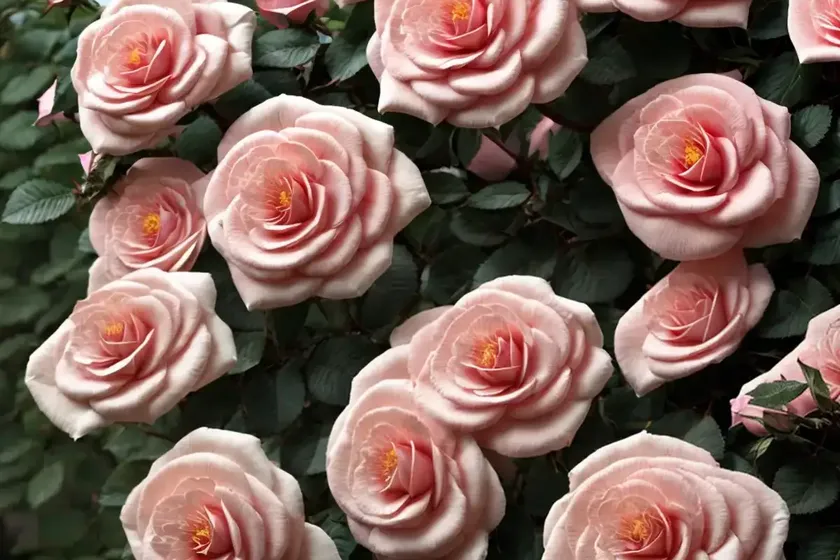
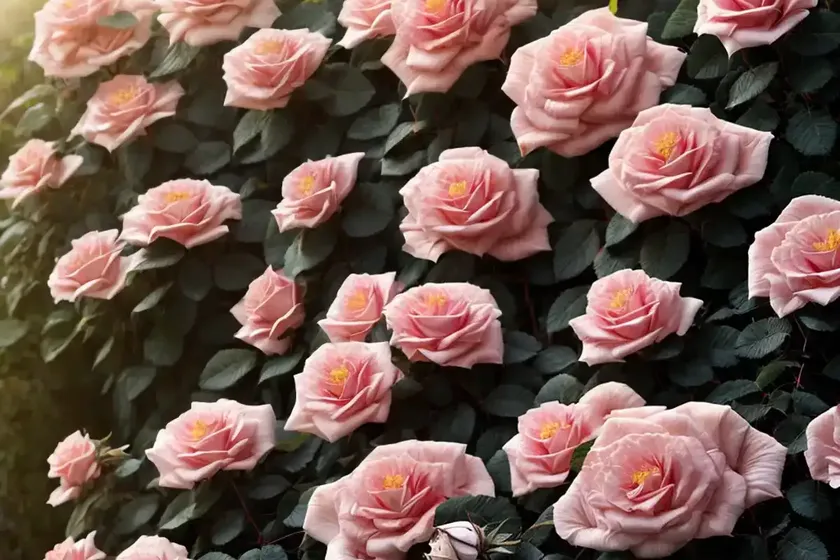
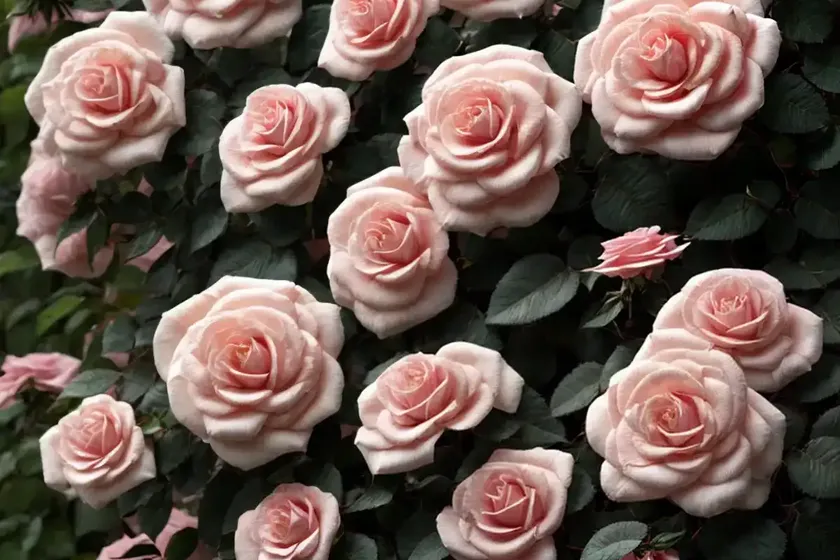
The Rosa Tickled Pink is a stunning Floribunda Rose variety that exhibits clusters of captivating pink blooms. This particular rose cultivar is renowned for its compact growth habit, making it a suitable choice for both garden beds and containers. With its delightful fragrance and disease resistance, the Tickled Pink rose variety has become a favorite among gardeners and landscaping professionals.
Key Takeaways – Rosa Tickled Pink (Floribunda Rose)
Characteristics
- Blooming Clusters: Displays captivating clusters of pink blooms.
- Growth Habit: Exhibits a compact growth habit, ideal for garden beds and containers.
- Fragrance: Offers a delightful fragrance that enhances the garden experience.
- Disease Resistance: Shows resistance to common rose diseases, reducing the need for extensive maintenance.
Let’s delve into the detailed care requirements for the Rosa Tickled Pink (Floribunda Rose).
Culture
Uses
The Rosa Tickled Pink (Floribunda Rose) is a versatile plant that can be used in various garden settings and landscaping designs. Its uses include:
– Garden Beds
– Containers
– Mixed Borders and Flower Arrangements
– Landscaping Focal Points
Water
Proper watering is vital for the health and vitality of the Tickled Pink rose variety. Here are some essential guidelines for watering:
– Regular Watering: Provide regular, consistent watering to maintain soil moisture.
– Avoid Waterlogging: Ensure that the soil has good drainage to prevent waterlogging, which can lead to root rot.
Sunlight
Sunlight plays a crucial role in the growth and bloom production of the Rosa Tickled Pink. Consider the following sunlight requirements:
– Full Sun: Plant the Tickled Pink rose in an area that receives at least 6-8 hours of direct sunlight daily.
– Partial Shade: While the Tickled Pink rose thrives in full sun, it can tolerate partial shade under certain circumstances.
Fertilizer
Proper fertilization is essential for promoting healthy growth and abundant blooms in the Rosa Tickled Pink. Consider the following fertilizer guidelines:
– Balanced Fertilizer: Use a balanced fertilizer formulated for roses to provide essential nutrients.
– Application Frequency: Apply fertilizer during the growing season, following the manufacturer’s instructions for dosage and frequency.
Soil
The soil composition and quality significantly impact the health and performance of the Tickled Pink rose. Here are the soil requirements:
– Well-Draining Soil: Plant the Rosa Tickled Pink in well-draining soil to prevent waterlogging and root suffocation.
– Organic Matter: Incorporate organic matter, such as compost, into the soil to improve its structure and fertility.
Pruning
Pruning is a critical aspect of rose maintenance, shaping the plant and promoting new growth and blooming. Consider the following pruning techniques for the Rosa Tickled Pink:
– Deadheading: Regularly remove spent blooms to encourage the production of new flowers.
– Pruning Shears: Use sharp, clean pruning shears to accomplish precise cuts and maintain plant health.
Propagation
The propagation of the Rosa Tickled Pink (Floribunda Rose) allows gardeners to expand their rose collection. Consider the following propagation methods:
– Cuttings: Propagate the Tickled Pink rose from stem cuttings, ensuring that the cuttings have adequate moisture and warmth for root development.
– Grafting: Explore grafting techniques to propagate desirable traits of the Rosa Tickled Pink onto rootstock.
Container Popularity
The compact growth habit and enchanting blooms make the Rosa Tickled Pink a popular choice for container gardening. Consider these container cultivation tips:
– Container Size: Choose a spacious container to accommodate the rose’s root system and provide stability.
– Drainage Holes: Ensure that the container has sufficient drainage holes to prevent water accumulation.
Common Diseases
The Rosa Tickled Pink (Floribunda Rose) exhibits remarkable disease resistance, but some potential threats may arise. Common diseases include:
– Powdery Mildew
– Black Spot
– Rust
Disease Diagnosis
When diagnosing diseases in the Tickled Pink rose variety, observe the following symptoms:
– Powdery Mildew: White powdery patches on leaves and stems.
– Black Spot: Dark spots and yellowing on the foliage.
– Rust: Rust-colored spores on the undersides of leaves.
Common Pests
While the Tickled Pink rose demonstrates resistance to many pests, it may still encounter occasional infestations. Look out for the following common pests:
– Aphids
– Thrips
– Spider Mites
Botanist’s Tips
As a botanist, I recommend the following tips for cultivating and caring for the Rosa Tickled Pink (Floribunda Rose):
– Regular Observation: Monitor the plant regularly for signs of pests, diseases, and nutrient deficiencies.
– Adequate Air Circulation: Ensure proper spacing between plants to promote air circulation and reduce the risk of fungal infections.
– Mulching: Apply a layer of organic mulch around the base of the plant to conserve moisture and suppress weed growth.
Fun Facts
- The Tickled Pink rose variety symbolizes happiness and admiration, making it a meaningful gift for loved ones.
- The delicate fragrance of the Rosa Tickled Pink can uplift the mood and create a serene atmosphere in the garden.
- The Floribunda Rose category, to which the Tickled Pink belongs, is known for its abundant clusters of blooms, making it a visual delight in any garden setting.
Links to External Resources
For further exploration of Rosa Tickled Pink (Floribunda Rose) care, refer to the following resources:
1. American Rose Society
2. Royal Horticultural Society – Growing Roses
3. University of California Agriculture and Natural Resources – Roses
In conclusion, the Rosa Tickled Pink (Floribunda Rose) is a captivating and resilient plant that enriches garden spaces with its beauty and fragrance. By understanding and implementing the recommended care practices, you can nurture and enjoy the magnificent blooms of the Tickled Pink rose variety in your garden.
Remember to immerse yourself in the joy of rose gardening and appreciate the timeless appeal of the Rosa Tickled Pink!
References
- Gudin, S., Dorion, N., Garofalo, F., & Sérino, S. (2020). Rose diseases March 2019. In Rosen für jeden Garten (pp. 23-45). Gärtnerei Felicitas.
- Howell, C. (2019). The Ultimate Rose Book: Fruit, Flowers, Foliage. Penguin.
- Turner, R. W. (2018). The English Florilegium: Roses. Penguin.


