Rosa, Rosa - Climbing Rose, Rosa - English Rose, Rosa - Shrub Rose
Rosa St Swithun (Climbing Rose)
Climbing roses are a delightful addition to any garden or landscape, and one particular variety that stands out is the Rosa St Swithun. This breathtaking.
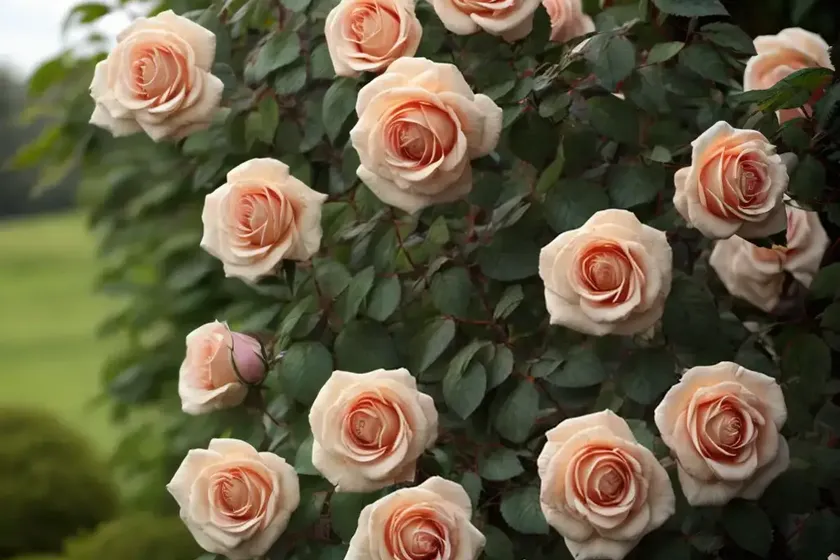
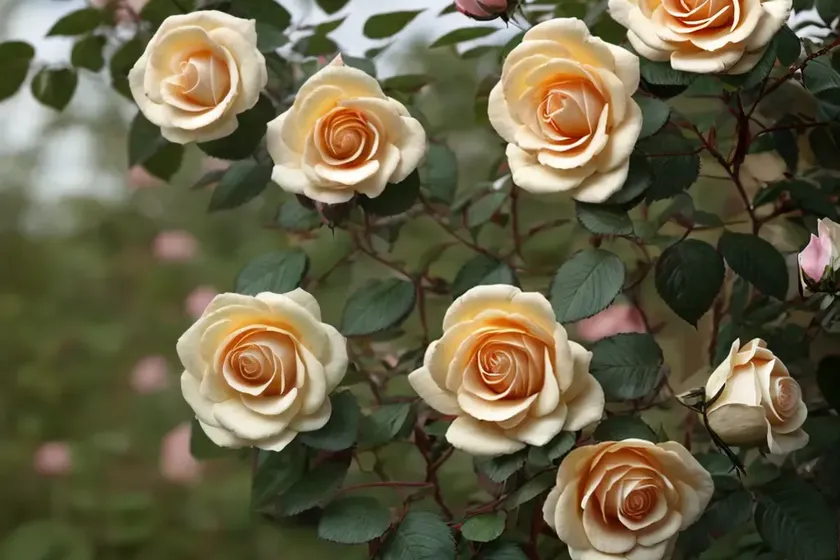
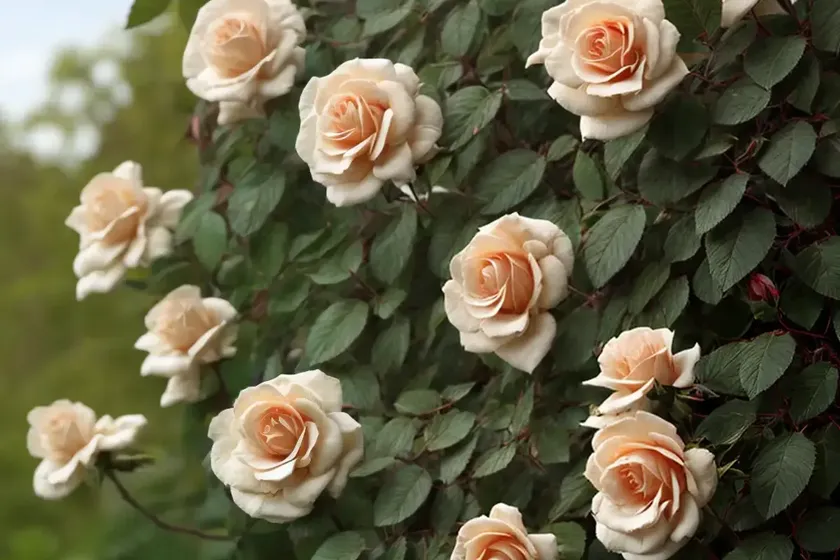
Climbing roses are a delightful addition to any garden or landscape, and one particular variety that stands out is the Rosa St Swithun. This breathtaking climbing rose is cherished by garden enthusiasts for its stunning blooms, hardiness, and versatility. In this comprehensive guide, we will delve into the details of the Rosa St Swithun, including its culture, uses, growing requirements, maintenance, common diseases, and much more to equip you with all the insights you need to cultivate and enjoy these beautiful climbers in your own garden.
What is a Plant: Rosa St Swithun (Climbing Rose)?
Rosa St Swithun, a member of the climbing rose family, is celebrated for its vigorous growth and exceptional beauty. This variety is renowned for its large, cupped blooms, which exude a delightful fragrance. Its fluid and flexible canes enable it to gracefully adorn various structures, including arbors, trellises, and fences, making it a versatile choice for vertical gardening and adding charm and elegance to any outdoor space.
Key Takeaways – Rosa St Swithun (Climbing Rose)
Before we dive into the specifics of cultivating and caring for the Rosa St Swithun, here are the key takeaways that will guide us through this comprehensive guide:
- Common Name: Rosa St Swithun (Climbing Rose)
- Botanical Name: Rosa St Swithun
- Type: Climbing Rose
- Uses: Garden ornamentation, vertical gardening, landscaping
- Notable Features: Large cupped blooms, delightful fragrance, vigorous growth habit
- Sunlight: Full sun to partial shade
- Water: Regular watering, particularly during dry spells
- Soil: Well-draining, fertile soil
- Pruning: Regular pruning for shaping and maintenance
- Propagation: Cuttings, layering
- Disease Susceptibility: Generally low, but susceptible to common rose diseases
- Pest Management: Regular inspection, natural and chemical control methods if necessary
- Container Cultivation: Possible with proper support and care
Now, let’s explore these key points in detail to understand the culture, care, and maintenance of the charming Rosa St Swithun climbing rose.
Culture
The culture of the Rosa St Swithun encompasses its growing requirements, environmental preferences, and general characteristics that determine its suitability for different gardening scenarios. Understanding its culture is essential to provide the best possible growing conditions and ensure the optimal development and blooming of this delightful climbing rose variety.
Uses
The Rosa St Swithun boasts a range of versatile uses, making it a popular choice for gardeners and landscapers alike. Some of its primary uses include:
- Garden Ornamentation: The large, fragrant blooms of the Rosa St Swithun enhance the aesthetic appeal of gardens and outdoor spaces, making it a preferred choice for adding elegance and color to landscapes.
- Vertical Gardening: Its climbing habit makes it an excellent candidate for vertical gardening, where it can be trained to adorn arbors, fences, walls, and trellises, adding a vertical dimension to the garden.
- Landscaping: Landscapers often utilize the Rosa St Swithun to create visually captivating designs and accents, incorporating its graceful growth and stunning blooms into various landscape settings.
Water
Proper watering is crucial for the health and vigor of the Rosa St Swithun climbing rose. While it is known for its resilience, particularly when established, adequate moisture is vital for robust growth and profuse blooming.
- Watering Needs: Regular watering is essential, especially during dry spells or in periods of prolonged heat to ensure the plant has sufficient moisture for robust growth and blooming.
Sunlight
Like most roses, the Rosa St Swithun thrives in sunny conditions, although it can tolerate partial shade. Understanding its sunlight requirements is vital for determining the ideal planting location and ensuring optimal growth and flowering.
- Sunlight Preferences: Full sun to partial shade. While it can tolerate some shade, it typically thrives and produces the best blooms when exposed to ample sunlight.
Fertilizer
Fertilizing the Rosa St Swithun climbing rose is essential for providing the necessary nutrients for healthy growth and abundant flowering. Choosing the right fertilizer and applying it at the appropriate times can significantly enhance the plant’s vigor and blooming capacity.
- Fertilization Needs: Regular fertilization, typically in spring as new growth emerges and again in late spring or early summer to support the first flush of blooms. Additionally, a light application in midsummer can provide a boost for subsequent blooming.
Soil
The soil in which the Rosa St Swithun is planted plays a pivotal role in its overall health, growth, and blooming. Understanding the ideal soil characteristics and making necessary amendments can create a conducive environment for this climbing rose to thrive.
- Soil Type: Well-draining, fertile soil with a slightly acidic to neutral pH. Amending the soil with organic matter can enhance its fertility and structure, providing an optimal growing medium for the Rosa St Swithun.
Pruning
Pruning is an essential aspect of Rosa St Swithun care, contributing to its overall appearance, vigor, and blooming performance. Understanding the pruning requirements and techniques is crucial for maintaining the plant’s shape, controlling its size, and promoting abundant flowering.
- Pruning Needs: Regular pruning, typically in late winter or early spring before new growth emerges. This includes the removal of dead, diseased, or damaged wood, shaping the plant, and promoting air circulation within the canopy.
Propagation
Propagating the Rosa St Swithun can be an enjoyable and rewarding endeavor, allowing for the expansion of its presence in the garden or the sharing of its beauty with fellow gardening enthusiasts. Understanding the propagation methods and best practices is essential for successful reproduction of this climbing rose variety.
- Propagation Methods: Propagation is commonly achieved through softwood cuttings, hardwood cuttings, and layering, each offering different advantages and requiring specific techniques for successful rooting and establishment.
Container Cultivation
While traditionally grown in the ground to take advantage of its climbing habit, the Rosa St Swithun can also be cultivated in containers, provided that certain requirements are met. Understanding the nuances of container cultivation is essential for successfully growing this climbing rose in pots or other suitable containers.
- Container Requirements: Large, sturdy containers with ample drainage and support for the climbing canes. Regular watering and fertilization are crucial for container-grown roses, as their access to resources is more limited than those planted directly in the ground.
Popularity
The popularity of the Rosa St Swithun climbing rose stems from its outstanding beauty, versatile uses, and relatively low maintenance requirements. Gardeners and landscapers alike appreciate its graceful growth, stunning blooms, and adaptability to various garden settings, making it a sought-after choice for adding elegance and charm to outdoor spaces.
Common Diseases
While the Rosa St Swithun is generally resilient, it is susceptible to certain diseases, particularly those commonly affecting roses. Recognizing these diseases and implementing appropriate management strategies is essential for preserving the health and beauty of this climbing rose variety.
Disease Diagnosis
Diagnosing and identifying diseases that affect the Rosa St Swithun is pivotal for implementing timely and effective control measures. Common rose diseases that may impact this variety include:
- Black Spot (Diplocarpon rosae): Characterized by dark spots on the leaves, often with yellowing or defoliation. It thrives in humid conditions and can weaken the plant over time.
- Powdery Mildew (Sphaerotheca pannosa): Manifests as a powdery white coating on the leaves and stems, potentially leading to leaf distortion and reduced vigor.
- Botrytis Blight (Botrytis cinerea): Known for causing bud rot and decay, especially in wet or humid conditions. It can lead to the browning and deterioration of blossoms and buds.
Common Pests
In addition to diseases, the Rosa St Swithun may also encounter various pests that can affect its health and blooming. Identifying and managing these pests is crucial for maintaining the plant’s vitality and minimizing potential damage.
- Aphids: Small, soft-bodied insects that can congregate on new growth and flower buds, sucking sap from the plant and potentially causing distortion or yellowing of the foliage.
- Thrips: These tiny insects can cause damage by rasping and sucking plant tissues, leading to distorted or discolored growth, particularly on flower buds and petals.
- Spider Mites: These minuscule arachnids can cause stippling and webbing on the undersides of leaves, impacting the plant’s overall appearance and vigor.
Botanist’s Tips
To ensure the successful cultivation and care of the Rosa St Swithun climbing rose, here are some valuable tips from botanists and gardening experts:
- Select a Sturdy Support: Given its climbing nature, providing a sturdy and well-anchored support structure, such as a trellis or arbor, is essential for the Rosa St Swithun to thrive and display its graceful growth habit.
- Mulch for Moisture Retention: Applying a layer of organic mulch around the base of the plant can help retain soil moisture, regulate temperature, and suppress weed growth, contributing to the overall health and vigor of the climbing rose.
- Regular Vigilance for Pests and Diseases: Regularly inspecting the plant for signs of pests and diseases allows for early detection and intervention, minimizing potential damage and preserving the plant’s vitality.
Fun Facts
Uncover some intriguing and delightful facts about the Rosa St Swithun climbing rose:
- The ‘St Swithun’ rose is named after the historic St Swithun, who was an Anglo-Saxon bishop known for his association with the weather.
- With proper care and maintenance, the Rosa St Swithun can grace the garden with its elegant blooms for many years, adding timeless beauty to the outdoor space.
Links to External Resources
For further information, tips, and resources related to the Rosa St Swithun climbing rose, consider exploring the following links:
- RHS – Rose Growing & Care
- University of Minnesota Extension – Growing Roses in Containers
- American Rose Society
- Gardening Know How – Common Rose Diseases
In conclusion, the Rosa St Swithun (Climbing Rose) stands as a captivating and cherished addition to gardens and landscapes, offering a timeless elegance, delightful fragrance, and a gracefully climbing habit. By understanding its cultural requirements, uses, maintenance, and potential challenges, gardeners can cultivate and enjoy the beauty of this climbing rose, enriching their outdoor spaces with its enchanting presence.
Keywords: Climbing roses, Rosa St Swithun, Climbing rose varieties, Rosa St Swithun rose, Best climbing roses, Beautiful climbing roses, Climbing rose care, Growing Rosa St Swithun, How to grow climbing roses, Pruning climbing roses, Rosa St Swithun flowers, Climbing rose plant, Rosa St Swithun care tips, Climbing rose gardening, Rosa St Swithun climber, Climbing rose colors, Rosa St Swithun fragrance, Tips for growing climbing roses, Rosa St Swithun pruning techniques, Hardy climbing roses, Best soils for climbing roses, Rosa St Swithun blooming season, Growing climbing roses in containers, Rosa St Swithun disease resistance, Climbing rose trellis ideas, Rosa St Swithun petals, Climbing roses for fences, Rosa St Swithun garden design, Climbing roses for arbors, Rosa St Swithun thorns, Climbing rose training, Rosa St Swithun fragrance tips, Climbing rose planting guide, Rosa St Swithun outdoor decoration, Climbing roses for pergolas, Rosa St Swithun pruning schedule, Climbing rose support systems, Rosa St Swithun pests and diseases, Sunlight requirements for climbing roses, Rosa St Swithun landscape ideas, Winter care for climbing roses, Rosa St Swithun climbing habits, Climbing roses for walls, Rosa St Swithun water requirements, Climbing rose propagation methods, Rosa St Swithun companion plants, Climbing roses for shade, Rosa St Swithun container gardening, Climbing rose fertilizers, Rosa St Swithun blooming patterns


