Rosa, Rosa - English Rose, Rosa - Shrub Rose
Rosa Sharifa Asma (English Rose)
Plants are a vital part of our environment. They provide food, oxygen, medicine, and beauty. Each plant species is unique and carries a specific set of.
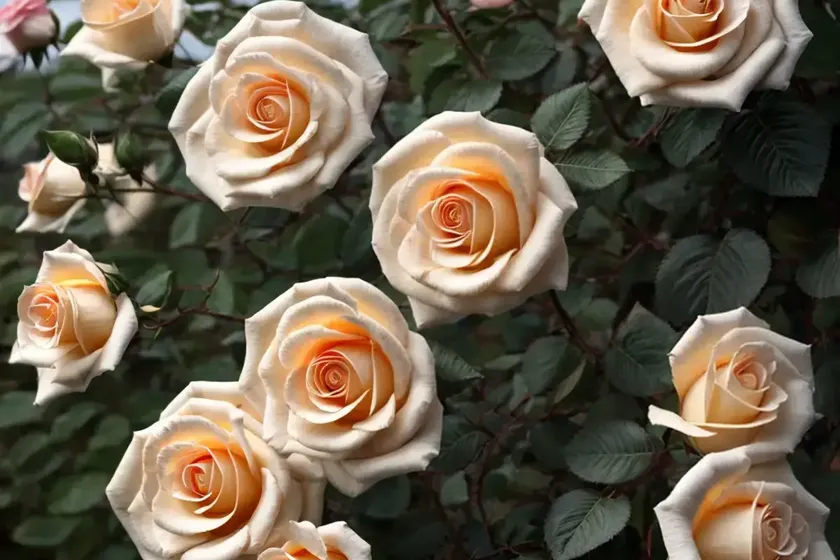
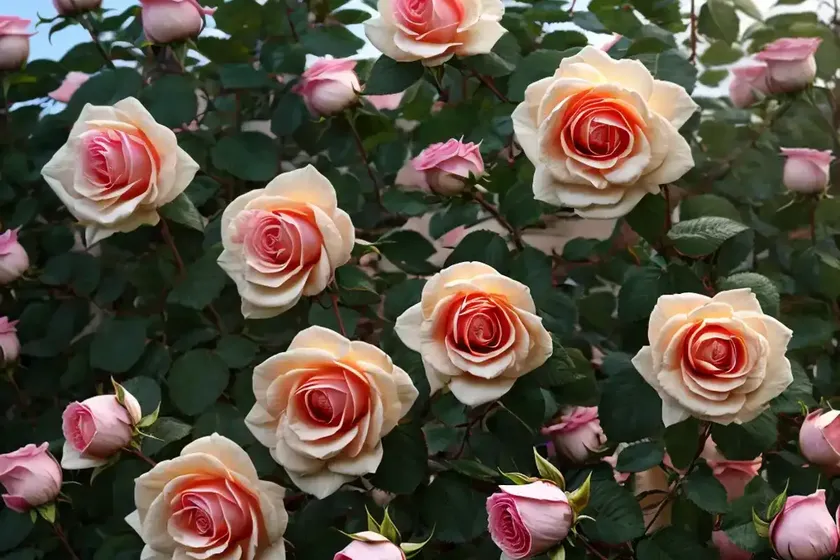
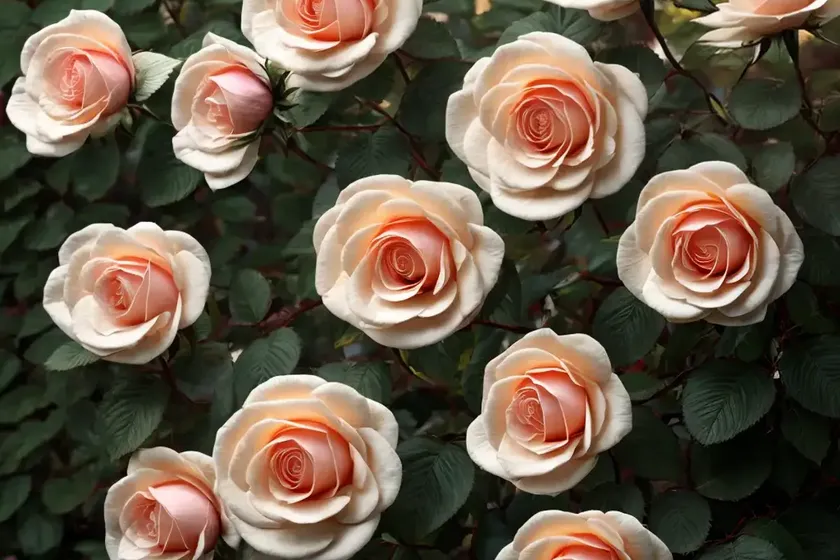
Plants are a vital part of our environment. They provide food, oxygen, medicine, and beauty. Each plant species is unique and carries a specific set of characteristics that make it distinctive. In this article, we’ll explore the English Rose variety named Rosa Sharifa Asma and delve into its culture, uses, care requirements, and much more. You will gain insights into how to care for this beautiful variety, its significance, and its role in historical, cultural, and modern settings.
What is Rosa Sharifa Asma (English Rose)?
Rosa Sharifa Asma, commonly known as the English Rose, is a captivating variety that stands out for its elegance and fragrance. English Roses are a group of roses that were specifically bred by David Austin, combining the qualities of traditional roses with the repeat-flowering trait of modern roses. The Rosa Sharifa Asma variety is particularly renowned for its delicate beauty and rich fragrance, making it a prized addition to gardens, events, and landscapes.
Rosa Sharifa Asma Varieties
The Rosa Sharifa Asma variety is part of the renowned English Rose series developed by David Austin. Each variety within the English Rose collection possesses its own unique blend of colors, fragrances, and characteristics, making them highly sought after by gardeners, floral enthusiasts, and landscapers.
Key Takeaways – Rosa Sharifa Asma (English Rose)
Culture
- Common Name: English Rose
- Scientific Name: Rosa Sharifa Asma
- Family: Rosaceae
- Genus: Rosa
- Origin: England
- Breeder: David Austin
- Type: Shrub Rose
Uses
- Garden Borders: Adds elegance and fragrance to garden borders.
- Cut Flowers: Ideal for creating stunning floral arrangements.
- Event Decor: Often used in weddings and other special events for its beauty and fragrance.
Water
- Watering needs: Regular watering, especially during dry periods, while ensuring proper drainage to prevent waterlogging.
Sunlight
- Light Requirements: Thrives in full sun to partial shade.
Fertilizer
- Fertilization: Requires regular feeding with a balanced fertilizer during the growing season.
Soil
- Soil Type: Well-draining, fertile soil with good organic content.
Pruning
- Pruning: Regular deadheading and light pruning to maintain shape and encourage continuous blooming.
Propagation
- Propagation Methods: Can be propagated through cuttings or layering.
Container Popularity
- Container Gardening: Well-suited for growing in containers, allowing versatility in placement and design.
Container Common Diseases
- Disease Susceptibility: Monitor for common rose diseases such as powdery mildew and black spot, especially in container-grown specimens.
Disease Diagnosis
- Symptoms: Keep an eye out for signs of discoloration, powdery coatings, or black spots on the leaves.
Common Pests
- Pest Management: Monitor for aphids, spider mites, and thrips, which can sometimes affect roses.
English Rose Care
Characteristics
Rosa Sharifa Asma exhibits the following key characteristics:
- Fragrance: Known for its strong, rich fragrance.
- Blooms: Produces large, cup-shaped blooms with a classic rose form.
- Color: Delicate, soft pink petals that age to a pale peach hue, creating a stunning visual display.
- Foliage: Healthy, glossy, and dark green foliage provides an attractive backdrop to the blooms.
Growing Requirements
- Climate Conditions: Thrives in temperate climates with adequate sunlight and moderate humidity.
- Water Requirements: Requires regular watering to maintain consistent soil moisture.
- Soil Conditions: Flourishes in well-draining, fertile soil.
- Sunlight Needs: Performs best in full sunlight, but can tolerate partial shade.
Disease Resistance
- Disease Tolerance: Displays good resistance to common rose diseases, making it a reliable choice for gardeners.
Maintenance
- Regular Care: Requires regular maintenance such as pruning, fertilizing, and pest management to ensure optimal health and blooming.
Planting
- Planting Time: Best planted in the early spring or fall to allow the roots to establish before extreme weather conditions.
Pruning Techniques
- Pruning: Employ light pruning to remove spent blooms and encourage new growth, while heavier pruning can be done in late winter or early spring.
Sunlight Needs
- Light Requirements: Thrives in full sunlight, ensuring abundant blooming and sturdy growth.
Water Requirements
- Hydration: Maintain consistent soil moisture to support healthy growth and blooming.
Fertilization
- Feeding Schedule: Apply a balanced fertilizer during the growing season to promote robust growth and abundant flowering.
Container Gardening
- Container Suitability: Well-suited for growing in containers, allowing flexibility in placement and design.
Propagation Methods
- Propagation: Can be propagated through softwood cuttings or layering to create new plants.
Seasonal Blooming
- Flowering Pattern: Exhibits a recurrent blooming pattern, providing a profusion of blooms throughout the growing season.
Companion Plants
- Complementing Species: Pair with other roses, lavender, or ornamental grasses for a visually appealing garden composition.
Botanist’s Tips for Growing Rosa Sharifa Asma
1. Soil Preparation
- Ensure the soil is well-draining and rich in organic matter to provide a favorable growing environment for Rosa Sharifa Asma.
2. Pruning Practices
- Employ a combination of light deadheading and selective pruning to maintain the shape of the plant and encourage continuous flowering.
3. Pest Vigilance
- Regularly inspect the plant for signs of aphids, mites, or other pests, and take proactive measures to manage any infestations.
4. Feeding Routine
- Implement a regular fertilization schedule to provide essential nutrients for vigorous growth and abundant flowering.
5. Watering Management
- Monitor soil moisture levels and ensure consistent hydration, particularly during dry periods, to support healthy growth.
Fun Facts about Rosa Sharifa Asma
-
Historical Significance: The English Rose has been associated with various historical events and has appeared in myths and folklore throughout history.
-
Fragrant Flowers: The Rosa Sharifa Asma variety is prized for its rich fragrance, often described as a combination of old rose, myrrh, and heliotrope.
-
Culinary Uses: The petals of some English Rose varieties, including Rosa Sharifa Asma, are edible and can be used to add a unique floral essence to dishes and beverages.
-
Medicinal Properties: Historically, roses have been used in traditional medicine for their soothing and anti-inflammatory properties.
-
Symbolism: Roses, including the English Rose, have symbolized love, beauty, and purity in various cultures for centuries.
Links to External Resources
For more information on Rosa Sharifa Asma (English Rose) and related topics, feel free to explore the following resources:
- David Austin Roses – Official Website
- Royal Horticultural Society (RHS) – Rose Care Guide
- American Rose Society – Growing Roses
- Missouri Botanical Garden – Rosa Care
- The English Garden Magazine – Rose Cultivation
In conclusion, the Rosa Sharifa Asma (English Rose) is a captivating variety that not only adds beauty and fragrance to gardens and events but also holds cultural, historical, and culinary significance. By understanding its care requirements, cultural uses, and diverse characteristics, one can appreciate the unique charm of this exceptional rose variety. Whether in a garden border, a floral arrangement, or a container, the Rosa Sharifa Asma continues to enchant and inspire enthusiasts with its timeless allure and rich heritage.


