Rosa Setigera (Prairie Rose)
Rosa setigera, commonly known as Prairie Rose, is a beautiful and resilient plant species native to North America. Its delicate pink blooms and hardy.
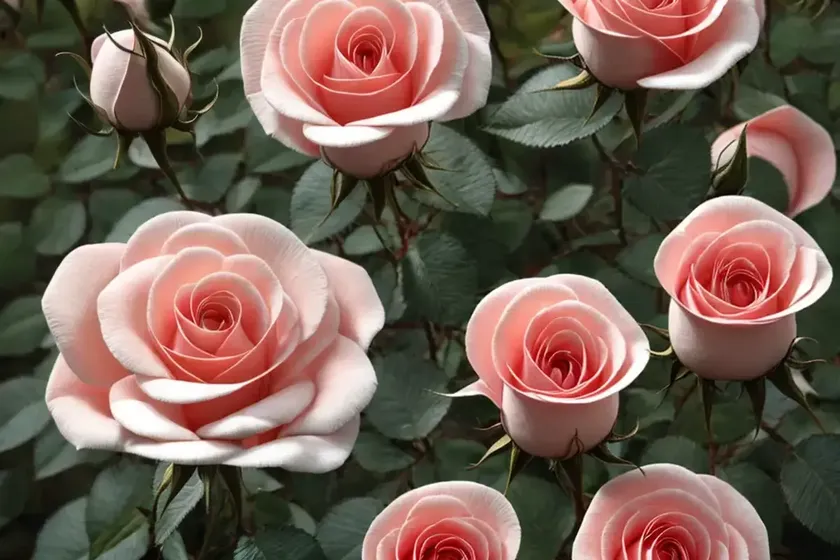
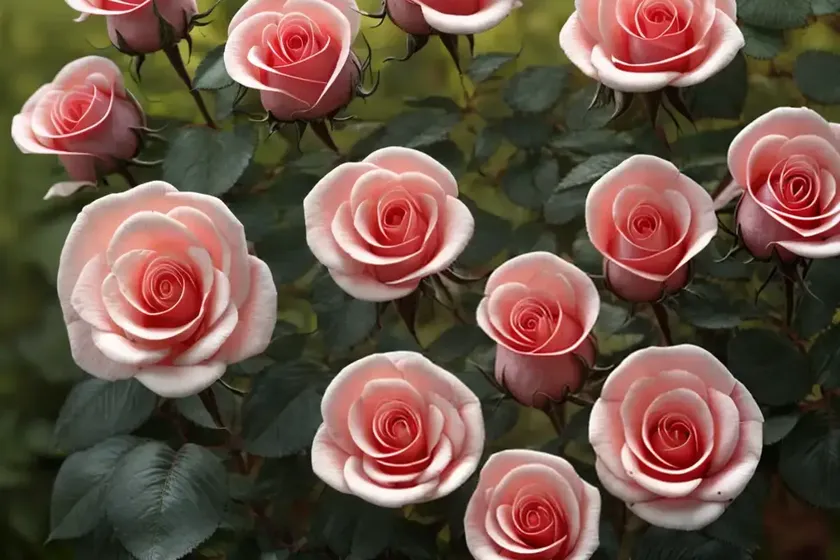
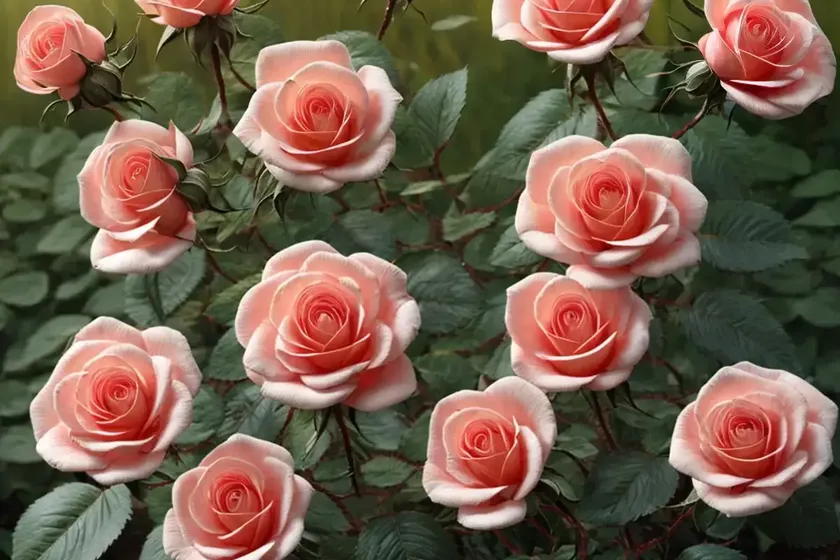
Rosa setigera, commonly known as Prairie Rose, is a beautiful and resilient plant species native to North America. Its delicate pink blooms and hardy nature make it a popular choice among gardeners and landscapers. In this comprehensive guide, we will delve into the cultivation, uses, care tips, and maintenance of Rosa setigera, providing valuable insights for both novice and experienced gardeners.
What is Rosa setigera (Prairie Rose)?
Rosa setigera is a species of rose that belongs to the Rosaceae family. It is native to the central and eastern regions of North America, where it thrives in a variety of habitats, including prairies, woodland edges, and riverbanks. This deciduous shrub is characterized by its sprawling growth habit and delicate, fragrant flowers, which bloom in the late spring to early summer.
The Prairie Rose is renowned for its resilience and ability to adapt to diverse environmental conditions, making it a valuable addition to both natural landscapes and cultivated gardens. With its ecological significance and aesthetic appeal, Rosa setigera holds a special place in the botanical world.
Key Takeaways – Rosa setigera (Prairie Rose)
Prairie Rose Plant Characteristics
- Common Name: Prairie Rose
- Scientific Name: Rosa setigera
- Family: Rosaceae
- Native Habitat: North America
- Plant Type: Deciduous shrub
- Flower Color: Pink
- Blooming Season: Late spring to early summer
- Hardiness Zone: 3-8
Now, let’s explore the essential aspects of cultivating and caring for Rosa setigera, from its cultural requirements to common diseases and propagation techniques.
Culture
Cultivating Rosa setigera requires an understanding of its environmental preferences, including water, sunlight, soil, and fertilization needs. By providing the right growing conditions, you can ensure the optimal health and vigor of Prairie Rose plants.
Water
– Watering Requirements:
– Rosa setigera prefers consistently moist, well-draining soil.
– During the growing season, ensure regular watering, especially during dry spells.
– While the plant is established, it exhibits good drought tolerance but benefits from occasional deep watering.
Sunlight
– Sun Requirements:
– Prairie Rose thrives in full sun to partial shade.
– It prefers at least 6 hours of direct sunlight per day for prolific flowering.
– In hotter climates, some afternoon shade can help prevent stress on the plant.
Fertilizer
– Fertilization Guidelines:
– Apply a balanced, slow-release fertilizer in early spring to promote healthy growth and flowering.
– Consider using organic fertilizers to enhance soil fertility and microbial activity.
– Avoid excessive fertilization, as it can lead to lush foliage at the expense of flowering.
Soil
– Soil Requirements:
– Plant Rosa setigera in well-draining, loamy soil with a slightly acidic to neutral pH.
– Organic matter-enriched soil promotes root development and overall vitality.
– Mulching around the base of the plant helps retain soil moisture and suppress weed growth.
Pruning
Pruning plays a crucial role in maintaining the shape, health, and blooming potential of Rosa setigera. Understanding the proper pruning techniques is essential for maximizing the plant’s ornamental value.
Pruning Techniques:
– Timing:
– Perform major pruning in late winter or early spring before new growth emerges.
– Remove dead, damaged, or diseased branches as soon as they are noticed to maintain plant health.
– Method:
– Use sharp, clean pruning shears to make precise cuts at a 45-degree angle.
– Aim to maintain an open, balanced framework that allows ample air circulation and light penetration.
– Pruning Objectives:
– Encourage new growth and flowering by removing old, woody stems.
– Shape the plant to enhance its natural form and prevent overcrowding.
Propagation
Rosa setigera can be propagated through various methods, including seeds, cuttings, and division. Each approach offers unique benefits and considerations for successful propagation.
Propagation Methods:
– Seeds:
– Collect ripe rose hips containing seeds in the fall and sow them in a prepared seed bed.
– Provide consistent moisture and protect seedlings from harsh environmental conditions.
– Cuttings:
– Take semi-hardwood cuttings in late spring or early summer and root them in a well-draining medium.
– Maintain high humidity and provide indirect light to encourage root development.
– Division:
– Divide mature Prairie Rose plants in early spring before new growth appears.
– Ensure that each division has sufficient roots and shoots for successful transplantation.
Container Popularity
Rosa setigera is well-suited for container cultivation, allowing gardeners to enjoy its beauty in confined spaces such as patios, balconies, and urban gardens. The adaptability of Prairie Rose to container growth makes it an attractive option for landscape design and ornamental plantings.
Container Growing Tips:
- Selecting Containers: Use large, sturdy containers with adequate drainage holes to prevent waterlogging.
- Potting Mix: Choose a well-draining, nutrient-rich potting mix specifically formulated for roses or flowering shrubs.
- Watering and Fertilization: Monitor soil moisture closely and fertilize regularly during the growing season to support vigorous growth and blooming.
Common Diseases
Despite its resilience, Rosa setigera is susceptible to certain diseases that can impact its overall health and appearance. Recognizing the symptoms and implementing appropriate management strategies can help safeguard Prairie Rose plants from common ailments.
Disease Diagnosis:
– Fungal Diseases:
– Watch for signs of powdery mildew, black spot, and rust, which can affect the foliage and stems.
– Provide adequate air circulation and avoid overhead watering to reduce humidity and minimize fungal growth.
– Bacterial Infections:
– Monitor for symptoms of bacterial leaf spot and stem cankers, which can cause tissue damage and defoliation.
– Practice good sanitation and remove and destroy infected plant material to prevent disease spread.
Common Pests
Various pests can pose a threat to the health and vitality of Rosa setigera, requiring vigilant monitoring and integrated pest management techniques to mitigate potential damage.
Pest Control Strategies:
– Insect Pests:
– Look out for aphids, spider mites, and Japanese beetles, which can feed on foliage and weaken the plant.
– Use insecticidal soaps or horticultural oils to target soft-bodied insects and minimize their populations.
– Wildlife Damage:
– Protect plants from deer browsing and rodent feeding by implementing physical barriers and deterrents.
– Consider the use of natural repellents or fencing to safeguard Prairie Rose from wildlife damage.
Botanist’s Tips
As a botanist, I have encountered the captivating beauty and ecological significance of Rosa setigera in its natural habitat. Here are some tips for appreciating and cultivating this remarkable plant species:
- Observe Prairie Rose in its native habitat to gain insights into its ecological interactions and adaptive features.
- Incorporate Rosa setigera into wildlife-friendly gardens and restoration projects to support pollinators and native biodiversity.
- Experiment with different cultivation methods, such as espalier training and mixed plantings, to showcase the versatility of Prairie Rose in landscape design.
Fun Facts
Discover some intriguing and lesser-known facts about Rosa setigera that highlight its unique characteristics and contributions to the natural world:
- Prairie Rose flowers not only exhibit aesthetic beauty but also emit a delightful fragrance, attracting pollinators and human admirers alike.
- The rose hips of Rosa setigera are edible and rich in vitamin C, offering nutritional benefits and culinary versatility.
- Native American tribes historically used various parts of Prairie Rose for medicinal and ceremonial purposes, underscoring its cultural and medicinal significance.
Links to External Resources
Explore these valuable external resources to deepen your knowledge of Rosa setigera (Prairie Rose) and its diverse attributes:
- USDA Plants Database – Rosa setigera
- The Morton Arboretum – Prairie Rose
- Lady Bird Johnson Wildflower Center – Rosa setigera
- Missouri Botanical Garden – Rosa setigera
In conclusion, Rosa setigera, or Prairie Rose, embodies a harmonious blend of natural beauty, ecological functionality, and cultural significance. By understanding its cultivation, care, and ecological role, we can foster a deeper appreciation for this captivating plant species and its enduring presence in our natural and cultivated landscapes.
Remember to embrace the spirit of exploration and conservation as you embark on your journey with Rosa setigera (Prairie Rose), and may its timeless allure enrich your botanical adventures.


