Rosa Sempervirens (Evergreen Rose)
Rosa Sempervirens, commonly known as Evergreen Rose, is a delightful and versatile plant that adds beauty and fragrance to any garden. This perennial.
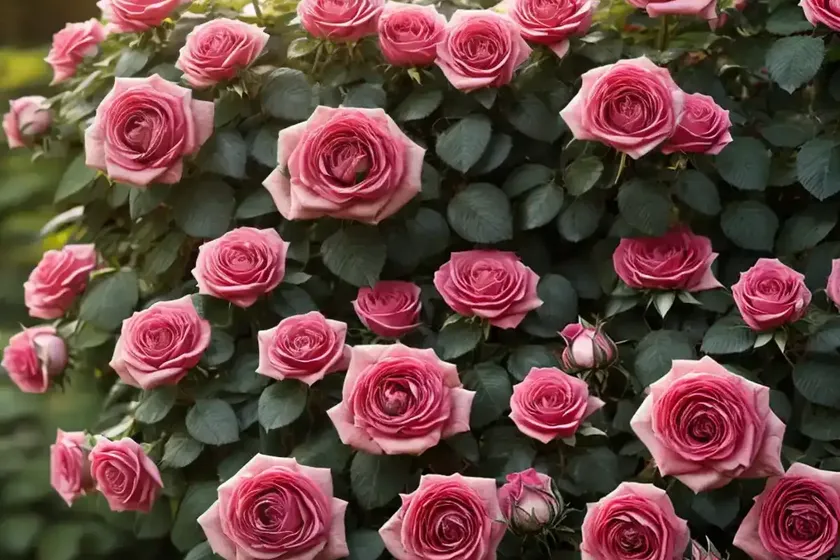
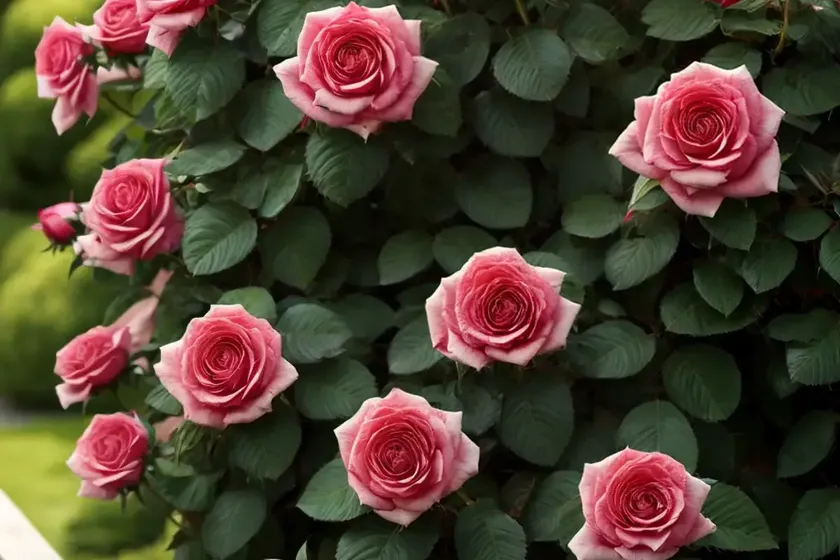
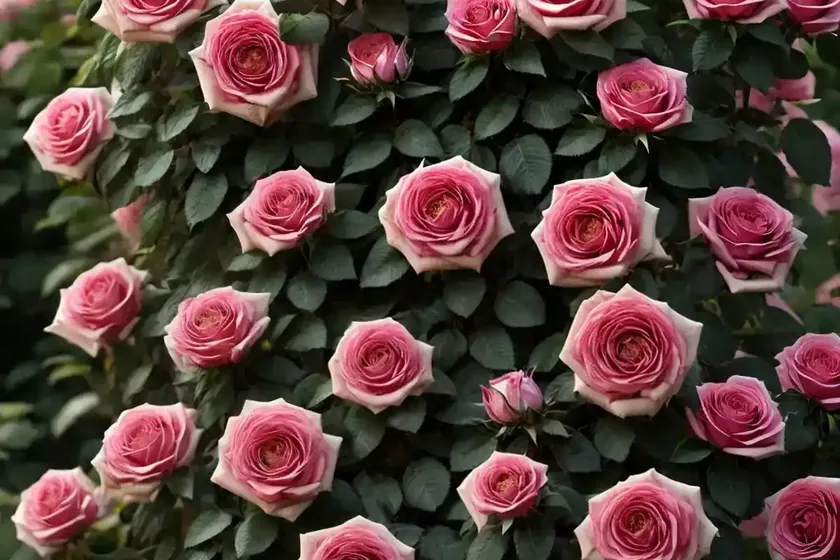
Rosa Sempervirens, commonly known as Evergreen Rose, is a delightful and versatile plant that adds beauty and fragrance to any garden. This perennial flowering plant is cherished for its ornamental and fragrant climbing vines that bloom consistently throughout the year. In this comprehensive guide, we will explore the various aspects related to the cultivation, care, and maintenance of Rosa Sempervirens, commonly known as the Evergreen Rose.
What is Rosa Sempervirens?
Rosa Sempervirens is a species of rose that is native to various regions in Europe and Asia Minor. It is renowned for its evergreen nature, which means it retains its leaves throughout the year. This makes it an excellent choice for adding greenery to the garden, even in the harshest of winters.
The plant belongs to the family Rosaceae and is known for its climbing habit, producing long canes that can be trained to grow on various support structures such as trellises, arbors, and fences. Rosa Sempervirens is an excellent choice for gardeners looking to add vertical interest and visual appeal to their outdoor spaces.
Key Takeaways – Rosa Sempervirens (Evergreen Rose)
The Rosa Sempervirens, or Evergreen Rose, offers a myriad of benefits and characteristics that make it a desirable addition to gardens. Here are the key takeaways:
- Evergreen Flowers: As the name suggests, Rosa Sempervirens exhibits evergreen foliage, adding year-round beauty to the landscape.
- Perennial Climbing Roses: This plant is a perennial, ensuring that it continues to bloom and thrive year after year.
- Native Climbing Plants: Originating from Europe and Asia Minor, Rosa Sempervirens is well-adapted to various climates and environments.
- Non-stop Blooming Roses: It is prized for its consistent and non-stop blooming, providing a continuous display of delicate, fragrant flowers.
- Hardy Climbing Roses: These roses are known for their durability and ability to withstand various environmental conditions.
With these key takeaways in mind, let’s delve deeper into the various aspects of cultivating and caring for the Rosa Sempervirens.
Culture
Understanding the cultural requirements of Rosa Sempervirens is essential for successfully growing and maintaining this beautiful plant. This includes factors such as water, sunlight, fertilizer, soil, pruning, propagation, and container cultivation.
Water
Rosa Sempervirens thrives in well-drained soil and requires regular watering, especially during the growing season. It is important to keep the soil consistently moist but not waterlogged. A layer of organic mulch around the base of the plant can help retain soil moisture and suppress weed growth.
Sunlight
This evergreen rose variety prefers full sun to partial shade. Adequate sunlight is crucial for promoting healthy growth and prolific flowering. When selecting a location for planting, ensure that it receives at least 6-8 hours of sunlight daily.
Fertilizer
Regular feeding with a balanced, slow-release fertilizer can enhance the growth and blooming of Rosa Sempervirens. Opt for a fertilizer formulated specifically for roses or flowering plants. Apply the fertilizer in early spring as new growth emerges, and then again in mid-summer to support continuous blooming.
Soil
Well-draining, fertile soil is ideal for Rosa Sempervirens. Amend the soil with organic matter such as compost or well-rotted manure to improve its structure and fertility. A slightly acidic to neutral soil pH (6.0-7.0) is generally suitable for this plant.
Pruning
Pruning is essential for maintaining the shape and vigor of evergreen roses. Regular pruning helps remove dead or diseased wood, encourages new growth, and enhances flowering. Prune Rosa Sempervirens in late winter or early spring before new growth emerges. Remove any crossing or inward-growing branches to promote good air circulation within the plant.
Propagation
Rosa Sempervirens can be propagated through various methods such as stem cuttings, layering, and seed propagation. Stem cuttings, taken from healthy, non-flowering shoots, can be rooted in a well-draining growing medium to produce new plants. Layering, which involves encouraging a stem to produce roots while still attached to the parent plant, is another effective propagation method.
Container Cultivation
For gardeners with limited space, Rosa Sempervirens can be cultivated in containers. Choose a large, sturdy container that provides ample room for the plant’s roots to grow. Ensure that the container has drainage holes to prevent waterlogging. Regular watering and feeding are crucial for container-grown roses, as the limited soil volume may lead to faster drying out and nutrient depletion.
Uses
The versatility of Rosa Sempervirens makes it suitable for a range of uses in the garden and landscape. Here are some common uses of this beautiful evergreen rose:
- Arbors and Trellises: The climbing nature of Rosa Sempervirens makes it an ideal choice for covering arbors, trellises, and pergolas, adding vertical interest and creating beautiful floral displays.
- Fences and Walls: When trained to grow against fences or walls, Rosa Sempervirens can soften hardscapes and create a charming, natural backdrop.
- Containers and Planters: Container-grown Evergreen Roses are perfect for adding beauty to patios, balconies, and small outdoor spaces.
- Cottage Gardens: With its old-fashioned charm and continuous blooming, Rosa Sempervirens is a delightful addition to cottage-style gardens.
- Cut Flowers: The fragrant flowers of Rosa Sempervirens make charming cut flowers, adding beauty and fragrance to indoor arrangements.
Popularity
Rosa Sempervirens has gained popularity among gardeners and landscapers due to its evergreen nature, continuous blooming, and versatility in various garden settings. The plant’s ability to thrive in different climates and its low maintenance requirements contribute to its widespread appeal. Whether it’s adorning trellises in traditional gardens or adding vertical interest to modern landscapes, the Evergreen Rose has secured its place as a beloved ornamental plant.
Common Diseases
While Rosa Sempervirens is generally resilient, it is susceptible to certain diseases that can impact its health and vigor. Common diseases that may affect this plant include:
- Powdery Mildew: A fungal disease characterized by a powdery white coating on the leaves, stems, and buds.
- Black Spot: This fungal disease causes dark, circular spots to develop on the leaves, potentially leading to defoliation and reduced plant vigor.
- Rust: Rust appears as orange, powdery pustules on the undersides of leaves, leading to yellowing and premature shedding of foliage.
Diagnosing and addressing these diseases promptly is essential to prevent their spread and minimize their impact on the plant’s health.
Disease Diagnosis
When identifying and diagnosing diseases in Rosa Sempervirens, it is important to observe the plant carefully and look for the following signs and symptoms:
- Leaf Spots: Dark or discolored spots on the leaves.
- Powdery Residue: Powdery white or orange residue on the leaves or stems.
- Yellowing and Wilting: Yellowing or wilting of the foliage, often accompanied by premature leaf drop.
- Stunted Growth: Reduced growth and vigor compared to healthy plants.
Once the symptoms are identified, appropriate measures can be taken to manage and control the disease.
Common Pests
In addition to diseases, Rosa Sempervirens may also be susceptible to attack by various pests that can affect its overall health and blooming. Common pests that may pose a threat to this plant include:
- Aphids: Small, soft-bodied insects that can cluster on the undersides of leaves and excrete honeydew, leading to sooty mold growth.
- Spider Mites: These tiny arachnids can cause stippling and discoloration on the leaves, impacting the plant’s overall appearance.
- Thrips: Thrips are slender insects that can cause silvering or discoloration of the foliage, affecting the plant’s aesthetic appeal.
Regular monitoring and early intervention can help manage pest infestations and mitigate their impact on the health of Rosa Sempervirens.
Botanist’s Tips
As a plant scientist with a passion for roses and ornamental plants, I have gathered a few essential tips for cultivating and caring for Rosa Sempervirens. These tips are designed to help gardeners maximize the beauty and vigor of this delightful evergreen rose:
- Regular Pruning: Maintain Rosa Sempervirens’ shape and health through regular pruning, removing dead or diseased wood, and encouraging new growth.
- Adequate Support: Provide sturdy support structures for the climbing canes of the plant, ensuring they have the stability they need to grow and bloom abundantly.
- Monitory and Maintenance: Regularly monitor the plant for signs of pests and diseases, taking prompt action to prevent their spread and impact.
- Consistent Watering: Ensure that the plant receives adequate water, especially during the growing season, to support healthy growth and blooming.
- Fertilization: Use a balanced, slow-release fertilizer formulated for flowering plants to nourish Rosa Sempervirens and promote continuous blooming.
Following these tips can help gardeners achieve success in cultivating and enjoying the beauty of Rosa Sempervirens.
Fun Facts
Here are some intriguing and delightful facts about Rosa Sempervirens that showcase its unique characteristics and appeal:
- Fragrant Blooms: The flowers of Rosa Sempervirens are renowned for their delightful fragrance, filling the air with a sweet and captivating scent.
- Hardiness: This plant exhibits impressive hardiness, reliably withstanding various environmental conditions and thriving in diverse climates.
- Adaptability: With its climbing habit and versatility, Rosa Sempervirens can adapt to a wide range of garden settings, from traditional to contemporary.
- Wildlife Attraction: The flowers of Rosa Sempervirens can attract pollinators such as bees and butterflies, contributing to the biodiversity of the garden.
These fun facts add an extra layer of charm and fascination to the cultivation and enjoyment of Evergreen Roses.
Links to External Resources
To further expand your knowledge and understanding of Rosa Sempervirens and its cultivation, the following links to external resources offer valuable information and insights:
- American Rose Society
- Royal Horticultural Society – Growing Roses
- University of California Integrated Pest Management – Roses
- Missouri Botanical Garden – Growing Roses
These resources offer a wealth of information on rose cultivation, care, maintenance, and disease management, providing valuable guidance for gardeners and enthusiasts.
In conclusion, Rosa Sempervirens, or Evergreen Rose, embodies timeless beauty, versatility, and charm, making it a cherished addition to gardens and landscapes around the world. By understanding its cultural requirements, uses, and potential challenges, gardeners can cultivate and enjoy the splendor of this remarkable perennial flowering plant. Whether adorning arbors with its fragrant blooms, climbing fences with its lush vines, or gracing containers with its evergreen foliage, Rosa Sempervirens continues to captivate and enchant all who encounter its enduring allure.


