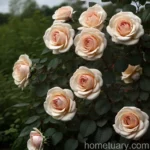
Rosa ‘Pink Perpetue’ (Climbing Rose): A Complete Guide
Roses have long been cherished for their beauty, fragrance, and variety. Among the vast selection of rose cultivars, the climbing rose ‘Rosa Pink Perpetue’ stands out with its stunning pink flowers and graceful climbing habit. In this comprehensive guide, we will explore the key characteristics, cultivation requirements, and various uses of the Rosa ‘Pink Perpetue’ (Climbing Rose) while providing insights from a plant scientist’s perspective.
What is Rosa ‘Pink Perpetue’ (Climbing Rose)?
Climbing roses are a distinct group of rose cultivars known for their sprawling, vining growth habit. The ‘Rosa Pink Perpetue’ is a captivating variety within this category, cherished for its vibrant pink blooms and perpetual flowering. With its vigorous climbing nature, it can elegantly adorn trellises, fences, and various garden structures, adding a touch of romance and charm to any landscape.
Key Takeaways – Rosa ‘Pink Perpetue’ (Climbing Rose)
Before delving into the specific aspects of cultivating and caring for ‘Rosa Pink Perpetue,’ let’s highlight the key takeaways that will guide our exploration:
- Climbing Roses: ‘Rosa Pink Perpetue’ exemplifies the beauty and versatility of climbing roses, making it a desirable addition to gardens and landscapes.
- Perpetual Blooming: As suggested by its name, ‘Pink Perpetue’ is renowned for its continuous and abundant bloom cycles, offering a profusion of delightful pink flowers.
- Vibrant Pink Blooms: The captivating pink flowers of ‘Rosa Pink Perpetue’ make it an attractive and eye-catching feature in any outdoor setting.
- Vigorous Growth: With its climbing habit, this rose variety showcases vigorous growth and a sprawling nature, making it ideal for vertical spaces or as a cascading plant.
- Versatile Uses: From trellises and fences to containers and garden structures, ‘Rosa Pink Perpetue’ offers a range of uses, allowing for creative and diverse landscape designs.
Now, let’s delve into the various aspects of cultivating and caring for the ‘Rosa Pink Perpetue’ climbing rose.
Culture
Cultivating ‘Rosa Pink Perpetue’ requires an understanding of its specific cultural needs, including factors such as water, sunlight, fertilizer, soil, and pruning. By addressing these elements, gardeners can ensure optimal growth and abundant flowering for this captivating climbing rose.
Water
Proper watering is essential for the health and vitality of ‘Rosa Pink Perpetue.’ While this rose variety is known for its resilience, it thrives with consistent moisture, especially during its active growing season. Adequate watering helps promote robust growth and prolific flowering, contributing to the overall beauty of the plant.
- Watering Guidelines:
- Frequency: Provide regular, deep watering, ensuring that the soil remains consistently moist but not waterlogged.
- Seasonal Considerations: In hot and dry climates, increase watering frequency to support the rose’s hydration needs. During cooler periods, adjust watering to prevent waterlogged conditions.
- Avoid Overhead Watering: Minimize overhead watering to prevent water accumulation on the leaves, which can contribute to fungal issues.
Sunlight
‘Pink Perpetue’ climbing roses thrive in bright, direct sunlight, requiring optimal sun exposure to support their vigorous growth and prolific blooming. Adequate sunlight not only contributes to the rose’s overall health but also enhances the vibrancy and longevity of its captivating pink flowers.
- Sunlight Requirements:
- Optimal Duration: Aim for at least 6–8 hours of direct sunlight per day to promote robust growth and abundant flowering.
- Morning Sun: Favor locations with morning sunlight, as it helps dry the foliage, reducing the risk of diseases such as powdery mildew.
- Partial Shade Considerations: While ‘Rosa Pink Perpetue’ prefers full sun, it can tolerate partial shade, especially in regions with intense afternoon sun or during heatwaves.
Fertilizer
Providing appropriate nutrients through fertilization is vital for supporting the vigorous growth and abundant flowering of ‘Rosa Pink Perpetue’ climbing roses. Selecting the right fertilizer and adhering to a regular feeding schedule can contribute to the plant’s overall health and floral display.
- Fertilization Guidelines:
- Balanced Fertilizer: Use a balanced, slow-release fertilizer formulated specifically for roses or flowering plants. Apply according to the manufacturer’s instructions, typically in early spring and again in midsummer.
- Organic Amendments: Incorporate organic matter, such as well-rotted manure or compost, into the soil to enrich the growing environment and bolster the rose’s nutrient uptake.
- Avoid Excess Nitrogen: While nitrogen is essential for growth, excessive nitrogen can lead to lush foliage at the expense of flower production. Use fertilizers with balanced N-P-K (nitrogen, phosphorus, potassium) ratios to support overall plant health.
Soil
The growing medium plays a crucial role in the development and sustenance of ‘Rosa Pink Perpetue,’ influencing factors such as moisture retention, nutrient availability, and root health. By selecting and preparing the right soil, gardeners can create an optimal environment for the climbing rose to flourish.
- Soil Considerations:
- Well-Draining Soil: Ensure that the soil is well-draining to prevent waterlogging, as excessive moisture can lead to root rot and other detrimental conditions.
- Rich and Loamy: Select a fertile, loamy soil with good organic content to provide essential nutrients and support healthy root development.
- Soil pH: Aim for a slightly acidic to neutral soil pH range (pH 6.0–7.0) to facilitate efficient nutrient uptake and overall plant vitality.
Pruning
Pruning is a fundamental aspect of ‘Rosa Pink Perpetue’ care, contributing to the plant’s structure, flowering potential, and overall health. By adopting proper pruning practices, gardeners can shape and rejuvenate the climbing rose while promoting a prolific and aesthetically pleasing floral display.
- Pruning Guidelines:
- Timing: Conduct major pruning in late winter or early spring, before new growth emerges. This allows for the removal of dead, diseased, or overcrowded wood while stimulating fresh growth.
- Deadheading: Regularly remove spent blooms to encourage continuous flowering and prevent the formation of hips, redirecting the rose’s energy into producing new blossoms.
- Training and Support: Train the climbing canes along trellises or supports, guiding their growth and promoting an orderly and visually appealing form.
Propagation
The propagation of ‘Rosa Pink Perpetue’ offers an opportunity to expand one’s collection of these captivating climbing roses or share their beauty with fellow gardening enthusiasts. By exploring the methods of propagation, including techniques such as cuttings and layering, gardeners can successfully propagate ‘Rosa Pink Perpetue’ to create new plants.
Propagation Techniques
-
Softwood Cuttings: In late spring or early summer, take softwood cuttings from the current season’s growth, selecting healthy, non-flowering shoots for propagation. Dip the cut ends in a rooting hormone and plant them in a well-draining rooting medium, providing the necessary warmth and humidity for root development.
-
Layering: Encourage natural layering by gently bending a low-growing, flexible cane to the ground and securing it in place. Create a small wound on the underside of the bent stem, apply rooting hormone if desired, and cover the wounded area with soil. After rooting occurs, the new plant can be separated from the parent.
By employing these propagation techniques, enthusiasts can expand their collection of ‘Rosa Pink Perpetue’ climbing roses and share the beauty of this captivating variety with others.
Container Popularity
While ‘Rosa Pink Perpetue’ is renowned for its climbing prowess and ability to grace garden structures, it also displays remarkable versatility in container cultivation. The popularity of growing climbing roses in containers has expanded, as it allows individuals with limited space or different aesthetic preferences to enjoy the beauty and charm of these captivating roses.
Container Considerations
-
Selection of Container: Choose a spacious and sturdy container with adequate drainage holes, ensuring proper root aeration and moisture management.
-
Growing Medium: Use a well-draining potting mix enriched with organic matter to support healthy root growth and overall plant vigor.
-
Support and Training: Provide a trellis or support system within the container to guide the climbing canes, allowing them to ascend and produce a picturesque display of pink blooms.
By embracing container cultivation, ‘Rosa Pink Perpetue’ enthusiasts can bring the allure of climbing roses to various outdoor spaces, including patios, balconies, and terraces.
Common Diseases
While ‘Rosa Pink Perpetue’ is renowned for its resilience, it is susceptible to certain diseases that can impact its growth and overall vitality. Recognizing and addressing common diseases is essential for preserving the health and beauty of this captivating climbing rose.
Disease Diagnosis
-
Powdery Mildew: Identified by the presence of a powdery, white fungal growth on the leaves and young shoots, powdery mildew can impact the plant’s overall vigor and aesthetic appeal. It thrives in conditions of high humidity and limited air circulation.
-
Black Spot: Characterized by the development of circular, dark spots on the foliage, black spot can lead to premature leaf drop and diminished flowering. This fungal disease often thrives in warm, humid environments.
-
Botrytis Blight: This gray mold disease can affect ‘Rosa Pink Perpetue,’ particularly during periods of prolonged wetness. It manifests as a fuzzy gray mold on the flowers, accompanied by wilting and decay.
By promptly identifying and addressing these common diseases, gardeners can implement appropriate measures to mitigate their impact and support the rose’s overall health.
Common Pests
In addition to diseases, ‘Rosa Pink Perpetue’ may encounter certain pests that can affect its growth and appearance. Understanding the pests and their potential impact allows gardeners to take proactive measures to protect the climbing rose from infestations.
Pest Control
-
Aphids: These small, sap-sucking insects can cluster on the new growth and undersides of leaves, leading to distorted foliage and reduced plant vigor. Regular monitoring and the application of insecticidal soap can help manage aphid populations.
-
Spider Mites: As common pests of roses, spider mites can cause stippling on the foliage, leading to a weakened appearance and diminished plant health. Mitigate infestations by enhancing humidity and employing natural predators, such as ladybugs, to control spider mite populations.
-
Japanese Beetles: These invasive pests can cause significant damage to rose foliage and blooms, feeding on the plant’s tissues and leading to unsightly damage. Manual removal and neem oil applications can help manage Japanese beetle infestations.
By implementing integrated pest management strategies and promoting a healthy growing environment, gardeners can safeguard ‘Rosa Pink Perpetue’ from common pest pressures.
Botanist’s Tips
As a plant scientist, I emphasize the following tips to help enthusiasts cultivate and care for ‘Rosa Pink Perpetue’ climbing roses effectively:
-
Promote Air Circulation: To mitigate the risk of fungal diseases such as powdery mildew, ensure proper air circulation around the plant by avoiding overcrowding and providing adequate spacing between roses and other plants.
-
Mulch Application: Apply a layer of organic mulch around the base of ‘Rosa Pink Perpetue’ to retain moisture, suppress weed growth, and insulate the soil. Mulch also contributes to soil health as it decomposes, providing essential nutrients to the roses.
-
Regular Monitoring: Conduct routine inspections of the climbing rose for signs of pests, diseases, or nutrient deficiencies, intervening promptly to address any issues and maintain the plant’s overall vitality.
By incorporating these insights into their rose care practices, enthusiasts can enhance the health and beauty of ‘Rosa Pink Perpetue’ in their garden or landscape.
Fun Facts
To enrich our understanding and appreciation of ‘Rosa Pink Perpetue’ climbing roses, let’s explore some fascinating and delightful fun facts about this captivating variety:
-
History of Pink Perpetue: The ‘Pink Perpetue’ climbing rose was introduced by the renowned French nursery Meilland in the late 1970s, captivating gardeners with its perpetual blooming and enchanting pink flowers.
-
Aromatic Elegance: In addition to its captivating appearance, ‘Rosa Pink Perpetue’ emits a delightful fragrance, enhancing the sensory experience of any garden or outdoor space it graces.
-
Artistic Inspiration: Over the years, ‘Rosa Pink Perpetue’ has served as a muse for poets, artists, and rose enthusiasts, inspiring creative works and evoking a sense of timeless romance and beauty.
Links to External Resources
For additional information and insights into the cultivation, care, and appreciation of ‘Rosa Pink Perpetue’ climbing roses, explore the following external resources:
-
American Rose Society: The American Rose Society offers a wealth of resources, articles, and expertise on rose cultivation, including climbing roses such as ‘Rosa Pink Perpetue.’
-
Royal Horticultural Society: Delve into the comprehensive guidance provided by the Royal Horticultural Society, offering valuable insights on rose care, propagation, and disease management.
-
University Extension Services: Extension services from state universities often offer detailed guides on pest management and disease diagnosis, providing essential support for maintaining the health of climbing roses.
Conclusion
‘Rosa Pink Perpetue’ (Climbing Rose) stands as an enchanting representation of the beauty, grace, and resilience of climbing roses. From its perpetual blooming and vibrant pink flowers to its versatile uses in gardens and landscapes, this captivating variety continues to captivate and inspire enthusiasts and gardeners worldwide.
By embracing the insights and guidance shared in this comprehensive guide, enthusiasts can cultivate and care for ‘Rosa Pink Perpetue’ with confidence, fostering its health, beauty, and enduring charm in their outdoor spaces. As a plant scientist, I encourage fellow rose enthusiasts to celebrate the timeless allure of ‘Rosa Pink Perpetue’ and enrich their appreciation of these captivating climbing roses.