Narcissus ‘Fortissimo’ (Large-Cupped Daffodil)
Narcissus ‘Fortissimo’, also known as Large-Cupped Daffodil ‘Fortissimo’, is a stunning variety of daffodil that is cherished for its vibrant blooms and.
Narcissus ‘Fortissimo’, also known as Large-Cupped Daffodil ‘Fortissimo’, is a stunning variety of daffodil that is cherished for its vibrant blooms and ease of care. As a plant scientist with a passion for ornamental plants, I am excited to delve into the intricacies of this beautiful flower. In this in-depth guide, I will explore the culture, uses, care requirements, common diseases, and pest management techniques for Narcissus ‘Fortissimo’. Additionally, I will provide valuable insights into propagation, container gardening, and essential tips from a botanist’s perspective.
Key Takeaways – Narcissus ‘Fortissimo’ (Large-Cupped Daffodil)
Here are the key takeaways that will be covered in detail throughout this article:
- Plant Name: Narcissus ‘Fortissimo’ (Large-Cupped Daffodil)
- Culture: Understanding the optimal conditions for cultivating Narcissus ‘Fortissimo’
- Uses: Exploring the versatile uses of this daffodil in gardens and landscapes
- Water: Guidelines for providing the appropriate amount of water to promote healthy growth
- Sunlight: Determining the ideal sunlight conditions for optimal bloom production
- Fertilizer: Insight into the fertilization needs of Narcissus ‘Fortissimo’
- Soil: Understanding the soil requirements essential for robust growth
- Pruning: Techniques for proper pruning to maintain plant health and aesthetics
- Propagation: Methods for propagating Narcissus ‘Fortissimo’
- Container Popularity: Exploring the popularity of growing this daffodil in containers
- Common Diseases: Identification and management of prevalent diseases affecting Narcissus ‘Fortissimo’
- Common Pests: Effective strategies for controlling common pests that may infest the plant
- Botanist’s Tips: Valuable insights and recommendations from a botanist’s perspective
- Fun Facts: Intriguing and lesser-known facts about Narcissus ‘Fortissimo’
- Links to External Resources: Providing additional resources for further exploration of this daffodil variety
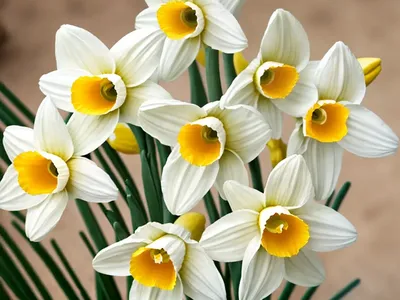
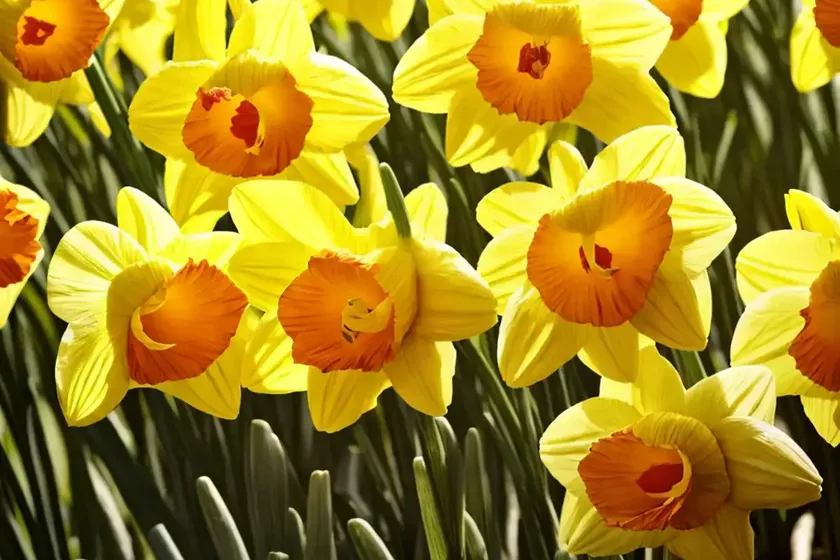
Narcissus ‘Fortissimo’ is a captivating variety of daffodil that belongs to the Amaryllidaceae family. Renowned for its large, showy flowers and delightful fragrance, this cultivar is a popular choice for spring gardens and landscapes. The Large-Cupped Daffodil group to which ‘Fortissimo’ belongs is characterized by its single, bowl-shaped central corona that is larger than its surrounding floral petals.
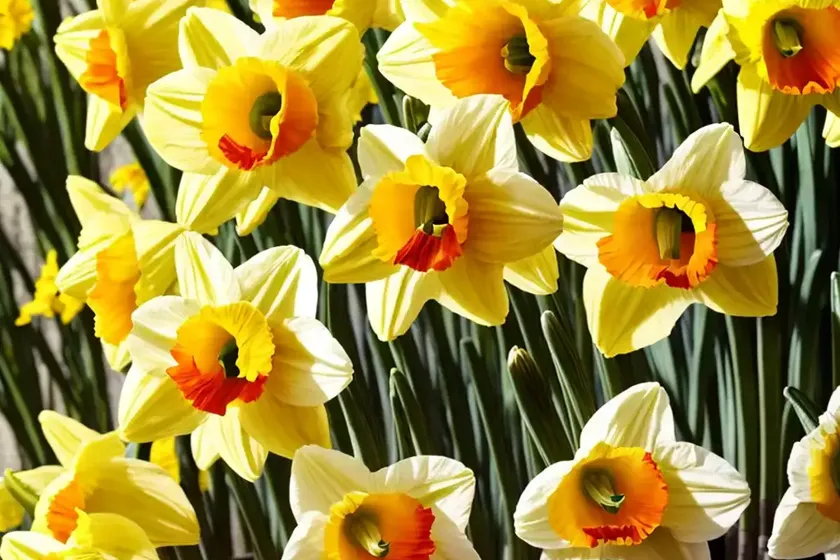
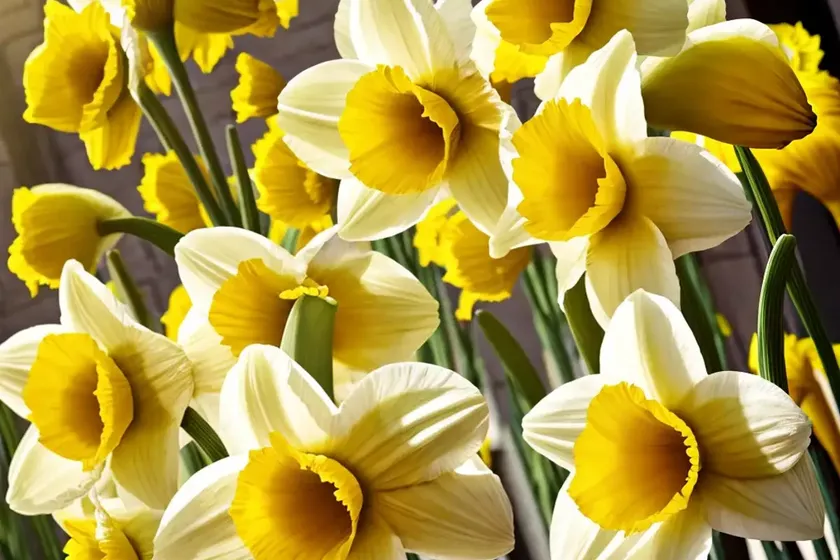
This daffodil variety typically blooms in mid to late spring, adding a burst of color and charm to outdoor spaces. The trumpet-shaped central corona, which exhibits various shades of vibrant yellow and orange, is complemented by the pale to medium yellow petals, creating a visually striking display.
With its striking appearance and relative ease of cultivation, Narcissus ‘Fortissimo’ holds a special place in the hearts of gardeners and flower enthusiasts, contributing to the joyous ambiance of the spring season.
Understanding the cultural requirements of Narcissus ‘Fortissimo’ is crucial for promoting optimal growth and vibrant blooming. Let’s delve into the essential cultural considerations for cultivating this exquisite daffodil variety.
Water
- Optimal Watering: Narcissus ‘Fortissimo’ thrives in well-drained soil and prefers consistent moisture during its active growth period. Adequate watering is essential to support the development of healthy foliage and robust flower formation.
- Avoid Waterlogged Soil: It is important to prevent waterlogging, as excessive moisture around the bulbs can lead to rot and other detrimental issues. Proper drainage is critical to prevent water accumulation and maintain the overall health of the plant.
Sunlight
- Sun Exposure: Narcissus ‘Fortissimo’ flourishes in bright, indirect sunlight and partially shaded conditions. An optimal balance of sunlight exposure contributes to vigorous growth and promotes prolific blooming.
Fertilizer
- Balanced Fertilization: Providing a balanced fertilizer, specifically formulated for flowering bulbs, can bolster the growth and blooming potential of Narcissus ‘Fortissimo’. A phosphorus-rich fertilizer is particularly beneficial for promoting robust flower development.
Soil
- Well-Draining Soil: The ideal soil for Narcissus ‘Fortissimo’ is well-draining and rich in organic matter. A slightly acidic to neutral pH level is conducive to healthy growth, ensuring that the plant can access essential nutrients for its development.
The versatile uses of Narcissus ‘Fortissimo’ extend beyond its aesthetic appeal, making it a valuable addition to gardens and landscapes. Let’s explore the various applications of this enchanting daffodil variety.
-
Garden Borders: The vibrant blooms of Narcissus ‘Fortissimo’ make it a favored choice for creating captivating borders and edging in garden beds. When planted in clusters, the bright colors of the flowers can impart a lively and inviting ambiance to outdoor spaces.
-
Container Gardening: Narcissus ‘Fortissimo’ is well-suited for container gardening, allowing individuals with limited outdoor space to enjoy the beauty of this daffodil variety. The striking appearance of the blooms lends a cheerful touch to patios, balconies, and other confined settings.
-
Naturalized Landscapes: This daffodil variety can be naturalized in woodland settings, meadows, and other naturalized landscapes, where it can proliferate and create captivating swaths of color amidst the surrounding foliage.
-
Cut Flower Arrangements: The long-lasting blooms of Narcissus ‘Fortissimo’ are ideal for adorning indoor spaces in the form of captivating cut flower arrangements. The delightful fragrance of the flowers enhances the ambiance of interior settings, infusing them with the essence of spring.
The diverse uses of Narcissus ‘Fortissimo’ underscore its significance as a versatile and impactful ornamental plant, offering an array of aesthetic, functional, and sensory benefits.
Effective pruning and maintenance practices are integral to ensuring the continued health and vigor of Narcissus ‘Fortissimo’. Proper care and attention contribute to long-term vitality and the sustained beauty of this captivating daffodil variety.
-
Pruning Sspent Blooms: Upon the conclusion of the blooming period, spent blooms should be promptly removed to encourage the conservation of the plant’s energy and resources. Removing faded flowers also contributes to a tidy and well-groomed appearance.
-
Foliage Management: The foliage of Narcissus ‘Fortissimo’ should be allowed to remain intact until it turns yellow and wilts. This period allows the foliage to photosynthesize and replenish the bulb, supporting the subsequent year’s blooming cycle. It is crucial to refrain from prematurely removing the foliage, as this can compromise the plant’s ability to store vital nutrients.
-
Soil Enrichment: After the flowering and foliage senescence phase, it is beneficial to enrich the soil with a layer of organic mulch. This practice aids in conserving soil moisture, regulating temperature, and enhancing the overall fertility of the growing medium.
Adhering to these pruning and maintenance guidelines empowers gardeners to sustain the health and vitality of Narcissus ‘Fortissimo’, ensuring its continued beauty and floriferous display in subsequent growing seasons.
Narcissus ‘Fortissimo’ can be propagated through several methods, allowing for the expansion of its presence in gardens and landscapes. Understanding the propagation techniques pertinent to this daffodil variety is essential for perpetuating its beauty and charm.
Division
- Bulb Division: Dividing established clumps of Narcissus ‘Fortissimo’ bulbs can be an effective means of propagation. This process is typically carried out after the plant has completed its blooming and foliage cycle. The divided bulbs can be replanted in suitable locations to foster new growth and the proliferation of this captivating daffodil variety.
Offsets
-
Harvesting Offsets: Offsets, also known as bulbils, are miniature bulbs that develop alongside the parent bulb. These offsets can be carefully separated from the parent bulb and transplanted into prepared planting areas. Offsets represent a natural means of propagation and can accelerate the spread of Narcissus ‘Fortissimo’ in garden settings.
-
Sustainable Expansion: By diligently harvesting and replanting the offsets produced by Narcissus ‘Fortissimo’, gardeners can contribute to the sustainable expansion and perpetuation of this beloved daffodil variety.
Empowering gardeners with the knowledge of propagation techniques enables the continued cultivation and widespread presence of Narcissus ‘Fortissimo’ in diverse horticultural settings.
The popularity of cultivating Narcissus ‘Fortissimo’ in containers stems from its captivating blooms, ease of care, and adaptability to confined spaces. Container gardening offers individuals the opportunity to enjoy the beauty of this daffodil variety in various settings, including patios, balconies, and paved outdoor areas.
Suitable Containers
-
Drainage Considerations: When selecting containers for growing Narcissus ‘Fortissimo’, it is essential to prioritize options with adequate drainage to prevent water accumulation and subsequent issues such as root rot.
-
Aesthetic Appeal: Containers come in a myriad of shapes, sizes, and materials, offering opportunities for personalization and aesthetic enhancement. Selecting containers that complement the vibrant blooms of Narcissus ‘Fortissimo’ can contribute to visually captivating displays.
-
Practicality: Lightweight and maneuverable containers provide practical benefits, facilitating repositioning and relocation as dictated by seasonal considerations and outdoor dynamics.
Cultivation Tips
-
Planting Depth: When planting Narcissus ‘Fortissimo’ bulbs in containers, it is advisable to adhere to the recommended planting depth guidelines, ensuring that the bulbs are positioned at an optimal depth for robust growth and blooming.
-
Maintenance Practices: Consistent watering, regular monitoring for pest and disease issues, and appropriate fertilization constitute essential maintenance practices crucial for container-grown Narcissus ‘Fortissimo’.
-
Seasonal Care: Container-grown daffodils may require additional protection from extreme temperatures and weather fluctuations. Implementing protective measures during adverse conditions can safeguard the well-being of Narcissus ‘Fortissimo’ cultivated in containers.
The allure of container gardening lies in its ability to bring the beauty of Narcissus ‘Fortissimo’ to a diverse array of settings, enhancing outdoor spaces with the delightful presence of this captivating daffodil variety.
Narcissus ‘Fortissimo’ may be susceptible to certain diseases that can compromise its health and vitality. Recognizing the symptoms of prevalent diseases and implementing appropriate management strategies are essential for safeguarding the well-being of this cherished daffodil variety.
Fusarium Bulb Rot
-
Symptoms: Fusarium bulb rot manifests as a soft, watery decay of the bulbs, often accompanied by the development of dark, sunken lesions. Foul odors emanating from the infected bulbs may also be indicative of this detrimental condition.
-
Management: Implementing proper sanitation practices, such as the timely removal and disposal of infected bulbs, is crucial for preventing the spread of Fusarium bulb rot. Additionally, optimizing soil drainage and minimizing excessive moisture can mitigate the risk of this disease.
Narcissus Yellow Stripe Virus (NYSV)
-
Symptoms: Narcissus Yellow Stripe Virus is characterized by the appearance of distinctive yellow stripes on the foliage and flower parts of affected plants. Stunted growth, reduced vigor, and diminished flowering can also be indicative of NYSV infection.
-
Management: As there is no cure for viral diseases such as NYSV, prevention and control strategies revolve around preventing the introduction of infected planting material and promptly removing and destroying affected plants to prevent the spread of the virus.
Botrytis Blight
-
Symptoms: Botrytis blight is characterized by the development of gray mold on flowers, foliage, and bulbs. The affected plant parts may exhibit a fuzzy gray growth, signaling the presence of this pervasive fungal disease.
-
Management: Staging interventions such as proper air circulation, pruning of affected plant parts, and vigilant monitoring for conducive environmental conditions can aid in preventing and managing Botrytis blight in Narcissus ‘Fortissimo’.
Addressing the challenges posed by common diseases empowers gardeners to uphold the health and vitality of Narcissus ‘Fortissimo’, ensuring that this captivating daffodil variety can flourish and bloom with vigor.
Narcissus ‘Fortissimo’ may be vulnerable to infestations by various pests that can compromise its aesthetic appeal and overall well-being. Identifying and managing common pests are crucial aspects of preserving the health and charm of this beloved daffodil variety.
Narcissus Bulb Fly
-
Symptoms: Narcissus bulb fly infestations may result in the wilting and discoloration of foliage, as well as the presence of larvae within the bulbs. The feeding activity of the larvae can lead to the deterioration of the bulb tissues, causing weakening and potential decline in plant health.
-
Management: Employing preventive measures such as laying physical barriers, implementing insecticidal treatments, and promoting beneficial organisms that predate on the pest can aid in managing Narcissus bulb fly infestations.
Slugs and Snails
-
Symptoms: Slugs and snails can inflict damage on Narcissus ‘Fortissimo’ by feeding on foliage and bulbs, leaving behind characteristic slime trails and irregular, ragged feeding marks.
-
Management: Incorporating physical barriers, such as copper tape and diatomaceous earth, can deter slugs and snails from accessing the daffodil plants. Additionally, targeted baiting and biological control measures can help mitigate slug and snail populations.
Aphids
-
Symptoms: Aphid infestations can result in distorted and discolored growth, as well as the presence of sticky honeydew on the affected plant parts. Aphids can proliferate rapidly, posing a threat to the overall health of Narcissus ‘Fortissimo’.
-
Management: Introducing natural predators of aphids, such as lady beetles and lacewings, can help in maintaining balanced populations. In cases of severe infestations, targeted insecticidal treatments can be considered as part of an integrated pest management approach.
Effective pest management practices are essential for preserving the aesthetic appeal and vitality of Narcissus ‘Fortissimo’, safeguarding this cherished daffodil variety from the detrimental impact of common pests.
As a plant scientist with a passion for ornamental plants, I am pleased to offer valuable insights and recommendations for cultivating Narcissus ‘Fortissimo’ based on my expertise and experience in horticulture.
Soil Considerations
- Optimal Drainage: Ensuring well-draining soil is paramount for preventing waterlogging and the associated issues that can compromise the health of Narcissus ‘Fortissimo’.
- Organic Enrichment: Incorporating organic matter into the soil contributes to improved fertility and overall soil structure, promoting healthy growth and blooming.
Adequate Sunlight
- Balanced Exposure: Striking a balance between ample sunlight and partial shade can optimize the blooming potential and overall vigor of Narcissus ‘Fortissimo’.
Prudent Watering Practices
- Consistent Moisture: Monitoring soil moisture and providing consistent, moderate watering supports the sustained growth and flowering of this daffodil variety.
Pest and Disease Vigilance
- Regular Monitoring: Vigilant observation for signs of pest infestations and disease onset is essential for early intervention and effective management.
- Integrated Approaches: Implementing integrated pest management (IPM) strategies and cultural practices to deter pests and mitigate disease incidence forms a proactive approach to maintaining plant health.
Sustainable Cultivation
- Propagation: Implementing sustainable propagation practices, such as bulb division and offset harvesting, contributes to the perpetuation of Narcissus ‘Fortissimo’ for future enjoyment and appreciation.
Seasonal Considerations
- Winter Protection: Providing adequate winter protection, particularly in regions with harsh winter conditions, is crucial for preserving the vitality of Narcissus ‘Fortissimo’.
Delving into the realm of fun and intriguing facts about Narcissus ‘Fortissimo’ illuminates the unique and captivating aspects that contribute to its charm and appeal:
- Deer Resistance: Narcissus ‘Fortissimo’ exhibits natural resistance to deer browsing, making it a suitable choice for gardens and landscapes frequented by these herbivorous animals.
- Vibrant Variability: The coloration and intensity of the blooms of Narcissus ‘Fortissimo’ may display variability, contributing to the allure of this daffodil variety.
- Fragrance: The flowers of Narcissus ‘Fortissimo’ emit a delightful fragrance that adds a sensory dimension to its ornamental presence, enhancing the ambiance of outdoor spaces.
These fun facts offer glimpses into the distinctive characteristics and attributes that render Narcissus ‘Fortissimo’ a beloved and cherished component of spring gardens and landscapes.
To further expand your knowledge and appreciation of Narcissus ‘Fortissimo’ (Large-Cupped Daffodil), I have curated a selection of reputable external resources that provide valuable insights into the cultivation, care, and utilization of this captivating daffodil variety:
- The American Daffodil Society: This esteemed organization offers comprehensive information on daffodils, including Narcissus ‘Fortissimo’, and provides valuable resources for enthusiasts and horticulturalists.
- Royal Horticultural Society (RHS) – Narcissus: The RHS provides detailed profiles and cultivation guidelines for Narcissus ‘Fortissimo’ and other daffodil varieties, enhancing your understanding of their cultural requirements.
- University Extension Services: Extension services affiliated with universities offer science-based guidance and resources on horticulture, including specific information on Narcissus ‘Fortissimo’ and its cultivation.
These reputable sources serve as valuable companions to this comprehensive guide, enriching your exploration of Narcissus ‘Fortissimo’ and empowering you with enhanced knowledge and proficiency in the cultivation and appreciation of this exquisite daffodil variety.
Narcissus ‘Fortissimo’ (Large-Cupped Daffodil) stands as a radiant testament to the splendor and vibrancy of the spring season, enrapturing gardeners and flower enthusiasts with its captivating blooms and delightful fragrance. Through a nuanced exploration of its culture, uses, propagation, and meaningful insights from a botanist’s perspective, we have unraveled the intricate tapestry of this beloved daffodil variety.
Armed with a comprehensive understanding of its care requirements, pest and disease management