Rosa ‘Phyllis Bide’ (Rambling Rose)
Plants hold an extraordinary fascination for humans. From a symbol of love and beauty to a source of food and medicine, the world of plants is diverse and.

Introduction
Plants hold an extraordinary fascination for humans. From a symbol of love and beauty to a source of food and medicine, the world of plants is diverse and abundant. As a plant scientist, I am constantly intrigued by the unique characteristics and cultivation needs of different plant species. In this blog post, I will delve into the captivating world of Rosa ‘Phyllis Bide’, a stunning rambling rose with a rich history and a plethora of uses in gardens and landscapes.
What is Rosa ‘Phyllis Bide’?
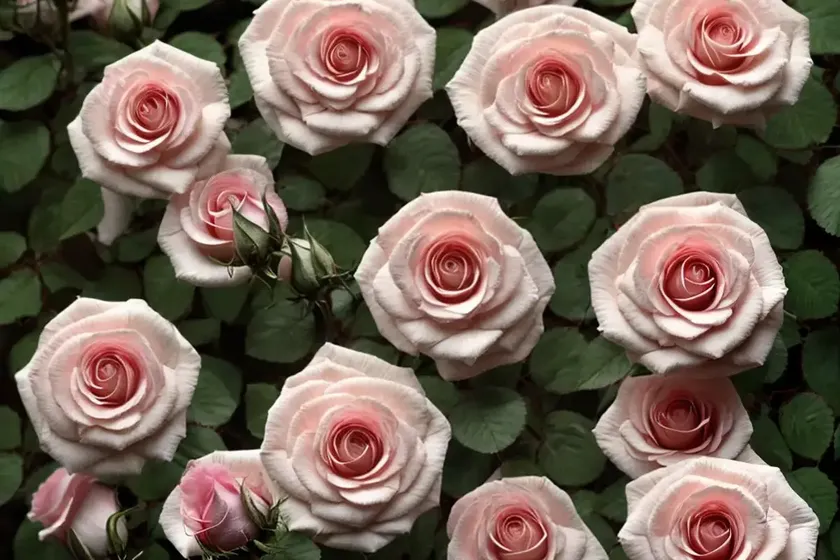
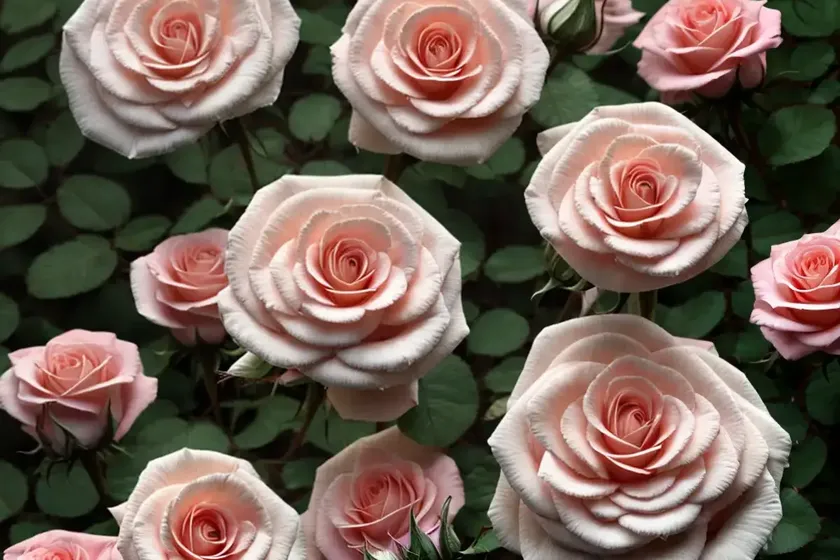
Rosa ‘Phyllis Bide’ is a captivating rambling rose that belongs to the Rosaceae family. This exquisite cultivar is renowned for its vigorous growth, abundant clusters of small, double flowers, and delightful fragrance. The plant’s trailing habit makes it an excellent choice for adorning fences, trellises, and pergolas, enhancing the aesthetics of any garden or landscape with its cascading blooms.
Rosa Phyllis Bide Characteristics
- Scientific Name: Rosa ‘Phyllis Bide’
- Common Name: Rambling Rose
- Family: Rosaceae
- Growth Habit: Trailing
- Flower Characteristics: Small, double flowers in abundant clusters
- Fragrance: Delightful, sweet aroma
- Foliage: Lush, green foliage
- Bloom Time: Repeats bloom throughout the growing season
Key Takeaways – Rosa ‘Phyllis Bide’ (Rambling Rose)
Before we dive deeper into the cultivation and care of Rosa ‘Phyllis Bide’, let’s explore the key takeaways associated with this captivating rambling rose.
Culture
- Hardy in USDA zones 5-9
- Trailing habit makes it ideal for training on structures
- Requires adequate support for optimal growth and bloom display
Uses
- Ornamental garden plant
- Suitable for training on fences, trellises, arches, and pergolas
- Adds charm and elegance to landscapes
Water
- Regular watering, particularly during the active growing season
- Soil moisture management is crucial for healthy growth
Sunlight
- Prefers full sun for optimal blooming
- Tolerant of partial shade, especially in warmer climates
Fertilizer
- Benefits from a balanced fertilizer application during the growing season
- Organic amendments can enhance soil fertility and plant vigor
Soil
- Well-draining, fertile soil is essential
- Soil pH preference: Neutral to slightly acidic
Pruning
- Prune after the flowering period to manage growth and maintain shape
- Regular removal of dead or damaged wood promotes plant health
Propagation
- Propagate through hardwood stem cuttings or layering
- Vigorous rootstock can be utilized for grafting
Container Popularity
- Well-suited for container gardening, particularly on patios and balconies
- Select large containers to accommodate the plant’s growth habit
Rosa ‘Phyllis Bide’ (Rambling Rose) in Detail
As we explore the detailed aspects of cultivating and caring for Rosa ‘Phyllis Bide’, we will address each key takeaway individually to provide comprehensive insights for plant enthusiasts and gardening aficionados.
Culture
Rosa ‘Phyllis Bide’ is exceptionally hardy, thriving in USDA zones 5-9. Its trailing habit and vigorous growth make it well-suited for training on various garden structures. Providing adequate support, such as trellises, arches, or fences, is crucial for promoting the plant’s growth and allowing it to display its charming cascades of blooms effectively.
Uses
The versatile nature of Rosa ‘Phyllis Bide’ makes it an exceptional ornamental plant for gardens and landscapes. Its beauty can be harnessed by training it on fences, trellises, arches, or pergolas, adding an alluring and romantic touch to outdoor spaces.
Water
Maintaining adequate soil moisture is paramount for the healthy growth and flourishing blooms of Rosa ‘Phyllis Bide’. Regular watering, particularly during the active growing season, ensures that the plant can fulfill its water requirements and thrive in the garden.
Sunlight
Rosa ‘Phyllis Bide’ flourishes in full sun, where it can unleash its full blooming potential. While it prefers ample sunlight, it also exhibits tolerance to partial shade, making it adaptable to a variety of garden conditions, especially in regions with intense sun exposure.
Fertilizer
Applying a balanced fertilizer during the growing season can bolster the growth and blooming performance of Rosa ‘Phyllis Bide’. Organic amendments, such as compost and well-rotted manure, can enrich the soil, providing essential nutrients and fostering the plant’s vigor.
Soil
The choice of soil is pivotal for the successful cultivation of Rosa ‘Phyllis Bide’. Well-draining, fertile soil with a neutral to slightly acidic pH is conducive to the plant’s health and vitality, ensuring that it can thrive and produce an abundance of captivating blooms.
Pruning
Pruning is an essential aspect of managing the growth and maintaining the aesthetic appeal of Rosa ‘Phyllis Bide’. After the flowering period, selective pruning can control the plant’s exuberant growth and shape its form, contributing to its overall health and visual allure.
Propagation
The propagation of Rosa ‘Phyllis Bide’ can be accomplished through various methods, including hardwood stem cuttings and layering. Additionally, the use of vigorous rootstock for grafting allows for the multiplication of desirable traits and the perpetuation of the plant’s unique characteristics.
Container Popularity
Rosa ‘Phyllis Bide’ is well-received in the realm of container gardening, offering an enchanting option for adorning patios and balconies with its cascading blooms. Selecting appropriately sized containers is crucial to accommodate the plant’s growth habit and ensure its well-being in a confined environment.
Rosa Phyllis Bide Care Tips
Rosa ‘Phyllis Bide’ enthralls gardeners with its captivating blooms and charming fragrance. To cultivate this exquisite rambling rose successfully and witness its ornate beauty in full bloom, it is essential to adhere to specific care tips tailored to its unique needs.
Rosa Phyllis Bide Care Tips
-
Supportive Structures: Provide trellises, fences, or pergolas for the plant to climb and trail effectively, enhancing its ornamental display.
-
Adequate Watering: Ensure regular watering, particularly during the active growing season, to maintain optimal soil moisture levels for healthy growth.
-
Sunlight Requirements: Plant in a location with ample sunlight exposure to promote prolific blooming and overall vigor.
-
Balanced Fertilization: Apply a balanced fertilizer during the growing season to provide essential nutrients for robust growth and abundant blooms.
-
Pruning Practices: Utilize selective pruning after the flowering period to manage the plant’s vigorous growth and maintain its desired shape.
-
Soil Considerations: Choose well-draining, fertile soil with a neutral to slightly acidic pH to create an ideal growing environment for the plant.
-
Propagation Techniques: Explore propagation methods such as hardwood stem cuttings and layering to propagate and multiply desirable traits of the plant.
Rambling Roses for the Garden
Rambling Rose Varieties
Rosa ‘Phyllis Bide’ represents a captivating example of rambling roses, a category of roses celebrated for their trailing growth habit and abundant blooms. While Rosa ‘Phyllis Bide’ commands attention with its delightful clusters of flowers and lush foliage, there are numerous other rambling rose varieties that contribute to the enchanting tapestry of garden landscapes.
Rambling Rose for Trellis
The vining nature of rambling roses makes them an exceptional choice for embellishing trellises with their profusion of blooms and lush foliage. When paired with trellises, these roses enhance vertical spaces, adding an alluring visual element to garden settings.
Rambling Rose for Fences
Adorning fences with rambling roses infuses a sense of old-world charm and romance into garden spaces. Their trailing nature allows them to cascade over fences, creating a picturesque and whimsical ambiance.
Rambling Rose for Arches
The graceful arching habit of rambling roses makes them a perfect fit for embellishing garden arches and entrances. Their captivating blooms and trailing branches enhance the grandeur of garden structures, imparting a sense of elegance and beauty.
Rambling Rose for Pergolas
Pergolas, with their open framework, provide an ideal support structure for rambling roses. The intertwining vines and abundant blooms of these roses transform pergolas into enchanting retreats, suffusing outdoor spaces with their captivating fragrance and visual appeal.
Rambling Rose for Vertical Gardens
The vertical growth and trailing habit of rambling roses make them a desirable addition to vertical gardens, allowing for the creation of lush and vibrant green walls adorned with clusters of delicate flowers.
Tips for Cultivating Rosa ‘Phyllis Bide’
Cultivating Rosa ‘Phyllis Bide’ requires an understanding of its unique requirements and growth habits. In the pursuit of fostering the optimal growth and blooming performance of this exquisite rambling rose, the following tips serve as invaluable guidelines for cultivating this captivating plant.
Tips for Cultivating Rosa ‘Phyllis Bide’
-
Provide Adequate Support: Ensure the availability of supportive structures, such as trellises or fences, to facilitate the plant’s climbing and trailing growth habit.
-
Regular Watering: Maintain consistent soil moisture through regular watering, particularly during the active growing season, to support the plant’s healthy development.
-
Optimal Sunlight Exposure: Plant in a location with ample sunlight exposure to encourage vigorous growth and abundant blooming.
-
Balanced Fertilization: Apply a balanced fertilizer during the growing season to supply essential nutrients for the plant’s nourishment and vitality.
-
Pruning Management: Engage in selective pruning practices after the flowering period to manage the plant’s growth and maintain its desired form and shape.
-
Choose Suitable Soil: Select well-draining, fertile soil with a neutral to slightly acidic pH to provide an optimum growing medium for the plant.
-
Propagation Techniques: Explore propagation methods such as hardwood stem cuttings and layering to propagate and perpetuate the plant’s unique characteristics and traits.
Rosa Phyllis Bide Disease Resistance
The robust and healthy growth of Rosa ‘Phyllis Bide’ contributes to its inherent resilience to certain diseases. Understanding its disease resistance and potential vulnerabilities is essential for ensuring the plant’s continued health and vitality in various garden settings.
Disease Resistance
- Resilient to common rose diseases such as powdery mildew and black spot
- Vigorous growth habit and robust foliage contribute to natural disease resistance
- Regular monitoring and cultural practices help maintain the plant’s health and disease-free condition
Rambling Rose Companion Plants
Selecting suitable companion plants to accompany Rosa ‘Phyllis Bide’ in garden settings can enhance the overall visual appeal and create harmonious landscape compositions. When choosing companion plants for this rambling rose, it is advantageous to consider factors such as color coordination, growth habits, and complementary foliage textures to create visually captivating and cohesive garden designs.
Rambling Rose Companion Plants
-
Climbing Plants: Pair with climbing vines such as Clematis to create a stunning interplay of blooms and foliage textures on trellises and fences.
-
Perennials: Complement with perennial flowering plants such as Salvia or Lavender to add splashes of color and attract pollinators to the garden.
-
Ground Covers: Combine with low-growing ground covers like Creeping Thyme or Aubrieta to create a lush and vibrant ground layer beneath the cascading blooms of the rose.
Rosa Phyllis Bide Fragrance
The captivating fragrance of Rosa ‘Phyllis Bide’ adds an enchanting dimension to its ornamental appeal. The sweet and delightful aroma of its blooms enhances the sensory experience of garden enthusiasts and visitors, inviting them to indulge in the captivating essence of this charming rambling rose.
Fragrance
- The blooms emit a sweet and delightful fragrance
- The aromatic allure of the flowers enhances the garden’s ambiance
- Ideal for creating scented garden spaces and floral displays
Rosa ‘Phyllis Bide’ Container Gardening
Rosa ‘Phyllis Bide’ offers a captivating option for container gardening, allowing enthusiasts to enjoy its abundant blooms and trailing growth habit in confined outdoor spaces. When engaging in container gardening with Rosa ‘Phyllis Bide’, specific considerations must be addressed to ensure the plant’s well-being and optimal growth within a contained environment.
Container Gardening with Rosa ‘Phyllis Bide’
-
Select Spacious Containers: Choose large containers to accommodate the plant’s vigorous growth and trailing habit, providing ample space for the development of its roots and foliage.
-
Quality Potting Mix: Utilize a high-quality potting mix with excellent drainage properties to create a conducive growing environment for the plant within the container.
-
Regular Watering: Maintain consistent soil moisture through regular watering, ensuring that the plant’s water requirements are met within the confines of the container.
-
Optimal Sunlight Exposure: Position the container in a location with adequate sunlight exposure to promote healthy growth and prolific blooming of the plant.
-
Fertilization Practices: Apply a balanced fertilizer during the growing season to supply essential nutrients for the plant’s nourishment and vitality in the containerized setting.
Common Diseases of Rosa ‘Phyllis Bide’
Though inherently resilient, Rosa ‘Phyllis Bide’ is susceptible to certain common rose diseases that can impact its health and vigor. Recognizing these potential diseases and understanding their management is essential for maintaining the plant’s well-being and ornamental allure in garden and landscape settings.
Common Diseases
-
Powdery Mildew: Manifests as white powdery patches on foliage, leading to diminished plant vitality.
-
Black Spot: Characterized by the presence of black spots on the leaves, causing defoliation and weakening the plant’s overall health.
-
Botrytis Blight: A fungal disease that induces gray mold on flowers and buds, leading to their deterioration and decay.
Disease Diagnosis
Diagnosing potential diseases affecting Rosa ‘Phyllis Bide’ involves keen observation and familiarity with the symptoms associated with prevalent rose diseases. By recognizing and addressing these diseases promptly, gardeners can uphold the plant’s health and ensure its continued vitality in garden landscapes.
Disease Diagnosis
-
Powdery Mildew: Identify the presence of powdery, white patches on the plant’s foliage, signaling the onset of powdery mildew infection.
-
Black Spot: Recognize the appearance of black spots on the leaves, often accompanied by yellowing and premature defoliation, as indicators of black spot disease.
-
Botrytis Blight: Observe the development of gray mold on flowers and buds, indicating the presence of botrytis blight and necessitating prompt intervention to prevent its spread.
Disease Management
- Implement cultural practices to promote overall plant health and minimize disease susceptibility
- Utilize appropriate fungicidal treatments to address prevalent rose diseases and mitigate their impact on the plant
- Regular monitoring and proactive measures are essential for disease management and maintaining the plant’s vitality
Common Pests Affecting Rosa ‘Phyllis Bide’
In addition to potential diseases, Rosa ‘Phyllis Bide’ can encounter the presence of certain pests that can compromise its growth and flowering performance. Identifying these pests and implementing suitable management strategies is crucial for safeguarding the plant’s health and ornamental allure in garden settings.
Common Pests
-
Aphids: Small, soft-bodied insects that cluster on tender new growth, causing distortion and damage to the plant.
-
Japanese Beetles: Foliage-feeding insects that can defoliate the plant when present in substantial numbers, impacting its overall health.
-
Spider Mites: Minute pests that inflict damage to the plant by piercing its tissues and extracting sap, leading to leaf discoloration and diminished vigor.
Pest Management
- Employ natural predators such as ladybugs and lacewings to control aphid populations in the garden
- Implement physical removal methods for managing Japanese beetles and minimizing their impact on the plant
- Utilize horticultural oils or insecticidal soaps to address spider mite infestations and prevent their proliferation on the plant
Botanist’s Tips for Cultivating Rosa ‘Phyllis Bide’
As a plant scientist deeply familiar with the nuances of cultivating and caring for diverse plant species, I am pleased to share a collection of invaluable tips tailored to the optimal cultivation of Rosa ‘Phyllis Bide’ in garden and landscape settings. These tips are designed to empower and guide plant enthusiasts in fostering the health and ornamental allure of this captivating rambling rose.
Botanist’s Tips
-
Site Selection: Choose a well-draining location with ample sunlight exposure for planting Rosa ‘Phyllis Bide’ to promote its vigorous growth and blooming.
-
Supportive Structures: Provide sturdy trellises or arches for the plant to climb and trail effectively, enhancing its ornamental display in the garden.
-
Regular Watering: Maintain consistent soil moisture through regular and thorough watering, particularly during the active growing season, to support the plant’s healthy development.
-
Balanced Fertilization: Apply a well-balanced fertilizer during the growing season to supply essential nutrients for robust growth and prolific blooming.
-
Selective Pruning: Engage in selective pruning practices after the flowering period to manage the plant’s growth and maintain its desired form and shape.
-
Vigilant Monitoring: Monitor the plant for signs of diseases and pests, and promptly address any issues to maintain its health and vitality.
-
Companion Planting: Consider complementary plants to accompany Rosa ‘Phyllis Bide’ and create harmonious landscape compositions in the garden.
Fun Facts about Rosa ‘Phyllis Bide’
- The cultivar ‘Phyllis Bide’ was introduced in 1923 by renowned British breeder Rev. Joseph Pemberton, marking its enduring legacy in the world of horticulture.
- Its name pays homage to Phyllis Bide, the daughter of the breeder’s friend, underscoring the personal significance and sentiment associated with this captivating rambling rose.
- Rosa ‘Phyllis Bide’ has garnered prestigious accolades, including the Royal Horticultural Society’s Award of Garden Merit, acknowledging its exceptional ornamental value and cultivation merits.
- The plant’s lush foliage and cascading clusters of flowers symbolize romanticism and elegance, endearing it to garden enthusiasts and landscape designers alike.
- Known for its enduring vigor and resilience, Rosa ‘Phyllis Bide’ has secured its place as a beloved classic in the realm of rambling roses, captivating generations of plant enthusiasts with its enduring charm and timeless beauty.
Links to External Resources
For additional information and resources on cultivating and caring for Rosa ‘Phyllis Bide’, consider exploring the following links for valuable insights, practical tips, and inspiring perspectives on integrating this captivating rambling rose into garden and landscape settings.
- [Royal Horticultural Society – Rosa ‘Phyllis Bide’](https://www.rhs.org.uk/plants/126423/i-rosa-i-phy


