Rosa ‘Paul Noel’ (Rambling Rose)
Roses are often considered the queen of flowers, and when it comes to rambling roses, the admiration only deepens. The Rosa ‘Paul Noel’ is a stunning.
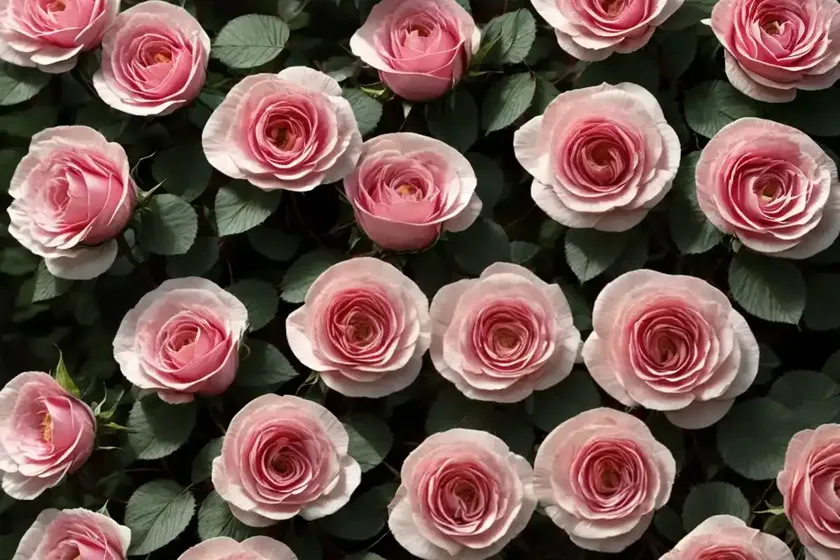
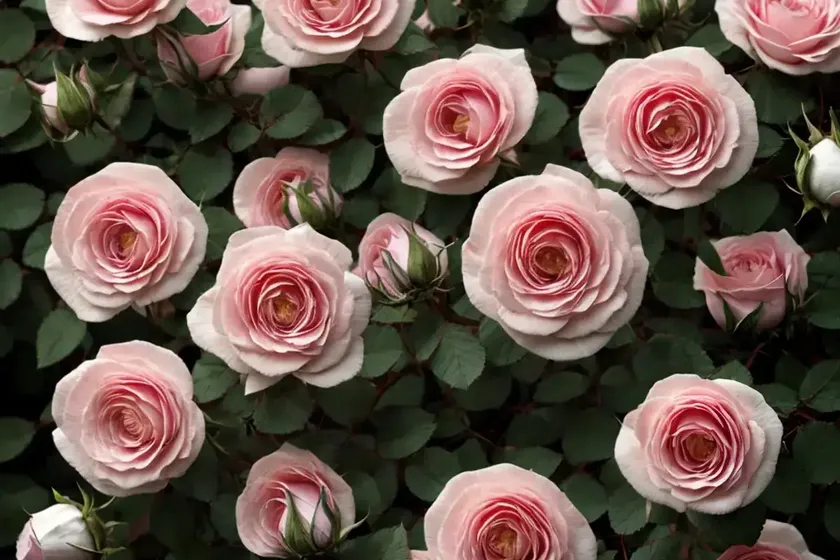
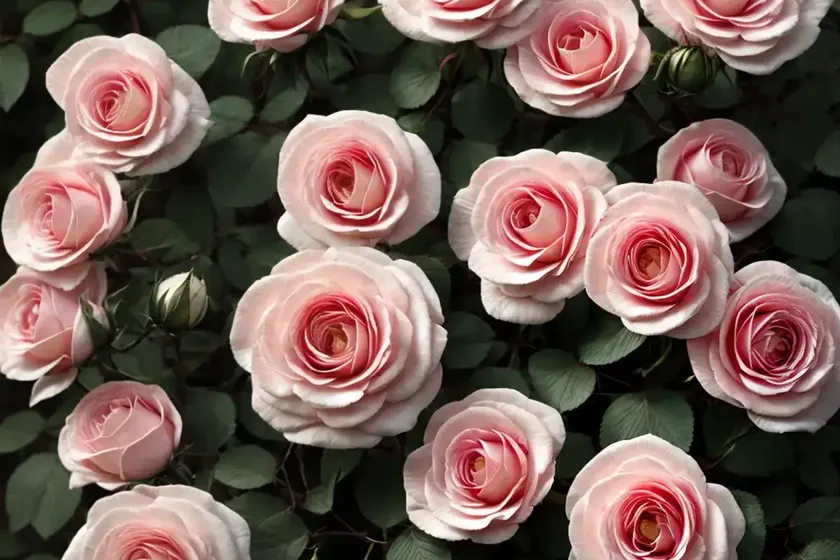
Roses are often considered the queen of flowers, and when it comes to rambling roses, the admiration only deepens. The Rosa ‘Paul Noel’ is a stunning variety of rambling rose that can grace any garden with its charm and beauty. In this comprehensive guide, we will explore everything there is to know about this captivating plant, from its characteristics and care requirements to its uses, maintenance, and much more.
What is a Rambling Rose Plant?
A rambling rose, as the name suggests, is a vigorous climbing or trailing rose that produces long, arching stems with an abundance of blooms. These roses are known for their ability to cover fences, arches, and pergolas with a profusion of colorful flowers, adding a romantic and picturesque quality to any garden landscape. The Rosa ‘Paul Noel’ is a particularly beloved variety of rambling rose, esteemed for its unique attributes and striking appearance.
Key Takeaways – Rosa ‘Paul Noel’ (Rambling Rose)
Before delving into the specifics of the Rosa ‘Paul Noel’ (rambling rose), let’s take a quick look at the key takeaways that will be covered in this guide:
- Plant Name: Rosa ‘Paul Noel’ (Rambling Rose)
- Characteristics: Growth habits, flowering, fragrance, and hardiness
- Maintenance: Pruning, disease prevention, and winter care
- Uses: Landscape design, trellis, climbing, and flowering arrangements
- Care Requirements: Water, sunlight, fertilizer, and soil preferences
- Propagation: Techniques for propagating rambling roses
- Common Diseases: Disease resistance, diagnosis, and prevention
- Common Pests: Pest resistance and control measures
- Botanist’s Tips: Expert advice for cultivating Rosa ‘Paul Noel’
- Fun Facts: Interesting and lesser-known facts about this variety of rambling rose
- Links to External Resources: Additional references and sources for further information
Now, let’s embark on a detailed exploration of the Rosa ‘Paul Noel’ (Rambling Rose), unraveling its enchanting characteristics, care requirements, and so much more.
Culture
Uses
The Rosa ‘Paul Noel’ (Rambling Rose) holds numerous uses in garden landscaping and floral arrangements, adding beauty, fragrance, and charm to various settings. Some of its primary uses include:
- Creating stunning landscape designs by adorning fences, arbors, and walls with its sprawling growth and cascading blooms.
- Cultivating as a climbing rose to cover trellises, pergolas, and other vertical structures, adding vertical interest and visual appeal to the garden.
- Incorporating its blooms in floral arrangements to infuse spaces with its captivating fragrance and vibrant colors.
Water
Proper watering is essential for the health and vitality of the Rosa ‘Paul Noel’ (Rambling Rose). While these roses are generally resilient, they thrive best when provided with consistent moisture, especially during dry spells and periods of active growth. Here are some key considerations for watering this variety of rambling rose:
- Establishment Phase: Newly planted Rosa ‘Paul Noel’ should be watered more frequently to support the development of a healthy root system.
- Deep Watering: Provide deep, thorough waterings rather than frequent shallow watering to encourage strong root growth and drought tolerance.
- Morning Watering: Water the plants in the morning to allow foliage to dry by evening, reducing the risk of fungal diseases.
- Mulching: Apply a layer of organic mulch around the base of the plant to retain soil moisture and regulate soil temperature.
Sunlight
Like most roses, the Rosa ‘Paul Noel’ thrives in ample sunlight and requires a minimum of 6-8 hours of direct sun exposure for optimal growth and flowering. When selecting a planting site, consider the following sunlight requirements:
- Full Sun: Plant the Rosa ‘Paul Noel’ in a location that receives full sun to ensure profuse blooming and vigorous growth.
- Morning Sun: In hotter climates, consider a planting site that receives morning sun and partial shade in the afternoon to protect the plant from intense heat.
- Avoid Shade: Avoid planting in areas with prolonged shade, as it can adversely affect the plant’s flowering and overall health.
Fertilizer
Proper fertilization is essential for promoting healthy growth and abundant blooms in the Rosa ‘Paul Noel’ (Rambling Rose). Consider the following guidelines for fertilizing this variety of rambling rose:
- Balanced Fertilizer: Use a balanced fertilizer formulated for roses or flowering plants to provide essential nutrients for robust growth and prolific blooming.
- Application Timing: Apply fertilizer in early spring as new growth begins, and again after the first flush of blooms to support continuous flowering throughout the season.
- Even Distribution: Spread the fertilizer evenly around the base of the plant, ensuring that it is incorporated into the soil surface without coming into direct contact with the stems or foliage.
- Watering After Application: Water the plant thoroughly after applying the fertilizer to facilitate nutrient absorption and prevent the risk of root burn.
Soil
The soil composition and quality play a significant role in the overall health and vigor of the Rosa ‘Paul Noel’ (Rambling Rose). Ideal soil conditions for this variety of rambling rose include:
- Well-Draining Soil: Plant Rosa ‘Paul Noel’ in well-draining soil to prevent waterlogging and reduce the risk of root rot and other moisture-related issues.
- pH Levels: Aim for slightly acidic to neutral soil with a pH range of 6.0 to 7.0 for optimal nutrient uptake and overall plant health.
- Organic Matter: Enrich the soil with organic matter such as compost, well-rotted manure, or peat moss to improve soil structure and fertility.
- Soil Preparation: Prior to planting, prepare the soil by loosening it to a depth of at least 12 inches and incorporating organic amendments to enhance its texture and nutrient content.
Pruning
Proper pruning is crucial for maintaining the health, shape, and flowering performance of the Rosa ‘Paul Noel’ (Rambling Rose). Follow these general pruning guidelines to ensure the best results:
- Timing: Prune the Rosa ‘Paul Noel’ in late winter or early spring before new growth emerges to remove dead, damaged, or diseased wood.
- Training and Support: As a climbing rose, the Rosa ‘Paul Noel’ may require training and support to direct its growth and encourage the development of a well-structured framework.
- Deadheading: Regularly deadhead spent blooms to promote continuous flowering and prevent the formation of rose hips, directing the plant’s energy into producing new blooms.
- Renewal Pruning: Perform renewal pruning as needed by selectively removing older canes to encourage the growth of new, vigorous stems and rejuvenate the plant.
Propagation
Propagating the Rosa ‘Paul Noel’ (Rambling Rose) allows for the expansion of its presence in the garden or sharing its beauty with fellow gardening enthusiasts. Consider the following propagation techniques for this variety of rambling rose:
- Softwood Cuttings: Propagate the Rosa ‘Paul Noel’ from softwood cuttings taken in early summer, selecting healthy, non-flowering shoots and rooting them in a suitable rooting medium.
- Hardwood Cuttings: In late winter, take hardwood cuttings from the previous year’s growth, treating them with a rooting hormone before planting them in a prepared propagation bed or container.
- Layering: Encourage layering by gently bending a low-hanging stem to the ground, making a shallow cut on the underside, and securing it in place with a small stake or rock until roots develop.
Container Popularity
The Rosa ‘Paul Noel’ (Rambling Rose) is also well-suited for container cultivation, allowing it to grace even the smallest of outdoor spaces with its captivating beauty. Consider these factors when growing the Rosa ‘Paul Noel’ in a container:
- Container Selection: Choose a large, sturdy container with adequate drainage holes to accommodate the plant’s extensive root system and provide ample room for growth.
- Growing Medium: Use a high-quality potting mix with good drainage properties and enrich it with organic matter to ensure optimal growing conditions for the rose.
- Support Structure: Install a sturdy trellis or obelisk in the container to support the climbing habit of the Rosa ‘Paul Noel’ and guide its growth in a vertical direction.
- Watering and Fertilization: Container-grown roses may require more frequent watering and fertilization than those grown in the ground, as the limited soil volume can lead to faster moisture depletion and nutrient exhaustion.
Common Diseases
The Rosa ‘Paul Noel’ (Rambling Rose) boasts commendable disease resistance, yet it is important to remain vigilant and proactive in protecting the plant from potential threats. Familiarize yourself with common rose diseases and their prevention and management strategies, including:
- Powdery Mildew: A fungal disease characterized by powdery white patches on the foliage, which can be mitigated through proper air circulation and the use of fungicidal treatments if necessary.
- Black Spot: Identified by black spots on the leaves and premature leaf drop, black spot can be managed through sanitation, proper watering, and the application of fungicidal sprays.
- Botrytis Blight: Also known as gray mold, botrytis blight can affect the flowers and foliage of roses, particularly in humid conditions, and can be minimized by maintaining dry foliage and proper air circulation.
Disease Diagnosis
Diagnosing potential diseases affecting the Rosa ‘Paul Noel’ (Rambling Rose) involves attentive observation and a keen eye for identifying symptoms of distress. Look out for the following signs of common rose diseases:
- Leaf Spots: Investigate the presence of irregular spots or discoloration on the leaves, which may indicate the onset of fungal diseases such as black spot or rust.
- Powdery Residue: Notice any powdery residue on the foliage, signaling the presence of powdery mildew or other fungal infections that thrive in humid conditions.
- Wilting or Dieback: Monitor the overall vigor of the plant and be alert to any signs of wilting, dieback, or stunted growth, which could be indicative of root rot or other soil-borne diseases.
Common Pests
Pests can pose a threat to the well-being of the Rosa ‘Paul Noel’ (Rambling Rose), necessitating proactive measures to safeguard the plant from potential infestations. Keep an eye out for common rose pests such as:
- Aphids: These small, soft-bodied insects feed on the sap of the plant, causing distortion of new growth and secreting honeydew, which can attract other pests and fungal diseases.
- Japanese Beetles: Recognized by their metallic green bodies, Japanese beetles can skeletonize foliage and flower petals, necessitating control through physical removal or the use of beetle traps.
- Spider Mites: These tiny arachnids thrive in hot, dry conditions and can cause stippling and discoloration of the leaves, impacting the overall health of the plant.
Botanist’s Tips
As a plant scientist with a passion for roses and horticulture, I offer the following expert tips for cultivating the Rosa ‘Paul Noel’ (Rambling Rose) and ensuring its thriving growth and abundant blooms:
- Pruning Techniques: Employ proper pruning techniques to maintain a balanced framework and encourage the development of new flowering wood for a profusion of blooms.
- Supporting Growth: Provide adequate support for the climbing habit of the Rosa ‘Paul Noel,’ guiding its growth along trellises or other support structures to showcase its sprawling elegance.
- Vigilant Monitoring: Regularly monitor the plant for signs of pests, diseases, or environmental stress, promptly addressing any issues that may arise to prevent escalation and minimize damage.
- Mulching Benefits: Apply a layer of organic mulch around the base of the plant to conserve soil moisture, suppress weed growth, and provide a steady supply of nutrients as it decomposes.
Fun Facts
To further appreciate the allure of the Rosa ‘Paul Noel’ (Rambling Rose), consider the following fun and fascinating facts about this delightful variety:
- Fragrant Blooms: The blooms of Rosa ‘Paul Noel’ exude a captivating fragrance, adding an aromatic dimension to the garden and attracting pollinators such as bees and butterflies.
- Vibrant Color Palette: From delicate pastel hues to vibrant, saturated tones, the blooms of Rosa ‘Paul Noel’ display an array of captivating colors, creating a stunning visual display.
- Timeless Elegance: With its timeless beauty and graceful growth habit, the Rosa ‘Paul Noel’ evokes a sense of nostalgia and romance, evoking images of classic garden settings and picturesque landscapes.
- Historical Significance: Many rambling rose varieties, including the Rosa ‘Paul Noel,’ have been cherished for centuries and have a rich history intertwined with folklore, symbolism, and cultural significance.
- Adaptability: The Rosa ‘Paul Noel’ demonstrates remarkable adaptability and can flourish in a variety of climatic conditions, making it well-suited for diverse gardening environments.
Links to External Resources
For additional information, resources, and inspiration related to the cultivation and appreciation of the Rosa ‘Paul Noel’ (Rambling Rose), consider exploring the following external links:
- Royal Horticultural Society – Growing Climbing Roses
- American Rose Society – Rose Care and Handling
- University of California Agriculture and Natural Resources – Integrated Pest Management for Roses
- The Old Farmer’s Almanac – How to Plant Roses
With this comprehensive guide and a deeper understanding of the Rosa ‘Paul Noel’ (Rambling Rose), you are well-equipped to cultivate and cherish this captivating variety, infusing your garden with its timeless beauty and charm. Whether adorning a trellis, gracing a container, or mingling with companion plants, the Rosa ‘Paul Noel’ is sure to captivate and inspire with its exuberant blooms and graceful allure.
Remember, tending to a garden is not just about nurturing plants; it is also about nurturing the soul and creating moments of tranquility and joy amidst nature’s splendor. Happy gardening and may your journey with the Rosa ‘Paul Noel’ be filled with boundless beauty and floral enchantment!


