Rosa Open Arms (Rambling Rose)
As a plant scientist and enthusiast, I have always been fascinated by the diversity and beauty of plants. One particular species that has captured my.

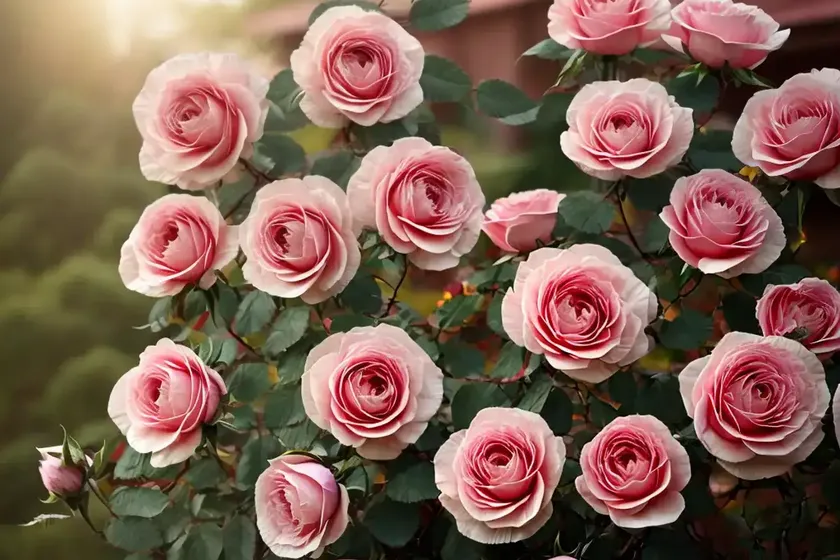
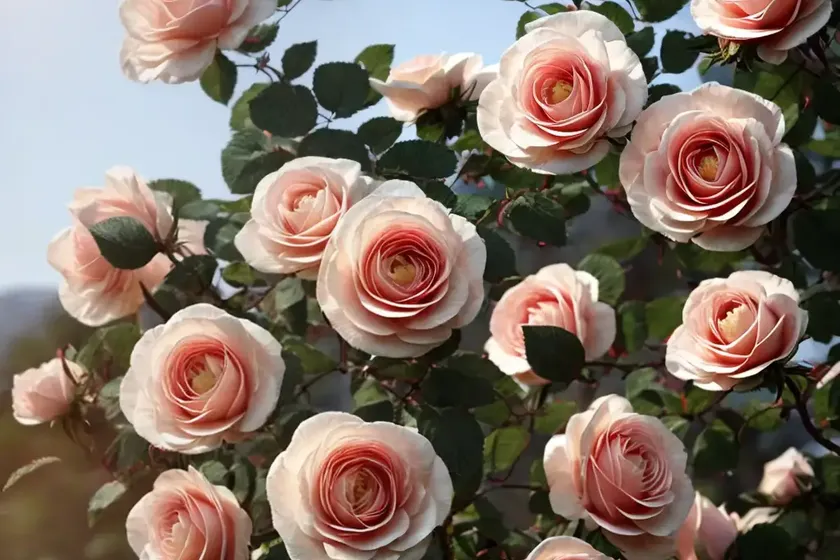
As a plant scientist and enthusiast, I have always been fascinated by the diversity and beauty of plants. One particular species that has captured my attention and admiration is the Rosa Open Arms, also known as the Rambling Rose. In this comprehensive guide, we will explore everything there is to know about this exquisite plant, from its characteristics and care tips to its uses in landscaping and companion planting.
What is Rosa Open Arms (Rambling Rose)?
Rosa Open Arms, commonly referred to as the Rambling Rose, is a stunning climbing rose variety known for its vigorous growth and abundant clusters of fragrant flowers. This plant belongs to the genus Rosa, which encompasses a wide range of species, hybrids, and cultivars, each with its unique characteristics and appeal.
Named for its sprawling and rambling growth habit, the Rosa Open Arms is prized for its cascading foliage and profusion of blooms, making it a popular choice for adorning trellises, arbors, and fences. Its charming and old-fashioned aesthetic has made it a beloved addition to gardens and landscapes, where it adds a touch of elegance and romance.
Key Takeaways – Rosa Open Arms (Rambling Rose)
Before delving into the specific aspects of growing and caring for the Rosa Open Arms, let’s outline the key takeaways that will guide our exploration of this captivating plant.
- Scientific Name: Rosa ‘Open Arms’
- Common Names: Rambling Rose, Rosa Open Arms climbing rose
- Characteristics: Vigorous climber, cascading growth habit, fragrant blooms
- Uses: Landscape focal point, trellising, companion planting
- Care Tips: Pruning, watering, soil requirements
- Disease Resistance: Disease-resistant variety
- Sun Exposure: Full to partial sunlight
- Hardiness Zone: Suitable for various hardiness zones
- Fragrance: Sweet and aromatic
- Growth Cycle: Blooms in recurring cycles
- Wildlife Attraction: Pollinator-friendly
Now that we have established the fundamental aspects of the Rosa Open Arms, it’s time to delve deeper into each facet of this remarkable plant’s cultivation and maintenance.
Culture
Uses
The Rosa Open Arms serves a multitude of purposes in horticulture and landscaping, owing to its distinctive growth habit and aesthetic appeal. Some of its primary uses include:
- Landscape Focal Point: The sprawling and cascading nature of the Rambling Rose makes it an excellent focal point in garden landscapes, drawing attention with its abundance of flowers and lush foliage.
- Trellising: Its climbing and rambling habit makes it well-suited for adorning trellises, pergolas, and arbors, adding vertical interest and natural beauty to outdoor spaces.
- Companion Planting: The Rosa Open Arms can be strategically planted alongside other garden plants to complement their colors, attract pollinators, and create visually striking combinations.
Water
Proper watering is essential for the healthy growth and blooming of the Rosa Open Arms. While these plants are relatively resilient and adaptable, they do require consistent moisture, especially during the growing season and hot, dry periods.
To ensure adequate hydration for the Rambling Rose, it is advisable to follow these watering guidelines:
- Regular Watering: During the active growing season, water the plant regularly, especially during dry spells, to maintain soil moisture and support vigorous growth.
- Avoid Waterlogging: While consistent moisture is beneficial, it’s important to prevent waterlogging, as excessive water around the roots can lead to rot and other issues.
- Mulching: Applying a layer of organic mulch around the base of the plant can help retain soil moisture and regulate temperature, promoting overall plant health.
Sunlight
Like many roses, the Rosa Open Arms thrives in full sunlight, benefiting from direct exposure to the sun for optimal growth and blooming. However, this versatile plant can also tolerate partial shade, making it suitable for a variety of garden settings.
Here are some considerations regarding sunlight requirements for the Rambling Rose:
- Full Sun: Ideally, the Rosa Open Arms should be planted in a location that receives at least 6-8 hours of direct sunlight per day to encourage robust flowering and vigorous growth.
- Partial Shade: While it prefers full sun, the plant can adapt to partial shade, particularly in regions with intense heat or prolonged sun exposure.
Fertilizer
To support the healthy development and abundant blooming of the Rosa Open Arms, regular fertilization is essential. Providing the plant with the appropriate nutrients can enhance its overall vigor and floral display.
When it comes to fertilizing the Rambling Rose, consider the following recommendations:
- Balanced Fertilizer: Choose a well-balanced fertilizer formulated specifically for roses or flowering plants, ensuring that it contains essential nutrients such as nitrogen, phosphorus, and potassium.
- Seasonal Application: Apply fertilizer in early spring as new growth emerges, and again in late spring or early summer to sustain the plant through the blooming period.
- Follow Instructions: Always follow the manufacturer’s instructions regarding the application rate and frequency, as excessive fertilizer can lead to imbalances and potential damage to the plant.
Soil
The quality and composition of the soil play a crucial role in the overall health and performance of the Rosa Open Arms. This plant thrives in well-draining, fertile soil that provides adequate support for its extensive root system and promotes robust growth.
Consider the following soil-related aspects when cultivating the Rambling Rose:
- Well-Draining Soil: Ensure that the planting site or container has well-draining soil, as waterlogged conditions can adversely affect the plant’s root health and overall vitality.
- Soil Amendments: Incorporating organic matter, such as compost or well-rotted manure, into the soil can improve its structure and fertility, creating an optimal growing environment for the Rosa Open Arms.
- pH Level: Aim for a slightly acidic to neutral soil pH range (pH 6.0-7.0), as this is conducive to healthy root development and nutrient uptake for the plant.
Pruning
Pruning is a fundamental aspect of caring for the Rosa Open Arms, as it helps maintain its shape, manage its growth, and encourage prolific flowering. Understanding the proper pruning techniques and timing is essential for promoting the long-term health and beauty of this climbing rose variety.
When approaching the pruning of the Rambling Rose, keep the following guidelines in mind:
- Annual Pruning: Conduct annual pruning during the plant’s dormant season, typically in late winter or early spring before new growth emerges. This is the optimal time to remove dead wood, shape the plant, and encourage fresh growth.
- Deadheading: Regularly deadhead faded blooms to stimulate the production of new flowers and prevent the formation of seed hips. This practice contributes to an extended and abundant blooming period for the Rosa Open Arms.
Propagation
The propagation of the Rosa Open Arms can be achieved through various methods, allowing for the expansion of its presence in gardens and landscapes. Whether through seeds, cuttings, or layering, propagating this rambling rose offers an opportunity to multiply its beauty and share it with fellow gardening enthusiasts.
Consider the following propagation techniques when looking to cultivate new Rosa Open Arms plants:
- Softwood Cuttings: Propagate the Rambling Rose by taking softwood cuttings in late spring or early summer, using young, healthy stems for successful rooting and establishment.
- Layering: Encourage new root formation by layering a flexible, low-growing stem of the plant in contact with the soil, creating a self-rooted offshoot that can be separated and transplanted once sufficiently established.
Container Popularity
While the Rosa Open Arms is renowned for its use in garden landscapes and trellising, it also possesses a notable presence in container gardening. Cultivating this climbing rose in containers offers flexibility and versatility in terms of placement and design, making it an appealing choice for many plant enthusiasts.
Consider the following aspects of cultivating the Rosa Open Arms in containers:
- Container Selection: Choose a sufficiently large and sturdy container with adequate drainage holes to support the vigorous growth and extensive root system of the plant.
- Support Structure: Provide a trellis or supportive framework within the container to guide the upward growth of the Rambling Rose and showcase its cascading foliage and blooms.
- Regular Maintenance: Container-grown plants often require more frequent watering and monitoring of soil moisture, as the limited volume of soil can lead to quicker drying.
Common Diseases
The resilience and disease resistance of the Rosa Open Arms contribute to its appeal as a low-maintenance and reliable plant for gardeners. However, it’s beneficial to be aware of potential diseases that may affect this rambling rose, as proactive management can mitigate risks and maintain its overall health.
Some common diseases to watch for in the Rosa Open Arms include:
- Powdery Mildew: A fungal disease that manifests as powdery white patches on the foliage, affecting the plant’s photosynthetic capacity and overall vigor.
- Black Spot: Characterized by dark spots on the leaves and premature leaf drop, black spot is a common rose disease that can defoliate the Rosa Open Arms if left unmanaged.
- Rust: This fungal disease presents as rusty or orange-colored pustules on the underside of the leaves, potentially leading to significant defoliation and weakening of the plant.
Disease Diagnosis
In the event of abnormal symptoms or signs of disease on the Rosa Open Arms, accurate diagnosis and timely intervention are crucial to safeguard the plant’s well-being. Proper diagnosis allows for the targeted application of treatments and preventative measures to address the specific disease affecting the Rambling Rose.
When diagnosing potential diseases in the Rosa Open Arms, consider the following steps:
- Observation: Thoroughly inspect the plant for any irregularities, including discoloration, spots, or abnormalities in growth and foliage.
- Symptom Recognition: Identify the specific symptoms and patterns associated with common rose diseases to narrow down potential causes and determine the appropriate course of action.
- Professional Consultation: In complex cases or instances of uncertainty, seeking guidance from horticultural experts or plant pathologists can provide valuable insights and tailored recommendations for disease management.
Common Pests
While the Rosa Open Arms boasts disease resistance, it is still susceptible to certain pests that can impact its vitality and aesthetic appeal. Understanding the common pests that may target this rambling rose enables proactive measures to minimize infestations and preserve the plant’s health.
Look out for the following common pests that may affect the Rosa Open Arms:
- Aphids: These tiny, sap-sucking insects can colonize the tender shoots and buds of the Rambling Rose, potentially causing distorted growth and reduced vigor.
- Spider Mites: Small arachnids that feed on plant sap, spider mites can cause stippled or bronzed foliage and weaken the overall condition of the Rosa Open Arms.
- Japanese Beetles: These voracious feeders can skeletonize the foliage of the plant, leading to significant aesthetic damage and diminished plant health if not controlled.
Botanist’s Tips
As a plant scientist with a deep appreciation for the natural beauty and resilience of the Rosa Open Arms, I offer the following tips to enhance the success and enjoyment of cultivating this captivating rambling rose:
- Regular Inspection: Routinely monitor the plant for signs of disease, pests, or nutrient deficiencies, intervening promptly to address any issues that may arise.
- Mulching: Apply a layer of organic mulch around the base of the plant to conserve moisture, suppress weeds, and improve soil structure, benefiting the overall health of the Rosa Open Arms.
- Balanced Care: Strive for a balanced approach to watering, fertilizing, and pruning, taking into account the specific needs and growth patterns of the Rambling Rose to promote healthy and vigorous development.
- Support Structure: Implement a sturdy and aesthetically pleasing support structure for the plant’s climbing habit, ensuring that it has ample space to sprawl and flourish in a controlled manner.
- Companion Planting: Explore companion planting options to complement the Rosa Open Arms with suitable floral or foliage counterparts, creating harmonious and visually appealing garden compositions.
Fun Facts
In addition to its intrinsic beauty and ornamental value, the Rosa Open Arms possesses several intriguing and delightful attributes that enrich its allure for gardening enthusiasts. These fun facts offer further insights into the captivating nature of this rambling rose:
- Fragrant Varieties: Some cultivars of the Rosa Open Arms exhibit particularly strong or unique fragrances, adding an olfactory dimension to their charm and appeal in garden settings.
- Historical Significance: Certain varieties of the Rambling Rose have historical significance, with ties to specific regions, events, or cultural traditions, enriching their heritage and symbolic value.
- Wildlife Habitat: Beyond its visual beauty, the Rosa Open Arms contributes to supporting pollinators and wildlife, providing nectar and shelter for beneficial insects and avian visitors.
Links to External Resources
To further expand your knowledge and appreciation of the Rosa Open Arms, I recommend exploring the following external resources, which offer valuable insights, care guidelines, and additional perspectives on this captivating rambling rose:
- American Rose Society: The American Rose Society provides a wealth of information on rose cultivation, including specific guidance on caring for climbing and rambling rose varieties such as the Rosa Open Arms.
- Royal Horticultural Society: The Royal Horticultural Society offers comprehensive resources on various garden plants, including detailed profiles and cultivation advice for climbing roses and their uses in garden design.
- University Extension Services: Numerous university extension services provide research-based information and publications on ornamental horticulture, offering practical recommendations for growing and maintaining rambling roses and other ornamental plants.
By exploring these external resources, you can gain a broader perspective on the Rosa Open Arms and access expert advice from established horticultural organizations and educational institutions.
In this comprehensive guide, we have delved into the captivating world of the Rosa Open Arms, also known as the Rambling Rose, exploring its characteristics, cultivation, and unique appeal. Whether adorning trellises, gracing container gardens, or enhancing landscapes with its cascading beauty, this charming climbing rose variety continues to captivate and inspire with its timeless elegance and enduring charm. With a deeper understanding of its cultural needs, propagation techniques, and disease management strategies, enthusiasts can cultivate and enjoy the Rosa Open Arms to its fullest potential, adding a touch of natural splendor to their outdoor spaces.


