Rosa Laevigata (Cherokee Rose)
Rosa laevigata, commonly known as the Cherokee Rose, is a species of climbing rose that belongs to the Rosaceae family. This beautiful and resilient plant.
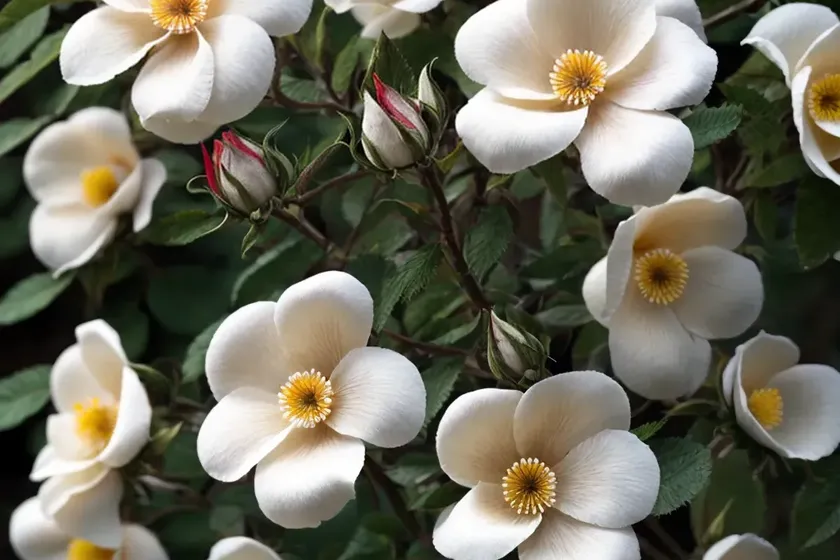
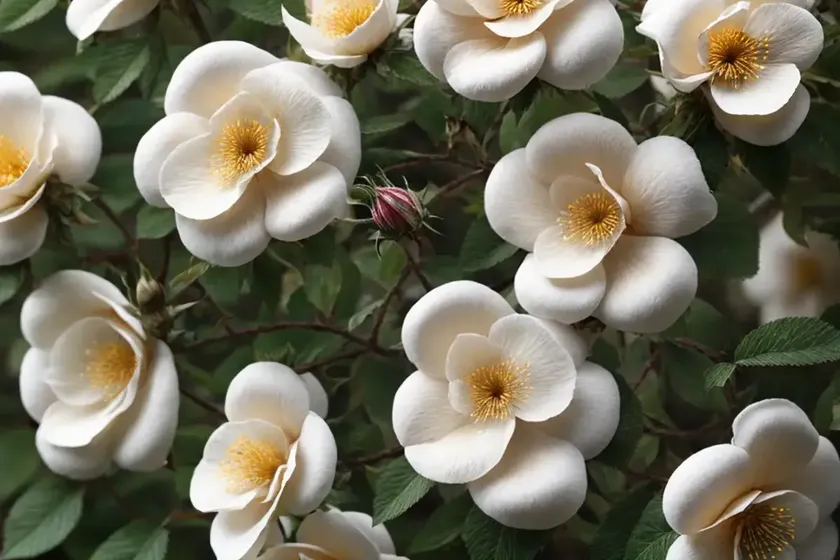
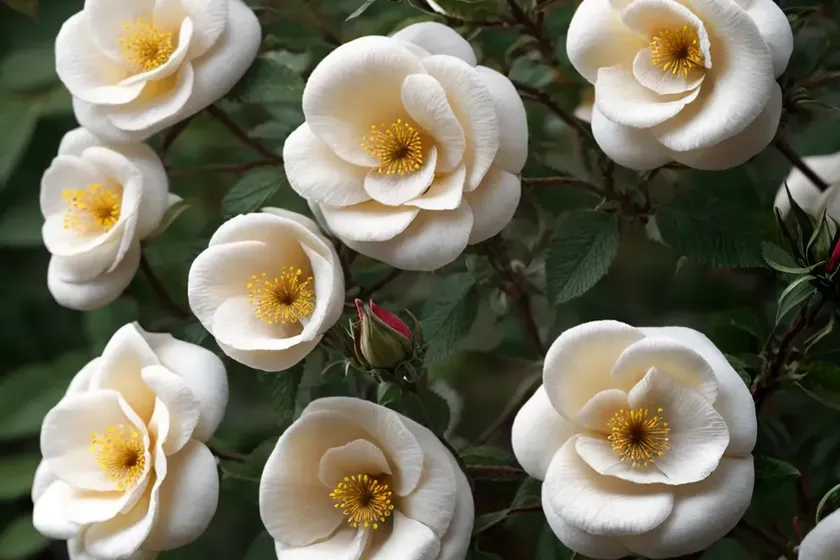
Rosa laevigata, commonly known as the Cherokee Rose, is a species of climbing rose that belongs to the Rosaceae family. This beautiful and resilient plant is native to the southeastern United States and has a rich history, cultural significance, and a range of practical uses. In this comprehensive guide, we will explore the key aspects of the Cherokee Rose, including its cultural significance, care tips, uses, ecological impact, and much more.
What is Rosa laevigata (Cherokee Rose)?
Rosa laevigata, widely known as the Cherokee Rose, is an ornamental, flowering shrub that is native to the southern United States. This species is particularly renowned for its climbing habit, delicate pink or white blossoms, and its resilience to various environmental conditions. The Cherokee Rose has not only been cherished for its beauty but has also played an important role in the cultural and ecological landscape of the regions it inhabits.
Key Takeaways – Rosa laevigata (Cherokee Rose)
Before delving into the specific aspects of the Cherokee Rose, let’s take a quick look at the key takeaways that will be covered in this guide:
- Cultivation and cultural significance of the Cherokee Rose
- Practical uses of Rosa laevigata, including medicinal and ornamental purposes
- Essential care tips, including water, sunlight, fertilizer, soil, and pruning requirements
- Propagation methods and considerations for growing the Cherokee Rose in containers
- Identification of common diseases and pests, along with strategies for disease management
- Exploration of folklore, symbolism, and historical significance of the Cherokee Rose
- Consideration of the Cherokee Rose’s ecological impact and its role in conservation efforts
Now, let’s dive deeper into the various aspects of the Cherokee Rose.
Culture
Cultural Significance of Cherokee Rose
The Cherokee Rose holds a revered place in the cultural heritage of the southeastern United States, particularly among Native American communities. Its association with the Cherokee people has led to its name, and it is considered a symbol of resilience, strength, and the enduring spirit of the Cherokee nation.
In addition to its historical significance, the Cherokee Rose has been celebrated in art, literature, and folklore, further cementing its cultural importance in the region. Its delicate blossoms and robust growth have made it a cherished plant in both domestic and public landscapes, adding to its cultural significance.
Uses
Practical Uses of Rosa laevigata
The Cherokee Rose offers a range of practical uses, making it a valuable plant beyond its ornamental appeal. Let’s explore some of the common uses of Rosa laevigata:
Medicinal Uses
In traditional medicine practices, various parts of the Cherokee Rose have been utilized for their medicinal properties. The leaves, flowers, and hips of the plant have been employed to create herbal remedies, often for their purported benefits in treating respiratory conditions, skin irritations, and other ailments. As a result, the Cherokee Rose has been valued for its potential therapeutic applications.
Ornamental Purposes
With its stunning, fragrant blossoms and climbing habit, the Cherokee Rose is a popular choice for ornamental gardening and landscaping. It adds a touch of elegance to gardens, trellises, and arbors, enhancing the visual appeal of outdoor spaces with its profusion of pink or white blooms.
Water
Water Requirements for Cherokee Rose
The water needs of the Cherokee Rose largely depend on environmental factors such as temperature, humidity, and soil moisture retention. As a general guideline, here are some considerations for watering the Cherokee Rose:
- Established Plants: Once established, the Cherokee Rose is relatively drought-tolerant, requiring minimal supplemental watering except during periods of prolonged drought.
- Newly Planted Roses: Newly planted Cherokee Roses should be watered deeply and regularly to facilitate root establishment. However, care should be taken to avoid waterlogging the soil, which can lead to root rot.
It is essential to monitor soil moisture levels and adjust watering frequency based on the specific conditions in which the plant is growing. Providing adequate drainage is also crucial to prevent waterlogged soil, which can compromise the health of the Cherokee Rose.
Sunlight
Sunlight Requirements for Cherokee Rose
The Cherokee Rose thrives in full sunlight, benefiting from at least six to eight hours of direct sunlight per day. Adequate sunlight is essential for promoting healthy growth, robust flowering, and overall plant vigor. When selecting a planting location for the Cherokee Rose, consider the following sunlight-related factors:
-
Sun Exposure: Choose a site that receives ample sunlight throughout the day, preferably with exposure to the morning sun, which helps to dry dew from the foliage and minimize disease risks.
-
Shade Tolerance: While the Cherokee Rose prefers full sun, it can tolerate partial shade, especially in regions with intense afternoon sunlight or high temperatures. However, partial shade may result in reduced flowering compared to plants grown in full sun.
Ensuring proper sun exposure is crucial for maximizing the ornamental and ecological benefits of the Cherokee Rose.
Fertilizer
Fertilization for Cherokee Rose
Proper fertilization can support the growth and flowering of the Cherokee Rose, ensuring the plant’s health and vitality. Consider the following guidelines for fertilizing Rosa laevigata:
-
Fertilizer Type: Use a balanced, slow-release fertilizer formulated for flowering shrubs or roses. A fertilizer with a balanced N-P-K ratio, along with essential micronutrients, can promote healthy growth and prolific flowering.
-
Fertilization Schedule: Apply fertilizer in early spring, just as new growth begins, and again in late spring to early summer to support the plant’s flowering phase. Refrain from fertilizing in late summer to prevent stimulating new growth that may be vulnerable to frost damage.
By providing appropriate nutrients through fertilization, you can enhance the overall vigor and blooming capacity of the Cherokee Rose.
Soil
Soil Requirements for Cherokee Rose
The Cherokee Rose thrives in well-draining, fertile soil that provides adequate aeration and moisture retention. Consider the following soil-related considerations for cultivating Rosa laevigata:
-
Soil Type: The Cherokee Rose prefers loamy, well-draining soil with a slightly acidic to neutral pH (pH 6.0-7.0). Amending heavy clay soils with organic matter, such as compost or well-rotted manure, can improve soil structure and drainage.
-
Moisture Retention: While the Cherokee Rose is relatively drought-tolerant once established, consistent moisture is beneficial, especially during the early stages of growth and flowering. However, it is crucial to avoid waterlogged conditions, which can lead to root rot and other issues.
Understanding the specific soil requirements of the Cherokee Rose is essential for creating an optimal growing environment for this resilient and adaptable plant.
Pruning
Pruning Guidelines for Cherokee Rose
Proper pruning plays a crucial role in maintaining the health, shape, and flowering performance of the Cherokee Rose. Here are some key aspects to consider when pruning Rosa laevigata:
-
Pruning Timing: The ideal time for pruning the Cherokee Rose is in late winter to early spring, before new growth emerges. This allows for the removal of dead, damaged, or overgrown branches while promoting healthy regrowth.
-
Pruning Techniques: When pruning, focus on removing old, woody canes, crossed or rubbing branches, and any weak or diseased growth. Additionally, shaping the plant to encourage an open, airy structure can improve air circulation and reduce disease susceptibility.
-
Deadheading: Regular deadheading of spent blossoms can help prolong the flowering period and promote the production of new blooms.
Pruning is an essential aspect of Cherokee Rose care, and when done thoughtfully, it can contribute to the plant’s overall vigor and aesthetic appeal.
Propagation
Propagation Methods for Cherokee Rose
The Cherokee Rose can be propagated through several methods, including seeds, cuttings, and layering. Here are some considerations for propagating Rosa laevigata:
-
Seeds: While Cherokee Rose seeds can be used for propagation, they may exhibit variability in traits compared to the parent plant. Stratifying seeds by cold treatment before planting can help enhance germination rates.
-
Cuttings: Propagating the Cherokee Rose from semi-hardwood cuttings offers a reliable method for producing new plants that closely resemble the parent. Taking cuttings in late spring to early summer and providing them with proper moisture and warmth can encourage root development.
-
Layering: Air layering, a method of encouraging roots to form on a stem while it is still attached to the parent plant, can also be used to propagate the Cherokee Rose. This approach can yield rooted plants ready for separation and planting once root development has occurred.
By understanding and employing suitable propagation methods, gardeners and horticulturists can expand their collection of Cherokee Roses and share the beauty of this remarkable plant with others.
Container Popularity
Growing Cherokee Rose in Containers
The Cherokee Rose’s adaptability and climbing habit make it a suitable candidate for container gardening. This offers the flexibility to cultivate the plant in various settings, such as patios, balconies, and small gardens. Additionally, container cultivation can be particularly advantageous for controlling the plant’s growth and location.
When growing the Cherokee Rose in containers, consider the following factors for optimal plant health:
-
Container Size: Select a large, sturdy container with ample drainage holes to accommodate the plant’s vigorous growth and extensive root system. A container with a trellis or support structure can provide stability for the climbing habit of the Cherokee Rose.
-
Potting Mix: Use a well-draining, nutrient-rich potting mix formulated for flowering plants or roses. Regular monitoring of soil moisture levels is essential, as container-grown plants may require more frequent watering than those in the ground.
-
Sunlight and Pruning: Position the container in a location that receives sufficient sunlight and allows for the growth of the climbing canes. Regular pruning and training can help maintain the desired shape and size of the Cherokee Rose within the confines of the container.
Container cultivation not only enables the enjoyment of the Cherokee Rose in constrained spaces but also provides an opportunity to showcase the plant’s ornamental beauty in diverse settings.
Common Diseases
Disease Susceptibility and Management
While the Cherokee Rose is relatively resilient, it can be susceptible to certain diseases, especially in conditions that favor fungal or bacterial pathogens. Here are some common diseases that may affect Rosa laevigata, along with strategies for disease management:
Powdery Mildew
Powdery mildew, characterized by the development of a whitish, powdery growth on the foliage, can affect the Cherokee Rose, particularly in humid or poorly ventilated environments. To manage powdery mildew:
-
Cultural Practices: Ensure proper spacing between plants to promote air circulation. Avoid overhead watering and strive to keep foliage dry. Prune out and dispose of heavily infected growth.
-
Fungicidal Treatments: If powdery mildew becomes problematic, apply a suitable fungicidal spray according to label instructions. Choose products specifically labeled for treating powdery mildew on roses.
Black Spot
Black spot, identified by the presence of dark, circular lesions on the leaves, can impact the aesthetics and health of the Cherokee Rose. To address black spot issues:
-
Sanitation: Remove and dispose of affected leaves to reduce the spread of the disease. Clean up fallen leaves around the plant to minimize overwintering fungal spores.
-
Fungicidal Control: Consider using fungicidal sprays labeled for black spot management, particularly during periods of high humidity or rainfall.
By implementing proactive cultural practices and, when necessary, targeted treatments, it is possible to manage and mitigate the impact of common diseases on the Cherokee Rose.
Disease Diagnosis
Identifying Common Diseases in Cherokee Rose
Identifying and accurately diagnosing diseases affecting the Cherokee Rose is crucial for implementing effective control measures. When assessing the plant for potential disease issues, consider the following diagnostic factors:
-
Symptom Identification: Look for characteristic symptoms, such as leaf spots, discoloration, distortion, or abnormal growth patterns. Pay attention to patterns of symptom development and progression.
-
Environmental Conditions: Assess the prevailing environmental factors, including temperature, humidity, and sunlight exposure, as these can influence the likelihood of specific diseases.
-
Pathogen Examination: In cases of suspected disease, consider consulting with a plant pathologist or extension service to conduct pathogen testing and obtain a precise diagnosis.
Accurate disease diagnosis provides the basis for tailored management strategies, helping to safeguard the health and vitality of the Cherokee Rose.
Common Pests
Pest Management for Cherokee Rose
In addition to diseases, the Cherokee Rose may encounter certain pests that can impact its growth and flowering. Here are some common pests to watch for, along with potential control measures:
Aphids
Aphids, small, soft-bodied insects, may infest the Cherokee Rose, feeding on the plant’s sap and excreting honeydew. To manage aphids:
-
Natural Enemies: Encourage natural predators of aphids, such as lady beetles, lacewings, and parasitic wasps, to help keep aphid populations in check.
-
Mechanical Control: Use a strong stream of water to dislodge aphids from the plant, or prune out heavily infested growth.
Japanese Beetles
Japanese beetles, recognized by their metallic green or copper-colored bodies, can feed on the foliage and blossoms of the Cherokee Rose, causing notable damage. Strategies for managing Japanese beetles include:
-
Handpicking: Removing individual beetles by hand and dropping them into a container of soapy water can help reduce localized beetle populations.
-
Biological Controls: Consider introducing beneficial nematodes or microbial insecticides to target Japanese beetle grubs in the soil.
Vigilant monitoring and prompt action can help mitigate the impact of common pests on the Cherokee Rose, thereby preserving the plant’s health and splendor.
Botanist’s Tips
Expert Tips for Growing and Caring for Cherokee Rose
As a revered botanical subject, the Cherokee Rose thrives when provided with proper care and attention. Here are some expert tips for cultivating and caring for Rosa laevigata:
-
Support Structure: When planting Cherokee Rose, provide a sturdy trellis, arbor, or support structure to accommodate its climbing habit and guide its growth.
-
Pruning Consistency: Regular pruning, particularly in the early spring, helps maintain a healthy, well-ventilated plant structure and promotes robust flowering.
-
Mulching Benefits: Apply a layer of organic mulch around the base of the Cherokee Rose to conserve soil moisture, suppress weed growth, and moderate soil temperatures.
-
Observation and Monitoring: Regularly inspect the plant for signs of pests, diseases, or nutrient deficiencies. Early detection allows for timely intervention and management.
By incorporating these botanist-recommended tips into your Cherokee Rose care routine, you can foster the plant’s well-being and enjoy its ornate beauty to the fullest.
Fun Facts
Intriguing Facts about Cherokee Rose
To further appreciate the allure and significance of the Cherokee Rose, consider the following fun and fascinating facts about this remarkable plant:
-
Historical Symbolism: The Cherokee Rose has been adopted as the state flower of Georgia, bearing cultural and historical significance in the southern United States.
-
Ecological Role: In addition to its ornamental value, the Cherokee Rose serves as a valuable wildlife habitat, providing nectar for pollinators and food for birds through its rose hips.
-
Folklore Connection: The Cherokee Rose features prominently in Native American folklore, often associated with tales of love, resilience, and the enduring spirit of the Cherokee people.
-
Fragrance Legacy: The sweet, delicate fragrance of the Cherokee Rose blossoms has made it a cherished component in perfumery and aromatherapy applications.
-
Adaptability: Rosa laevigata exhibits remarkable adaptability, thriving in a range of climatic conditions and soil types, contributing to its widespread cultivation.
These intriguing facts underscore the multifaceted nature of the Cherokee Rose, from its cultural symbolism to its ecological contributions and enduring appeal.
Links to External Resources
For further exploration of Rosa laevigata (Cherokee Rose) and related topics, consider the following external resources:
- United States Department of Agriculture – Plant Profile: Rosa laevigata
- The Cherokee Rose: A Symbol of a People’s Strength
- Gardening Know How – Cherokee Rose Info: How To Care For A Cherokee Rose Plant
- Florida Native Plant Society – Cherokee Rose (Rosa laevigata)
- American Rose Society
These resources offer valuable insights into the cultivation, cultural significance, and ecological impact of the Cherokee Rose, providing a comprehensive understanding of this captivating plant.
In conclusion, the Cherokee Rose, or Rosa laevigata, embodies a rich tapestry of history, cultural significance, practical uses, and botanical allure. Whether adorning a garden trellis, serving as a subject of folklore, or contributing to wildlife habitats, this resilient species continues to captivate and inspire. By incorporating the key insights and recommendations shared in this guide, individuals can nurture and appreciate the enduring beauty and significance of the Cherokee Rose in their own gardening endeavors and beyond.
With its symbolism, beauty, and ecological contributions, the Cherokee Rose retains a place of honor not only in horticulture but also in the hearts and folklore of those who cherish its presence.
- Cherokee Rose
- Rosa laevigata
- Native American roses
- Southern roses
- Climbing roses
- Ornamental roses
- Pink roses
- White roses
- Rosaceae family
- Medicinal uses of Cherokee Rose
- Cherokee Rose symbolism
- Cherokee Rose cultivation
- Hardy roses
- Drought-tolerant roses
- Rosa laevigata species
- Rosa laevigata care tips
- Cherokee Rose folklore
- Rosa laevigata varieties
- Rosa laevigata adaptations
- Rosa laevigata distribution
- Cherokee Rose history
- Cherokee Rose in folklore and mythology
- Rosa laevigata characteristics
- Rosa laevigata in traditional medicine
- Cherokee Rose as a garden plant
- Rosa laevigata growth habits
- Cherokee Rose in landscaping
- Disease-resistant roses
- Invasive species-control with Rosa laevigata
- Rosa laevigata and ecological benefits
- Native plants of the southeastern United States
- Rosa laevigata as a wildlife habitat
- Cherokee Rose folklore in Native American culture
- Rosa laevigata uses in herbal remedies
- Cherokee Rose and its role in conservation
- Rosa laevigata and its relation to other roses
- Cherokee Rose as a fragrant plant
- Rosa laevigata propagation methods
- Cherokee Rose and its thorny characteristics
- Rosa laevigata and its natural predators
- Cultural importance of Cherokee Rose
- Cherokee Rose as a symbol of resilience
- Rosa laevigata as a sustainable plant choice
- Cherokee Rose in traditional medicine practices
- Rosa laevigata and its historical significance
- Cherokee Rose habitat restoration
- Rosa laevigata and its role in erosion control
- Cherokee Rose and its impact on local ecosystems
- Rosa laevigata and its relation to pollinators
- Cherokee Rose as an emblem of


