Rosa ‘Joseph’s Coat’ (Climbing Rose): A Complete Guide
Roses are often considered the epitome of beauty and a symbol of love. Among the various rose varieties, the Rosa ‘Joseph’s Coat’ (climbing rose) stands out with its vibrant and multicolored petals. In this comprehensive guide, we will delve into the various aspects of this exquisite plant, including its culture, uses, care requirements, and more. Whether you’re a seasoned gardener or a novice enthusiast, this guide will equip you with the knowledge needed to cultivate and appreciate the Rosa ‘Joseph’s Coat’ to its fullest potential.
What is Rosa ‘Joseph’s Coat’ (Climbing Rose)?
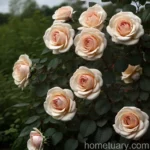
The Rosa ‘Joseph’s Coat’ is a mesmerizing climbing rose variety known for its kaleidoscopic display of colors. Each bloom showcases a blend of shades ranging from coral and pink to yellow and orange, creating a stunning visual impact. This vigorous climber can reach impressive heights, adorning fences, trellises, and walls with its captivating foliage and blooms.
Key Characteristics of Rosa ‘Joseph’s Coat’:
- Scientific Name: Rosa ‘Joseph’s Coat’
- Common Name: Climbing Rose
- Family: Rosaceae
- USDA Hardiness Zones: 5-9
- Mature Height: 8-12 feet
- Mature Spread: 4-6 feet
- Flower Color: Variegated tones of yellow, orange, pink, and coral
- Bloom Time: Late spring to early summer
- Foliage: Glossy, dark green leaves
- Fragrance: Mild, sweet fragrance
- Growth Habit: Vigorous climber
- Special Features: Multicolored blooms, vigorous growth
Now, let’s explore the various facets of cultivating and caring for this enchanting climbing rose.
Culture
Cultivating the Rosa ‘Joseph’s Coat’ necessitates an understanding of its cultural requirements, encompassing aspects such as water, sunlight, soil, and fertilizer. Each element plays a pivotal role in nurturing and maintaining the health and vibrancy of this stunning rose variety.
Uses
The Rosa ‘Joseph’s Coat’ serves various purposes in both residential and commercial landscapes, including:
- Vertical Accents: As a climbing rose, it provides vertical interest when trained on trellises, arbors, and pergolas.
- Privacy Screening: Effectively creates natural screens or barriers when grown against fences or walls.
- Cut Flower Production: Its vibrant and multicolored blooms make for stunning cut flower arrangements, adding a touch of elegance to indoor spaces.
- Aesthetic Appeal: Enhances the visual appeal of gardens, courtyards, and outdoor living spaces with its striking blooms.
Water
Proper watering is crucial for the health and vigor of the Rosa ‘Joseph’s Coat’. Here are some key pointers to consider:
- Watering Frequency: Deep, thorough watering once a week is generally sufficient, ensuring that the soil around the plant’s root zone is adequately moist.
- Avoid Overhead Watering: Direct water towards the base of the plant to prevent foliage diseases caused by excess moisture on the leaves.
- Mulching: Applying a layer of organic mulch around the base of the plant helps retain soil moisture and regulates temperature.
Sunlight
Ample sunlight is essential for the Rosa ‘Joseph’s Coat’ to thrive and produce abundant blooms. Here’s what you need to know about its sunlight requirements:
- Optimal Sun Exposure: Requires at least 6-8 hours of direct sunlight daily for prolific blooming.
- Morning Sun: Prefers exposure to morning sunlight, which aids in drying dew on the foliage and reduces the risk of fungal diseases.
- Partial Shade Tolerance: While it thrives in full sun, the plant can tolerate some afternoon shade, especially in regions with intense heat.
Fertilizer
Feeding the Rosa ‘Joseph’s Coat’ with the right nutrients ensures robust growth and bountiful blooms. Here’s a basic fertilizer regimen to follow:
- Balanced Fertilizer: Apply a balanced, slow-release fertilizer formulated for flowering plants in early spring, following the recommended application rates.
- Organic Amendments: Incorporate well-rotted compost or organic matter into the soil annually to enrich the soil structure and nourish the plant.
- Avoid Overfeeding: Refrain from excessive fertilization, as it can lead to lush foliage at the expense of bloom production.
Soil
The soil composition greatly influences the overall health and performance of the Rosa ‘Joseph’s Coat’. Consider the following soil-related aspects:
- Well-Draining Soil: Thrives in moderately fertile, well-draining soil with a slightly acidic to neutral pH (6.0-7.0).
- Soil Amendments: Amending heavy clay soils with organic matter improves drainage, while adding perlite or coarse sand to dense soils enhances aeration.
- Container Cultivation: For container-grown roses, utilize a high-quality potting mix specifically formulated for roses to ensure adequate drainage and nutrient retention.
Pruning
Pruning is a crucial aspect of rose care, serving to maintain plant health, shape the growth, and promote prolific flowering. The Rosa ‘Joseph’s Coat’ benefits from regular pruning performed with precision and care.
Timing
Understanding the appropriate timing for pruning is essential for the Rosa ‘Joseph’s Coat’ to thrive:
- Early Spring Pruning: Perform initial pruning in early spring before new growth emerges, removing dead, damaged, or crossing branches.
- Deadheading Blooms: Deadhead spent blooms regularly to encourage continuous flowering and prevent seed production, redirecting the plant’s energy towards new growth and blooms.
- Climbing Canes: Prune and train climbing canes to encourage lateral growth and a fuller appearance, typically during the dormant season or early spring.
Techniques
Utilize the following pruning techniques to maintain the Rosa ‘Joseph’s Coat’ in optimal condition:
- Sterilized Tools: Always use sharp, sterilized pruning shears to make clean cuts and minimize the risk of introducing diseases.
- Angle of Cuts: Make angled cuts just above a healthy outward-facing bud or leaf node, promoting outward growth and improving airflow within the plant.
- Thinning Interior Growth: Remove congested or inward-growing canes to open up the center of the plant, enhancing air circulation and light penetration.
Propagation
Propagating the Rosa ‘Joseph’s Coat’ involves various methods, such as stem cuttings, layering, and grafting, allowing for the expansion of your rose collection or sharing the beauty of this cultivar with others.
Stem Cuttings
- Timing: Collect semi-hardwood stem cuttings in late spring or early summer, choosing healthy, disease-free branches for propagation.
- Rooting Medium: Dip the base of the cuttings in rooting hormone and plant them in a well-draining, sterile rooting medium, maintaining consistent moisture and warmth for successful rooting.
- Transplanting: Once rooted, transplant the new rose plants into individual containers and care for them until they establish strong root systems.
Container Popularity
The Rosa ‘Joseph’s Coat’ is well-suited for cultivation in containers, offering versatility and aesthetic appeal in various settings, such as patios, balconies, and terraces.
Container Selection
Choosing the right container is pivotal for the successful growth of roses in a confined space:
- Size and Depth: Select a large, sturdy container with a depth of at least 18-24 inches to accommodate the rose’s root system and provide stability for climbing canes.
- Drainage Holes: Ensure that the container has adequate drainage holes to prevent waterlogging and root rot, promoting healthy root development.
- Material: Opt for containers made of durable materials such as ceramic, fiberglass, or wood, balancing aesthetics with functionality.
Soil Mix
Utilize a high-quality, well-draining potting mix suitable for roses when cultivating the Rosa ‘Joseph’s Coat’ in containers:
- Aeration and Drainage: Choose a potting mix with perlite, vermiculite, or coarse sand to enhance aeration and drainage, preventing water accumulation at the root zone.
- Nutrient Content: Select a mix enriched with organic matter and slow-release fertilizers to provide essential nutrients for sustained growth and flowering.
- pH Considerations: Ensure that the potting mix has a slightly acidic to neutral pH (6.0-7.0), creating an optimal environment for root health and nutrient uptake.
Maintenance
Caring for container-grown roses involves regular maintenance to ensure their well-being and vigor:
- Watering: Monitor soil moisture and perform regular watering, ensuring that the soil is moist but not waterlogged.
- Fertilization: Apply a balanced, water-soluble fertilizer specifically formulated for container plants according to the manufacturer’s instructions.
- Pruning and Training: Conduct routine pruning and training of climbing canes to maintain an attractive form and promote blooming.
Common Diseases
Despite their allure, roses are susceptible to various diseases, requiring vigilant care and preventive measures to mitigate potential issues.
Disease Diagnosis
Recognizing common rose diseases and their symptoms is pivotal for timely intervention and management:
- Powdery Mildew: Manifests as a powdery, white coating on the foliage, often resulting from humid conditions and poor air circulation.
- Black Spot: Characterized by dark, circular spots on the leaves, causing premature defoliation and weakening the plant’s vigor.
- Botrytis Blight: Leads to the development of moldy, brown lesions on flowers and buds, particularly in damp or humid conditions.
- Rust: Presents as orange or rust-colored pustules on the undersides of leaves, potentially causing leaf distortion and reduced photosynthetic efficiency.
Disease Prevention
Implementing preventive measures can help safeguard the Rosa ‘Joseph’s Coat’ from common fungal diseases:
- Proper Air Circulation: Prune the plant to maintain an open, airy structure, allowing for better air circulation and reducing the risk of fungal infections.
- Fungal Treatments: Apply preventive fungicidal sprays or neem oil-based treatments as a proactive measure against common fungal diseases during the growing season.
- Cleanliness: Remove and dispose of any fallen leaves or debris around the plant to minimize the potential for disease spread and reinfection.
Common Pests
In addition to diseases, roses can fall prey to various pests that can diminish their vigor and aesthetic appeal. Identifying and managing these pests is vital for preserving the health of the Rosa ‘Joseph’s Coat’.
Pest Identification
Watch for signs of these common pests that may affect climbing roses:
- Aphids: Small, sap-sucking insects that cluster on tender new growth, causing distortion and stunted growth.
- Japanese Beetles: Notorious for skeletonizing leaves and causing significant damage to the foliage and flowers.
- Spider Mites: Tiny, web-spinning pests that thrive in hot, dry conditions, leading to stippled, discolored leaves and reduced plant vigor.
- Rose Chafers: Feeds on flower petals and foliage, potentially leading to defoliation and reduced flower quality.
Pest Management
Employ integrated pest management (IPM) practices to mitigate pest infestations effectively:
- Beneficial Insects: Encourage the presence of predatory insects such as ladybugs and lacewings, which feed on aphids and other soft-bodied pests.
- Horticultural Oils: Apply horticultural oils to suffocate and suppress pest populations while minimizing the impact on beneficial insects and pollinators.
- Natural Predators: Introduce nematodes or predatory mites to combat soil-dwelling pests such as rose chafers and spider mites in an eco-friendly manner.
Botanist’s Tips
Enrich your understanding of the Rosa ‘Joseph’s Coat’ with these insightful botanist’s tips for successful cultivation and care:
- Companion Planting: Pair the climbing rose with companion plants that complement its growth habits and aesthetic qualities, such as clematis, delphiniums, or flowering vines.
- Support Systems: Install sturdy trellises, arbors, or support structures to guide and showcase the climbing nature of the Rosa ‘Joseph’s Coat’ while adding architectural interest to the landscape.
- Winter Protection: Provide winter protection by mulching the base of the plant, wrapping the canes with burlap, and sheltering the plant from harsh winds to mitigate cold damage.
Fun Facts
Uncover intriguing and fascinating details about the Rosa ‘Joseph’s Coat’ with these captivating fun facts:
- The kaleidoscopic blooms of the Rosa ‘Joseph’s Coat’ are often likened to a living sunset, evoking an enchanting sense of wonder and beauty.
- The climbing rose’s unique coloration is attributed to a natural mutation that resulted in the captivating blend of coral, pink, yellow, and orange hues.
- With proper care and a conducive environment, the Rosa ‘Joseph’s Coat’ can live for decades, gracing gardens with its timeless elegance and charm.
Links to External Resources
Embark on further exploration and discovery with the following external resources:
- American Rose Society: Access a wealth of information on rose cultivation, care, and the diverse array of rose varieties, including the Rosa ‘Joseph’s Coat’.
- Royal Horticultural Society – Climbing Roses: Delve into the world of climbing roses with expert insights and guidance from the Royal Horticultural Society.
- University of California Integrated Pest Management: Gain valuable knowledge on managing pests and diseases affecting roses, including valuable insights for the Rosa ‘Joseph’s Coat’.
In conclusion, the Rosa ‘Joseph’s Coat’ stands as a captivating and vibrant addition to any garden or landscape, offering a symphony of colors and a touch of romance. By understanding its cultural requirements, implementing proper care practices, and seeking inspiration from botanical experts, enthusiasts can foster the health and beauty of this exquisite climbing rose. With its awe-inspiring blooms and enchanting allure, the Rosa ‘Joseph’s Coat’ continues to captivate and inspire the hearts of gardening enthusiasts and nature lovers worldwide.
Remember, the kaleidoscope of nature’s beauty awaits in the Rosa ‘Joseph’s Coat’—a testament to the splendor of the botanical world.