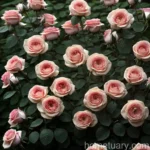
The Beautiful Rosa Hyde Hall (English Rose): A Comprehensive Guide
Rosa Hyde Hall, also known as the English Rose, is a stunning and iconic flowering plant that has captured the hearts of gardeners and flower enthusiasts all over the world. Its exquisite beauty, captivating fragrance, and versatility make it a popular choice for gardens, landscapes, and even container gardening. In this comprehensive guide, we will delve into the world of Rosa Hyde Hall and explore everything there is to know about caring for and growing this beloved English Rose.
What is Rosa Hyde Hall?
Rosa Hyde Hall, a member of the English Rose family, is a hybrid rose bred by David Austin. David Austin Roses is a renowned English rose breeder known for creating exceptional new rose varieties by combining the charm and fragrance of old roses with the wide color range and repeat-flowering characteristics of modern roses. Rosa Hyde Hall is a tribute to the picturesque Hyde Hall Garden in Essex, England. It offers a perfect blend of classic beauty, intoxicating fragrance, and exceptional performance in various growing conditions.
This exquisite floribunda rose showcases large, fully double, deeply cupped blooms with an enchanting light pink color. The flowers exude a delightful, classic old rose fragrance, adding an extra layer of enchantment to any garden or landscape. Its rich, green foliage provides an elegant backdrop for the abundance of blooms it produces throughout the flowering season.
Key Takeaways – Rosa Hyde Hall (English Rose)
Before we delve into the specifics of caring for Rosa Hyde Hall, let’s summarize some key takeaways about this captivating English Rose:
- Name: Rosa Hyde Hall (English Rose)
- Type: Floribunda Rose
- Color: Light Pink
- Fragrance: Classic Old Rose Fragrance
- Breeder: David Austin
- Flowering: Repeat-flowering
- Foliage: Rich, Green
- Growing Conditions: Suitable for gardens, landscapes, and container gardening
Now that we have a basic understanding of what Rosa Hyde Hall is, let’s explore in detail how to care for and cultivate this beautiful English Rose.
Culture
Uses
Rosa Hyde Hall is a versatile plant that can be used in various ways to enhance the beauty of outdoor spaces. Some common uses of this enchanting English Rose include:
- Gardens: Ideal for creating stunning rose gardens, cottage gardens, or mixed flower borders.
- Landscapes: Adds a touch of elegance and fragrance to landscapes, whether in formal or informal settings.
- Container Gardening: Perfect for growing in containers on patios, balconies, or terraces, bringing the beauty of roses to small spaces.
Water
Proper watering is essential for the health and vigor of Rosa Hyde Hall. While it is essential to ensure an adequate supply of water, it is equally important to avoid waterlogging the roots. Here are some guidelines for watering this English Rose:
- Frequency: Water deeply and thoroughly, providing around 1-2 inches of water per week during the growing season.
- Morning Watering: Water in the morning to allow the foliage to dry during the day, reducing the risk of fungal diseases.
- Avoid Overhead Watering: Minimize overhead watering to prevent the flowers and foliage from getting wet, as this can lead to disease issues.
Sunlight
Rosa Hyde Hall thrives in sunlight and requires adequate sun exposure to produce abundant blooms and maintain healthy growth. When selecting a planting location, consider the following sunlight requirements:
- Full Sun: Ideally, the plant should receive at least 6-8 hours of direct sunlight daily for optimal flower production and overall vigor.
- Partial Shade: While the plant prefers full sun, it can tolerate partial shade, especially in regions with intense summer heat.
Fertilizer
Feeding Rosa Hyde Hall with the right nutrients is vital for promoting vigorous growth, abundant blooming, and overall plant health. When it comes to fertilizing this English Rose, consider the following recommendations:
- Balanced Fertilizer: Use a balanced, slow-release fertilizer specially formulated for roses to promote steady growth and continuous blooming.
- Application: Apply fertilizer in early spring as new growth begins and again in early summer to support the development of new flower buds.
- Avoid Overfeeding: Refrain from overfertilizing, as excessive nitrogen can lead to lush foliage at the expense of blooming.
Soil
The soil quality and composition play a significant role in the overall health and vitality of Rosa Hyde Hall. Ensuring the right soil conditions will contribute to the plant’s success. Here are some essential soil considerations for this English Rose:
- Well-draining Soil: Plant Rosa Hyde Hall in well-draining, loamy soil to prevent waterlogged conditions that can lead to root rot.
- Soil pH: Aim for a slightly acidic to neutral soil pH ranging between 6.0 and 7.0 for optimal nutrient absorption.
- Soil Amendments: Incorporate organic matter such as compost or well-rotted manure into the soil to improve its structure and fertility.
Pruning
Pruning is a vital aspect of rose care that helps maintain plant health, shape the bush, and promote robust flowering. Proper pruning of Rosa Hyde Hall will ensure a well-balanced and vigorous plant. Here are some essential pruning tips for this enchanting English Rose:
- Timing: Prune in late winter or early spring before new growth begins, removing dead, damaged, and weak stems.
- Deadheading: Regularly remove spent blooms to encourage the plant to produce new flowers and maintain a tidy appearance.
- Shape and Size: Prune to shape the bush, encourage outward growth, and maintain an open center to improve air circulation.
Propagation
Propagating Rosa Hyde Hall allows you to expand your rose collection or share this stunning variety with fellow gardening enthusiasts. While there are different methods of propagation, such as cuttings and layering, let’s focus on propagating English Roses through cuttings. Here’s an outline of the propagation process:
- Selecting Cuttings: Choose healthy, non-flowering stems and take 6-8 inch cuttings with at least two sets of leaves.
- Preparing Cuttings: Remove the lower leaves and dip the cut ends in a rooting hormone to promote the development of roots.
- Planting Cuttings: Insert the cuttings into a well-draining growing medium, ensure consistent moisture, and provide indirect light and warmth for root development.
- Transplanting: Once the cuttings have developed roots, carefully transplant them into individual containers or a suitable garden bed.
Container Popularity
The versatility of Rosa Hyde Hall makes it a popular choice for container gardening, allowing gardeners to enjoy the beauty and fragrance of this English Rose in various outdoor settings. Here are some reasons why Rosa Hyde Hall is a sought-after choice for container planting:
- Space Savings: Ideal for small gardens, balconies, and patios, as it doesn’t require a large planting area.
- Aesthetics: Adds a touch of elegance to outdoor spaces, whether planted alone or combined with other compatible plants.
- Mobility: Provides the flexibility to move the plant to different locations, depending on sunlight and weather conditions.
Common Diseases
While Rosa Hyde Hall is relatively resistant to many common rose diseases, it is essential to remain vigilant against potential issues to maintain the plant’s health and vitality. Some of the common diseases that can affect English Roses, including Rosa Hyde Hall, are:
- Powdery Mildew: A fungal disease that appears as a white powdery coating on the leaves, often caused by humid conditions.
- Black Spot: Characterized by black spots on the foliage, often caused by splashing water and high humidity.
- Botrytis Blight: A grey mold that affects flower buds and blooms, favored by prolonged wet and cool conditions.
- Rust: Shows as orange-brown pustules on the undersides of leaves and can lead to premature leaf drop.
Disease diagnosis
When diagnosing potential diseases on Rosa Hyde Hall, carefully inspect the plant for any signs of discoloration, spotting, or unusual growth. It’s important to identify the specific symptoms and match them with common rose diseases to determine the appropriate course of action. Here are some common methods for disease diagnosis:
- Visual Inspection: Examine the foliage, stems, and blooms for any signs of abnormal growth, discoloration, or spots.
- Research: Use reliable resources or consult with local gardening experts to identify common diseases prevalent in your area.
- Laboratory Testing: In severe cases, consider sending samples to a diagnostic laboratory for accurate disease identification and treatment recommendations.
Common Pests
Despite being relatively resistant to pests, Rosa Hyde Hall may occasionally encounter some unwelcome visitors. Keeping an eye out for common pests and taking appropriate measures will help protect the plant from potential damage. Some common pests that may affect English Roses include:
- Aphids: Small, sap-sucking insects that can cause distorted growth and transmit viral diseases.
- Thrips: Tiny, slender insects that feed on flower buds and foliage, causing silvery or bronze discoloration.
- Spider Mites: Microscopic pests that feed on plant juices, leading to stippled, discolored leaves.
- Rose Chafers: Beetles that feed on flower petals and foliage, resulting in unsightly damage.
Botanist’s tips
As a plant scientist or botanist, it’s crucial to provide expert advice and insights to guide gardeners in successfully caring for Rosa Hyde Hall. Here are some botanical tips to share with enthusiasts growing this enchanting English Rose:
- Regular Monitoring: Encourage gardeners to regularly monitor their roses for early signs of pests, diseases, or nutrient deficiencies.
- Soil Testing: Recommend soil testing to assess nutrient levels and pH, allowing for tailored fertilization and soil amendment.
- Cultural Practices: Emphasize the importance of proper watering, sunlight exposure, and pruning to maintain healthy and resilient plants.
Fun facts
Rosa Hyde Hall (English Rose) has a rich history and a few fascinating facts that add to its allure. Here are some fun facts about this beloved rose variety:
- Named after Hyde Hall: The rose is named after the picturesque Hyde Hall Garden in Essex, England, a stunning backdrop for floral inspiration.
- Classic Fragrance: Its captivating fragrance evokes the nostalgic scent of traditional old roses, creating a sensory delight in the garden.
- Bloom Abundance: Rosa Hyde Hall produces an abundance of blooms throughout the flowering season, providing a continuous display of beauty.
Links to External Resources
For further exploration and detailed information on Rosa Hyde Hall (English Rose), here are some valuable external resources and references:
- Royal Horticultural Society (RHS) – Growing Roses
- David Austin Roses – Planting and Care Advice
- University of California – Integrated Pest Management for Roses
- American Rose Society – Rose Care Resources
In conclusion, the timeless elegance, irresistible fragrance, and remarkable adaptability of Rosa Hyde Hall (English Rose) make it an exceptional choice for gardeners and rose enthusiasts alike. By understanding its specific care requirements, from watering and sunlight exposure to pruning and disease prevention, gardeners can cultivate and enjoy the unparalleled beauty of this enchanting English Rose in their outdoor spaces.
Remember, the journey of caring for Rosa Hyde Hall is not just about nurturing a plant but also about experiencing the timeless allure and sensory pleasures that come with cultivating this remarkable English Rose. Happy gardening!
As illustrated in the comprehensive guide, Rosa Hyde Hall (English Rose) is a captivating and resilient plant that offers an enchanting addition to gardens, landscapes, and container settings. From its delicate light pink blooms to its classic old rose fragrance, this iconic English Rose is a testament to the timeless beauty of roses. Whether you are a seasoned gardener or a novice enthusiast, understanding the care and cultivation of Rosa Hyde Hall will empower you to create a stunning and fragrant haven in your outdoor space. So, roll up your sleeves, gather your gardening tools, and embark on a journey to nurture and cherish the exquisite Rosa Hyde Hall in your own piece of green paradise.