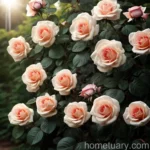
Rosa gymnocarpa (Dwarf Rose): A Complete Guide for Plant Enthusiasts
Roses are undoubtedly one of the most iconic and beloved flowers in the world. Their elegance, beauty, and fragrance have captured the hearts and imaginations of people for centuries. Among the numerous rose species, Rosa gymnocarpa, also known as the Dwarf Rose, holds a special place due to its unique characteristics and versatility. In this comprehensive guide, we’ll delve into the diverse aspects of Rosa gymnocarpa, covering everything from its cultural requirements and uses to its propagation, diseases, and interesting facts. Whether you are a seasoned gardener or a budding plant enthusiast, this article will provide valuable insights into the world of Rosa gymnocarpa and how to care for this captivating plant.
What is Rosa gymnocarpa (Dwarf Rose)?
Rosa gymnocarpa is a charming species of rose that belongs to the Rosaceae family. It is native to western North America, particularly in regions like California and Oregon. As its common name suggests, the Dwarf Rose typically exhibits compact growth, making it an excellent choice for small gardens, containers, or as an attractive ground cover. This beautiful plant is characterized by its delicate pink or white flowers and its ability to thrive in a variety of climates.
Key Takeaways – Rosa gymnocarpa (Dwarf Rose)
Before we delve into the details, here are some key takeaways about Rosa gymnocarpa:
- Plant Type: Perennial flowering shrub
- Mature Height: Typically grows to a height of 1-3 feet
- Blooming Season: Spring to early summer
- USDA Hardiness Zones: 5-9
- Watering: Regular watering, especially during dry periods
- Sunlight: Full sun to partial shade
- Soil: Well-draining, fertile soil
- Uses: Borders, containers, ground cover, and rock gardens
Now, let’s explore the various aspects of growing and caring for Rosa gymnocarpa.
Culture
The culture of Rosa gymnocarpa encompasses its preferred growing conditions, seasonal care requirements, and overall maintenance to ensure healthy and vigorous growth.
Uses
The versatile nature of Rosa gymnocarpa makes it suitable for a range of uses in garden and landscape settings:
- Borders: Plant Rosa gymnocarpa along garden borders for a stunning display of delicate flowers and lush foliage.
- Containers: Its compact size and attractive blooms make Rosa gymnocarpa an excellent choice for container gardening on patios, balconies, or other outdoor spaces.
- Ground Cover: Use Rosa gymnocarpa to create a visually appealing ground cover that provides color and texture to the landscape.
- Rock Gardens: The low-growing and spreading habit of Rosa gymnocarpa makes it well-suited for rock gardens, where it can cascade gracefully over stones and other features.
Water
Proper watering is essential for the health and vitality of Rosa gymnocarpa. While it demonstrates good drought tolerance once established, consistent moisture is crucial, particularly during periods of active growth and flowering.
- Watering Frequency: Water deeply and thoroughly, ensuring that the soil is evenly moist but not waterlogged. During hot and dry periods, increase watering to prevent the soil from drying out excessively.
- Avoid Overhead Watering: To minimize the risk of foliar diseases, water the plant at the base or using a soaker hose to deliver water directly to the root zone.
- Mulching: Apply a layer of organic mulch around the base of the plant to help retain soil moisture and suppress weed growth.
Sunlight
The sunlight requirements of Rosa gymnocarpa play a significant role in its overall health and blooming potential.
- Full Sun: Rosa gymnocarpa thrives in full sunlight, receiving at least 6-8 hours of direct sun daily. This exposure promotes abundant flowering and lush, compact growth.
- Partial Shade: While it prefers full sun, Rosa gymnocarpa can also tolerate partial shade, especially in regions with intense heat or during the hottest part of the day.
- Optimal Placement: Choose a location with ample sunlight and good air circulation to support the plant’s growth and flowering.
Fertilizer
Applying the right type and amount of fertilizer is essential for promoting healthy growth and prolific flowering in Rosa gymnocarpa.
- Fertilizer Type: Use a balanced, slow-release fertilizer with a higher phosphorus content to encourage blooming. Alternatively, choose a specialized rose fertilizer formulated to meet the plant’s nutritional needs.
- Application Schedule: Begin fertilizing in early spring as new growth emerges, and repeat every 4-6 weeks during the growing season.
- Avoid Excessive Nitrogen: While nitrogen is essential for vegetative growth, excessive nitrogen can lead to a reduction in flowering and overall plant health. Choose a fertilizer with a lower nitrogen content to prevent this issue.
Soil
The quality and composition of the soil significantly influence the growth, development, and overall performance of Rosa gymnocarpa.
- Well-Draining Soil: Rosa gymnocarpa thrives in well-draining soil that prevents water from pooling around the roots. Amend heavy or compacted soil with organic matter such as compost, peat moss, or aged manure to improve drainage.
- pH Level: Ideally, the soil pH should range from 6.0 to 6.5, which is slightly acidic to neutral. Conduct a soil test to determine the pH and make necessary adjustments using lime to raise the pH or elemental sulfur to lower it.
- Soil Moisture: While Rosa gymnocarpa requires consistent moisture, it is crucial to avoid waterlogged conditions that can lead to root rot and other moisture-related issues.
Pruning
Proper pruning plays a pivotal role in shaping the growth, promoting flowering, and rejuvenating Rosa gymnocarpa plants.
- Pruning Time: The best time for pruning Rosa gymnocarpa is in late winter or early spring before new growth begins. During this dormant period, prune out any dead, diseased, or crossing branches to improve air circulation and overall plant structure.
- Deadheading: Remove spent flowers regularly to encourage the production of new blooms and prevent the plant from directing its energy into seed production.
- Size Control: Use pruning to shape the plant, control its size, and remove any unwanted growth. Aim to maintain a balanced and open center to enhance air circulation and light penetration.
Propagation
Propagation allows plant enthusiasts to expand their collection of Rosa gymnocarpa and share the beauty of this species with others.
- Propagation Methods: Rosa gymnocarpa can be propagated through several methods, including stem cuttings, layering, and division. Each technique offers distinct advantages and can be employed based on the preferences and expertise of the gardener.
- Timing: The ideal time for propagating Rosa gymnocarpa is in early spring when the plant is actively growing and has sufficient energy reserves to support the development of new roots.
- Rooting Hormone: When using stem cuttings for propagation, consider applying a rooting hormone to expedite the rooting process and improve the success rate of propagation.
Container Popularity
The compact size, attractive blooms, and adaptability of Rosa gymnocarpa make it a popular choice for container gardening.
- Container Selection: Choose a spacious container with adequate drainage holes to ensure proper drainage and prevent waterlogging. Opt for a lightweight and durable material such as resin, fiberglass, or quality plastic.
- Soil Medium: Use a well-draining potting mix formulated for roses or flowering plants. Amend the mix with perlite or coarse sand to enhance drainage and aeration.
- Placement: Position the container in a location that receives ample sunlight and provides sufficient space for the plant to spread and flourish.
- Regular Maintenance: Container-grown Rosa gymnocarpa may require more frequent watering and fertilization compared to plants in the ground. Monitor the soil moisture and nutrient levels regularly to support the plant’s health and vigor.
Container Common Diseases
Despite its resilience, Rosa gymnocarpa is susceptible to certain diseases that can affect its growth and appearance.
Disease Diagnosis
- Powdery Mildew: This fungal disease is characterized by a powdery white coating on the leaves and stems. It thrives in humid and poorly ventilated conditions, often developing during periods of high humidity or inadequate air circulation.
- Black Spot: Black spot is a common fungal disease that causes dark spots to form on the leaves, eventually leading to defoliation if left untreated. It tends to occur in warm, humid weather and can severely impact the plant’s overall health.
- Botrytis Blight: Also known as gray mold, botrytis blight can affect the flowers and foliage of Rosa gymnocarpa. It manifests as brown spots or moldy growth and is favored by prolonged periods of wet weather and poor air circulation.
Common Pests
Various pests may pose a threat to the health and well-being of Rosa gymnocarpa, requiring prompt intervention to mitigate their impact.
- Aphids: These small, soft-bodied insects feed on the sap of the plant, often clustering on the tender new growth and flower buds. They can cause deformities in the leaves and transmit viral diseases to the plant.
- Spider Mites: Spider mites are minuscule pests that feed on the undersides of the leaves, causing stippling, discoloration, and weakening of the plant. Hot and dry conditions can promote the rapid reproduction of spider mites, necessitating proactive control measures.
- Japanese Beetles: These voracious pests can inflict significant damage to Rosa gymnocarpa by consuming the foliage and flowers. They tend to be most active during the warm summer months and are highly attracted to roses.
Botanist’s Tips
As a plant scientist and enthusiast, here are some valuable tips to enhance the care and cultivation of Rosa gymnocarpa:
- Regular Inspection: Routinely inspect the plant for signs of disease, pests, or any cultural issues. Early detection allows for prompt intervention and minimizes the impact on the plant’s health.
- Beneficial Insects: Encourage the presence of beneficial insects such as ladybugs, lacewings, and predatory mites, as they can help naturally control pest populations and maintain a healthy balance in the garden.
- Proper Air Circulation: Ensure adequate spacing between Rosa gymnocarpa plants and other garden features to promote optimal air circulation, which reduces the risk of fungal diseases and enhances overall plant vigor.
Fun Facts
Discover some intriguing and fascinating facts about Rosa gymnocarpa:
- The species name “gymnocarpa” is derived from the Greek words “gymnos,” meaning naked, and “carpos,” meaning fruit, referring to the exposed fruits of the plant.
- Rosa gymnocarpa is a valuable wildlife plant, attracting pollinators such as bees and butterflies with its nectar-rich flowers and providing shelter and cover for smaller creatures.
- In Native American cultures, various parts of Rosa gymnocarpa were used for medicinal and culinary purposes. For example, the petals were utilized to make herbal teas, and the hips were consumed for their high vitamin C content.
Links to External Resources
Explore the following links for additional insights and resources on Rosa gymnocarpa:
- American Rose Society
- Royal Horticultural Society – Growing Roses
- University of California Cooperative Extension – Roses in the Garden
In conclusion, Rosa gymnocarpa is a captivating plant that offers an array of ornamental and practical benefits. By understanding its unique cultural requirements, propagation methods, and potential challenges, plant enthusiasts can cultivate and enjoy the beauty of this remarkable species. Whether adorning garden borders, gracing containers, or serving as a delightful ground cover, Rosa gymnocarpa has undoubtedly earned its place as a cherished addition to diverse landscapes and gardens.
The information provided in this comprehensive guide aims to equip plant enthusiasts with valuable insights and practical tips for successfully growing and caring for Rosa gymnocarpa. From cultural practices and disease management to the intriguing aspects of this species, this guide serves as an invaluable resource for those seeking to enhance their knowledge and appreciation of Rosa gymnocarpa.
Note: This blog post is meant for informational purposes and does not substitute professional plant care advice. Always consult with local horticultural experts and extension services for guidance tailored to specific growing conditions and plant care needs.