Rosa ‘Cornelia’ (Hybrid Musk Rose)
Rosa ‘Cornelia’ is a beautiful hybrid musk rose that has captured the hearts of many gardeners around the world. Known for its delicate blooms and.
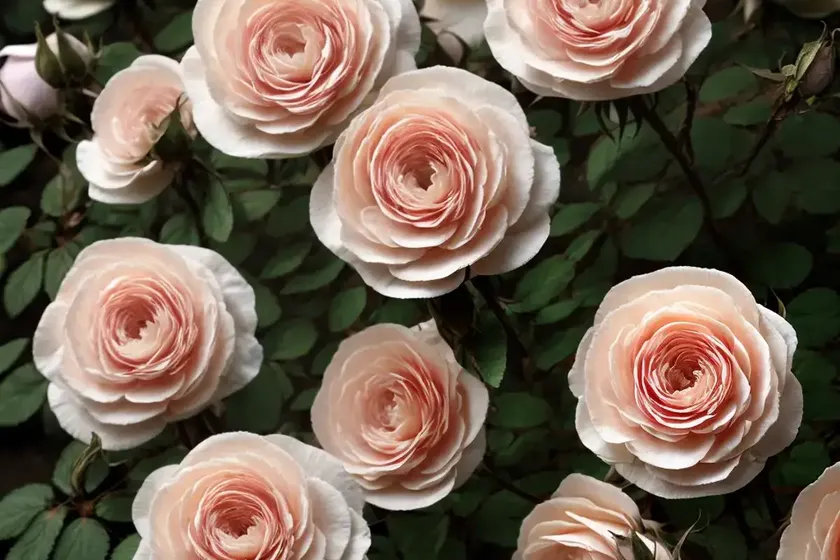
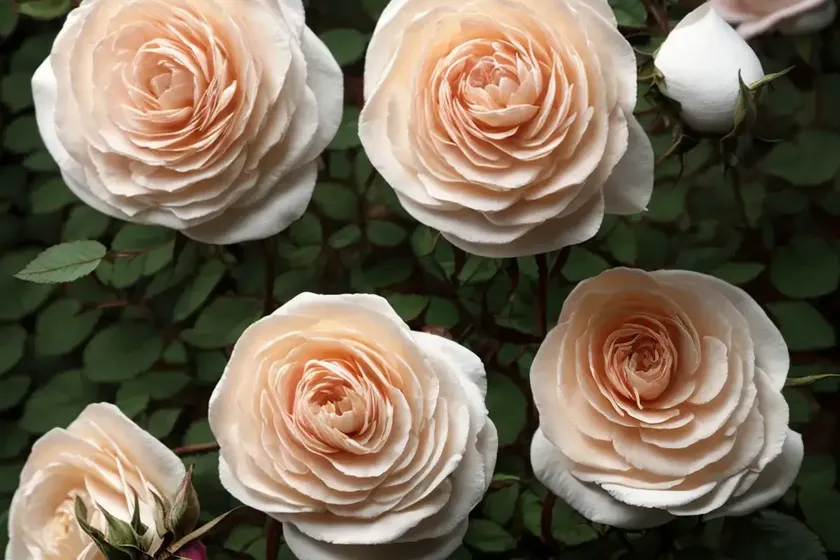
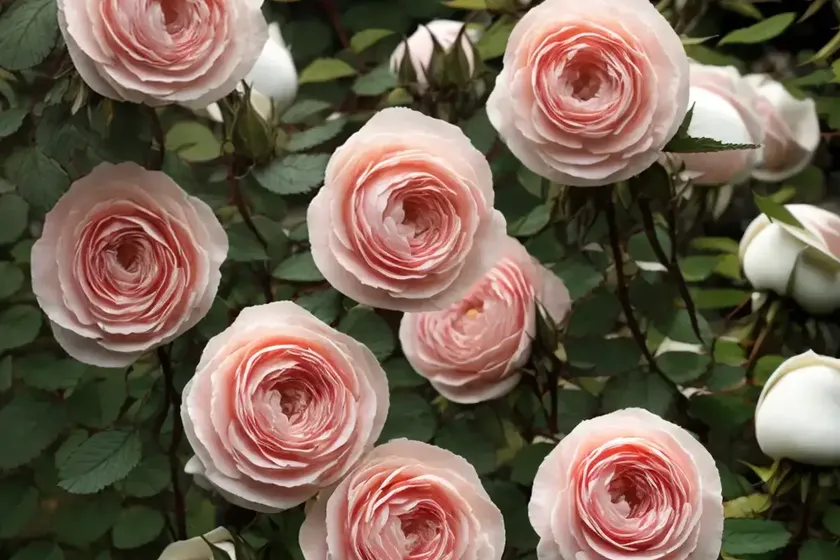
Rosa ‘Cornelia’ is a beautiful hybrid musk rose that has captured the hearts of many gardeners around the world. Known for its delicate blooms and captivating fragrance, this rose variety holds a special place in the world of horticulture. In this comprehensive guide, we will delve into the various aspects of caring for Rosa ‘Cornelia’, including its culture, uses, watering needs, sunlight requirements, fertilizer application, soil preferences, pruning techniques, propagation methods, container gardening, common diseases, pest control, and much more. Whether you are a seasoned gardener or a novice enthusiast, this guide will equip you with the knowledge and tools needed to nurture and appreciate the splendor of Rosa ‘Cornelia’ in your garden.
What is Rosa ‘Cornelia’ (Hybrid Musk Rose)?
Rosa ‘Cornelia’ is a member of the hybrid musk rose family, a group of roses celebrated for their hardiness, disease resistance, and continuous blooming habit. This particular variety was introduced by renowned English breeder, Joseph Pemberton, in 1925. Its delicate, semi-double flowers are a soft shade of pink and emit a sweet, spicy fragrance that adds a touch of elegance to any garden. The foliage of Rosa ‘Cornelia’ is lush and attractive, making it an ideal choice for landscaping and ornamental purposes.
The growth habit of Rosa ‘Cornelia’ is vigorous yet graceful, with arching canes that bear clusters of blooms throughout the growing season. This rose variety is known for its resilience in various climatic conditions, making it a popular choice among gardeners in different regions.
Key Takeaways – Rosa ‘Cornelia’ (Hybrid Musk Rose)
Before we delve into the specifics of caring for Rosa ‘Cornelia’, let’s provide an overview of the key takeaways associated with this beautiful rose variety:
- Characteristics: Semi-double, pink flowers with a sweet, spicy fragrance; vigorous and resilient growth habit.
- Pruning Guide: Regular pruning to maintain shape and encourage continuous blooming.
- Planting Instructions: Well-draining soil, ample sunlight, and adequate spacing for optimal growth.
- Disease Resistance: Exhibits strong resistance to common rose diseases, making it relatively low-maintenance.
- Fragrance Profile: Sweet and spicy fragrance that adds an enchanting quality to the garden.
- Bloom Time: Continuously blooms throughout the growing season, providing an extended display of vibrant flowers.
- Soil Requirements: Well-draining, fertile soil with good moisture retention.
- Watering Needs: Regular watering, especially during dry periods, to keep the soil evenly moist.
- Sun Exposure: Thrives in full sunlight but can tolerate partial shade.
- Hardiness Zone: Suitable for a range of hardiness zones, making it adaptable to diverse climates.
- Companion Plants: Complements a variety of other flowers and shrubs, enhancing the overall beauty of the garden.
With these key takeaways in mind, let’s explore the various aspects of caring for Rosa ‘Cornelia’ in more detail.
Culture
Cultivating Rosa ‘Cornelia’ in your garden involves attention to several cultural practices that are essential for the overall health and vigour of the plant. By understanding the cultural needs of this hybrid musk rose, you can ensure that it thrives and graces your garden with its mesmerizing blooms and fragrance.
Uses
Rosa ‘Cornelia’ has a multitude of uses in garden settings, often valued for its aesthetic appeal and versatile nature. Some common uses include:
- Ornamental Display: The beautiful blooms and captivating fragrance make Rosa ‘Cornelia’ an attractive choice for showcasing in garden beds, borders, and containers.
- Landscaping: Its graceful growth habit and continuous blooming make it a valuable addition to landscape designs, adding charm and elegance to the surroundings.
- Cut Flowers: The fragrant blooms are perfect for creating stunning floral arrangements that can enhance the ambiance of indoor spaces.
- Pollinator Support: The nectar-rich flowers of Rosa ‘Cornelia’ attract pollinators, making it a valuable component of wildlife-friendly gardens.
Water
Water is an essential element in the care and maintenance of Rosa ‘Cornelia’. Adequate and consistent watering is crucial to support the growth, flowering, and overall health of the plant. Here are some key considerations regarding watering:
- Regular Watering: Provide regular waterings, especially during dry periods, to keep the soil consistently moist but not waterlogged.
- Deep Watering: When watering, ensure that the water penetrates deeply into the soil to encourage the development of a robust root system.
- Mulching: Apply a layer of organic mulch around the base of the plant to help retain soil moisture and suppress weed growth.
Sunlight
Sunlight plays a pivotal role in the growth and blooming of Rosa ‘Cornelia’. Providing the appropriate sunlight conditions ensures that the plant thrives and produces an abundance of flowers. Consider the following sunlight requirements:
- Full Sun: Plant Rosa ‘Cornelia’ in a location that receives at least 6-8 hours of direct sunlight daily for optimal growth and blooming.
- Partial Shade: While it thrives in full sunlight, Rosa ‘Cornelia’ can tolerate partial shade, especially in regions with intense sun exposure.
- Morning Sun: In warmer climates, providing morning sunlight and some afternoon shade can protect the plant from excessive heat and sunburn.
Fertilizer
Applying the right fertilizer at the appropriate times can significantly enhance the growth and flowering performance of Rosa ‘Cornelia’. Here are some guidelines for fertilizing this hybrid musk rose:
- Balanced Fertilizer: Use a balanced, slow-release fertilizer formulated for roses and apply it in early spring as new growth begins.
- Organic Supplements: Incorporate organic amendments such as compost or well-rotted manure to enrich the soil and provide essential nutrients.
- Avoid Overfertilizing: Refrain from overfertilizing as excessive nitrogen can lead to lush foliage at the expense of flower production.
Soil
The soil in which Rosa ‘Cornelia’ is planted plays a critical role in supporting its growth and overall health. Understanding the soil preferences of this rose variety is essential for creating an environment in which it can thrive. Consider the following soil requirements:
- Well-Draining: Plant Rosa ‘Cornelia’ in well-draining soil to prevent waterlogging, which can lead to root rot and other issues.
- Fertile and Loamy: Opt for fertile, loamy soil with a good balance of organic matter to provide the necessary nutrients and aeration for the roots.
- pH Level: The ideal soil pH for Rosa ‘Cornelia’ ranges from slightly acidic to neutral (pH 6.0-7.0), ensuring nutrient availability and uptake.
Pruning
Pruning is an essential practice that helps maintain the shape, vigor, and flowering capacity of Rosa ‘Cornelia’. By employing proper pruning techniques, you can encourage continuous blooming and promote overall plant health. Here are some key considerations for pruning this hybrid musk rose:
- Spring Pruning: In early spring, prune out any dead, damaged, or crossing branches to promote air circulation and prevent disease.
- Deadheading: Remove spent blooms regularly to encourage the production of new flowers and prolong the blooming season.
- Renewal Pruning: Every few years, consider more drastic renewal pruning to remove older wood and stimulate new growth and rejuvenation of the plant.
Propagation
Propagating Rosa ‘Cornelia’ allows you to expand your collection of these beautiful roses or share them with other gardening enthusiasts. While propagation can be done through various methods, including cuttings and division, it’s essential to choose the most suitable approach for this particular rose variety. Consider the following techniques for propagating Rosa ‘Cornelia’:
- Softwood Cuttings: Take softwood cuttings from healthy, actively growing stems in late spring or early summer, and propagate them in a favorable rooting medium.
- Division: Divide mature clumps of Rosa ‘Cornelia’ by carefully separating the root ball into smaller sections, each containing roots and shoots, and replanting them in suitable locations.
Container Popularity
The popularity of container gardening has surged in recent years, and Rosa ‘Cornelia’ is no exception when it comes to thriving in containers. The versatility of growing this rose variety in pots and containers makes it accessible to a wide range of gardeners. Consider the following points regarding its popularity in container gardening:
- Space Constraints: Container gardening allows individuals with limited outdoor space to enjoy the beauty of Rosa ‘Cornelia’ on patios, balconies, and terraces.
- Mobility: Containers offer the advantage of mobility, enabling you to move the plants to more favorable locations based on sunlight and weather conditions.
- Aesthetic Appeal: The elegant blooms and lush foliage of Rosa ‘Cornelia’ make it a captivating centerpiece in container arrangements, adding charm to outdoor living spaces.
Container Common Diseases
While growing Rosa ‘Cornelia’ in containers offers numerous benefits, it’s essential to be aware of common diseases that can affect this rose variety in a confined environment. Understanding and proactively addressing these potential issues can help maintain the health and longevity of container-grown Rosa ‘Cornelia’. Some common diseases to watch out for include:
- Powdery Mildew: A fungal disease that manifests as a powdery white coating on the leaves and stems, leading to distorted growth and reduced vigour.
- Black Spot: This fungal disease causes black spots to form on the leaves, eventually leading to defoliation and weakening of the plant.
- Botrytis Blight: Also known as gray mold, this fungal infection can affect the flowers, causing them to become discolored and rot.
- Root Rot: Excessive moisture and poor drainage in containers can lead to root rot, resulting in wilting and decline of the plant.
Disease Diagnosis
Diagnosing and addressing diseases in Rosa ‘Cornelia’ is crucial for maintaining its health and resilience. Early detection and appropriate intervention can prevent the spread of diseases and minimize their impact on the plant. When observing symptoms of disease, consider the following steps for accurate diagnosis and effective treatment:
- Symptom Identification: Take note of any unusual changes in the foliage, stems, or flowers, such as spots, wilting, discoloration, or unusual growth.
- Cultural Conditions: Evaluate the cultural practices, including watering, fertilizing, and sunlight exposure, as suboptimal conditions can weaken the plant’s natural defences.
- Consultation: Seek advice from local horticulturists, extension services, or plant clinics to accurately identify the disease and determine the appropriate course of action.
Common Pests
Pests can pose a threat to the health and vitality of Rosa ‘Cornelia’, necessitating vigilant monitoring and prompt intervention to mitigate potential damage. Identifying and addressing common pests that affect this hybrid musk rose is key to preserving its beauty and vigour. Some common pests to watch for include:
- Aphids: These small, soft-bodied insects feed on plant sap and can congregate on the buds, leaves, and stems, causing distortion and stunted growth.
- Spider Mites: These minuscule pests can infest the undersides of leaves, spinning fine webs and causing stippling, yellowing, and premature leaf drop.
- Thrips: Thrips feed on the floral tissues, leading to silvery stippling and distortion of the flowers, affecting their aesthetic appeal.
- Japanese Beetles: These voracious feeders can skeletonize the foliage and damage the flowers, reducing the overall health and appearance of the plant.
Botanist’s Tips
Incorporating the insights and tips from experienced botanists can greatly enhance your success in caring for Rosa ‘Cornelia’. By following the guidance of experts in the field, you can cultivate and enjoy these beautiful roses to their fullest potential. Here are some valuable tips from botanists for growing and nurturing Rosa ‘Cornelia’ in your garden:
- Adequate Air Circulation: Ensure proper spacing and ventilation to promote air circulation, reducing the risk of fungal diseases and promoting overall plant health.
- Consistent Monitoring: Regularly inspect the plant for signs of pests, diseases, or nutrient deficiencies, taking proactive measures to address any issues promptly.
- Localized Watering: Direct watering at the base of the plant to minimize foliage wetting, which can contribute to disease development, especially in humid conditions.
Fun Facts
Here are some fascinating and lesser-known facts about Rosa ‘Cornelia’ that highlight its unique characteristics and contributions to the world of horticulture:
- Joseph Pemberton: Named after the renowned English breeder Joseph Pemberton, Rosa ‘Cornelia’ is part of his significant legacy in developing exceptional rose varieties.
- Hybrid Musk Group: Rosa ‘Cornelia’ belongs to the Hybrid Musk group of roses, celebrated for their vigour, disease resistance, and prolific blooming habit.
- Fragrance Classification: Its fragrance is often described as a blend of sweet, spicy, and floral notes, making it a delightful addition to fragrant gardens and bouquets.
Links to External Resources
For further in-depth information, guidance, and inspiration related to Rosa ‘Cornelia’ and its cultivation, consider exploring the following external resources:
- Royal Horticultural Society: Growing Roses
- American Rose Society
- Gardening Know How: Growing Roses
- University of California Integrated Pest Management Program – Roses
In conclusion, Rosa ‘Cornelia’ stands as a captivating and resilient rose variety that embodies the timeless allure of garden roses. By embracing the cultural practices, understanding its unique characteristics, and effectively addressing potential challenges, you can cultivate a flourishing and enchanting display of Rosa ‘Cornelia’ in your garden. With its captivating fragrance, continuous blooms, and graceful growth habit, this hybrid musk rose has earned its place as a cherished and esteemed member of the rose family. Whether you are a devoted rose enthusiast or a newcomer to the world of gardening, the beauty and charm of Rosa ‘Cornelia’ are sure to leave a lasting impression and bring joy to your outdoor spaces.


