Rosa, Rosa - Climbing Rose, Rosa - English Rose, Rosa - Shrub Rose
Rosa Golden Gate (Climbing Rose)
Rosa Golden Gate, a breathtakingly beautiful climbing rose variety, has captured the hearts of gardening enthusiasts around the world. As a hybrid tea.
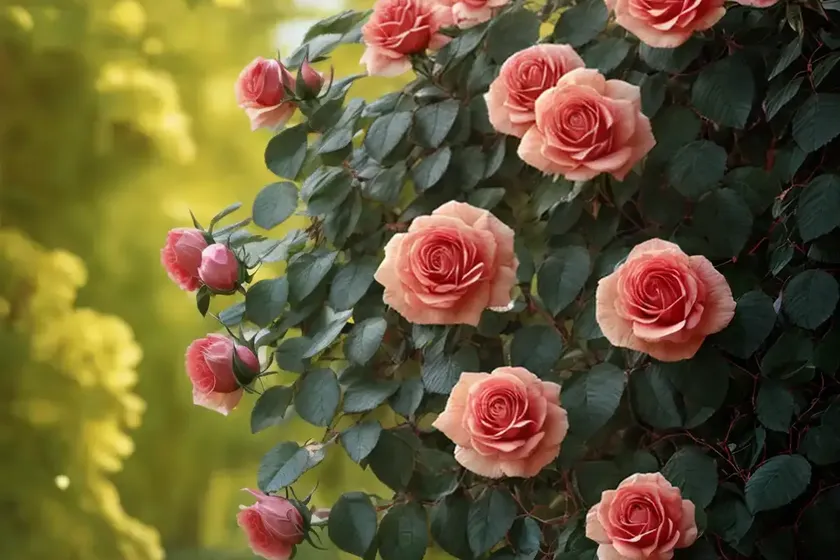
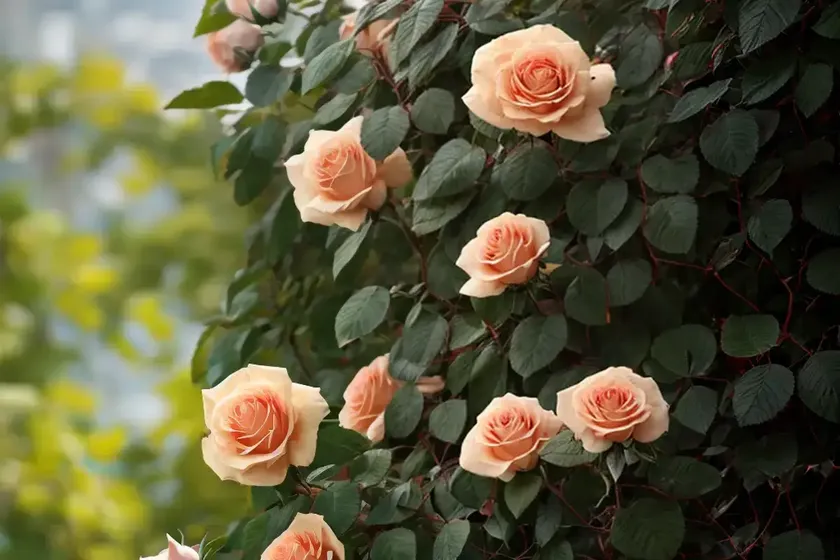
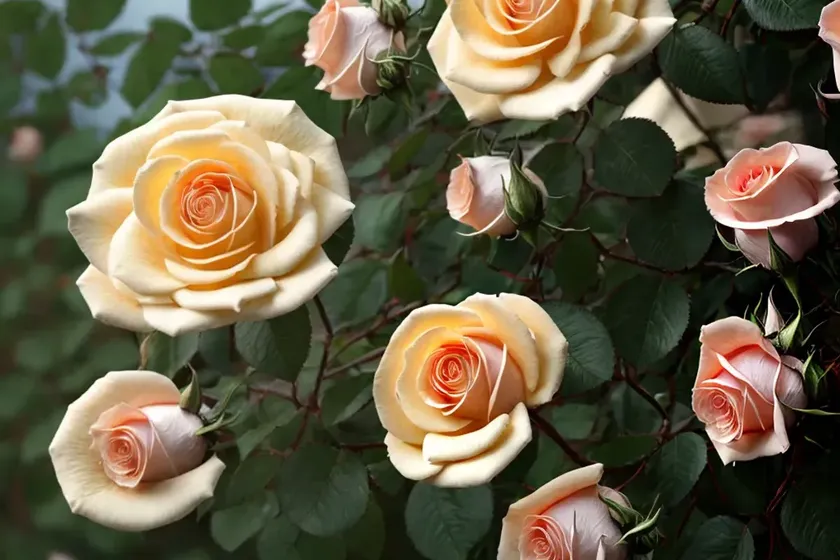
Rosa Golden Gate, a breathtakingly beautiful climbing rose variety, has captured the hearts of gardening enthusiasts around the world. As a hybrid tea climbing rose, it emerges as a delightful addition to any garden, offering vibrant colors, enticing fragrances, and captivating charm. In this comprehensive guide, we will delve into the world of Rosa Golden Gate, exploring its culture, uses, care requirements, and much more.
What is Rosa Golden Gate?
Rosa Golden Gate is a captivating climbing rose variety renowned for its striking beauty and exceptional climbing capabilities. This hybrid tea rose exhibits vigorous growth and showcases large, semi-double blooms characterized by a delightful blend of golden yellow and creamy apricot hues, exuding a sweet and spicy fragrance. Its impressive disease resistance, vigorous growth habit, and exquisite coloration make it a popular choice for gardeners seeking to elevate their outdoor spaces with a touch of elegance and sophistication.
Key Takeaways – Rosa Golden Gate (Climbing Rose)
Before we embark on a detailed exploration of Rosa Golden Gate, it’s essential to highlight some key takeaways that will guide our journey.
- Plant Name: Rosa Golden Gate (Climbing Rose)
- Scientific Name: Rosa ‘Golden Gate’
- Plant Type: Hybrid Tea Climbing Rose
- Blooms: Large, semi-double blooms with golden yellow and apricot hues
- Fragrance: Sweet and spicy aroma
- Growth Habit: Vigorous climbing habit
- Disease Resistance: Impressive disease resistance
- Uses: Garden focal points, trellises, arbors, containers, and more
Now that we have familiarized ourselves with the key attributes of Rosa Golden Gate, let’s delve into the fascinating world of this exquisite climbing rose.
Culture of Rosa Golden Gate
Understanding the cultural requirements of Rosa Golden Gate is essential for promoting its optimal growth, health, and overall vitality. From watering and sunlight exposure to soil conditions and fertilization, each aspect of its cultural care plays a pivotal role in nurturing this majestic climbing rose.
Water
Proper watering is essential for maintaining the vigor and health of Rosa Golden Gate. While it appreciates consistently moist soil, it’s crucial to balance moisture levels to prevent waterlogged conditions. Adequate drainage is vital to avoid the onset of root rot and other moisture-related issues. During the summer months, when the rose is actively growing and flowering, regular watering is necessary. Be mindful of the moisture needs, ensuring that the soil remains evenly moist without becoming saturated.
Sunlight
Rosa Golden Gate thrives in locations that receive ample sunlight. As a climbing rose, it flourishes when provided with at least six hours of direct sunlight daily. Select a planting site that offers abundant sunlight to promote robust growth and prolific blooming. When choosing the perfect spot for this vibrant climber, prioritize areas with full sun exposure and minimal shade to unleash its full potential.
Fertilizer
To support the vigorous growth and abundant blooming of Rosa Golden Gate, a well-balanced fertilizer regimen is crucial. Begin fertilizing in early spring as the rose starts to exhibit new growth. Utilize a high-quality, slow-release fertilizer formulated specifically for roses to provide essential nutrients gradually. Periodic applications of liquid or granular rose fertilizer throughout the growing season will further bolster its growth, blooming, and overall vitality.
Soil
The soil composition greatly influences the health and performance of Rosa Golden Gate. Opt for well-draining, loamy soil enriched with organic matter to create an ideal growing environment. Good soil structure facilitates proper root development and moisture retention while preventing waterlogging. Prior to planting, amend the soil with compost or aged manure to enhance its fertility and texture, laying the groundwork for the rose to thrive.
Pruning of Rosa Golden Gate
Pruning plays a pivotal role in shaping the growth, flowering, and overall aesthetics of Rosa Golden Gate. By implementing proper pruning techniques, gardeners can encourage vigorous growth, maintain an appealing form, and stimulate prolific blooming throughout the growing season.
- Pruning Timing: Perform major pruning in late winter or early spring, before new growth emerges. This allows the rose to redirect its energy into fresh growth and flowering.
- Deadheading: Regular deadheading of faded blooms promotes continuous blooming and prevents the formation of seed heads, redirecting the plant’s energy towards producing new flowers.
- Thinning and Shaping: Eliminate any overcrowded, crossing, or inward-growing canes to enhance air circulation and maintain an open, balanced framework. Aim to create a pleasing shape while removing weak or non-productive wood.
Propagation of Rosa Golden Gate
The propagation of Rosa Golden Gate offers an opportunity to multiply this alluring climbing rose, allowing enthusiasts to expand their collection or share its beauty with others. Various methods can be employed to propagate this rose variety, including:
- Softwood Cuttings: Harvest soft, flexible cuttings from young, actively growing stems in early summer. Utilize a rooting hormone to encourage the development of roots and provide the cuttings with a warm, humid environment for successful propagation.
- Layering: Encourage the rose’s low-growing canes to produce roots by layering them in the soil, subsequently severing them from the parent plant once well-established.
- Grafting: Employ grafting techniques to unite a Rosa Golden Gate scion with a compatible rootstock, promoting successful union and ultimately producing a new plant.
Container Gardening with Rosa Golden Gate
The exquisite allure of Rosa Golden Gate extends to container gardening, offering gardeners the opportunity to showcase its beauty in a versatile and portable manner. By harnessing the potential of containers, this climbing rose can adorn patios, decks, and balconies, serving as a captivating focal point and infusing outdoor spaces with elegance.
- Container Selection: Choose spacious, sturdy containers with adequate drainage holes to accommodate the rose’s vigorous root system and ensure proper drainage.
- Growing Medium: Utilize high-quality, well-draining potting mix enriched with organic matter to create an ideal growing environment within the containers.
- Placement: Position the containers in areas that receive ample sunlight, allowing the rose to bask in the sun’s nurturing rays and thrive in the containerized setting.
- Watering: Monitor the moisture levels closely and provide regular, consistent watering to meet the rose’s moisture requirements. Containerized plants often necessitate more frequent watering to maintain optimal growth and health.
Popularity of Rosa Golden Gate
Rosa Golden Gate has captured the admiration of gardening enthusiasts and rose aficionados worldwide, establishing itself as a beloved and sought-after climbing rose variety. Its remarkable features, including vibrant blooms, alluring fragrance, vigorous climbing habit, and disease resistance, have contributed to its widespread popularity among gardeners seeking to elevate their outdoor spaces with an enchanting floral display.
Common Diseases of Rosa Golden Gate
While Rosa Golden Gate boasts impressive disease resistance, it is essential to remain vigilant and proactive in identifying and addressing potential disease issues. By familiarizing ourselves with common rose diseases and their associated symptoms, we can effectively safeguard the health and vitality of this captivating climbing rose.
Common Diseases:
1. Powdery Mildew: Characterized by the development of powdery white patches on the leaves and stems, powdery mildew can compromise the vigor and aesthetics of Rosa Golden Gate. Implement proper air circulation and utilize fungicidal treatments to combat this fungal disease.
2. Black Spot: Recognized by the appearance of circular, black spots on the foliage, black spot is a prevalent rose disease that can weaken the plant and diminish its visual appeal. Employ preventive measures and fungicidal treatments to mitigate the impact of black spot.
Disease Diagnosis and Management
Upon observing any signs of disease or distress in Rosa Golden Gate, it is crucial to promptly diagnose the issue and implement appropriate management strategies to restore the plant’s health and vitality. Utilize the following steps to diagnose and address potential diseases:
- Visual Inspection: Conduct a thorough visual inspection of the plant, examining the leaves, stems, and blooms for any abnormal discoloration, spots, or distortions.
- Symptom Identification: Identify the specific symptoms and patterns associated with the observed issues to pinpoint the potential disease or pest infestation.
- Consultation and Treatment: Seek guidance from gardening experts or local horticultural extension services to diagnose the problem accurately and determine the most effective treatment approach, which may include cultural adjustments, organic remedies, or targeted control measures.
Common Pests Affecting Rosa Golden Gate
In addition to vigilance against diseases, it’s crucial to remain vigilant against common pests known to impact Rosa Golden Gate. By identifying, monitoring, and addressing potential pest issues, gardeners can safeguard the rose’s health and preserve its exquisite beauty.
Common Pests:
1. Aphids: These small, soft-bodied insects can cluster on the tender new growth, sucking sap from the plant and potentially transmitting viral diseases. Employ natural predators, such as ladybugs, or utilize insecticidal soap to manage aphid populations effectively.
2. Japanese Beetles: Identified by their metallic green bodies and voracious appetite for rose foliage, Japanese beetles can cause significant damage to the leaves and blooms. Employ physical removal methods or utilize traps to mitigate their impact on Rosa Golden Gate.
Botanist’s Tips for Growing Rosa Golden Gate
As we immerse ourselves in the enchanting world of Rosa Golden Gate, it’s valuable to glean insights and tips from seasoned botanists and horticultural experts to optimize the care and cultivation of this captivating climbing rose.
Botanist’s Tips:
– Adequate Support: Provide sturdy trellises, arbors, or support structures to accommodate the rose’s climbing habit and ensure its secure growth and stability.
– Monitoring and Observation: Regularly monitor the plant for signs of stress, disease, or pest infestations, intervening promptly to address any issues that arise.
– Companion Planting: Select compatible companion plants to complement and enhance the visual appeal of Rosa Golden Gate, fostering a harmonious garden ecosystem.
Fun Facts about Rosa Golden Gate
Delving into the world of Rosa Golden Gate unveils a treasure trove of intriguing and captivating facts, shedding light on the charm and allure of this remarkable climbing rose.
Fun Facts:
– Enchanting Fragrance: The delightful sweet and spicy fragrance of Rosa Golden Gate entices and captivates observers, enhancing the sensory experience of the garden.
– Vibrant Colors: The striking blend of golden yellow and apricot hues adorning the large, semi-double blooms showcases the rose’s captivating beauty and visual allure.
Now that we have unraveled the enchanting allure and cultural nuances of Rosa Golden Gate, let’s explore various external resources to further enrich our understanding of this captivating climbing rose.
Links to External Resources
- American Rose Society
- Royal Horticultural Society – Climbing Roses
- University of California Agriculture and Natural Resources – Roses: Planting and Care
As we conclude our exploration of Rosa Golden Gate, we have embarked on a remarkable journey through the world of this captivating climbing rose, uncovering its cultural nuances, uses, care requirements, and much more. By embracing the timeless elegance and breathtaking beauty of Rosa Golden Gate, gardeners can infuse their outdoor spaces with a touch of sophistication and enchantment, ushering in an era of vibrant colors, captivating fragrances, and enduring charm.


