Rosa Gallica Var. Officinalis (Old Red Damask Rose)
Rosa gallica var. officinalis, commonly known as the Old Red Damask Rose, is a historic rose variety with a rich heritage and a wide range of cultural and.
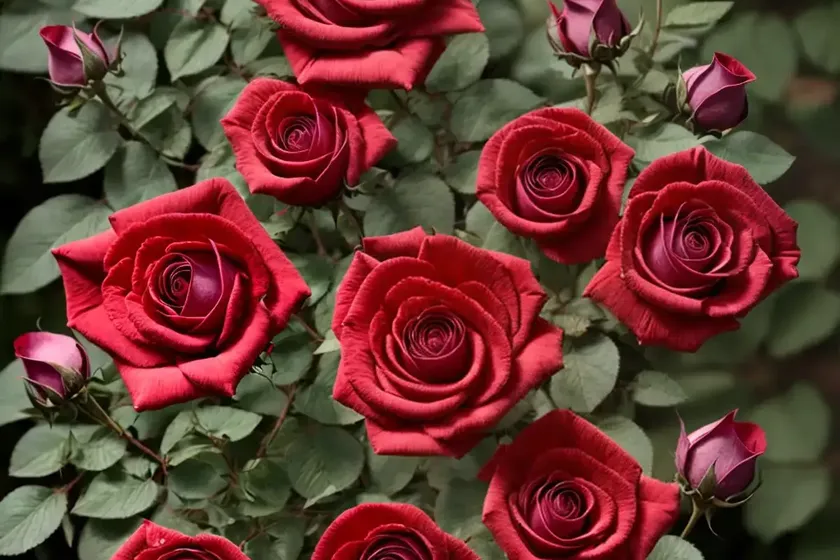
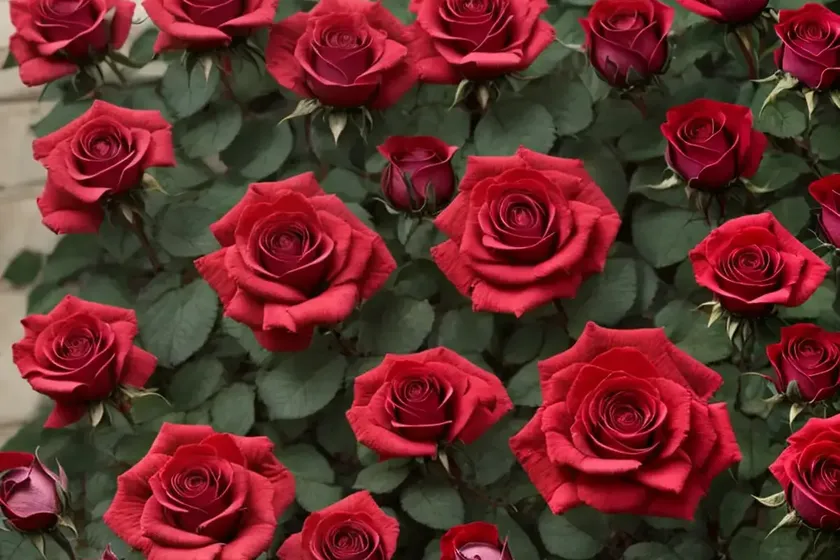
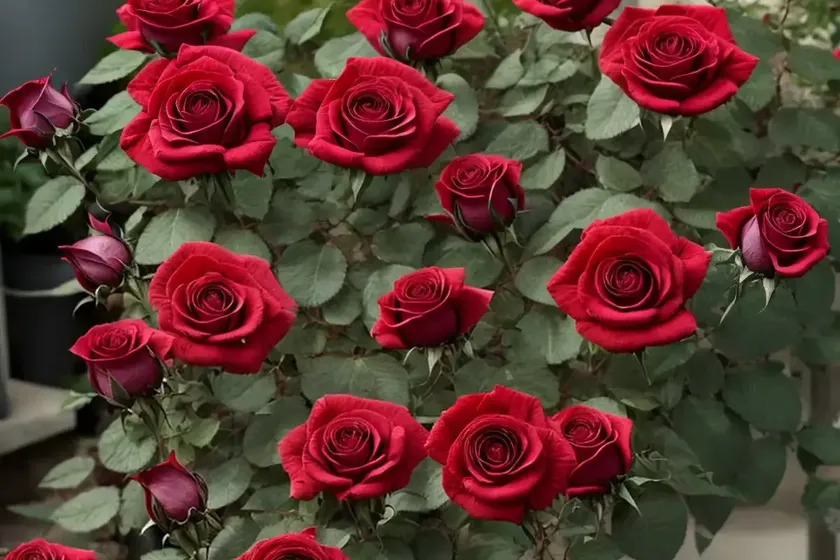
Rosa gallica var. officinalis, commonly known as the Old Red Damask Rose, is a historic rose variety with a rich heritage and a wide range of cultural and horticultural significance. In this comprehensive guide, we will explore the various aspects of this beautiful rose, including its cultural significance, uses in gardening and herbal remedies, care requirements, propagation methods, common diseases and pests, along with fun facts and valuable resources for further exploration.
What is Rosa gallica var. officinalis?
Rosa gallica var. officinalis is a classic rose cultivar that belongs to the Rosaceae family, within the Rosa genus. This particular variety is celebrated for its deep historical roots and distinctive characteristics, making it a cherished plant among gardening enthusiasts, herbalists, historians, and rose aficionados.
Key Takeaways – Rosa gallica var. officinalis (Old Red Damask Rose)
Before we delve into the various aspects of this iconic rose variety, let’s consider the key takeaways that will guide our exploration:
- Cultural Heritage: Delve into the rich cultural and historical significance of Old Red Damask Rose, including its symbolism, folklore, and presence in art and literature.
- Gardening and Uses: Understand the cultivation, propagation, and uses of Rosa gallica var. officinalis in both traditional gardens and modern landscapes, along with its applications in perfumery, skincare, and herbal remedies.
- Care and Maintenance: Explore the essential factors related to the care and maintenance of this rose, encompassing watering, sunlight, soil, pruning, and disease and pest management.
With these key takeaways in mind, let’s embark on an in-depth exploration of Rosa gallica var. officinalis, uncovering its historical allure, horticultural relevance, and practical insights for nurturing this captivating rose variety.
Culture of Rosa gallica var. officinalis
Rosa gallica var. officinalis has a rich cultural history that spans centuries, captivating individuals across diverse realms, from gardening and herbalism to art and folklore.
Historic Significance
As one of the oldest cultivated roses, Rosa gallica var. officinalis holds a special place in the world of historic roses. Believed to be in cultivation for over a thousand years, this rose has been featured in ancient texts, artworks, and gardens, representing an enduring symbol of beauty and fragrant elegance throughout the ages.
Symbolism and Folklore
The symbolic importance of Old Red Damask Rose transcends various cultures and historical periods. The rose has been frequently associated with love, beauty, and spirituality, featuring prominently in myths, legends, and religious narratives. Its captivating fragrance and vibrant blooms have inspired poets, artists, and storytellers, enriching the tapestry of human cultural heritage.
The irresistible allure of Old Red Damask Rose has permeated the realms of literature, art, and folklore, evoking emotions of longing, romance, and nostalgia. It continues to be a beloved subject in poetry, where its timeless essence is eloquently captured in verses that celebrate its beauty and metaphorical significance.
Presence in Art and Literature
The timeless appeal of Rosa gallica var. officinalis has transcended the physical realm, finding its embodiment in art, literature, and various cultural expressions. Renowned painters, writers, and composers have drawn inspiration from the captivating charm of this historic rose, portraying its delicate petals and intoxicating scent in vivid artworks, evocative prose, and soul-stirring music.
The mesmerizing beauty of Old Red Damask Rose has been immortalized in countless artistic creations, serving as a muse for creators across centuries. Its presence in historical gardens, classic paintings, and literary masterpieces continues to enthral enthusiasts, fostering an enduring legacy that reverberates through the annals of human creativity.
Uses of Rosa gallica var. officinalis
Beyond its cultural allure, Rosa gallica var. officinalis serves as a versatile botanical treasure, offering a multitude of applications in gardening, herbal remedies, perfumery, skincare, and culinary pursuits.
Medicinal Properties and Herbal Remedies
Rosa gallica var. officinalis possesses a rich array of medicinal properties, rendering it a valuable component in traditional herbal remedies and holistic wellness practices. From its aromatic petals to its nutrient-rich hips, this rose variety has been harnessed for its therapeutic benefits, offering remedies for various ailments and contributing to the cultivation of herbal wisdom.
Traditional Uses in Herbal Medicine
In traditional medicine systems, such as Ayurveda and Traditional Chinese Medicine (TCM), Rosa gallica var. officinalis has been esteemed for its diverse healing attributes. The rose petals, petals, and essential oil derived from this classic variety have been utilized to alleviate conditions such as skin irritations, digestive discomfort, emotional stress, and respiratory issues, echoing the enduring legacy of rose-based remedies in indigenous healing traditions.
Culinary and Fragrance Applications
The fragrant petals of Rosa gallica var. officinalis impart not just visual beauty but also delightful flavors and intoxicating aromas, making them an esteemed culinary ingredient and a coveted source of aromatic essences.
Rose Water and Essential Oils
The production of rose water and essential oils from Old Red Damask Rose represents an artful alchemy that captures the essence of this classic variety. These precious extracts find application in perfumery, aromatherapy, and skincare, infusing products with the exquisite fragrance and therapeutic virtues of Rosa gallica var. officinalis.
Culinary Delights
In gastronomy, the petals and hips of Rosa gallica var. officinalis have been incorporated into an array of culinary creations, ranging from teas and confectionery to jams, syrups, and infused beverages. The floral nuances and subtle tang of this historic rose add an enchanting dimension to culinary experiences, elevating dishes and beverages with their aromatic allure and subtle complexity.
Horticultural and Decorative Role
Aside from its medicinal and sensory dimensions, Rosa gallica var. officinalis holds a cherished place in ornamental horticulture, enriching gardens, landscapes, and floral arrangements with its exquisite blooms and entrancing fragrance.
Garden Beauty and Floral Arrangements
The captivating beauty of Old Red Damask Rose unfolds in gardens, parks, and floral displays, where its opulent blooms and evocative scent bewitch all who encounter it. Its timeless charm and classic elegance make it a favored choice for traditional gardens and aesthetic compositions, enhancing the visual and olfactory tapestry of natural settings and human environments.
Symbolism in Flower Culture
Old Red Damask Rose has historically symbolized love, beauty, and grace, adorning celebrations, commemorations, and rituals with its symbolic significance. From weddings and anniversaries to religious observances and cultural ceremonies, the presence of Rosa gallica var. officinalis weaves a thread of timeless symbolism and emotive resonance, carrying forth the enduring traditions of flower-based symbolism and cultural expressions.
Care for Rosa gallica var. officinalis
Cultivating Rosa gallica var. officinalis requires a thoughtful approach that considers the specific needs of this historic rose variety. Whether grown in gardens or containers, the following factors play a pivotal role in nurturing the health and vibrancy of Old Red Damask Rose.
Water
Appropriate watering is essential for ensuring the well-being of Rosa gallica var. officinalis, sustaining its vigor and promoting the development of lush foliage and bountiful blooms.
-
Watering Frequency: Old Red Damask Rose thrives in well-drained soil, necessitating a balanced watering regimen that keeps the soil consistently moist but not waterlogged. During the growing season, provide regular watering, ensuring that the root zone remains hydrated without becoming excessively saturated. Adjust the frequency of watering based on weather conditions and soil moisture levels, prioritizing the avoidance of drought stress and waterlogged conditions.
-
Flower Watering: When the Old Red Damask Rose is in bloom, pay special attention to its water needs, maintaining consistent soil moisture to support the longevity and vibrancy of the blossoms. Adequate hydration contributes to the production of robust, vibrant flowers, enhancing the ornamental appeal and aromatic potency of this classic rose variety.
Sunlight
Proper exposure to sunlight is fundamental for the vitality and blooming prowess of Rosa gallica var. officinalis, ensuring its adept assimilation of solar energy for robust growth and abundant flowering.
-
Sun Requirements: Old Red Damask Rose flourishes when provided with ample sunlight, preferably receiving at least six hours of direct sun exposure daily. Select a planting location or container placement that offers access to abundant sunlight, allowing the rose to bask in the radiance of the sun and harness its energy for photosynthesis, bloom formation, and overall vigor.
-
Light Intensity: While embracing sunlight, be mindful of the intensity of light, especially in regions with scorching summers. Moderate afternoon shade can be beneficial in such climates, protecting the rose from excessive heat and UV exposure, safeguarding its foliage and blossoms from potential sunscald and stress.
Fertilizer
Supplemental nourishment through fertilization supports the growth, flowering, and resilience of Rosa gallica var. officinalis, fortifying its vitality and floral opulence.
-
Fertilization Schedule: Provide balanced fertilization to the Old Red Damask Rose during the growing season, administering a controlled-release or organic fertilizer specifically formulated for roses. Initiate fertilization in early spring, continuing at regular intervals based on the fertilizer’s instructions and the rose’s nutritional requirements. Avoid excessive fertilization, as it can lead to imbalanced growth and diminished flowering.
-
Nutrient Balance: Ensure that the fertilizer comprises the essential macronutrients and micronutrients essential for rose health, emphasizing the availability of nitrogen, phosphorus, potassium, and trace elements that optimize growth, flowering, and disease resistance. Observing the signs of nutrient deficiency or excess aids in adjusting the fertilization regimen for the rose’s well-being.
Soil
The selection of suitable soil and the maintenance of optimal soil conditions are pivotal for supporting the robust growth and vigor of Rosa gallica var. officinalis.
-
Soil Composition: Plant Old Red Damask Rose in well-drained, loamy soil with a slightly acidic to neutral pH range (pH 6.0-7.0), fostering proper aeration, moisture retention, and nutrient accessibility for the rose’s root system. Incorporate organic matter such as compost, aged manure, or peat moss into the soil to enhance its texture and fertility, ensuring an environment conducive to healthy root development and overall growth.
-
Soil Moisture: Monitor the moisture levels of the soil regularly, preventing waterlogging or excessive dryness that can impede the rose’s vigor and blooming capacity. Implement mulching with organic materials to conserve soil moisture, foster soil structure, and suppress weed growth, contributing to the maintenance of optimal soil conditions for Rosa gallica var. officinalis.
Pruning
Pruning is an essential aspect of Old Red Damask Rose care, enabling the refinement of its shape, the enhancement of blooming vigor, and the mitigation of disease and pest issues.
-
Pruning Techniques: Conduct regular pruning of Rosa gallica var. officinalis to remove spent blossoms, damaged or diseased wood, and excessively vigorous growth. Employ sharp, clean pruning tools to make precise cuts, promoting the desired form and integrity of the rose while minimizing the risk of injury and stress. Tailor the pruning approach to maintain an open, balanced structure that optimizes air circulation and light penetration.
-
Pruning Timing: Schedule pruning sessions for Old Red Damask Rose during the dormant season, typically in late winter or early spring, when the rose is devoid of active growth. This allows for the identification and removal of nonessential growth, encouraging the allocation of resources towards productive branches and stimulating the development of new, healthy shoots and blossoms.
Propagation of Rosa gallica var. officinalis
The propagation of Rosa gallica var. officinalis encompasses various techniques that enable the perpetuation of this historic rose variety, facilitating its dissemination among enthusiasts and the preservation of its genetic diversity.
Propagation Methods
Rosa gallica var. officinalis can be propagated by several methods, each offering distinctive benefits and considerations tailored to the preference and expertise of the propagator.
-
Seed Propagation: Collect viable seeds from the hips of Old Red Damask Rose and germinate them to produce new rose plants, fostering genetic diversity and the potential emergence of unique traits. Sow the seeds in well-prepared soil and provide favorable germination conditions, nurturing the growth of seedlings that inherit the characteristics of the parent plant.
-
Cutting Propagation: Utilize stem cuttings from healthy, disease-free shoots of Rosa gallica var. officinalis to propagate new plants, fostering genetic uniformity and expedited growth. Select the appropriate type of cutting (softwood, hardwood, or semi-hardwood) based on the season and the developmental stage of the shoot, facilitating the establishment of new rose specimens with the desired traits and attributes.
-
Division and Layering: Employ division and layering techniques to create additional plants from established Old Red Damask Rose specimens, exploiting the natural regeneration and proliferation capacities of the rose to expand its presence in the garden or horticultural collection. Dividing root clumps and inducing the formation of new roots through layering foster the propagation of healthy, true-to-type rose plants poised for vigor and resilience.
Container Cultivation of Rosa gallica var. officinalis
The container cultivation of Rosa gallica var. officinalis offers a convenient means of embracing the charm and fragrance of this historic rose, catering to diverse gardening contexts and spatial limitations.
Popularity in Containers
Old Red Damask Rose is well-suited for container gardening, thriving in appropriately sized pots and planters that accommodate its growth while offering the flexibility of placement and mobility. Its ornamental beauty, fragrant appeal, and horticultural adaptability make it an appealing choice for container cultivation, whether within compact urban settings, courtyard gardens, or balcony enclaves.
Container Considerations
When cultivating Rosa gallica var. officinalis in containers, several factors warrant attention to ensure the optimal growth and well-being of the rose within the confines of the container environment.
-
Container Selection: Choose spacious, sturdy containers with adequate drainage holes that facilitate the free outflow of excess water, preventing waterlogging and ensuring the aeration of the root zone. Opt for containers that match the growth potential of the rose, providing ample room for root expansion and stability while aligning with the aesthetic and logistical requirements of the gardening space.
-
Potting Medium: Employ high-quality potting soil or container mix optimized for roses and flowering plants, possessing the necessary characteristics of proper drainage, moisture retention, and nutrient availability. Incorporate organic amendments or specialized rose potting mixes to create an environment that sustains the robust growth and prolific flowering of Old Red Damask Rose within the container.
-
Placement and Sunlight: Position the container in a location that receives sufficient sunlight to meet the rose’s light requirements, ensuring the attainment of at least six hours of direct sun exposure for vigorous growth and abundant blooming. Check for adequate air circulation and environmental appropriateness when determining the ideal placement of the container, respecting the sun, wind, and microclimate needs of Rosa gallica var. officinalis.
Container Maintenance
The cultivation of Rosa gallica var. officinalis in containers necessitates specific care and maintenance practices that cater to the unique dynamics of container gardening and the welfare of the rose within this confined context.
-
Watering Regimen: Execute a consistent watering regimen for the container-grown Old Red Damask Rose, moderating soil moisture levels to prevent drought stress or water stagnation that can compromise the health and vitality of the rose. Adjust the frequency and volume of watering based on environmental conditions, seasonality, and the moisture retention capacity of the potting medium.
-
Fertilization Strategy: Supply regular fertilization to the rose in containers, utilizing balanced, slow-release fertilizers or liquid fertilizers formulated for potted roses to sustain nutrient availability and flowering proficiency. Adhere to the instructions of the fertilizer product and evaluate the nutrient requirements of the rose to optimize its growth and ornamental display within the container setting.
-
Pruning and Maintenance: Engage in routine pruning and maintenance activities to uphold the aesthetic appeal and health of Rosa gallica var. officinalis in containers, shaping its form, removing spent blooms, and addressing potential disease or pest issues. Monitor the container for signs of root congestion, and repot the rose as necessary to accommodate its growth and rejuvenate its vitality.
Common Diseases of Rosa gallica var. officinalis
The health and longevity of Rosa gallica var. officinalis can be affected by various diseases that pose challenges to its cultivation, necessitating awareness, preventive measures, and targeted management strategies.
Disease Diagnosis
When attending to the wellbeing of Old Red Damask Rose, vigilance and prompt action are vital for identifying and addressing potential diseases that can compromise the health and aesthetics of the rose.
-
Fungal Diseases: Augmenting moisture levels or environmental conditions conducive to fungal proliferation can instigate afflictions such as powdery mildew, black spot, and rust, manifesting as disfigured foliage, leaf spotting, and diminished vigor. Monitor the rose for symptoms of fungal diseases and implement cultural and preventive measures to curtail their impact on the plant.
-
Bacterial Infections: Bacterial diseases like bacterial blight and crown gall can afflict the rose, causing tissue necrosis, canker formation, and growth abnormalities. Inspect the rose for signs of bacterial infections and adopt sanitation and preventive practices to hinder the spread of bacterial pathogens and preserve the wellbeing of Rosa gallica var. officinalis.
-
Viral Afflictions: Viral diseases, including rose mosaic virus and rose rosette disease, jeopardize the physiological balance and aesthetic appeal of the rose, triggering aberrant growth, mottled foliage, and overall decline. Conduct regular assessments for viral symptoms and employ integrated disease management approaches to mitigate the impact of viral diseases on the rose.
Disease-resistant Varieties and Cultivation Practices
In selecting and cultivating Rosa gallica var. officinalis, consider disease-resistant varieties and cultivation practices that bolster the rose’s resilience and curtail the susceptibility to common diseases.
-
Resistant Cultivars: Embrace disease-resistant cultivars and varieties of Old Red Damask Rose, leveraging their intrinsic genetic traits that confer heightened vigor and resistance to prevalent diseases. Consult with reputable nurseries and rose specialists to procure disease-resistant selections, fortifying the garden with robust and resilient rose specimens.
-
Cultural Practices: Implement cultural practices that mitigate the risk of diseases, encompassing proper watering, balanced fertilization, adequate spacing, air circulation optimization, and vigilant hygiene measures. Promote the overall health and immune capacity of Rosa gallica var. officinalis through judicious cultivation practices that diminish the incidence and severity of common diseases.
Common Pests Affecting Rosa gallica var. officinalis
An array of pests can afflict Rosa gallica var. officinalis, disrupting its growth, defoliating its foliage, and compromising its ornamental allure, necessitating vigilant monitoring and targeted pest control measures.
Pest Identification
In safeguarding the wellbeing of Old Red Damask Rose, the identification of common pests and their distinctive signs is essential for implementing effective pest management measures.
- Aphids: These small, sap-sucking insects can infest the rose, causing distortion of new growth, honeydew production, and sooty mold development. Monitor the rose for aphid populations and address their presence through physical removal, biological controls, or insecticidal interventions that mitigate their impact on the rose.
–


