Rosa Filipes ‘Kiftsgate’ (Rambling Rose)
Plants play a vital role in our world, providing beauty, oxygen, and sustenance. Among the countless plant species, roses stand out as some of the most.

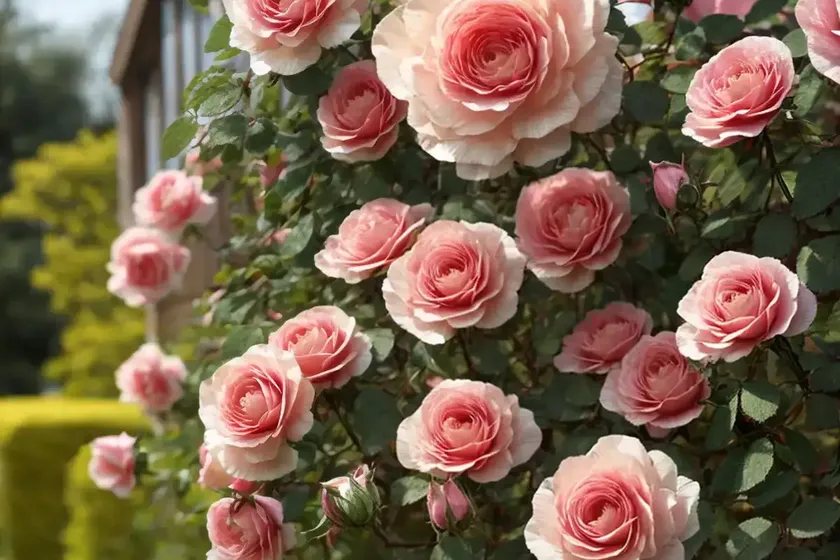

Plants play a vital role in our world, providing beauty, oxygen, and sustenance. Among the countless plant species, roses stand out as some of the most celebrated and beloved. One notable variety is Rosa filipes ‘Kiftsgate’, commonly known as the Rambling Rose. In this comprehensive guide, we will delve into the captivating world of Rosa filipes ‘Kiftsgate’, exploring its origins, characteristics, cultivation techniques, and much more.
What is Rosa filipes ‘Kiftsgate’?
Rosa filipes ‘Kiftsgate’ is a species of rose that belongs to the genus Rosa and the Rosaceae family. This particular variety is known for its vigorous climbing habit and abundant clusters of small, white flowers. The Rambling Rose is native to China and was introduced to the Western world in the early 20th century. It has since gained popularity among gardeners and landscapers for its striking appearance and versatility.
Key Takeaways – Rosa filipes ‘Kiftsgate’ (Rambling Rose)
Before we delve deeper into the specific aspects of Rosa filipes ‘Kiftsgate’, let’s outline some key takeaways about this captivating plant:
- Scientific Name: Rosa filipes ‘Kiftsgate’
- Common Name: Rambling Rose
- Origin: China
- Growth Habit: Vigorous climber
- Flower Color: White
- Family: Rosaceae
- Uses: Ornamental purposes, garden landscaping
Now that we have an overview of this fascinating plant, it’s time to explore its cultivation, care, and utilization in greater detail.
Culture
Understanding the cultural requirements of Rosa filipes ‘Kiftsgate’ is essential for successfully cultivating and maintaining this beautiful rose variety. Let’s delve into the specific cultural practices that contribute to the well-being of the Rambling Rose.
Water
Like many other rose varieties, Rosa filipes ‘Kiftsgate’ thrives in well-draining soil that is consistently moist but not waterlogged. Adequate watering is crucial, especially during the plant’s active growth and blooming periods. While the frequency of watering may vary based on climatic conditions, it is generally recommended to provide the plant with 1-2 inches of water per week, either through rainfall or irrigation.
Sunlight
Proper sunlight exposure is paramount for the healthy growth and abundant flowering of Rosa filipes ‘Kiftsgate’. This variety excels in full sun, requiring at least 6-8 hours of direct sunlight daily. Insufficient sunlight may lead to reduced flowering and increased susceptibility to pests and diseases. Therefore, when selecting a planting site or positioning a container-grown specimen, prioritize a location with ample sunlight exposure.
Fertilizer
Feeding Rosa filipes ‘Kiftsgate’ with a balanced, slow-release fertilizer can enhance its overall health and flowering performance. A fertilizer with a balanced N-P-K (nitrogen, phosphorus, potassium) ratio, such as 10-10-10, can provide the essential nutrients for robust growth and prolific blooms. It is advisable to apply the fertilizer in early spring, just as the plant begins active growth, and then again in mid-summer to support continued flowering.
Soil
The soil composition greatly influences the development of Rosa filipes ‘Kiftsgate’. Well-draining, loamy soil with a slightly acidic to neutral pH range (pH 6.0-7.0) is ideal for this rose variety. Amending the soil with organic matter, such as compost or well-rotted manure, can improve its structure and fertility. Additionally, incorporating a layer of mulch around the base of the plant helps conserve soil moisture, suppress weed growth, and regulate soil temperature.
Pruning
Pruning is a fundamental practice in rose care, and Rosa filipes ‘Kiftsgate’ is no exception. Proper pruning not only maintains the plant’s shape and size but also encourages robust growth and abundant blooming. When it comes to this rambling rose variety, the following pruning guidelines should be considered:
-
Spring Pruning: In late winter to early spring, remove any dead, damaged, or crossing branches. Additionally, prune the previous year’s growth to shape the plant and stimulate new growth.
-
Summer Pruning: Throughout the growing season, promptly trim any overly vigorous or wayward shoots to contain the plant’s size and maintain its desired form.
-
Post-Flowering Pruning: After the plant’s main flowering period, trim back the spent blooms to encourage the development of new flowering shoots and prolong the blooming season.
Propagation
The propagation of Rosa filipes ‘Kiftsgate’ primarily occurs through stem cuttings and layering, both of which are reliable methods for producing new plants with genetic traits identical to the parent plant. Here’s a brief overview of these propagation techniques:
-
Stem Cuttings: Select a healthy, non-flowering stem and cut it at a 45-degree angle. Remove the lower leaves, dip the cut end in rooting hormone, and plant the cutting in a well-draining propagation medium. Keep the medium consistently moist and provide bottom heat for optimal rooting.
-
Layering: Choose a low, flexible stem and gently wound a small section of its bark. Bury the wounded portion in the soil, ensuring that the tip of the stem remains exposed. After roots have developed, the new plant can be separated from the parent and transplanted to a permanent location.
Container Popularity
The versatility of Rosa filipes ‘Kiftsgate’ makes it well-suited for container cultivation, allowing it to adorn patios, balconies, and other confined spaces with its charming foliage and flowers. When grown in containers, this rambling rose variety benefits from the following considerations:
-
Container Size: Select a large, sturdy container that provides ample room for the plant’s roots to spread and support its climbing habit. A container with a minimum diameter of 24 inches is recommended.
-
Soil Mix: Fill the container with a well-draining, nutrient-rich potting mix that promotes healthy root development. A mix formulated for roses or general outdoor container plants can effectively support the growth of Rosa filipes ‘Kiftsgate’.
-
Watering: Container-grown specimens may require more frequent watering than those in the ground, as the soil in containers tends to dry out more rapidly. Monitor the soil moisture regularly and water the plant when the top inch of the soil feels dry to the touch.
-
Support: To facilitate the climbing habit of the Rambling Rose, provide a stable trellis or support structure within the container. This helps guide the plant’s growth upward and creates an attractive vertical display.
Common Diseases
Disease Diagnosis
Despite its resilience, Rosa filipes ‘Kiftsgate’ is susceptible to certain diseases that can affect its overall health and vigor. It is important for gardeners to recognize and promptly address any signs of disease in this rose variety. Common diseases that may afflict Rosa filipes ‘Kiftsgate’ include:
-
Powdery Mildew: Recognized by the presence of powdery, white patches on the plant’s leaves and stems, powdery mildew can weaken the plant and impair its aesthetic appeal.
-
Black Spot: Identified by the formation of black or dark brown spots on the leaves, black spot is a fungal disease that can lead to defoliation and reduced flowering.
-
Botrytis Blight: This fungal disease causes the development of gray mold on the flowers and buds, often occurring in damp, humid conditions.
Disease Prevention and Management
To mitigate the impact of these diseases and safeguard the health of Rosa filipes ‘Kiftsgate’, preventative measures and prompt intervention are crucial. Effective strategies for disease prevention and management include:
-
Cultural Practices: Maintain good airflow around the plant by spacing it adequately and avoiding overcrowding. Additionally, sanitation measures, such as removing fallen debris and dead leaves, can minimize disease incidence.
-
Fungicidal Treatments: Apply preventive fungicides as recommended, especially during periods of high humidity or when disease pressure is heightened. Fungicidal sprays containing sulfur, neem oil, or copper can help combat fungal diseases effectively.
-
Pruning Techniques: Prune the plant to promote an open, airy structure, which reduces the risk of fungal diseases by allowing better air circulation and light penetration.
By proactively implementing these practices, gardeners can strengthen the disease resistance of Rosa filipes ‘Kiftsgate’ and ensure its continued vitality and beauty.
Common Pests
Like many ornamental plants, Rosa filipes ‘Kiftsgate’ may encounter pest infestations that compromise its growth and appearance. Being vigilant and promptly addressing pest issues is essential for preserving the plant’s health. Some common pests that may affect this rambling rose variety include:
-
Aphids: These small, sap-sucking insects can cluster on the plant’s tender shoots and buds, causing distortion and stunted growth.
-
Spider Mites: Spider mites are tiny pests that feed on the plant’s sap, leading to stippled or discolored leaves and the development of fine webbing.
-
Japanese Beetles: The voracious feeding of Japanese beetles can result in skeletonized foliage and significant damage to the plant’s overall health.
Botanist’s Tips
As a plant scientist with a passion for roses, I have gathered a few essential tips for cultivating and caring for Rosa filipes ‘Kiftsgate’. These insights are based on years of observation and research, aimed at maximizing the potential of this captivating rambling rose variety:
-
Encourage Natural Habitats: Embrace the meandering growth habit of Rosa filipes ‘Kiftsgate’ by integrating it into naturalistic landscapes, where it can freely sprawl and cascade over arbors and pergolas.
-
Companion Planting: Pair this rambling rose with compatible companion plants, such as clematis, to create stunning floral combinations that enhance the visual appeal of the garden.
-
Optimal Support: Invest in sturdy and aesthetically pleasing trellises or structures that provide reliable support for the vigorous growth of the Rambling Rose. Securely anchoring the plant helps showcase its cascading blooms to full advantage.
Fun Facts
Before we conclude our exploration of Rosa filipes ‘Kiftsgate’, let’s uncover some intriguing fun facts about this enchanting rambling rose variety:
-
Wildlife Attraction: The abundant white flowers of Rosa filipes ‘Kiftsgate’ not only captivate human observers but also attract pollinators such as bees and butterflies, contributing to the ecological vitality of the garden.
-
Historical Significance: This species of rose has a storied history, with origins tracing back to China. Its introduction to Western horticulture has left a lasting impact on garden design and landscape aesthetics.
-
Therapeutic Uses: Roses, including Rosa filipes ‘Kiftsgate’, have been traditionally utilized for their therapeutic qualities. Extracts from the petals can be incorporated into skincare products and herbal remedies, owing to their aromatic and soothing properties.
Now that we have covered various aspects of Rosa filipes ‘Kiftsgate’, from its cultural requirements to its unique characteristics, it’s time to explore some external resources that can further enrich our understanding of this captivating rambling rose variety.
Links to External Resources
For further information on Rosa filipes ‘Kiftsgate’ and related topics, I recommend exploring the following reputable resources:
-
Royal Horticultural Society (RHS): The RHS provides comprehensive guidance on growing, caring for, and propagating climbing roses, including valuable insights on Rosa filipes ‘Kiftsgate’.
-
Missouri Botanical Garden: With an extensive plant finder database, the Missouri Botanical Garden offers in-depth information on the characteristics and cultivation of Rosa filipes ‘Kiftsgate’.
Missouri Botanical Garden – Rosa filipes ‘Kiftsgate’ -
American Rose Society (ARS): As a leading authority on roses, the ARS offers valuable resources and articles on rambling rose varieties, including insights into the characteristics and care of Rosa filipes ‘Kiftsgate’.
ARS – Rambling Rose Varieties
These resources serve as valuable tools for expanding your knowledge of Rosa filipes ‘Kiftsgate’ and delving deeper into the enchanting world of roses.
In this comprehensive guide, we have unravelled the captivating allure of Rosa filipes ‘Kiftsgate’ (Rambling Rose) by exploring its origins, cultural requirements, propagation methods, and much more. From its vigorous growth habit to its therapeutic and historical significance, this remarkable rose variety continues to captivate the hearts of gardeners and enthusiasts worldwide. Whether cascading over a trellis, adorning a container, or gracing natural landscapes, the beauty of Rosa filipes ‘Kiftsgate’ shines as a testament to the enduring charm of roses in horticulture and beyond.


