Rosa ‘Debutante’ (Rambling Rose)
Rosa ‘Debutante’, commonly known as Rambling Rose, is a beautiful and versatile plant that can enhance the beauty of any garden or landscape. With its.
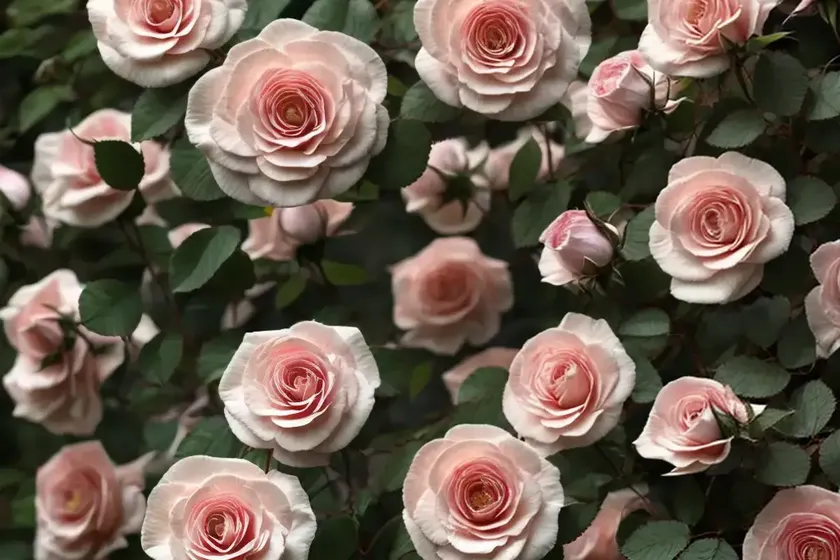
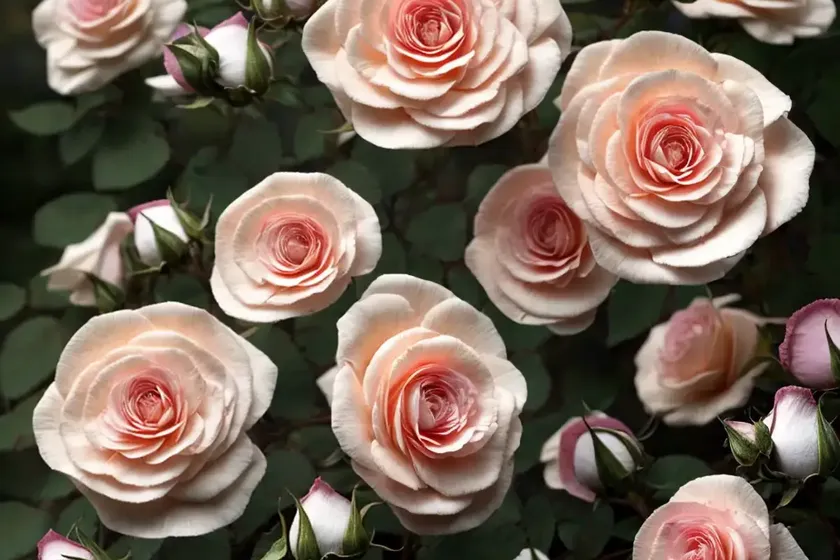
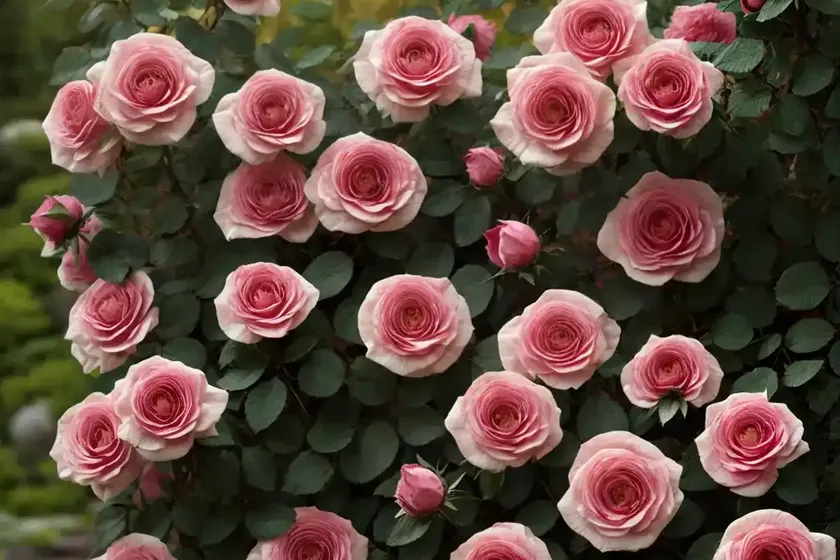
Rosa ‘Debutante’, commonly known as Rambling Rose, is a beautiful and versatile plant that can enhance the beauty of any garden or landscape. With its stunning blooms, delightful fragrance, and elegant trailing habit, this plant has become a favorite among gardeners and landscapers. In this comprehensive guide, we will explore the characteristics, care requirements, uses, and much more about Rosa ‘Debutante’, empowering you to cultivate and enjoy this splendid plant to its fullest potential.
What is Rosa ‘Debutante’?
Rosa ‘Debutante’ is a charming rambling rose variety that belongs to the Rosaceae family and Rosa genus. This deciduous shrub is renowned for its vigorous growth and abundance of delicate, semi-double pink flowers with a mild, sweet fragrance. The plant is an excellent choice for creating a romantic and picturesque setting in gardens, courtyards, and along trellises. Its graceful arching canes make it an ideal candidate for covering arches, fences, and pergolas, adding a touch of elegance to outdoor spaces.
Key Takeaways – Rosa ‘Debutante’ (Rambling Rose):
– Scientific Name: Rosa ‘Debutante’
– Common Name: Rambling Rose ‘Debutante’
– Family: Rosaceae
– Genus: Rosa
– Type: Deciduous shrub
Characteristics of Rosa ‘Debutante’
- Growth Habit: Vigorous and trailing
- Flower: Semi-double, mild fragrance, pink in color
- Foliage: Dark green, abundant leaves
- Height: Up to 12 feet
- Blooming Season: Spring to early summer
- Hardiness: Zones 5-9
Culture
Uses
Rosa ‘Debutante’ finds a wide range of uses due to its impressive aesthetic appeal and adaptability. Some of its common uses include:
- Garden Planting: Ideal for creating romantic and picturesque garden settings.
- Landscape Accent: Enhances landscapes with its graceful trailing habit and abundant blooms.
- Covering Structures: Perfect for covering arches, fences, pergolas, and trellises.
Water
Proper watering is essential for the health and vigor of Rosa ‘Debutante’. While the plant tolerates moderate drought once established, regular watering is crucial for promoting abundant flowering and overall growth.
- Watering Frequency: Regular watering, especially during the growing season.
- Soil Moisture: Well-draining soil to prevent waterlogging.
- Mulching: Applying a layer of organic mulch helps retain soil moisture.
Sunlight
Sunlight plays a vital role in the development and blooming of Rosa ‘Debutante’. Providing the right amount of sunlight is crucial for the plant’s overall health and flowering performance.
- Sun Exposure: Full sun to partial shade.
- Optimal Conditions: At least 6 hours of direct sunlight.
- Shade Protection: Protect from intense afternoon sun in hotter climates.
Fertilizer
Proper nutrition is essential for Rosa ‘Debutante’ to thrive and produce an abundance of healthy blooms. A balanced fertilizer application provides the necessary nutrients for robust growth and flowering.
- Fertilizing Schedule: Apply a balanced fertilizer in early spring and after the first bloom cycle.
- Type of Fertilizer: A general-purpose, slow-release fertilizer works well.
- Application Method: Distribute evenly around the root zone and water thoroughly.
Soil
The quality of the soil significantly impacts the growth and health of Rosa ‘Debutante’. Well-prepared soil provides an ideal foundation for the plant to establish and flourish.
- Soil Type: Well-draining, fertile soil.
- Soil pH: Slightly acidic to neutral (pH 6.0-7.0).
- Soil Preparation: Incorporate organic matter for improved soil structure and fertility.
Pruning
Pruning is a vital aspect of Rosa ‘Debutante’ care, contributing to the plant’s shape, health, and flowering potential. Proper pruning helps maintain the desired size, shape, and vigor of the plant.
- Pruning Time: Best performed in late winter or early spring before new growth emerges.
- Pruning Technique: Remove dead, damaged, and old wood; shape the plant to maintain its form.
- Tools: Use clean and sharp pruners to make precise cuts without causing damage.
Propagation
Propagating Rosa ‘Debutante’ allows for the creation of new plants and the preservation of desirable characteristics. Understanding the propagation methods enables gardeners to expand their collection of these elegant roses.
- Propagation Methods: Softwood cuttings, hardwood cuttings, and layering.
- Timing: Early summer for softwood cuttings; late fall for hardwood cuttings.
- Rooting Medium: Well-draining potting mix with good moisture retention.
Container Popularity
While Rosa ‘Debutante’ is commonly grown in gardens and landscapes, it also thrives when cultivated in containers. Its versatility and ornamental appeal make it a popular choice for container gardening.
- Container Size: Select a large container to accommodate the vigorous growth of the plant.
- Soil Mix: Well-draining potting mix with added organic matter.
- Placement: Position the container in a location that receives ample sunlight.
Common Diseases
Rosa ‘Debutante’, like many other plants, is susceptible to certain diseases that can compromise its health and appearance. By understanding these diseases and their symptoms, gardeners can take proactive measures to prevent and manage them effectively.
Disease Diagnosis
- Powdery Mildew: White powdery spots on leaves; foliage distortion.
- Black Spot: Circular black spots on leaves with yellowing and premature drop.
- Botrytis Blight: Gray mold on flowers and stems in cool, humid conditions.
Common Pests
The presence of pests can jeopardize the vitality and beauty of Rosa ‘Debutante’. Monitoring for common pests and promptly addressing any infestations helps protect the plant from damage.
- Aphids: Small, sap-sucking insects found on new growth and flower buds.
- Spider Mites: Tiny pests causing stippling and webbing on the undersides of leaves.
- Japanese Beetles: Feeding leads to skeletonized leaves and flower damage.
Botanist’s Tips
Growing Tips for Rosa ‘Debutante’
- Provide adequate vertical or horizontal support for the vigorous growth of the plant.
- Regularly deadhead spent blooms to promote continuous flowering.
Pruning Techniques for Rosa ‘Debutante’
- Use clean and sharp pruning tools to make precise cuts without causing unnecessary damage.
- Carve out crossing or congested branches to improve air circulation within the plant.
Ideal Growing Conditions for Rambling Rose ‘Debutante’
- Ensure well-draining, fertile soil with good moisture retention.
- Position the plant in a location that receives at least 6 hours of direct sunlight.
Fun Facts
- Rosa ‘Debutante’ is known for its graceful trailing habit, making it an excellent choice for covering fences and trellises.
- The delightful fragrance of Rosa ‘Debutante’ adds an enchanting ambiance to gardens and outdoor spaces.
Links to External Resources
Discover more about Rosa ‘Debutante’ and expand your knowledge with these external resources:
1. Royal Horticultural Society – Rambling Roses
2. University of California – Plant Care Resource Center
3. The American Rose Society
In conclusion, Rosa ‘Debutante’ (Rambling Rose) is a stunning plant that brings grace, beauty, and fragrance to gardens and landscapes. By understanding its care requirements, uses, and characteristics, gardeners and plant enthusiasts can fully appreciate and enjoy the splendor of this magnificent rose variety. With proper maintenance and attention, Rosa ‘Debutante’ can thrive abundantly, showcasing its delicate blooms and elegant trailing habit to captivate all who encounter it.
The plant’s resilience, versatility, and ornamental appeal make it a valuable addition to any outdoor space, enriching the natural environment with its charm and grace. Whether climbing a trellis, adorning a fence, or trailing along a garden wall, Rosa ‘Debutante’ is sure to leave a lasting impression with its timeless beauty and enchanting fragrance.


