Rosa Banksiae ‘Lutea’ (Lady Banks’ Rose)
Introduction
Introduction
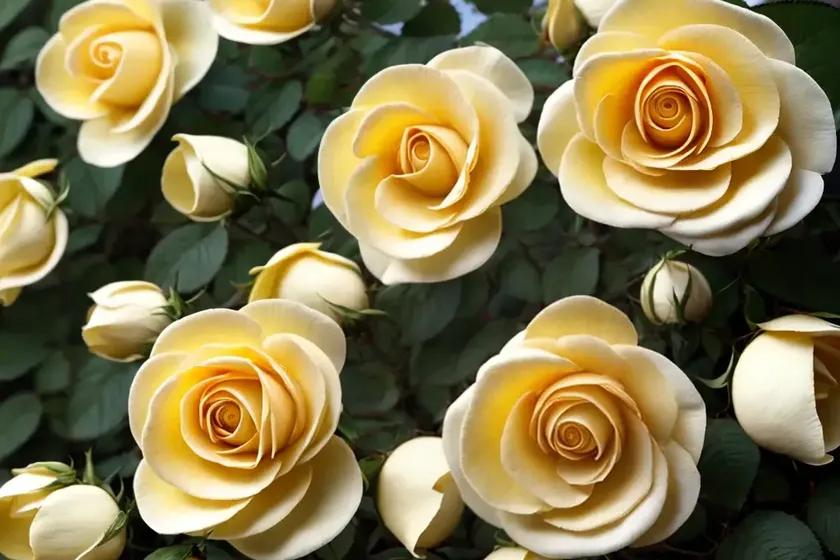
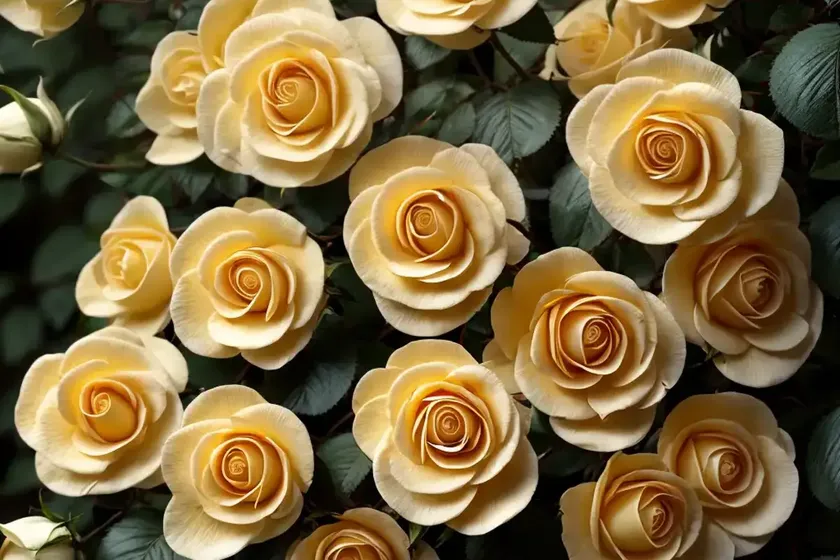
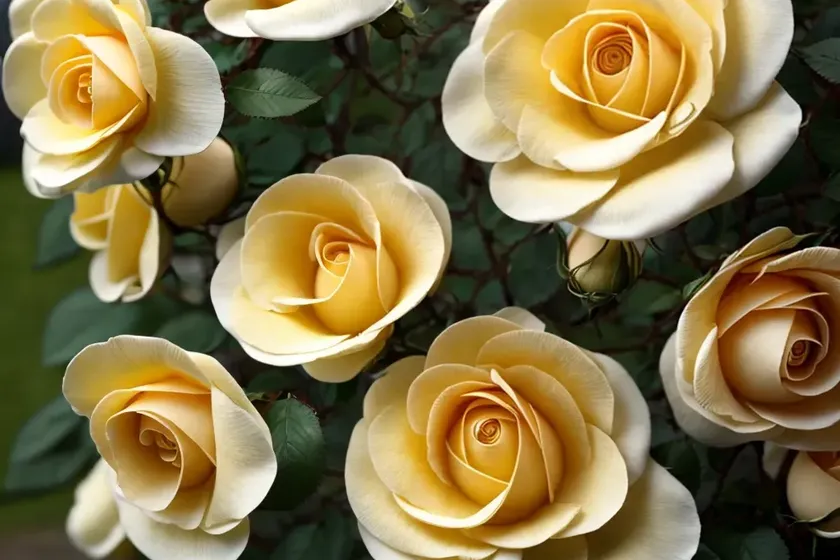
Rosa banksiae ‘Lutea’, commonly known as Lady Banks’ Rose, is a species of flowering plant in the rose family. This evergreen vine is cherished for its abundant clusters of small, double, yellow roses and its vigorous growth habit. Originally hailing from China, this plant has gained popularity worldwide due to its stunning beauty and low-maintenance nature. In this guide, we will explore the characteristics, cultivation requirements, uses, and maintenance tips for Rosa banksiae ‘Lutea’, encompassing every aspect from planting to pest control.
Table of Contents
- What is Rosa banksiae ‘Lutea’ (Lady Banks’ Rose)?
- Key Takeaways
- Culture
- Uses
- Water
- Sunlight
- Fertilizer
- Soil
- Pruning
- Propagation
- Container Popularity
- Container Common Diseases
- Disease Diagnosis
- Common Pests
- Botanist’s Tips
- Fun Facts
- Links to External Resources
What is Rosa banksiae ‘Lutea’ (Lady Banks’ Rose)?
Rosa banksiae ‘Lutea’ is a vigorous, fast-growing, evergreen vine that belongs to the rose family (Rosaceae). It is named after the wife of Sir Joseph Banks, who was a botanist on Captain Cook’s first voyage. This plant showcases graceful, thornless canes adorned with an abundance of small, double, lemon-yellow blossoms. The foliage consists of small, glossy, dark green leaves that form an attractive backdrop for the flowers.
This plant is well-regarded for its resistance to diseases and pests and its ability to thrive in various climates, making it an excellent choice for gardens and landscapes.
Key Takeaways – Rosa banksiae ‘Lutea’ (Lady Banks’ Rose)
Culture:
Climate: Rosa banksiae ‘Lutea’ is suitable for growing in USDA hardiness zones 7 to 10. It is adaptable to a wide range of climatic conditions and can thrive in both warm and relatively cold regions.
Watering: It prefers well-draining soil and requires regular watering, especially during its active growth period. However, it is also moderately drought-tolerant once established.
Soil: It thrives in moderately fertile, slightly acidic to neutral soil. The soil should be rich in organic matter and should have good drainage to prevent waterlogging.
Fertilization: This plant benefits from an application of balanced fertilizer in spring, just before the new growth bursts forth. Slow-release fertilizers or organic compost can also be used to nourish the plant throughout the growing season.
Uses:
Landscaping: Lady Banks’ Rose is often used to cover arbors, trellises, and fences, providing a stunning display of cascading yellow blossoms.
Erosion Control: Its vigorous growth habit and extensive root system make it an excellent choice for controlling erosion on slopes.
Wildlife: The flowers attract pollinators such as bees and butterflies, enhancing biodiversity in the garden or landscape.
Water:
Irrigation: Regular watering is essential, particularly during dry spells. Mulching around the base of the plant helps to retain soil moisture and regulate the soil temperature.
Drainage: It is crucial to ensure that the planting site provides adequate drainage to prevent waterlogging, as this can lead to root rot and other issues.
Sunlight:
Exposure: Lady Banks’ Rose thrives in full sun to partial shade. It tends to produce more abundant flowers when it receives at least six hours of direct sunlight daily.
Shade Tolerance: While it prefers full sun, it can tolerate some shade, especially in regions with intense afternoon sun or in hot climates.
Fertilizer:
Application: Use a balanced, slow-release fertilizer in spring prior to the onset of new growth. Organic compost and well-rotted manure can also be utilized to enrich the soil.
Frequency: A single annual application in spring is generally sufficient to support healthy growth and abundant flowering.
Soil:
Type: Well-draining, slightly acidic to neutral soil rich in organic matter is optimal for Rosa banksiae ‘Lutea’.
pH: A pH range of 6.0 to 7.0 is suitable for this plant.
Pruning:
Timing: Prune after the flowering period, typically in late spring or early summer.
Technique: Lady Banks’ Rose is best pruned by removing dead or damaged wood, shaping the plant, and controlling its size to keep it within the desired boundaries.
Propagation:
Methods: This plant can be propagated from cuttings, layering, or seeds.
Timing: For cuttings, the best time for propagation is in late spring to summer.
Container Popularity:
Suitability: Lady Banks’ Rose can be grown in containers, provided they are large enough to accommodate its vigorous growth.
Advantages: Container planting allows for mobility and provides an option to grow this plant where space in the ground is limited.
Container Common Diseases:
Challenges: In containers, the plant may be more susceptible to issues like root rot if the soil is not well-draining.
Preventive Measures: Ensure proper drainage within the container, and use a well-balanced, well-draining potting mix to minimize the risk of diseases.
Disease Diagnosis:
Symptoms: Common diseases that may affect this plant include powdery mildew, black spot, and botrytis blight.
Treatment: If signs of disease are observed, prompt action is essential to prevent the spread. This may include the use of fungicides and the removal of affected plant parts.
Common Pests:
Vulnerabilities: Aphids, scale insects, and spider mites are among the pests that can affect Lady Banks’ Rose.
Control Measures: Regular inspection and the use of insecticidal soaps or horticultural oils can help manage pest infestations.
Botanist’s Tips:
Training: When training this vine, it is essential to provide support and guide the growth to maintain a desired shape and prevent overcrowding.
Support Structures: Sturdy trellises, arbors, or fences are ideal for supporting the growth of Rosa banksiae ‘Lutea’.
Fun Facts:
Historical Significance: The first Lady Banks’ Rose was brought to England from China in 1807 and was named after the wife of Sir Joseph Banks, who was a botanist and explorer.
Fragrance: While the flowers of Rosa banksiae ‘Lutea’ are beautiful, one unique aspect is that they are almost entirely lacking in fragrance.
Links to External Resources
For further reading and detailed information on Rosa banksiae ‘Lutea’ (Lady Banks’ Rose), you may refer to the following resources:
- American Rose Society – Rosa banksiae ‘Lutea’
- Royal Horticultural Society – Growing Roses: Lady Banks’ Rose
In conclusion, Rosa banksiae ‘Lutea’ or Lady Banks’ Rose is a remarkable plant known for its aesthetic appeal, resilience, and versatility in various horticultural settings. Whether used for providing a stunning display in the garden, controlling erosion, or attracting wildlife, this plant makes a valuable addition to any landscape. By understanding its specific cultivation requirements and being mindful of potential issues, one can ensure the healthy growth and prolific flowering of this charming species.
By employing the insights shared in this guide, you can embark on a journey to successfully cultivate and enjoy the beauty of Rosa banksiae ‘Lutea’ in your own garden, potentially creating an enchanting focal point or a breathtaking display of floral abundance.
Remember, while this guide aims to equip you with comprehensive information on the cultivation and care of Lady Banks’ Rose, it is always beneficial to seek advice from local horticultural experts or extension services to tailor the cultivation approach to the specific conditions of your region. Happy gardening!
Created by Mary Organization


