Rosa, Rosa - Climbing Rose, Rosa - English Rose, Rosa - Shrub Rose
Rosa America (Climbing Rose)
The Rosa America, a variety of the climbing rose, is a stunning and versatile plant that adds a touch of elegance and beauty to any garden or landscape..
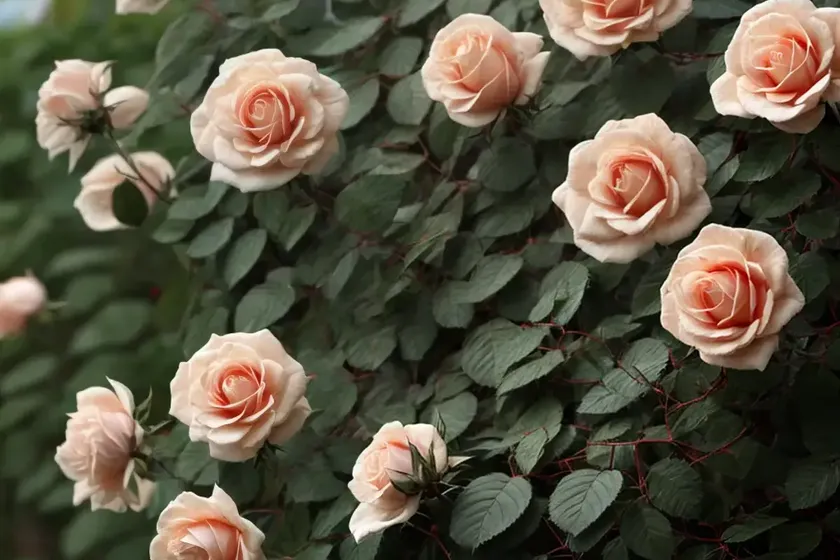
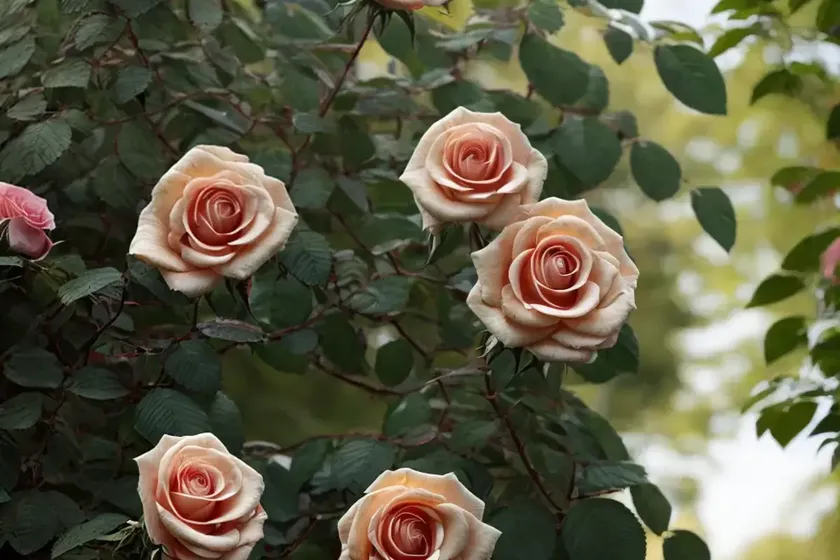

What is Rosa America (Climbing Rose)?
The Rosa America, a variety of the climbing rose, is a stunning and versatile plant that adds a touch of elegance and beauty to any garden or landscape. Known for its vigorous growth and captivating blooms, it is a favorite among gardeners and landscaping enthusiasts. In this blog post, we will explore the key characteristics, growing requirements, care tips, and interesting facts about the Rosa America climbing rose.
Key Takeaways – Rosa America (Climbing Rose)
Before delving into the details of cultivating and caring for the Rosa America climbing rose, let’s go over some key takeaways about this exquisite plant:
- Botanical Name: Rosa America
- Plant Type: Climbing Rose
- Characteristics: Vigorous growth, stunning blooms, versatility
- Key Growing Factors: Water, sunlight, fertilizer, soil, pruning, propagation
- Common Diseases: Black spot, powdery mildew, rust
- Common Pests: Aphids, thrips, spider mites
Now, let’s explore each of these aspects in detail to gain a comprehensive understanding of how to cultivate and nurture the Rosa America climbing rose.
Culture
The culture of the Rosa America climbing rose encompasses various factors such as water, sunlight, soil, and fertilizer requirements. Understanding the cultural needs of this plant is crucial for ensuring its healthy growth and abundant blooms.
Water
Proper watering is essential for the health and vitality of the Rosa America climbing rose. While this plant is relatively drought-tolerant once established, regular watering is necessary, especially during hot and dry periods. Adequate moisture helps promote robust growth and vibrant flowering.
- Watering Tips:
- Water deeply to encourage deep root establishment.
- Provide consistent moisture, especially during the growing season and in times of drought.
- Avoid waterlogged conditions, as this can lead to root rot and other problems.
Sunlight
Sunlight plays a crucial role in the growth and flowering of the Rosa America climbing rose. This plant thrives in locations with ample sunlight, preferably receiving at least 6-8 hours of direct sunlight daily.
- Sunlight Requirements:
- Plant in a location with full sun for optimal growth and flowering.
- Ensure that the plant receives adequate sunlight throughout the day, especially during the blooming season.
Fertilizer
Feeding the Rosa America climbing rose with a balanced and appropriate fertilizer is essential for supporting its overall health and promoting abundant blooms. A well-considered fertilization routine can significantly enhance the plant’s vigor and floral display.
- Fertilizer Recommendations:
- Use a high-quality, slow-release fertilizer formulated for roses.
- Apply fertilizer in early spring as new growth emerges, and then periodically throughout the growing season.
- Follow the manufacturer’s instructions regarding application rates and frequency.
Soil
The soil composition and quality directly impact the Rosa America climbing rose’s growth, flowering, and overall well-being. Well-draining, nutrient-rich soil provides an ideal foundation for this plant to thrive.
- Soil Requirements:
- Plant in loamy, well-draining soil with good fertility.
- Amend heavy or compacted soil with organic matter to improve its texture and nutrient content.
- Maintain soil pH in the slightly acidic to neutral range for optimal nutrient uptake.
Pruning
Pruning is an essential practice for maintaining the health, shape, and flowering abundance of the Rosa America climbing rose. Proper pruning helps remove dead or diseased wood, encourages new growth, and shapes the plant to the desired form.
- Pruning Techniques:
- Prune in late winter or early spring before new growth begins.
- Remove dead, damaged, or crossing branches to promote air circulation and reduce disease risk.
- Encourage outward growth by pruning to an outward-facing bud or leaflet.
Propagation
Propagating the Rosa America climbing rose allows gardeners to expand their collection of this beautiful plant or share it with fellow gardening enthusiasts. Several propagation methods, such as stem cuttings and layering, can be employed to propagate this rose variety successfully.
- Propagation Methods:
- Take softwood or hardwood stem cuttings from healthy, disease-free plants for propagation.
- Utilize layering, where a portion of a branch is bent to the ground, secured, and allowed to root while still attached to the parent plant.
Container Popularity
The Rosa America climbing rose’s popularity as a container plant has been on the rise, owing to its versatility and stunning visual impact in container gardens and urban settings.
- Advantages of Container Cultivation:
- Enables gardeners with limited space to enjoy the beauty of climbing roses.
- Allows for easy mobility and placement in various outdoor settings.
- Provides an excellent option for growing the Rosa America climbing rose in areas with less-than-ideal soil conditions.
Common Diseases
Like many ornamental plants, the Rosa America climbing rose is susceptible to certain diseases that can affect its health and appearance. Understanding these common diseases and their management is crucial for protecting the plant from potential threats.
Disease Diagnosis
Accurately diagnosing and identifying diseases affecting the Rosa America climbing rose is vital for implementing effective control measures. Common diseases that may afflict this rose variety include:
- Black Spot (Diplocarpon rosae): Recognized by the appearance of black spots on the leaves, often surrounded by yellowing.
- Powdery Mildew (Podosphaera pannosa): Manifests as a powdery, white substance on the leaves and stems.
- Rust (Phragmidium spp.): Causes reddish-brown or orange rust-like pustules on the undersides of the leaves.
Disease Management
Implementing proper cultural practices and, if necessary, targeted treatments can help minimize the impact of common diseases on the Rosa America climbing rose.
- Preventative Measures:
- Ensure proper spacing and adequate airflow between plants to reduce humidity and minimize disease spread.
- Water at the base of the plant to keep foliage dry and reduce the risk of fungal diseases.
- Remove and dispose of any infected plant material to prevent the spread of disease.
Common Pests
Various pests may pose a threat to the health and vitality of the Rosa America climbing rose. Identifying these common pests and understanding their control measures is essential for preserving the plant’s well-being.
Most Common Pests
Some of the most common pests that may affect the Rosa America climbing rose include:
- Aphids: Small, soft-bodied insects that often congregate on new growth and flower buds, sucking plant juices.
- Thrips: Tiny insects that feed on leaves and flower buds, causing stippling and distortion.
- Spider Mites: Nearly microscopic pests that can cause webbing and stippling damage on the leaves.
Pest Control Measures
Several approaches, including cultural, biological, and chemical methods, can be employed to manage and control pest infestations on the Rosa America climbing rose.
- Cultural Control:
- Regularly inspect the plant for early signs of pest infestations.
- Encourage natural predators such as ladybugs and lacewings to help control aphid populations.
Botanist’s Tips
As a plant scientist and botanist, I have some valuable tips to share with fellow gardening enthusiasts regarding the successful cultivation and care of the Rosa America climbing rose.
Expert Recommendations
- Soil Preparation: Prior to planting, ensure the soil is well-prepared with the addition of organic matter to promote healthy root development.
- Support Structures: Install sturdy trellises or other support structures for the climbing rose to ensure proper growth and form.
- Consistent Pruning: Regular and careful pruning is essential for maintaining the plant’s shape, promoting flowering, and preventing disease.
Fun Facts
To add a touch of fascination and intrigue, here are some fun and interesting facts about the Rosa America climbing rose:
- The Rosa America climbing rose is renowned for its captivating fragrance, adding a delightful aroma to outdoor spaces.
- This rose variety comes in a range of colors, including shades of pink, red, white, and even yellow, offering a spectrum of visual appeal.
- The Rosa America climbing rose is a favorite among pollinators, attracting bees, butterflies, and other beneficial insects to the garden.
Links to External Resources
To further expand your knowledge and explore additional information about the Rosa America climbing rose, I recommend checking out the following external resources:
- American Rose Society
- Royal Horticultural Society – Climbing Roses
- University of California Agriculture and Natural Resources – Integrated Pest Management for Roses
With its stunning blooms, vigorous climbing habit, and captivating fragrance, the Rosa America climbing rose stands as a timeless favorite in gardens and landscapes. By understanding and catering to its specific growing requirements, enthusiasts can cultivate and enjoy the beauty of this exceptional floral specimen. Whether trained on a trellis, pergola, or grown in a container, the Rosa America climbing rose brings an enduring charm to outdoor spaces and continues to captivate the hearts of gardening enthusiasts worldwide.


