Rock Crane’s-bill (Geranium Macrorrhizum)
Plants play a crucial role in the ecological balance and biodiversity of our planet. Not only do plants beautify our surroundings, but they also contribute.

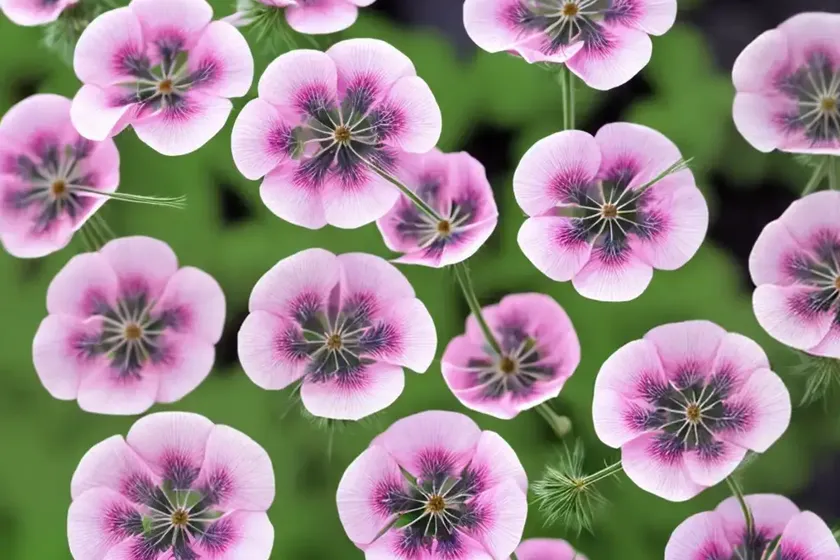
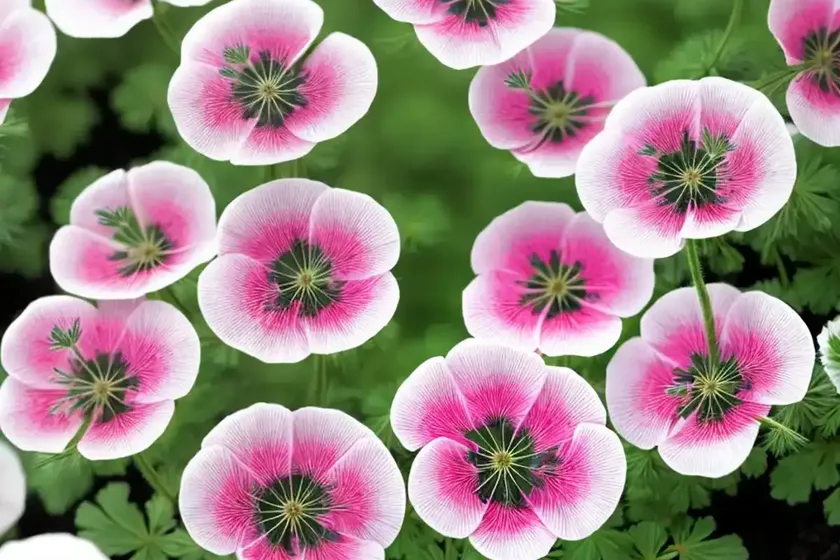
Plants play a crucial role in the ecological balance and biodiversity of our planet. Not only do plants beautify our surroundings, but they also contribute significantly to our well-being. As a plant scientist, I am particularly fascinated by the Rock Crane’s-bill, scientifically known as Geranium macrorrhizum. In this comprehensive guide, we will delve into the cultural aspects, uses, care, and maintenance of this fascinating plant.
About the Rock Crane’s-bill (Geranium macrorrhizum)
The Rock Crane’s-bill, or Geranium macrorrhizum, is a perennial plant belonging to the Geraniaceae family. It is native to the mountainous regions of Central and Southeastern Europe and is renowned for its ornamental value and adaptability. Known for its attractive foliage and delicate flowers, this plant has become a favorite among gardeners and landscapers. The genus name “Geranium” is derived from the Greek word “geranos,” which means crane, alluding to the long beak-like fruit of the plant.
Key Takeaways – Rock Crane’s-bill (Geranium macrorrhizum)
Before we delve into the detailed care and maintenance of Geranium macrorrhizum, let’s explore some key takeaways of this fascinating plant.
- Scientific Name: Geranium macrorrhizum
- Common Name: Rock Crane’s-bill
- Family: Geraniaceae
- Native Habitat: Central and Southeastern Europe
- Type: Perennial
- Ornamental Value: Attractive foliage and delicate flowers
- Adaptability: Well-suited for garden and landscape cultivation
Now that we have a general understanding of the Rock Crane’s-bill, let’s explore its cultural and horticultural aspects, including its uses and maintenance requirements.
Culture
Understanding the cultural requirements of the Rock Crane’s-bill is crucial for successful cultivation. From water and sunlight needs to soil requirements and pruning techniques, each aspect contributes to the overall health and vibrancy of the plant.
Uses
The Rock Crane’s-bill (Geranium macrorrhizum) has a wide range of uses, making it a versatile addition to gardens and landscapes.
- Ornamental Purposes: The attractive foliage and delicate, long-lasting flowers make it a popular choice for ornamental plantings.
- Groundcover: Its spreading habit and dense growth make it an excellent groundcover, providing greenery and suppressing weeds.
- Erosion Control: The extensive root system of Geranium macrorrhizum makes it an effective erosion control plant on slopes and embankments.
- Pollinator Support: The nectar-rich flowers attract pollinators, making it an essential component of pollinator-friendly gardens.
- Medicinal Properties: In traditional herbal medicine, Geranium macrorrhizum has been used for its astringent and anti-inflammatory properties.
These diverse uses highlight the versatility and value of the Rock Crane’s-bill in horticulture and ecological landscaping.
Water
Proper watering is essential for the health and vitality of the Rock Crane’s-bill. While it is known for its adaptability to different moisture levels, achieving a balance is crucial.
- Establishment: During the establishment phase, regular watering is essential to ensure that the plant develops a strong root system. Typically, consistent moisture is beneficial during this phase.
- Mature Plants: Once established, Geranium macrorrhizum showcases good drought tolerance. While it can withstand dry periods, regular watering during prolonged dry spells can maintain its vigor and flowering capacity.
By understanding the water needs of Geranium macrorrhizum, gardeners can ensure its long-term health and flourishing growth.
Sunlight
Adequate sunlight is vital for the overall growth and flowering of the Rock Crane’s-bill. Understanding its sunlight requirements is crucial for optimizing its performance in the garden.
- Full Sun to Partial Shade: Geranium macrorrhizum thrives in a range of light conditions, from full sun to partial shade. However, some protection from intense midday sun in hot climates is beneficial.
- Optimal Light Exposure: Providing the plant with the right balance of sunlight ensures robust growth and abundant flowering.
By placing Geranium macrorrhizum in locations that meet its sunlight needs, gardeners can maximize its ornamental value and vitality.
Fertilizer
While the Rock Crane’s-bill is known for its adaptability and relatively low maintenance, providing it with some nutritional support can enhance its vigor and blooming potential.
- Organic Matter: Incorporating organic matter such as compost into the soil during planting provides a nutrient boost and improves soil structure.
- Balanced Fertilization: During the growing season, applying a balanced, all-purpose fertilizer at a moderate rate can promote healthy growth and vibrant blooms.
Striking the right balance with fertilization ensures the plant’s nutritional needs are met without excessive stimulation that can lead to leggy growth.
Soil
The soil composition and structure play a critical role in the overall health and performance of Geranium macrorrhizum. Understanding its soil requirements is paramount for successful cultivation.
- Well-Drained Soil: Geranium macrorrhizum thrives in well-drained soil and is susceptible to root rot in waterlogged conditions.
- pH Preference: It prefers slightly acidic to neutral soil (pH 6.0-7.0) but can tolerate a slightly wider pH range.
- Soil Amendments: Adding organic matter to the soil at planting time can improve its fertility, moisture retention, and texture, creating an optimal growing environment for the plant.
By understanding and addressing the soil needs of the Rock Crane’s-bill, gardeners can ensure its long-term health and vitality.
Pruning
Pruning is an essential aspect of Geranium macrorrhizum maintenance, contributing to its aesthetic appeal and overall vigor.
- Spring Pruning: In early spring, removing the previous year’s growth rejuvenates the plant and stimulates fresh, new growth.
- Deadheading: Regular deadheading of spent flowers promotes continuous blooming and prevents self-seeding, particularly in garden settings.
Proper pruning techniques help maintain the attractive appearance of the Rock Crane’s-bill and encourage robust, healthy growth.
Propagation
The ability to propagate Geranium macrorrhizum through various methods allows gardeners to expand their plantings and share its beauty with others.
- Division: Dividing mature clumps in early spring or late summer is a simple and effective method of propagation.
- Softwood Cuttings: Taking softwood cuttings in late spring or early summer and rooting them in a suitable growing medium can also yield new plants.
Understanding these propagation methods empowers gardeners to propagate and propagate Geranium macrorrhizum effectively.
Container Popularity
Geranium macrorrhizum’s adaptability and low maintenance make it an excellent candidate for container gardening.
- Container Growing: It thrives in containers, making it an attractive option for small gardens, balconies, and patios.
- Aesthetic Appeal: The attractive foliage and delicate flowers of the Rock Crane’s-bill add visual interest to container plantings, whether used on their own or combined with other companion plants.
- Versatility: Its adaptability to various light conditions and soil types further enhances its popularity for container gardening.
By recognizing its suitability for container cultivation, gardeners can incorporate the Rock Crane’s-bill into a wide range of urban and small-space gardening settings.
Container Common Diseases
While the Rock Crane’s-bill is relatively resistant to diseases, it is essential to be aware of potential issues and preventive measures.
- Root Rot: Overly wet or poorly drained soil can lead to root rot, making it crucial to ensure proper soil drainage, particularly in container plantings.
- Powdery Mildew: In humid conditions, powdery mildew can affect the foliage. Adequate air circulation and avoiding overhead watering can help prevent this fungal disease in container-grown plants.
Understanding potential diseases in container settings equips gardeners to implement preventive strategies and maintain the health of Geranium macrorrhizum.
Disease diagnosis
Early detection and accurate diagnosis of diseases are crucial for effective disease management.
- Symptoms: Common symptoms of diseases in Geranium macrorrhizum may include wilting, yellowing or browning of leaves, abnormal growth, or the presence of powdery or fuzzy growth on the foliage.
- Professional Consultation: If any unusual symptoms are observed, seeking advice from local agricultural extension services or plant health professionals can aid in accurate disease diagnosis and management.
By staying vigilant and seeking professional assistance when necessary, gardeners can address potential diseases promptly and effectively.
Common pests
While Geranium macrorrhizum is relatively resistant to pests, being aware of potential insect adversaries is important for proactive pest management.
- Aphids: These small, sap-sucking insects can infest the tender new growth of the Rock Crane’s-bill. Regular monitoring and using natural predators or insecticidal soaps can help control aphid populations.
- Slugs and Snails: In humid climates, slugs and snails can feed on the foliage and flowers. Using physical barriers and organic slug and snail baits can minimize their impact on the plant.
By staying informed about common pests and implementing preventive measures, gardeners can maintain the health and beauty of Geranium macrorrhizum.
Botanist’s Tips
As a plant scientist, I aim to share some expert tips that can aid in the successful cultivation of Geranium macrorrhizum.
- Mulching: Applying a layer of organic mulch around the plant helps retain soil moisture, suppresses weeds, and moderates soil temperature, contributing to the overall health of the Rock Crane’s-bill.
- Companion Plants: Pairing Geranium macrorrhizum with other plants that share its cultural requirements and aesthetic appeal can enhance the visual and ecological value of the garden.
- Wildlife Attraction: The nectar-rich flowers of the Rock Crane’s-bill attract pollinators, making it a valuable addition to wildlife-friendly gardens.
By integrating these tips into their cultivation practices, gardeners can optimize the growth and beauty of Geranium macrorrhizum in their gardens.
Fun facts
To further appreciate the Rock Crane’s-bill and its ecological and cultural significance, here are a few fun facts about Geranium macrorrhizum:
- The species name “macrorrhizum” is derived from the Greek words “makros,” meaning large, and “rhiza,” meaning root, referring to the plant’s extensive rhizomes.
- In addition to its ornamental and ecological value, Geranium macrorrhizum has been used in traditional medicine for its astringent and anti-inflammatory properties.
- The Rock Crane’s-bill is a valuable source of nectar for a variety of pollinators, including bees, butterflies, and hummingbirds, contributing to the biodiversity of its habitat.
These fun facts shed light on the multifaceted value of Geranium macrorrhizum beyond its ornamental appeal.
Links to External Resources
To further aid in understanding and cultivating the Rock Crane’s-bill (Geranium macrorrhizum), here are some external resources for additional information:
- Geranium macrorrhizum: A Comprehensive Plant Guide
- Cultivating Rock Crane’s-bill: Expert Tips and Techniques
- The Beauty of Geranium macrorrhizum in Landscape Designs
- Pollinator-Friendly Gardening with Geranium macrorrhizum
- Medicinal Properties of Geranium macrorrhizum
These resources provide valuable insights and practical recommendations for the cultivation and care of Geranium macrorrhizum.
In conclusion, the Rock Crane’s-bill (Geranium macrorrhizum) stands out as a versatile and resilient plant with numerous ornamental, ecological, and cultural values. By understanding its cultural requirements, uses, and maintenance techniques, gardeners can harness the full potential of this remarkable plant, contributing to the beauty and biodiversity of their surroundings.
Plant Name: “Rock Crane’s-bill (Geranium macrorrhizum)”
Keywords: Geranium macrorrhizum care, Rock crane’s-bill plant, Geranium macrorrhizum varieties, Rock crane’s-bill gardening tips, Geranium macrorrhizum planting guide, Rock crane’s-bill propagation methods, Geranium macrorrhizum outdoor cultivation, Rock crane’s-bill soil requirements, Geranium macrorrhizum sunlight needs, Rock crane’s-bill watering schedule, Geranium macrorrhizum disease prevention, Rock crane’s-bill pest control, Geranium macrorrhizum companion plants, Rock crane’s-bill garden design ideas, Geranium macrorrhizum container gardening, Rock crane’s-bill landscape uses, Geranium macrorrhizum pruning techniques, Rock crane’s-bill foliage characteristics, Geranium macrorrhizum flower colors, Rock crane’s-bill pollinator attraction, Geranium macrorrhizum medicinal properties, Rock crane’s-bill culinary uses, Geranium macrorrhizum wildlife habitat, Rock crane’s-bill hardiness zones, Geranium macrorrhizum seasonal care, Rock crane’s-bill groundcover options, Geranium macrorrhizum container-friendly plants, Rock crane’s-bill border companion plants, Geranium macrorrhizum drought tolerance, Rock crane’s-bill heat resistance, Geranium macrorrhizum frost protection, Rock crane’s-bill naturalizing options, Geranium macrorrhizum shade gardening, Rock crane’s-bill sun requirements, Geranium macrorrhizum water-wise gardening, Rock crane’s-bill soil amendment suggestions, Geranium macrorrhizum landscape maintenance, Rock crane’s-bill deer-resistant plants, Geranium macrorrhizum butterfly-friendly flowers, Rock crane’s-bill hummingbird attractants, Geranium macrorrhizum low-maintenance plants, Rock crane’s-bill front yard landscaping, Geranium macrorrhizum backyard garden ideas, Rock crane’s-bill vertical gardening, Geranium macrorrhizum natural pest control, Rock crane’s-bill organic gardening practices, Geranium macrorrhizum eco-friendly landscaping, Rock crane’s-bill sustainable gardening tips, Geranium macrorrhizum native plants, Rock crane’s-bill ecological benefits.
In this regard, the Rock Crane’s-bill (Geranium macrorrhizum) serves as an exemplary illustration of the synergies between ecological sustainability and ornamental horticulture, enriching our landscapes and nurturing biodiversity.
This blog post provides a comprehensive guide to the cultivation and care of the Rock Crane’s-bill (Geranium macrorrhizum). With detailed insights into its cultural requirements, uses, and maintenance techniques, this guide aims to empower gardeners in fostering the beauty and vitality of this remarkable plant.


