Rock Cotoneaster (Cotoneaster Horizontalis)
Rock Cotoneaster, scientifically known as Cotoneaster Horizontalis, is a small, deciduous shrub belonging to the Rosaceae family. This charming shrub is.
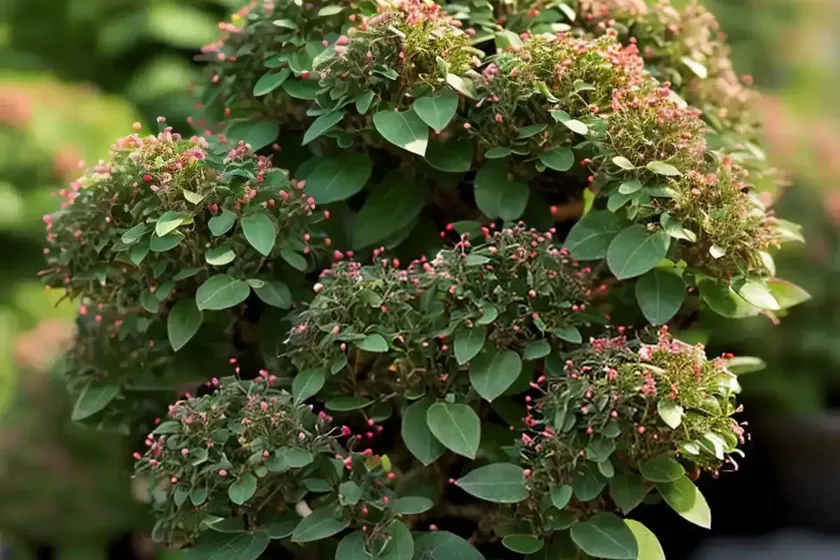
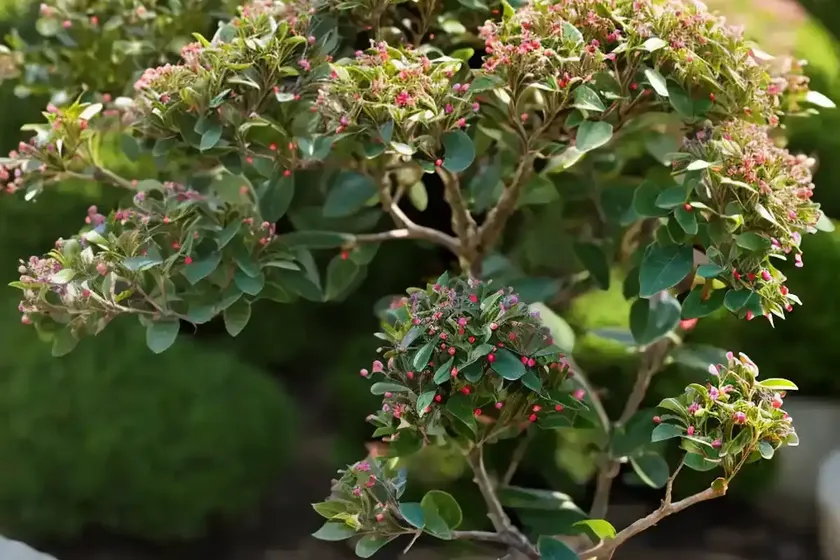
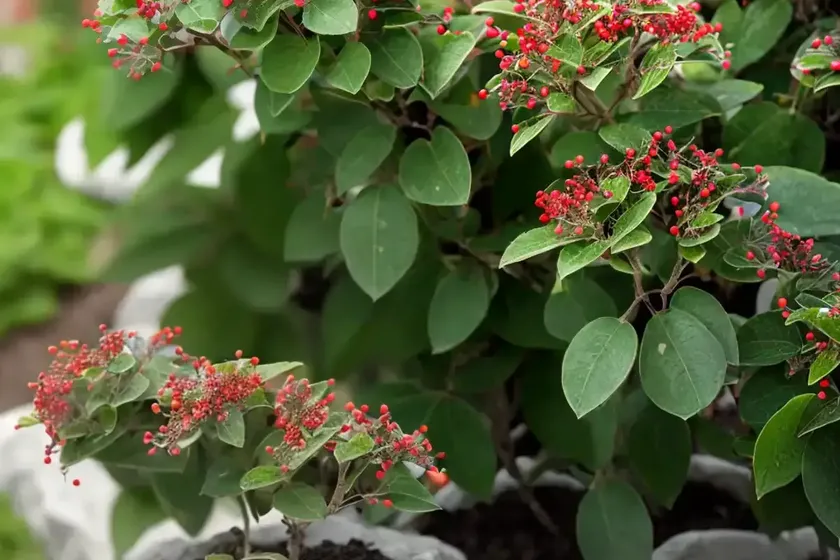
Rock Cotoneaster, scientifically known as Cotoneaster Horizontalis, is a small, deciduous shrub belonging to the Rosaceae family. This charming shrub is native to the regions of Western China and the Himalayas, and it is widely cultivated for its ornamental appeal, low-maintenance nature, and versatile landscaping uses. Its low and spreading habit, clusters of white to pale pink flowers, glossy green foliage, and vibrant red berries in the fall make it a popular choice among gardeners and landscapers.
In this comprehensive guide, we will delve into the various aspects of Rock Cotoneaster, including its culture, uses, care requirements, propagation, common diseases, and more. Whether you are a novice gardener or an experienced horticulturist, this guide aims to provide valuable insights into cultivating and maintaining this beautiful shrub in your garden or landscape.
Table of Contents
- Introduction to Rock Cotoneaster
- Cultural Requirements
- Pruning and Maintenance
- Container Gardening
- Popularity and Common Uses
- Common Diseases and Pest Management
- Botanist’s Tips and Fun Facts
- Links to External Resources
Let’s embark on a journey to explore the fascinating world of Rock Cotoneaster and uncover the secrets to successfully nurturing this ground-hugging shrub.
Introduction to Rock Cotoneaster
Rock Cotoneaster, with its formal botanical name Cotoneaster Horizontalis, is an enchanting deciduous shrub that typically grows to a height of 2-3 feet and spreads horizontally to form a dense mat of foliage. It is characterized by its low and spreading growth habit, making it an ideal choice for ground cover, rock gardens, slopes, and low borders. The name “Rock Cotoneaster” stems from its suitability for rockeries and its ability to cascade over walls and embankments, adding visual interest and texture to the landscape.
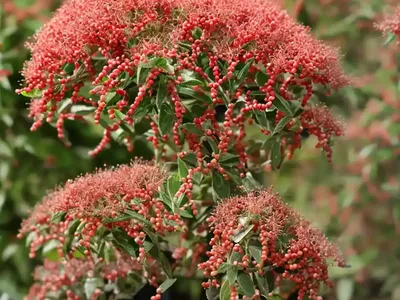
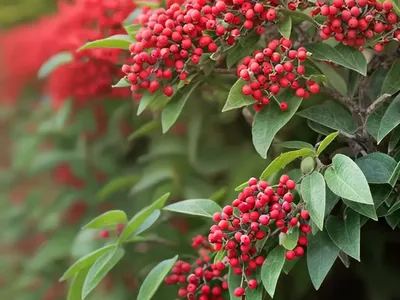
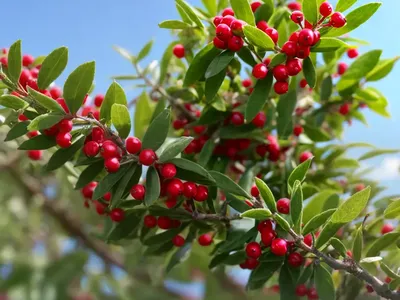
This versatile plant is adorned with small, ovate leaves that turn a spectacular red-orange hue in the autumn, creating a stunning display of fall color. Additionally, in late spring to early summer, Rock Cotoneaster produces delicate, five-petaled white to pale pink flowers that give way to bright red berries in the fall, which persist into the winter, providing food for birds and adding ornamental value to the winter garden.
Key Takeaways – Rock Cotoneaster (Cotoneaster Horizontalis)
Before delving into the specific aspects of Rock Cotoneaster, let’s explore the key takeaways or the main characteristics and features that make this plant a valuable addition to any garden or landscape:
- Low and spreading growth habit, ideal for ground cover and slopes.
- Clusters of white to pale pink flowers in late spring to early summer.
- Glossy, dark green foliage turning vibrant red-orange in the fall.
- Abundant, bright red berries in the fall and winter, attracting birds.
- Well-suited for rockeries, walls, borders, and urban gardening.
- Adaptable and low-maintenance plant with year-round interest.
- Provides erosion control and offers wildlife benefits.
Now that we have a basic understanding of Rock Cotoneaster, let’s delve into the specific cultural requirements and care guidelines for nurturing this beautiful shrub.
Cultural Requirements
The successful cultivation of Rock Cotoneaster largely hinges on providing the optimal growing conditions that mimic its natural habitat. From water and sunlight to soil and fertilization, understanding the plant’s cultural requirements is essential for promoting healthy growth and ensuring an abundance of flowers and berries.
Water
Rock Cotoneaster exhibits moderate water needs, especially during its establishment phase. While it can tolerate drought once established, adequate moisture during the initial stages of growth and during extended dry periods is crucial for promoting optimal growth and flowering. The following guidelines can help in determining the watering needs for Rock Cotoneaster:
-
Establishment Period: Water newly planted Rock Cotoneaster regularly, ensuring that the soil is consistently moist but not waterlogged. This is particularly important during the first growing season to facilitate the development of a healthy root system.
-
Mature Plants: Once established, Rock Cotoneaster is relatively drought-tolerant and can withstand dry conditions. However, during prolonged periods of drought, it is advisable to provide supplementary watering to prevent the soil from becoming excessively dry.
-
Irrigation: When irrigating Rock Cotoneaster, a deep and thorough watering is preferable to frequent shallow watering. This helps promote deep root growth and enhances the plant’s resilience to drought conditions.
-
Mulching: Applying a layer of organic mulch around the base of the shrub can help conserve soil moisture, regulate soil temperature, and suppress weed growth, contributing to the overall health and moisture retention of the plant.
Sunlight
Rock Cotoneaster thrives in full sun to partial shade, displaying its best growth and blooming potential in a sunny location. When selecting a planting site for Rock Cotoneaster, consider the following sunlight requirements:
-
Full Sun: Ideally, provide a planting site that receives at least 6-8 hours of direct sunlight per day. In full sun, Rock Cotoneaster exhibits vigorous growth, abundant flowering, and a profusion of berries, contributing to its ornamental appeal.
-
Partial Shade: While Rock Cotoneaster prefers full sun, it can tolerate partial shade, especially in hot climates or during intense afternoon sunlight. In such conditions, the plant may flower and fruit slightly less abundantly but will still thrive and maintain its attractive foliage.
-
Site Selection: When planning the placement of Rock Cotoneaster in the landscape, choose a location that receives ample sunlight and has well-drained soil to ensure the plant’s vitality and aesthetic appeal.
Fertilizer
Rock Cotoneaster is a relatively low-maintenance plant when it comes to fertilization, and it generally thrives without the need for frequent feeding. However, providing the plant with some nutrients can benefit its overall health and promote robust growth and flowering. Consider the following guidelines for fertilizing Rock Cotoneaster:
-
Fertilizer Type: A balanced, slow-release fertilizer formulated for shrubs and flowering plants can be applied in spring before new growth begins. Alternatively, using a fertilizer specifically designed for woody plants or fruit-bearing shrubs can provide the necessary nutrients for optimal performance.
-
Application Method: Spread the fertilizer evenly around the base of the plant, avoiding direct contact with the stems. Water the area thoroughly after applying the fertilizer to incorporate it into the soil and facilitate nutrient uptake.
-
Frequency: Fertilize Rock Cotoneaster once a year during the spring months, preferably before the onset of new growth. Over-fertilization should be avoided, as it can lead to excessive vegetative growth at the expense of flowering and fruiting.
-
Organic Alternatives: For those preferring organic options, incorporating well-rotted compost or aged manure around the base of Rock Cotoneaster in spring can provide a gentle nutrient boost and improve the soil structure.
Soil
Well-drained and moderately fertile soil is essential for the successful cultivation of Rock Cotoneaster. The plant thrives in various soil types, including loamy, sandy, or clay soils, as long as they offer good drainage and are not excessively waterlogged. Consider the following soil-related factors when growing Rock Cotoneaster:
-
Drainage: Ensure that the planting site has adequate drainage to prevent waterlogging, as Rock Cotoneaster is susceptible to root rot in poorly drained soils. Amending heavy clay soils with organic matter or sand can improve drainage and enhance the soil structure.
-
Soil pH: Rock Cotoneaster tolerates a wide range of soil pH levels, including slightly acidic to slightly alkaline soils. A pH range of 6.0-7.5 is generally suitable for promoting healthy growth and optimum nutrient uptake.
-
Soil Moisture: While the plant can endure periods of dryness once established, maintaining consistent soil moisture, especially during hot and dry periods, is beneficial for its overall health, flowering, and berry production.
-
Soil Amendment: Incorporating organic matter, such as compost or well-rotted manure, into the soil at the time of planting can help enrich the soil, improve its structure, and provide essential nutrients to facilitate healthy growth.
-
Mulching: Applying a layer of organic mulch, such as shredded bark or compost, around the base of Rock Cotoneaster can aid in moisture retention, weed suppression, and temperature regulation, while also enriching the soil as it decomposes.
Now that we have covered the fundamental cultural requirements of Rock Cotoneaster, let’s move on to the aspects of pruning and maintenance, which are integral for shaping the plant’s growth and promoting its aesthetic appeal.
Pruning and Maintenance
Proper pruning and maintenance practices are essential for enhancing the shape, density, and overall appearance of Rock Cotoneaster, while also promoting vigorous growth, flowering, and fruiting. Pruning is also an opportune time to address any damaged or diseased branches, manage the plant’s size, and encourage a balanced and attractive form.
Pruning
Rock Cotoneaster generally requires minimal pruning, primarily focused on the removal of dead, damaged, or diseased wood, as well as light shaping to maintain a tidy and well-structured appearance. Here are some key considerations when pruning Rock Cotoneaster:
-
Timing: Pruning can be carried out in late winter to early spring before the onset of new growth. This allows for the removal of any winter damage, shaping of the plant, and the encouragement of new growth and flowering in the upcoming season.
-
Tools: Use sharp and clean bypass pruners or loppers for making precise cuts on Rock Cotoneaster. Disinfecting the tools with a diluted bleach solution before and after use can help prevent the spread of diseases.
-
Pruning Objectives: When pruning Rock Cotoneaster, focus on removing dead, damaged, or crossing branches, as well as thinning out any excessively dense growth to improve air circulation and light penetration. Light shaping can also be performed to maintain an attractive and symmetrical form, especially for plants used as ground cover or in formal settings.
-
Cutting Technique: Make pruning cuts just above a healthy bud or lateral branch, ensuring that the angle of the cut promotes outward growth and prevents water accumulation. Avoid leaving stubs or making excessively long cuts that can impede the healing process.
Propagation
Rock Cotoneaster can be propagated through various methods, including seeds, cuttings, and layering. Each propagation method offers its own set of advantages and considerations, and selecting the most suitable approach depends on the availability of materials, time constraints, and the desired number of new plants. Here’s an overview of the propagation techniques for Rock Cotoneaster:
-
Seeds: Propagating Rock Cotoneaster from seeds is a viable method for producing new plants, though it can take longer to establish compared to other techniques. Gather the red berries in the fall, extract the seeds, and sow them in seed-starting trays. Provide a well-draining and slightly moist growing medium and maintain consistent moisture levels until germination occurs.
-
Cuttings: Softwood or hardwood cuttings can be used to propagate Rock Cotoneaster, with softwood cuttings being taken in late spring to early summer, and hardwood cuttings in late autumn to winter. Select healthy, disease-free stems, and prepare cuttings measuring 4-6 inches in length. Dip the cuttings in rooting hormone to encourage root development and plant them in a well-draining rooting medium.
-
Layering: Air layering or simple layering can also be employed to propagate Rock Cotoneaster, where a portion of a stem is encouraged to root while still attached to the parent plant. This method can be particularly useful for obtaining a mature and rooted plant without the need to sever it from the parent immediately.
By understanding these propagation methods and their requirements, gardeners can successfully multiply their Rock Cotoneaster plants and expand their landscape or share the beauty of this attractive shrub with others.
Container Gardening
Rock Cotoneaster is well-suited for container gardening, bringing its ornamental beauty and low-maintenance nature to patios, balconies, and urban landscapes. When growing Rock Cotoneaster in containers, it is important to provide the necessary care and growing conditions to ensure the plant’s health and vitality. Here are some guidelines for successful container gardening with Rock Cotoneaster:
-
Container Selection: Choose a container that provides ample room for the plant’s root system to grow and is equipped with drainage holes to prevent waterlogging. A deep and wide container allows for optimal root development and provides stability for the spreading growth habit of Rock Cotoneaster.
-
Growing Medium: Use a well-draining and nutrient-rich potting mix formulated for shrubs and woody plants. Ensure that the growing medium retains moisture without becoming waterlogged and provides the necessary support for the plant.
-
Watering: Container-grown Rock Cotoneaster may require more frequent watering compared to plants in the ground, especially during hot and dry periods. Monitor the moisture levels in the soil and water the plant thoroughly whenever the top inch of the soil feels dry to the touch.
-
Sunlight: Position the container in a location that receives ample sunlight, such as a south-facing or west-facing area, to ensure that the plant thrives and displays its best growth and ornamental features.
-
Fertilization: Fertilize container-grown Rock Cotoneaster with a balanced, slow-release fertilizer designed for shrubs and potted plants. Follow the recommended application rates and frequency to provide the plant with essential nutrients for healthy growth and flowering.
-
Overwintering: In regions with cold winters, provide protection to container-grown Rock Cotoneaster by moving it to a sheltered location, wrapping the container with insulation, or mulching the soil surface to safeguard the roots from freezing temperatures.
By adhering to these guidelines, gardeners can cultivate vibrant and healthy Rock Cotoneaster specimens in containers, bringing an eye-catching display of foliage, flowers, and berries to their outdoor spaces.
Popularity and Common Uses
Rock Cotoneaster’s popularity stems from its versatile and visually appealing nature, making it a sought-after choice for various landscaping and gardening applications. This section explores some common uses and applications of Rock Cotoneaster in the garden and landscape:
-
Ground Cover: Due to its low and spreading growth habit, Rock Cotoneaster is frequently used as a ground cover to carpet slopes, embankments, and open areas with its dense foliage, creating an attractive and weed-suppressing cover.
-
Rock Gardens: The plant’s name “Rock Cotoneaster” signifies its suitability for rock gardens, where its cascading form, colorful foliage, and berries add texture and interest to the rocky landscape, softening hard edges and integrating seamlessly with other alpine plants.
-
Borders and Edging: Rock Cotoneaster is often used to define borders, edges of pathways, and garden beds, where its low profile and vibrant seasonal features serve as an attractive delineation and transition between different areas of the landscape.
-
Slopes and Erosion Control: With its creeping and stabilizing growth habit, Rock Cotoneaster is valuable for planting on slopes and hillsides to prevent soil erosion, enhance soil stability, and create a visually appealing and functional solution for challenging terrain.
-
Wildlife Gardens: The flowers of Rock Cotoneaster attract pollinators, while its berries serve as a food source for birds during the fall and winter. Incorporating this shrub into wildlife-friendly gardens or naturalized areas benefits local wildlife and contributes to ecological diversity.
-
Containers and Urban Landscapes: In urban settings, Rock Cotoneaster excels as a container plant, bringing its ornamental features and low-maintenance nature to patios, rooftops, and small outdoor spaces, enhancing the greenery and aesthetic appeal of the urban environment.
-
Companion Planting: Rock Cotoneaster complements a wide range of companion plants, including other shrubs, perennials and ground covers, providing a harmonious blend of textures, colors, and seasonal interest in mixed plantings and themed landscapes.
-
Formal and Informal Design: Whether used in formal landscapes for its neat and tidy appearance or in more naturalistic settings for its organic and unrestrained growth, Rock Cotoneaster offers design flexibility and versatility to suit various garden styles and themes.
By considering these common uses and applications, gardeners and landscapers can leverage the unique features of Rock Cotoneaster to create stunning and functional landscapes and outdoor spaces.
Common Diseases and Pest Management
While Rock Cotoneaster is generally a resilient and disease-resistant plant, it is susceptible to certain pests and diseases under unfavorable growing conditions or in stressed environments. Understanding the common diseases and pests that affect Rock Cotoneaster, along with their diagnosis and management, is crucial for maintaining the plant’s health and vitality.
Disease Diagnosis
Rock Cotoneaster may encounter the following diseases, which can impede its growth and detract from its ornamental appeal:
-
Fire Blight (Erwinia amylovora): Fire blight, a bacterial disease, can affect various members of the Rosaceae family, including Cotoneaster species. Symptoms include wilting, blackening of shoots and leaves, and the formation of cankers. Prune and destroy infected plant parts, and consider using disease-resistant varieties in regions prone to fire blight.
-
Powdery Mildew: Powdery mildew, caused by fungal pathogens, can lead to a white powdery coating on the foliage and may affect the overall vigor of the plant. Improve air circulation, avoid overhead watering, and consider applying fungicidal treatments to manage powdery mildew.
-
Anthracnose: Anthracnose, manifested by dark, sunken lesions on leaves and stems, can be caused by several fungal pathogens. Prune and remove affected plant parts, improve sanitation, and consider fungicidal treatments for severe infections.
Common Pests
Rock Cotoneaster may be susceptible to the following pests, which can damage the foliage, buds, or stems:
-
Aphids: These small, sap-sucking insects can infest the foliage and young shoots, causing distortion and discoloration of the leaves. Rinse the plant with water to dislodge aphids, and consider introducing natural predators or using insecticidal soaps for control.
-
Scale Insects: Scale insects may infest Rock Cotoneaster, appearing as small, immobile bumps on the stems and leaves. Pruning out heavily infested areas and applying horticultural oils or insecticidal soaps can help manage scale populations.
-
Spider Mites: Spider mites can cause stippling and webbing on the foliage, leading to a decline in the plant’s health. Regularly hosing down the plant to remove mites, improving humidity levels, and using miticides as a last resort can aid in controlling spider m