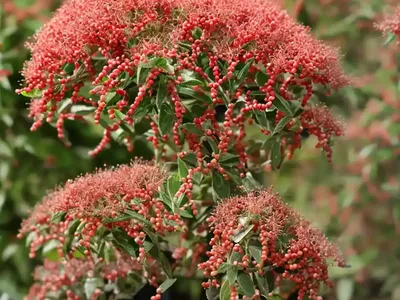
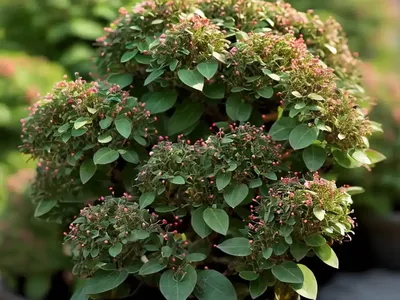
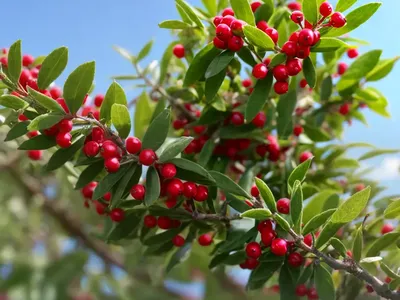
Franchet’s Cotoneaster (Cotoneaster Franchetii)
Plants are multicellular organisms belonging to the kingdom Plantae. They are predominantly autotrophic, meaning they produce their own food through the.
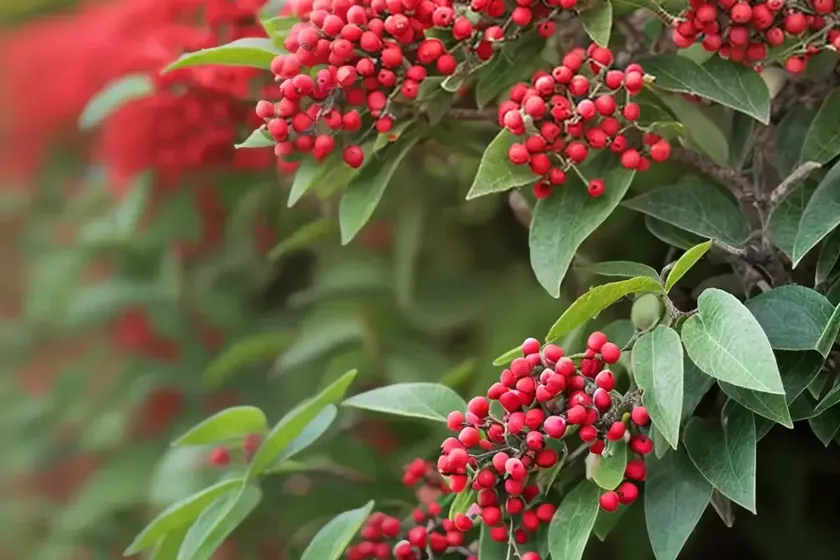
What is a Plant?
Plants are multicellular organisms belonging to the kingdom Plantae. They are predominantly autotrophic, meaning they produce their own food through the process of photosynthesis. Plants play a fundamental role in sustaining life on Earth by converting solar energy into chemical energy, producing oxygen, and serving as primary producers in various ecosystems.
One fascinating plant that captivates the attention of plant enthusiasts and scientists alike is Franchet’s cotoneaster (Cotoneaster franchetii). This versatile and visually appealing species holds significant cultural, ornamental, and ecological value, making it an ideal subject for passionate gardeners, landscape designers, and conservationists.
In this comprehensive guide, we will delve into the various aspects of Franchet’s cotoneaster, unraveling its characteristics, care requirements, uses, and its contribution to the botanical landscape. By the end of this journey, you will gain a profound understanding of this remarkable plant and learn how to harness its full potential in your gardening endeavors.
Cotoneaster franchetii characteristics
Franchet’s cotoneaster (Cotoneaster franchetii) is an evergreen to semi-evergreen shrub that belongs to the Rosaceae family. It is native to the regions of south-western China and is distinguished by its elegant arching branches, glossy leaves, and bountiful clusters of white flowers. This plant is known for its remarkable qualities, including:
- Foliage: The leaves of Cotoneaster franchetii are small, ovate, and lustrous dark green, providing an alluring visual appeal.
- Flowers: In late spring to early summer, this species produces an abundance of small, white, five-petaled blossoms, attracting pollinators such as bees and butterflies, contributing to biodiversity.
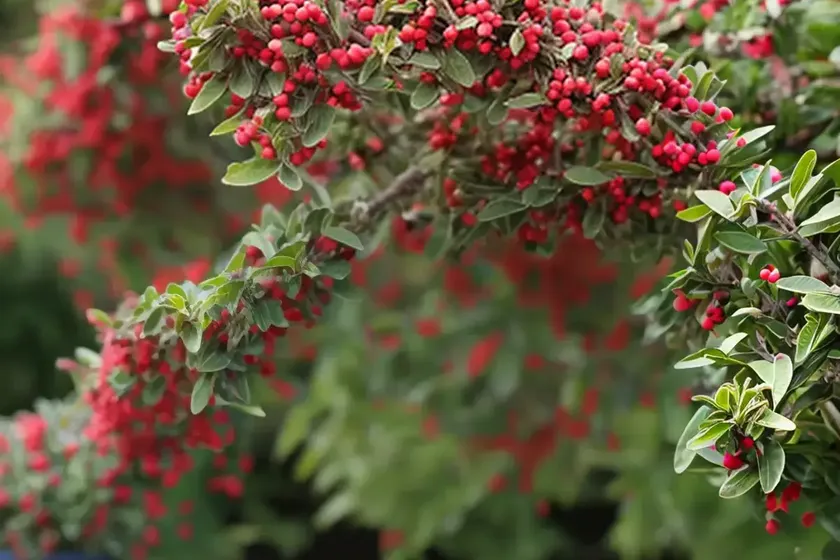
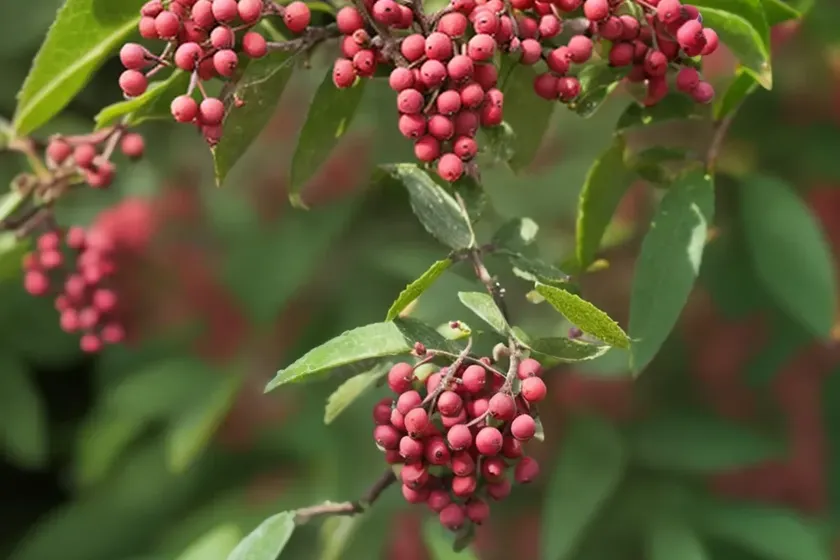
- Fruit: Following the flowering period, Franchet’s cotoneaster yields small, round, red berries that persist into the winter, serving as a valuable food source for numerous bird species and providing ornamental interest.
- Growth Habit: This shrub exhibits a graceful, arching growth habit, with a mature height and spread ranging from 6 to 10 feet, making it an ideal addition to a garden or landscape.
Key Takeaways – Franchet’s Cotoneaster (Cotoneaster franchetii)
Before delving into the specific care guidelines and cultivation practices for Franchet’s cotoneaster, it’s essential to understand the fundamental elements that contribute to its thriving growth. From cultural preferences to disease management, these key takeaways will guide you through the journey of nurturing this exceptional plant.
Culture
- Hardiness: Franchet’s cotoneaster is renowned for its resilience and adaptability to various environmental conditions. It is well-suited to USDA hardiness zones 6-8, thriving in temperate climates.
- Drought Tolerance: This species displays moderate drought tolerance once established, making it an excellent choice for regions with sporadic rainfall and dry spells.
- Wildlife Attraction: Cotoneaster franchetii exhibits a remarkable ability to attract wildlife, particularly birds, due to the persistent red berries produced in late summer and fall, contributing to the ecological balance of the surrounding environment.
Uses
- Ornamental Appeal: With its graceful arching branches, lustrous foliage, and prolific berries, Franchet’s cotoneaster serves as an enchanting ornamental specimen in gardens, parks, and urban landscapes.
- Wildlife Habitat: The persistent berries of this species provide a valuable food source for birds during the harsh winter months, fostering biodiversity and ecological sustainability.
Water
- Watering Needs: During the initial establishment period, it is crucial to provide regular watering to ensure adequate moisture for the developing root system. Once established, Franchet’s cotoneaster exhibits moderate drought tolerance and requires minimal supplemental watering, thriving in well-drained soil.
Sunlight
- Sun Exposure: Cotoneaster franchetii flourishes in full sun to partial shade, showcasing optimal growth and prolific flowering when provided with ample sunlight.
Fertilizer
- Nutrient Requirements: This species typically thrives in moderate to fertile soil and benefits from an application of balanced, slow-release fertilizer in the spring, promoting healthy foliage and robust growth.
Soil
- Soil Preferences: Franchet’s cotoneaster prefers well-drained, loamy soils with a neutral to slightly acidic pH. It is essential to ensure proper soil drainage to prevent waterlogging and root rot.
Pruning
- Pruning Techniques: Regular pruning is recommended to maintain the desired shape, remove dead or damaged branches, and enhance airflow within the canopy, reducing the risk of disease and promoting overall vitality.
Propagation
- Propagation Methods: Franchet’s cotoneaster can be propagated from semi-hardwood cuttings or seeds. Softwood cuttings can also be utilized for propagation, offering a reliable means of expanding your plant collection.
Container Popularity
- Container Growing: Due to its graceful growth habit and ornamental appeal, Franchet’s cotoneaster is suitable for container cultivation, providing a captivating addition to patios, balconies, or urban landscapes.
Container Common Diseases
- Container Disease Management: When grown in containers, Franchet’s cotoneaster may be susceptible to root rot caused by waterlogging. It is essential to ensure proper drainage and employ well-draining potting mix to mitigate the risk of disease.
Disease Diagnosis
- Common Diseases: Anthracnose, fire blight, and powdery mildew are potential diseases that may affect Franchet’s cotoneaster. Regular inspection of the foliage, timely pruning, and appropriate disease management strategies are vital for maintaining plant health and vigor.
Common Pests
- Pest Infestations: Aphids, scale insects, and spider mites are common pests that may pose a threat to Franchet’s cotoneaster. Vigilant monitoring, natural predators, and targeted pest control measures can effectively mitigate pest pressures.
As we venture further into the enthralling realm of Franchet’s cotoneaster, we will explore its remarkable uses, growth habits, maintenance practices, and the ecological benefits it offers. By encompassing an array of facets ranging from landscape design to ecological balance, this guide aims to provide invaluable insights into maximizing the potential of this exceptional plant.
Cotoneaster franchetii varieties
While Franchet’s cotoneaster (Cotoneaster franchetii) stands as a distinguished species in its own right, it is important to note that within the genus Cotoneaster, there exists a diverse array of cultivars and varieties that exhibit unique characteristics and ornamental traits. The sheer diversity within the realm of Cotoneaster franchetii varieties presents an opportunity for enthusiasts to explore a multitude of options, catering to specific preferences in terms of form, foliage, and floral display. Some notable varieties of Cotoneaster franchetii include:
| Variety Name | Characteristics |
|---|---|
| Cotoneaster franchetii ‘Lacteus’ | Featuring broader leaves and abundant creamy-white berries, this variety offers a striking visual impact and valuable ornamental interest throughout the year. |
| Cotoneaster franchetii ‘Cornubia’ | This cultivar is celebrated for its larger size and robust growth habit, making it an exceptional choice for creating privacy screens, hedges, or focal points within the landscape. |
| Cotoneaster franchetii ‘Juliette’ | With its compact form and profusion of bright red berries, ‘Juliette’ presents a charming option for smaller gardens, containers, or as part of mixed border plantings. |
These captivating varieties exemplify the diverse range of ornamental traits and practical applications that can be achieved through the cultivation of Cotoneaster franchetii. Whether you seek an expansive privacy hedge, a cheerful display of berries, or an elegant backdrop for your garden, the range of varieties within this species offers an abundance of possibilities to explore.
Franchet’s cotoneaster care
As a plant scientist, it is crucial to impart comprehensive guidelines on caring for Franchet’s cotoneaster (Cotoneaster franchetii) to ensure its robust growth, optimal flowering, and longevity within the botanical landscape. From planting tips to seasonal maintenance, each aspect of care plays a pivotal role in nurturing this exceptional species.
Planting Tips
When embarking on the journey of growing Franchet’s cotoneaster, it is essential to adhere to the following planting tips to lay a solid foundation for its flourishing success:
- Site Selection: Choose a site with well-drained soil and ample sunlight, ensuring adequate air circulation around the plant.
- Planting Depth: Dig a planting hole that is as deep as the root ball and twice as wide to accommodate the root system and facilitate establishment.
- Spacing: Space multiple plants at least 6 to 8 feet apart to allow for sufficient growth and expansion without overcrowding.
Growing Franchet’s cotoneaster
From its initial establishment to the ongoing cultivation practices, understanding the nuances of growing Franchet’s cotoneaster is essential for harnessing its full potential within the garden or landscape:
- Watering: During the first growing season, provide regular watering to keep the soil consistently moist, allowing the root system to establish. Once established, reduce watering frequency and prioritize well-drained conditions.
- Fertilization: Apply a balanced, slow-release fertilizer in the early spring to support healthy growth and vibrant foliage.
- Mulching: Apply a layer of organic mulch around the base of the plant to conserve moisture, suppress weed growth, and regulate soil temperature.
- Pruning: Conduct routine pruning in late winter to early spring to shape the plant, remove dead or diseased branches, and promote new growth and flowering.
Franchet’s cotoneaster planting tips
Maximizing the potential of Franchet’s cotoneaster hinges on the successful implementation of effective planting tips, ensuring the plant’s vigor and long-term vitality:
- Ample Sunlight: Select a planting location that receives full sun to partial shade, providing the plant with the necessary light for robust growth and prolific flowering.
- Well-Drained Soil: Choose a well-drained, loamy soil with a neutral to slightly acidic pH, preventing waterlogging and promoting healthy root development.
- Spacing Considerations: When planting multiple specimens, allow sufficient spacing between individual plants to accommodate their mature spread, preventing overcrowding and competition for resources.
Cotoneaster franchetii varieties
The diverse range of Cotoneaster franchetii varieties offers a wealth of options to explore, each presenting unique characteristics and ornamental traits that cater to distinctive preferences. Whether you seek vibrant foliage, abundant berries, or a specific growth habit, the variety of options within this species provides an array of captivating choices for your landscape.
Stay tuned for the upcoming segments as we further unravel the intricacies of Franchet’s cotoneaster care, delve into its diverse uses, and explore the ecological and ornamental significance it embodies within the botanical realm. By enriching our understanding of this exceptional species, we lay the groundwork for embracing its full potential within our gardens and landscapes.
Franchet’s cotoneaster pruning
As part of the essential maintenance practices for Franchet’s cotoneaster (Cotoneaster franchetii), pruning plays a pivotal role in promoting its health, shaping its growth, and enhancing its ornamental appeal. By adhering to the recommended pruning techniques, enthusiasts and horticulturists can effectively harness the potential of this remarkable species, fostering its vitality and longevity.
Pruning Techniques
When approaching the task of pruning Franchet’s cotoneaster, it is crucial to employ the following techniques to achieve optimal results and maintain the plant’s desirable form and structure:
- Seasonal Pruning: Conduct pruning during the late winter to early spring, prior to the onset of new growth, to minimize the impact on flowering and fruiting.
- Shape Maintenance: Prune to maintain the natural arching form of the plant, remove dead or diseased branches, and encourage the development of new, vigorous growth.
- Thinning Practices: Target selective branch removal to enhance air circulation within the canopy, reduce congestion, and minimize the risk of disease and pest infestations.
- Pruning Cautions: Avoid excessive or aggressive pruning, as this may compromise the plant’s ability to flower and produce berries, detracting from its ornamental value and ecological contribution.
Cotoneaster franchetii uses
The diverse uses of Cotoneaster franchetii encompass a spectrum of practical, ecological, and ornamental applications, contributing to its remarkable versatility within various landscape and environmental contexts:
- Ornamental Appeal: Franchet’s cotoneaster serves as an enchanting ornamental specimen, adding visual interest, texture, and seasonal variation to gardens, parks, and urban landscapes.
- Wildlife Attraction: The persistent berries generated by this species provide a valuable food source for birds, fostering biodiversity and contributing to the ecological balance of the surrounding environment.
Franchet’s cotoneaster diseases
Despite its resilience, Franchet’s cotoneaster is susceptible to certain diseases that may affect its health and vitality. By familiarizing ourselves with common diseases and effective disease management strategies, we can safeguard the well-being of this exceptional plant, ensuring its continued contribution to the botanical landscape.
As we continue our exploration of Franchet’s cotoneaster, we will navigate through its seasonal changes, landscape uses, pest control strategies, and the unique features that distinguish this species within the realm of ornamental and ecological significance. By embracing the intricate details of its growth, maintenance, and ecological interactions, we gain a profound appreciation for the essential role it plays in enriching the botanical tapestry.
Benefits of growing Franchet’s cotoneaster
The cultivation of Franchet’s cotoneaster (Cotoneaster franchetii) offers a plethora of benefits that extend beyond its ornamental allure, encompassing ecological contributions, landscape enhancement, and practical utility. By harnessing the diverse array of advantages associated with this remarkable species, enthusiasts and environmental stewards can leverage its potential to create captivating, sustainable landscapes and foster biodiversity.
Ecological Contributions
- Wildlife Habitat: The persistent berries produced by Franchet’s cotoneaster serve as a valuable food source for numerous bird species, supporting local wildlife and contributing to the ecological balance of the surrounding environment.
- Pollinator Attraction: The profusion of white flowers that adorn this species during the flowering season attracts pollinators such as bees and butterflies, promoting biodiversity and ecosystem stability.
Landscape Enhancement
- Ornamental Appeal: With its elegant arching form, lustrous foliage, and bountiful berries, Franchet’s cotoneaster serves as an enchanting ornamental specimen, adding visual interest and seasonal variation to gardens, parks, and urban landscapes.
- Privacy Screening: The robust growth habit and dense foliage of this species make it an ideal choice for creating privacy screens, hedges, or visual barriers within the landscape, enhancing both aesthetic and functional aspects of outdoor spaces.
Practical Utility
- Low Maintenance: Franchet’s cotoneaster exhibits resilience and adaptability, requiring minimal maintenance once established, making it an excellent choice for low-maintenance landscapes and urban environments.
- Drought Tolerance: This species displays moderate drought tolerance, making it well-suited for regions with sporadic rainfall and dry spells, conserving water and promoting sustainable gardening practices.
Franchet’s cotoneaster landscape ideas
Incorporating Franchet’s cotoneaster into landscape designs presents an array of captivating opportunities to craft dynamic, sustainable outdoor spaces that cater to diverse aesthetic and ecological objectives. From privacy screens to wildlife-friendly plantings, the following landscape ideas showcase the versatility and visual appeal of this remarkable species:
- Privacy Hedges: Utilize the dense foliage and graceful growth habit of Franchet’s cotoneaster to create stunning privacy hedges or visual screens, offering year-round interest and ecological benefits.
- Mixed Borders: Integrate this species into mixed border plantings to introduce visual contrast, seasonal variation, and wildlife attraction, fostering dynamic, multi-layered landscapes.
- Wildlife Gardens: Design wildlife-friendly gardens and habitats by incorporating Franchet’s cotoneaster alongside native species, providing food and shelter for birds and pollinators, contributing to biodiversity conservation.
Cotoneaster franchetii maintenance
Efficient maintenance practices are essential for preserving the health, vigor, and ornamental appeal of Franchet’s cotoneaster, cementing its role as a resilient, indispensable component of the botanical landscape. By prioritizing routine care and cultivation, enthusiasts and horticulturists can safeguard the long-term vitality of this exceptional species, maximizing its ecological and ornamental potential.
In the forthcoming segments, we will delve further into the growth habits, propagation techniques, seasonal changes, and soil requirements of Franchet’s cotoneaster, unraveling the intricate details that underpin its thriving cultivation and ecological significance. By deepening our understanding of this exceptional species, we equip ourselves with the knowledge to cultivate vibrant, sustainable landscapes that embrace the beauty and utility of plants.
Franchet’s cotoneaster growth habits
Understanding the growth habits and developmental tendencies of Franchet’s cotoneaster (Cotoneaster franchetii) is essential for successful cultivation, shaping, and maintenance within the botanical landscape. By acquainting ourselves with the unique growth patterns and seasonal variations exhibited by this species, we gain valuable insights into nurturing its vitality and harnessing its ornamental and ecological potential.
Growth Rate
Franchet’s cotoneaster exhibits a moderate growth rate, achieving a mature height and spread within a span of several years, depending on environmental conditions, cultural practices, and regional climate. The steady growth rate of this species makes it an excellent choice for creating long-term landscape features, hedge formations, and wildlife-friendly plantings.
Seasonal Changes
Throughout the year, Franchet’s cotoneaster undergoes a series of seasonal changes, each contributing to its visual appeal, ecological contributions, and practical applications within the landscape:
- Spring: During the spring season, this species bursts into bloom, adorning its elegant branches with prolific clusters of white flowers, attracting pollinators and heralding the onset of a bountiful fruiting season.
- Summer: As summer unfolds, Franchet’s cotoneaster develops an abundance of small, red berries, providing ornamental interest and serving as a valuable food source for birds, contributing to the ecological balance of the surrounding environment.
- Autumn: The foliage of this species undergoes a shift in coloration, transitioning into rich, autumnal hues, offering vibrant seasonal variation and visual appeal.
- Winter: Even during the winter months, Franchet’s cotoneaster remains resplendent with its persistent red berries, serving as a beacon of color and vitality within the wintery landscape, attracting birds and fostering biodiversity.
Soil Drainage
One of the fundamental aspects of growth habit management involves ensuring optimal soil drainage to prevent waterlogging and establish favorable conditions for root development and overall plant vigor. Franchet’s cotoneaster thrives in well-drained, loamy soils with a neutral to slightly acidic pH, enabling efficient water percolation and preventing the risk of root rot.
Soil pH Preferences
The soil pH preferences of Franchet’s cotoneaster revolve around neutral to slightly acidic conditions,