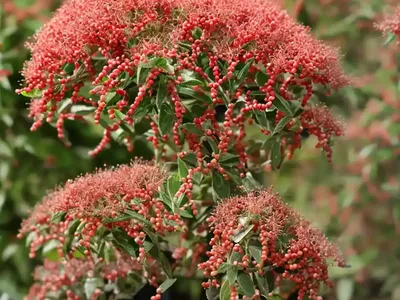
Cotoneaster Salicifolius (Willow Leaf Cotoneaster)
Cotoneaster salicifolius, commonly known as the Willow Leaf Cotoneaster, is a versatile and attractive shrub that can be a valuable addition to any garden.
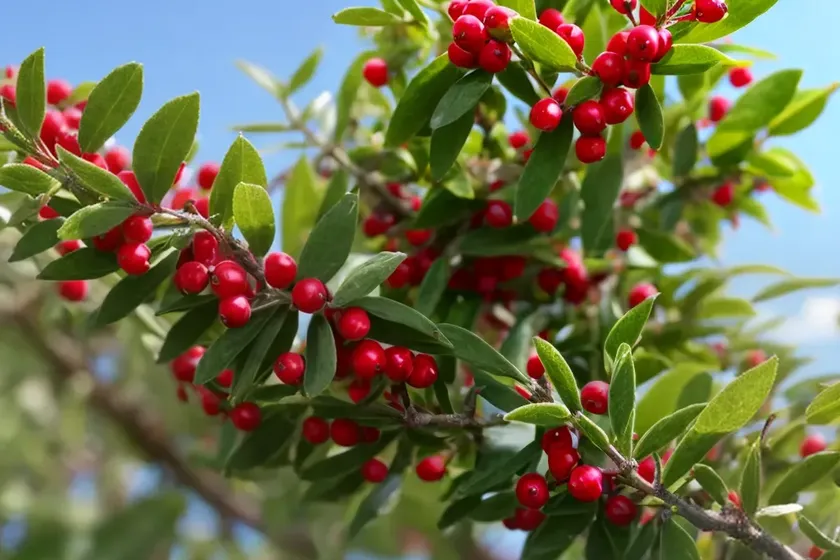

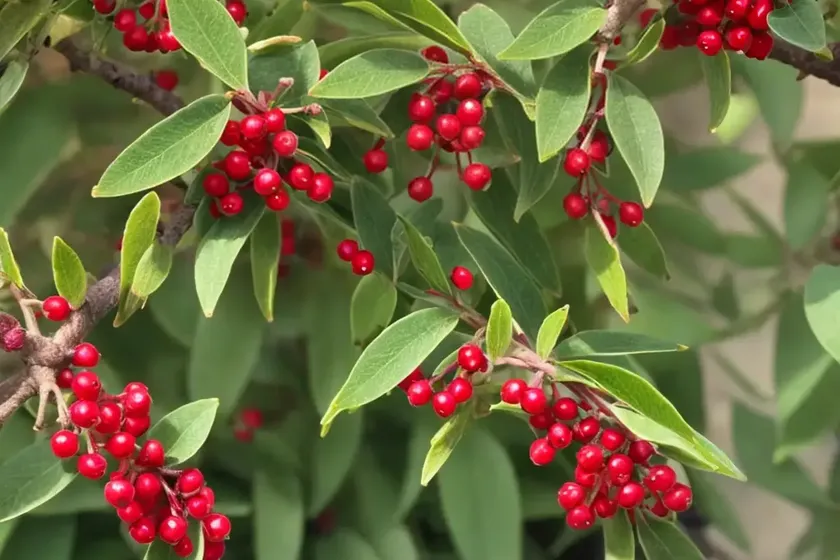
Cotoneaster salicifolius, commonly known as the Willow Leaf Cotoneaster, is a versatile and attractive shrub that can be a valuable addition to any garden or landscape. This plant offers a variety of uses including groundcover, erosion control, and attracting wildlife, in addition to its aesthetic appeal. As a plant scientist, I find this species to be particularly intriguing due to its adaptability and beneficial properties.
In this comprehensive guide, we will delve into the various aspects of Cotoneaster salicifolius, from its cultural requirements to its propagation, common diseases, and pests. Whether you’re a seasoned gardener or a novice enthusiast, understanding the intricacies of this plant will enable you to cultivate and maintain it successfully.
Key Takeaways – Cotoneaster salicifolius (Willow Leaf Cotoneaster)
Before we delve into the details of Cotoneaster salicifolius, let’s provide an overview of the key takeaways associated with this plant. Understanding these essential points will serve as a foundation for our exploration of its characteristics and requirements:
- Cultural Uses: Groundcover, erosion control, wildlife attraction
- Water: Moderate water requirements, adaptable to different moisture levels
- Sunlight: Partial to full sun exposure
- Fertilizer: Balanced fertilizer in spring, organic mulch application
- Soil: Well-drained, adaptable to various soil types
- Pruning: Regular pruning to maintain shape and promote growth
- Propagation: Seed propagation, softwood cuttings
- Container Popularity: Suitable for container gardening
- Common Diseases: Fire blight, leaf spot, canker
- Common Pests: Aphids, spider mites
- Botanist’s Tips: Suitable for xeriscaping, wildlife-friendly
- Fun Facts: Bird nesting plant, deer-resistant
With these key takeaways in mind, let’s embark on an in-depth exploration of Cotoneaster salicifolius, encompassing its care, characteristics, and unique features.
What is Cotoneaster salicifolius?
Description and Characteristics
Cotoneaster salicifolius is a deciduous shrub belonging to the Rosaceae family, which also includes roses and apples. This species is native to the Himalayas, western China, and North Africa, and it has been naturalized in various regions due to its adaptability and ornamental value. The common name “Willow Leaf Cotoneaster” pertains to the plant’s elongated, narrow leaves, resembling those of willow trees.
The shrub typically reaches a height of 6 to 10 feet with a spread of 8 to 12 feet, presenting a dense and arching growth habit. Its elegant, dark green foliage transforms into striking hues of red and orange during the fall, enhancing its visual appeal. In late spring to early summer, small, white to pale pink flowers emerge, subsequently developing into bright red berries in the fall. These berries are not only aesthetically pleasing but also serve as a valuable food source for birds, contributing to the plant’s wildlife-attracting properties.
Cotoneaster salicifolius Cultivars
Cultivars of Cotoneaster salicifolius have been developed to offer variations in terms of size, foliage color, and growth habits. While the classic characteristics of the species remain consistent across cultivars, these variations cater to diverse landscape preferences and design requirements.
Here are some notable Cotoneaster salicifolius cultivars:
| Cultivar Name | Characteristics |
|---|---|
| ‘Repens’ | Low-growing, spreading habit, suitable for groundcover |
| ‘Roof’ | Compact, suitable for mass planting and low hedges |
| ‘Scarlet Leader’ | Upright habit, larger berries, ideal for wildlife gardens |
Each cultivar presents unique attributes, allowing gardeners and landscapers to select the most suitable option based on their specific needs and preferences.
Cultivation of Cotoneaster salicifolius
Cultivating Cotoneaster salicifolius involves attending to essential factors such as water, sunlight, fertilizer, and soil to ensure the optimal growth and development of the plant. Let’s explore the cultural requirements in detail:
Water
Cotoneaster salicifolius exhibits moderate water needs and is adaptable to varying moisture levels, making it suitable for regions with diverse precipitation patterns. While it can tolerate short periods of drought once established, regular watering is essential, especially during prolonged dry spells. Adequate moisture contributes to healthy foliage, flower production, and berry formation, enhancing the plant’s ornamental and wildlife-attracting properties.
Sunlight
The Willow Leaf Cotoneaster thrives in partial to full sun exposure, benefiting from at least 6 hours of direct sunlight daily. Ample sunlight promotes vigorous growth, abundant flowering, and prolific berry production, while also enhancing the plant’s overall aesthetic appeal. When selecting a planting site, consider the availability of sunlight throughout the day to ensure the optimal development of Cotoneaster salicifolius.
Fertilizer
Incorporating a balanced fertilizer into the care routine of Cotoneaster salicifolius can bolster its growth and vitality. Apply a general-purpose, slow-release fertilizer in early spring, following the manufacturer’s guidelines regarding dosage and application methods. Additionally, organic mulch can be layered around the base of the plant to enhance soil fertility, moisture retention, and weed suppression, contributing to the overall health of the shrub.
Soil
Well-drained soil is essential for the successful cultivation of Cotoneaster salicifolius, as it prevents waterlogged conditions that can compromise the plant’s root system. This species exhibits adaptability to a range of soil types, including loamy, sandy, and clay soils, underscoring its versatility in different growing environments. Conduct a percolation test to assess soil drainage before planting, and amend the soil with organic matter if necessary to optimize growing conditions.
Pruning
Pruning plays a pivotal role in maintaining the shape, vigor, and aesthetic appeal of Cotoneaster salicifolius, contributing to its overall health and longevity. With regular pruning, gardeners can manage the shrub’s size, remove damaged or diseased branches, and stimulate new growth. Here are some key pruning techniques and considerations for Willow Leaf Cotoneaster:
- Timing: Conduct pruning during late winter or early spring before new growth emerges.
- Tools: Use sharp, clean pruning shears for precise cuts and to minimize the risk of disease transmission.
- Techniques: Employ selective pruning to remove dead or crossing branches, promote airflow, and shape the plant as desired.
- Caution: Avoid over-pruning, particularly during the growing season, to prevent stress and potential damage to the shrub.
Applying appropriate pruning practices will ensure the continued health and vigor of Cotoneaster salicifolius, contributing to its visual appeal and functional uses in the landscape.
Propagation
The propagation of Cotoneaster salicifolius enables gardeners and horticulturists to expand their plant collection and propagate this species for various landscape applications. Understanding the propagation methods and techniques is essential for successfully generating new plants from existing specimens. Let’s explore the primary propagation approaches for Willow Leaf Cotoneaster:
Seed Propagation
Collecting and sowing seeds from mature Cotoneaster salicifolius berries offers a cost-effective and straightforward means of propagation. Here are the basic steps for seed propagation:
- Seed Collection: Harvest ripe berries and extract the seeds for sowing.
- Growing Medium: Prepare a well-draining, sterile propagation medium in seed trays or pots.
- Seed Sowing: Place the seeds on the surface of the growing medium and lightly cover them with a thin layer of soil.
- Moisture and Light: Maintain consistent moisture and provide indirect light for germination.
- Transplanting: Once seedlings develop several sets of true leaves, transplant them into individual containers.
By following these steps, gardeners can propagate Cotoneaster salicifolius from seeds, facilitating the expansion of its presence in their gardens and landscapes.
Softwood Cuttings
Softwood cuttings represent another viable method for propagating Cotoneaster salicifolius, particularly for gardeners seeking a more rapid means of generating new plants. The following steps outline the process of propagating this species from softwood cuttings:
- Cutting Preparation: Select healthy, non-flowering shoots and take 4- to 6-inch cuttings.
- Removing Leaves: Trim the lower leaves from the cuttings to expose the nodes for root formation.
- Rooting Hormone: Dip the cut ends of the stems in a rooting hormone to stimulate root development.
- Planting Medium: Insert the cuttings into a well-draining, sterile rooting medium and maintain consistent moisture.
- Root Development: Monitor the cuttings for signs of root growth, indicating successful propagation.
Softwood cuttings offer a reliable technique for propagating Cotoneaster salicifolius, enabling enthusiasts and horticulturists to multiply this species for various horticultural and landscape purposes.
Container Popularity
The adaptability of Cotoneaster salicifolius to container gardening renders it a popular choice for individuals seeking to incorporate this species into their patios, balconies, or small gardens. Container planting offers versatility and mobility, enabling the cultivation of Willow Leaf Cotoneaster in various settings. When considering container gardening with this species, here are some key points to bear in mind:
- Container Selection: Choose a spacious container with adequate drainage holes to support the plant’s root system and promote drainage.
- Growing Medium: Utilize a high-quality potting mix with excellent drainage and aeration properties to facilitate healthy root development.
- Watering: Monitor moisture levels closely to prevent overwatering or drought stress, adjusting the watering frequency as needed.
- Sunlight: Position the container in a location that receives sufficient sunlight to promote robust growth and flowering.
By embracing container gardening, enthusiasts can incorporate Cotoneaster salicifolius into diverse urban and small-space environments, expanding its presence and ornamental impact.
Common Diseases
Despite its adaptability and resilience, Cotoneaster salicifolius is susceptible to certain diseases that can impact its health and vigor. Recognizing and understanding these common diseases equips gardeners and landscapers with the knowledge to undertake preventive measures and implement effective management strategies. Let’s explore some prevalent diseases affecting Willow Leaf Cotoneaster:
Fire Blight (Erwinia amylovora)
Fire blight is a bacterial disease that affects various Rosaceae plants, including Cotoneaster species, causing wilting, blackened shoots, and cankers. Warm and humid weather conditions facilitate the spread of this disease, emphasizing the importance of timely intervention and cultural practices to mitigate its impact.
Disease Management:
- Sanitation: Prune and remove infected branches promptly to prevent the disease from spreading.
- Copper Sprays: Apply copper-based sprays during the dormant season to suppress bacterial populations.
- Resistant Cultivars: Select disease-resistant cultivars to minimize the susceptibility of Cotoneaster salicifolius to fire blight.
Leaf Spot (Diplocarpon mespili)
Leaf spot, caused by the fungal pathogen Diplocarpon mespili, manifests as circular, dark spots on the foliage, potentially leading to premature leaf drop and diminished aesthetic appeal. Fungal diseases such as leaf spot thrive in moist conditions, necessitating proactive measures to manage their impact.
Disease Management:
- Fungicidal Sprays: Apply appropriate fungicides to protect the foliage from fungal infections, particularly during periods of high humidity and leaf wetness.
- Sanitation: Remove and dispose of infected leaves and plant debris to minimize disease recurrence.
- Air Circulation: Facilitate adequate air movement and spacing between plants to reduce moisture accumulation and fungal proliferation.
Canker (Nectria and Diaporthe spp.)
Canker diseases, caused by various fungal pathogens, manifest as sunken lesions on the bark and can compromise the overall health and structural integrity of Cotoneaster salicifolius. Managing canker diseases involves a combination of preventive measures and cultural practices to minimize their impact.
Disease Management:
- Pruning Practices: Prune and remove infected branches, ensuring that pruning tools are disinfected between cuts.
- Plant Health: Foster overall plant health through proper cultural practices, including optimal watering and fertilization, to bolster its natural resistance to canker diseases.
- Avoid Injuries: Minimize physical injuries to the plant, as wounds can serve as entry points for canker-causing pathogens.
By gaining insights into these common diseases that can affect Cotoneaster salicifolius, gardeners and horticulturists can implement proactive measures to safeguard the health and vitality of this species.
Disease Diagnosis
Accurately diagnosing diseases that afflict Cotoneaster salicifolius is pivotal for implementing targeted and effective control measures. By recognizing the symptoms and signs associated with common diseases, individuals can take informed steps towards managing and mitigating their impact. Let’s delve into the diagnostic indicators of prevalent diseases affecting Willow Leaf Cotoneaster:
Fire Blight Diagnosis
- Symptoms: Look for wilting, blackening of shoots, and shepherd’s crook-shaped branch tips, characteristic of fire blight.
- Canker Development: Check for the presence of oozing cankers on branches, signaling the progression of the disease.
- Environmental Conditions: Consider the prevailing weather conditions, particularly warm and humid periods conducive to fire blight development.
Leaf Spot Diagnosis
- Leaf Lesions: Inspect the foliage for the presence of circular, dark spots with defined margins, indicative of leaf spot infections.
- Premature Leaf Drop: Observe for premature yellowing and dropping of infected leaves, signaling the impact of leaf spot on the plant’s health.
Canker Diagnosis
- Bark Lesions: Examine the stems and branches for sunken lesions and discoloration, suggestive of canker diseases.
- Wound Sites: Assess the presence of cankers at the sites of physical injuries or pruning cuts, highlighting potential entry points for pathogens.
Gaining proficiency in disease diagnosis empowers individuals to respond effectively to disease outbreaks and safeguard the vitality of Cotoneaster salicifolius through targeted management strategies.
Common Pests
In addition to diseases, Cotoneaster salicifolius can be susceptible to infestations by various pests that can compromise its aesthetics and vitality. Understanding the common pests afflicting this species is crucial for implementing integrated pest management approaches and mitigating their impact. Let’s explore some prevalent pests that may affect Willow Leaf Cotoneaster:
Aphids (Aphidoidea)
Aphids are sap-sucking insects that can colonize the foliage and tender shoots of Cotoneaster salicifolius, leading to distorted growth, yellowing of leaves, and the formation of sticky honeydew. Monitoring for aphid activity and implementing control measures is essential for preserving the health and vigor of the shrub.
Pest Management:
- Natural Predators: Encourage the presence of natural predators such as ladybugs and lacewings, which feed on aphids.
- Horticultural Oil Sprays: Apply horticultural oil to suffocate and control aphid populations, particularly during the early stages of infestation.
- Water Sprays: Use a strong stream of water to dislodge and remove aphids from the foliage, reducing their numbers and impact.
Spider Mites (Tetranychidae)
Spider mites are tiny arachnids that feed on the sap of plants, causing stippling, webbing, and overall decline in plant health. Identifying and addressing spider mite infestations promptly is crucial to prevent extensive damage to Cotoneaster salicifolius.
Pest Management:
- Humidity Management: Increase ambient humidity around the plant to create unfavorable conditions for spider mites.
- Beneficial Predators: Introduce predatory mites as natural enemies to control and suppress spider mite populations.
- Miticide Application: Utilize appropriate miticides to target and manage spider mite infestations, adhering to product instructions and safety precautions.
Recognizing the presence of these common pests and implementing suitable control measures enhances the resilience of Cotoneaster salicifolius and fosters its overall health within the landscape.
Botanist’s Tips
As a plant scientist with a profound appreciation for Cotoneaster salicifolius, I am delighted to provide a series of tips and insights to assist enthusiasts and horticulturists in cultivating and leveraging the potential of this species within their landscapes. Leveraging these botanist’s tips can enrich the experience of incorporating Willow Leaf Cotoneaster into diverse horticultural and ecological settings. Here are some key recommendations:
- Wildlife-Friendly Plant: Embrace the role of Cotoneaster salicifolius as a wildlife-friendly plant, promoting its use in wildlife gardens, bird-friendly landscapes, and nature-oriented settings.
- Xeriscaping Potential: Recognize the adaptability of this species to xeriscaping, leveraging its drought tolerance and low water requirements in arid and semi-arid environments.
- Habitat Enhancement: Integrate Cotoneaster salicifolius into landscape designs to enhance wildlife habitat, considering its value as a bird-nesting plant and a food source for avian species.
- Uniqueness as a Deer-Resistant Plant: Emphasize the deer-resistant properties of this species in landscaping, particularly in regions with prevalent deer populations, where its presence can contribute to minimizing wildlife browsing damage.
- Combination Planting: Explore the potential of pairing Cotoneaster salicifolius with complementary plant species as companion plants, creating visually dynamic and ecologically beneficial plantings.
- Low-Maintenance Consideration: Embrace the low-maintenance attributes of this species when designing landscapes, catering to individuals seeking sustainable and resilient plant selections.
By incorporating these botanist’s tips into the planning and utilization of Cotoneaster salicifolius, individuals can harness the full potential of this species while fostering its ecological contributions and ornamental value.
Fun Facts
Uncovering the intriguing aspects and unique attributes of Cotoneaster salicifolius adds depth and fascination to the experience of cultivating and appreciating this species. Fun facts serve as engaging anecdotes and educational tidbits that enrich the understanding and admiration for this plant. Let’s explore some captivating fun facts about this species:
- Bird Nesting Plant: Cotoneaster salicifolius serves as a valuable bird-nesting plant, providing nesting sites and shelter for avian species in diverse habitats, contributing to the biodiversity of the landscape.
- Seasonal Transformations: The foliage of Cotoneaster salicifolius undergoes captivating transformations throughout the seasons, transitioning from lush green in spring and summer to vibrant red and orange hues during the fall, offering dynamic visual interest.
- Wildlife Attraction: Beyond its ornamental allure, this species attracts a diversity of wildlife, including birds that feed on its berries, fostering ecological interactions within the garden and natural environments.
- Deer Resistance: Cotoneaster salicifolius exhibits resistance to deer browsing, offering a valuable option for landscapes where deer presence presents a challenge to plant selection and maintenance.
- Erosion Control: