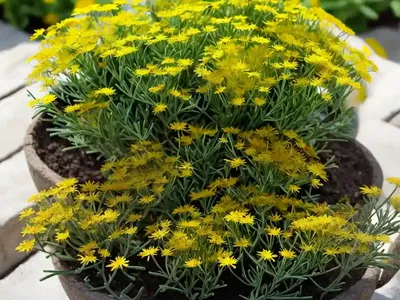
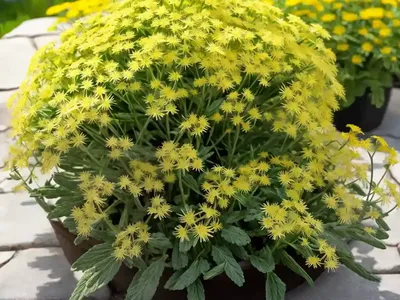
Mexican Mint Marigold (Tagetes Lucida)
In the world of herbs, the Mexican Mint Marigold (Tagetes lucida) stands out as a unique and versatile plant. With its vibrant green leaves and delicate.

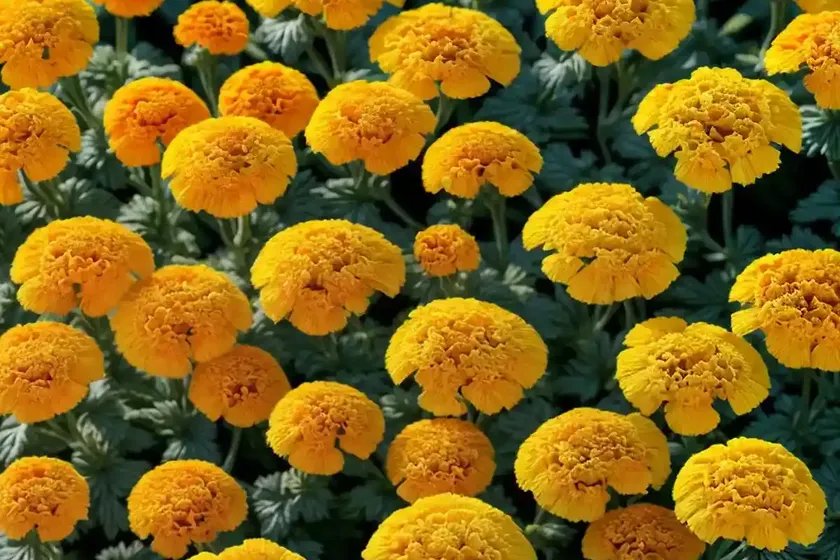
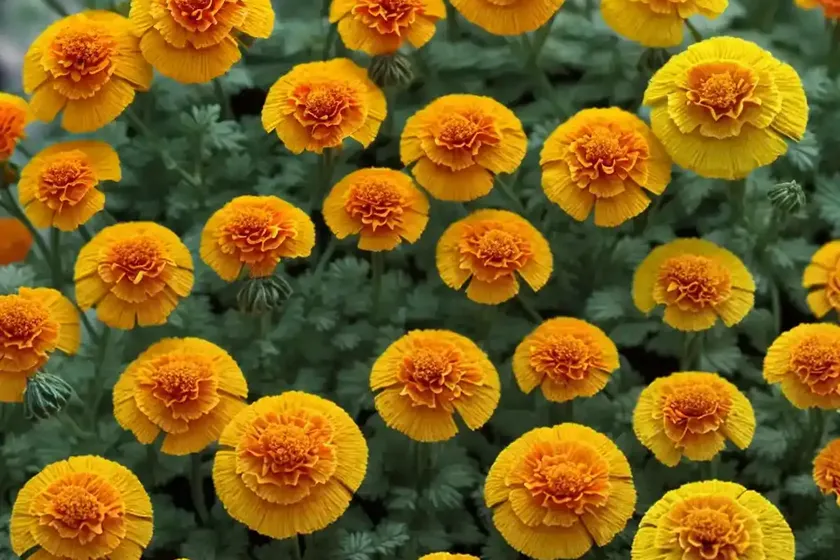
In the world of herbs, the Mexican Mint Marigold (Tagetes lucida) stands out as a unique and versatile plant. With its vibrant green leaves and delicate yellow flowers, this herb not only adds aesthetic value to any garden but also offers numerous culinary, medicinal, and ornamental uses. Let’s take a closer look at the key aspects of Mexican Mint Marigold, including its culture, uses, propagation, common diseases, and more.
What is Mexican Mint Marigold (Tagetes Lucida)?
Mexican Mint Marigold, also known as sweet mace or Mexican tarragon, is a perennial herb belonging to the daisy family Asteraceae. This fragrant herb is native to Mexico and Central America, where it has been cultivated and valued for centuries.
Key Takeaways – Mexican Mint Marigold (Tagetes Lucida)
Culture
- Grows as a perennial herb
- Often used as a culinary herb and for ornamental purposes
- Requires well-drained soil and moderate watering
Uses
- Culinary: Adds a distinctive anise-like flavor to dishes
- Medicinal: Used in traditional medicine for various ailments
- Ornamental: Attracts pollinators and adds beauty to gardens
Water
- Requires moderate watering
- Avoid overwatering to prevent root rot
- Ensure proper drainage to maintain soil moisture levels
Sunlight
- Thrives in full sun to partial shade
- Needs at least 6 hours of direct sunlight per day
Fertilizer
- Benefits from a balanced fertilizer during the growing season
- Apply organic fertilizers for optimal growth and flavor
Soil
- Prefers well-drained, loamy soil
- Tolerates a slightly acidic to neutral pH range
Pruning
- Regular pruning encourages bushier growth
- Remove spent flowers to promote continuous blooming
Propagation
- Easily propagated from seeds and stem cuttings
- Ideal time for propagation is during the growing season
Container Popularity
- Well-suited for container gardening
- Thrives in containers with adequate drainage
Common Diseases
- Susceptible to root rot in waterlogged soil
- May be affected by powdery mildew in humid conditions
Disease Diagnosis
- Monitor the plant for wilting, yellowing leaves, or unusual growth
- Conduct a soil test if disease symptoms persist
Common Pests
- Vulnerable to aphids, spider mites, and whiteflies
- Inspect the plant regularly for signs of pest infestation
Botanist’s Tips
- Harvest leaves in the morning for the best flavor.
- Use Mexican Mint Marigold as a natural insect repellent in the garden.
- Pair it with other aromatic herbs for a sensory garden experience.
Fun Facts
- Ancient Aztecs and Mayans used Mexican Mint Marigold for ceremonial and medicinal purposes.
- The plant’s leaves were traditionally used to flavor chocolate drinks in Mesoamerican cultures.
Now that we have a comprehensive overview of Mexican Mint Marigold, let’s delve deeper into its various aspects to understand how to care for, utilize, and appreciate this remarkable herb.
Mexican Mint Marigold (Tagetes Lucida) Cultivation and Care
Planting Guide
When it comes to incorporating Mexican Mint Marigold into your garden, proper cultivation is crucial for its overall health and productivity. Follow these planting guidelines to ensure the successful growth of this versatile herb:
Planting Time: In regions with frost, sow seeds or transplant seedlings after the last frost date in spring. For frost-free regions, planting can be done year-round.
Soil Preparation: Prepare the planting area by tilling the soil to a depth of 6-8 inches. Ensure that the soil is well-drained and has a slightly acidic to neutral pH level.
Spacing: Space Mexican Mint Marigold plants 12-18 inches apart to allow ample room for growth and air circulation.
Planting Depth: Sow seeds at a depth of 1/4 inch in the soil. For transplants, ensure that the root ball is level with the soil surface.
Watering: After planting, water the soil thoroughly to promote seed germination or to help the transplants establish their root systems.
Mulching: Apply a layer of organic mulch around the plants to conserve moisture, suppress weed growth, and maintain a moderate soil temperature.
Sunlight Requirements
Mexican Mint Marigold thrives in locations that receive full sun to partial shade. It is essential to provide the plant with at least 6 hours of direct sunlight per day for robust growth and optimal production of aromatic leaves and flowers.
Watering Needs
Proper watering is crucial for Mexican Mint Marigold, as it prefers moderate moisture levels. Overwatering can lead to root rot, while underwatering can result in stunted growth and decreased flavor intensity in the leaves. Follow these watering guidelines to ensure the plant’s well-being:
- Frequency: Water Mexican Mint Marigold when the top inch of the soil feels dry to the touch.
- Soil Moisture: Ensure that the soil is well-drained to prevent waterlogging and root rot.
- Watering Technique: Use a gentle watering technique to moisten the soil evenly without causing erosion or water puddling.
Fertilizer Application
To support healthy growth and enhance the flavor of Mexican Mint Marigold leaves, it is beneficial to provide the plant with the appropriate nutrients. Organic fertilizers are ideal for this herb, as they contribute to the development of robust foliage and aromatic qualities. Consider the following fertilizer application practices:
- Timing: Apply a balanced organic fertilizer in early spring as new growth begins, and once again in midsummer to support continued growth and flowering.
- Application Method: Broadcast the fertilizer around the base of the plant, ensuring that it is evenly distributed within the root zone.
Soil Preferences
Mexican Mint Marigold thrives in well-drained, loamy soil with a slightly acidic to neutral pH range. Before planting, conduct a soil test to assess the pH level and nutrient content. If necessary, amend the soil with organic matter or pH-adjusting amendments to create an optimal growing environment for the herb.
With the essential cultivation and care guidelines in mind, you can establish healthy and productive Mexican Mint Marigold plants in your garden. In the following sections, we’ll explore the diverse uses of this herb, from culinary applications to medicinal properties and ornamental appeal.
Utilizing Mexican Mint Marigold (Tagetes Lucida)
Culinary Uses
One of the most prized aspects of Mexican Mint Marigold is its culinary versatility, as the leaves of this herb impart a distinct anise-like flavor to a wide range of dishes. When used in cooking, the aromatic leaves elevate the flavor profile of various culinary creations, adding depth and complexity to both savory and sweet recipes. Here are some popular culinary uses of Mexican Mint Marigold:
- Seasoning: Finely chop the fresh leaves and use them as a seasoning in soups, stews, and sauces to infuse a subtle anise flavor.
- Tea Infusion: Brew the leaves to create a fragrant and soothing herbal tea that offers hints of licorice and mint.
- Baking: Incorporate finely chopped Mexican Mint Marigold leaves into bread and pastry recipes for an intriguing twist on traditional baked goods.
- Salad Garnish: Use whole or torn leaves as a decorative and flavorful garnish on salads and appetizer platters.
Furthermore, the herb’s culinary applications extend beyond the kitchen, as the leaves can be used to infuse vinegar, create flavorful marinades, and enhance the aroma of homemade herbal butters.
Medicinal Properties
In addition to its culinary appeal, Mexican Mint Marigold possesses medicinal properties that have been recognized and utilized for generations. From traditional herbal remedies to modern herbalism, this herb offers multiple potential health benefits:
- Digestive Aid: Infusions made from Mexican Mint Marigold leaves have been traditionally used to alleviate digestive discomfort and promote healthy digestion.
- Stress Relief: The herb is believed to possess calming properties and has been used to create soothing herbal teas and tinctures.
- Antimicrobial Action: Compounds present in the leaves may exhibit antimicrobial properties, contributing to its potential use in natural remedies.
While scientific research on the medicinal properties of Mexican Mint Marigold is ongoing, its historical use in traditional medicine provides valuable insights into its potential health benefits and therapeutic applications.
Ornamental Appeal
Beyond its practical uses, Mexican Mint Marigold adds ornamental value to gardens and landscapes. The bright green foliage and delicate yellow flowers of this herb create an eye-catching display and attract beneficial pollinators, such as bees and butterflies. Planting Mexican Mint Marigold in flower beds, herb gardens, or containers enhances the visual appeal of outdoor spaces while supporting local pollinator populations.
By harnessing the culinary, medicinal, and ornamental potential of Mexican Mint Marigold, gardeners and enthusiasts can explore the diverse ways in which this herb can enrich their lives and environments. Now, let’s delve into the propagation methods for Mexican Mint Marigold, as well as common diseases and pests that may affect its growth.
Propagating Mexican Mint Marigold (Tagetes Lucida)
Propagation from Seeds
Mexican Mint Marigold can be easily propagated from seeds, making it accessible to both novice and experienced gardeners. Follow these steps to propagate this versatile herb from seeds:
- Seed Collection: Collect mature seeds from the herb’s flowers as they begin to dry and turn brown.
- Seed Sowing: Sow the seeds in well-drained, moist soil at a depth of 1/4 inch, and cover them lightly with soil.
- Germination: Place the seeded containers in a warm location with indirect sunlight, ensuring consistent moisture levels to encourage seed germination.
- Transplanting: Once the seedlings have developed several sets of true leaves, transplant them into individual containers or a designated outdoor planting area.
Stem Cutting Propagation
In addition to seed propagation, Mexican Mint Marigold can be propagated from stem cuttings, offering a quick and reliable method for obtaining new plants. Follow these steps to propagate the herb from stem cuttings:
- Cutting Selection: Select a healthy, non-flowering stem from the parent plant, measuring approximately 4-6 inches in length.
- Cutting Preparation: Trim the stem just below a node, remove the lower leaves, and dip the cut end into a rooting hormone (optional).
- Planting the Cutting: Insert the prepared stem cutting into well-drained, moist soil, ensuring that at least two nodes are buried below the soil surface.
- Root Development: Place the potted cutting in a warm, humid environment with indirect sunlight, misting the foliage regularly to maintain moisture levels.
- Transplanting: Once the cutting has developed a healthy root system, transplant it into a larger container or a suitable outdoor location.
By employing these propagation methods, gardeners can expand their Mexican Mint Marigold collection and share the herb’s beauty and benefits with others. However, as plants grow and flourish, they may encounter various diseases and pest issues that require attention and management.
Managing Common Diseases and Pests Affecting Mexican Mint Marigold
Common Diseases
Mexican Mint Marigold is susceptible to certain diseases, especially when grown in conditions that are not conducive to its well-being. By recognizing the symptoms and understanding effective disease management practices, gardeners can mitigate the impact of common diseases on the herb. Here are a few prevalent diseases that may affect Mexican Mint Marigold and their management strategies:
Root Rot (Phytophthora spp. and Pythium spp.)
Symptoms:
– Wilting and yellowing of the foliage
– Stunted growth and overall decline in plant health
– Development of dark, water-soaked lesions on the roots
Management:
– Improve soil drainage to prevent waterlogged conditions
– Avoid overwatering and ensure that the soil dries out between watering sessions
– Consider using fungicidal treatments if root rot persists
Powdery Mildew (Erysiphe spp. and Podosphaera spp.)
Symptoms:
– White, powdery growth on the upper surfaces of leaves
– Distorted foliage and reduced plant vigor
– Premature leaf drop in severe cases
Management:
– Increase air circulation around the plants to reduce humidity levels
– Apply organic fungicidal sprays, such as neem oil, to suppress powdery mildew
– Remove and discard heavily infected plant material to prevent disease spread
Common Pests
In addition to diseases, Mexican Mint Marigold may attract certain pests that can impact its growth and aesthetics. Prompt pest detection and effective management strategies can help safeguard the herb from pest-related damage. Here are some common pests that may affect Mexican Mint Marigold and their management recommendations:
Aphids (Aphidoidea family)
Symptoms:
– Clusters of small, soft-bodied insects on the undersides of leaves
– Sticky honeydew residue on foliage and nearby surfaces
– Distorted growth and yellowing of affected plant parts
Management:
– Use a strong stream of water to dislodge aphids from the plant
– Apply insecticidal soaps or neem oil to control aphid populations
– Introduce natural predators, such as ladybugs, to consume aphids in the garden
Spider Mites (Tetranychidae family)
Symptoms:
– Fine webbing on the foliage, particularly on the undersides of leaves
– Speckled or stippled appearance on affected leaves
– Reduced plant vigor and potential leaf drop in severe infestations
Management:
– Increase humidity levels around the plant to deter spider mite activity
– Apply horticultural oils to smother and control spider mite populations
– Prune and discard heavily infested plant material to prevent mite spread
Whiteflies (Aleyrodidae family)
Symptoms:
– Small, white insects fluttering around the plant when disturbed
– Sticky honeydew residue on the foliage and nearby surfaces
– Yellowing and wilting of leaves due to whitefly feeding damage
Management:
– Introduce natural predators, such as parasitic wasps, to control whitefly populations
– Apply insecticidal soaps or neem oil to reduce whitefly infestations
– Use reflective mulch to deter whiteflies from landing on the plants
By monitoring the herb for signs of disease and pest activity and employing targeted management measures, gardeners can maintain the health and vitality of Mexican Mint Marigold plants.
Botanist’s Tips for Growing and Enjoying Mexican Mint Marigold
To enhance the cultivation, utilization, and appreciation of Mexican Mint Marigold, consider incorporating the following tips and insights into your gardening endeavors:
- Harvesting: Collect the leaves early in the morning when their essential oils are most concentrated, ensuring the best flavor and fragrance.
- Natural Insect Repellent: Plant Mexican Mint Marigold near susceptible crops and ornamentals to deter insect pests and attract beneficial pollinators.
- Companion Planting: Pair Mexican Mint Marigold with other aromatic herbs, such as lavender and rosemary, to create a sensory and visually appealing herb garden.
- Fragrant Bouquets: Harvest the herb’s flowers and foliage to create aromatic floral arrangements and bouquets, adding a unique touch to home decorations.
By leveraging these botanical insights and recommendations, you can optimize the growth, utilization, and enjoyment of Mexican Mint Marigold in various garden settings and culinary endeavors. Additionally, let’s explore some interesting fun facts about this remarkable herb to deepen our appreciation for its historical significance and cultural relevance.
Fun Facts about Mexican Mint Marigold (Tagetes Lucida)
Cultural Significance
- Ancient civilizations, including the Aztecs and Mayans, revered Mexican Mint Marigold for its ceremonial and medicinal properties, incorporating it into various rituals and healing practices.
- The herb’s leaves were traditionally utilized in Mesoamerican cultures to flavor and enhance the aroma of cacao-based beverages, contributing to its esteemed status in indigenous culinary traditions.
Symbolism and Folklore
- In Mexican folklore, Mexican Mint Marigold is associated with themes of protection and well-being, and its presence is believed to bring prosperity and positive energy to the home and garden.
- The herb’s bright yellow flowers and fragrant foliage have been symbols of vitality, resilience, and beauty in various cultural narratives and historical contexts.
Medicinal Heritage
- Traditional healers and herbalists have long recognized Mexican Mint Marigold for its potential as an ingredient in natural remedies, ranging from digestive tonics to stress-relieving herbal teas.
As we uncover the rich heritage and cultural significance of Mexican Mint Marigold, we gain a deeper understanding of its enduring appeal and value in diverse contexts. For those seeking more in-depth information and resources on Mexican Mint Marigold, let’s explore the links to external resources that offer comprehensive insights and practical guidance.
Links to External Resources
- Growing Mexican Mint Marigold Indoors
- Mexican Marigold Medicinal Properties
- Mexican Tarragon Plant Care Tips
- Mexican Mint Marigold Health Benefits
- Mexican Mint Marigold: Culinary Applications
In Conclusion
Mexican Mint Marigold (Tagetes lucida) stands as a captivating and multifaceted herb that enriches gardens, cuisine, and herbal traditions. Its aromatic leaves, culinary potential, ornamental allure, and historical significance make it a compelling addition to any garden or landscape. By embracing the cultivation practices, utilization techniques, and insights into its cultural heritage, we can fully appreciate the diverse contributions and benefits of this remarkable herb. Whether used in cooking, natural remedies, or as a vibrant garden accent, Mexican Mint Marigold remains a delightful and valuable plant that continues to captivate and inspire enthusiasts and gardeners worldwide.